Airflow plays an essential role in how your home feels, even if the temperature stays the same. Good airflow keeps the air fresh, creating a cooling effect that enhances comfort. If air is stagnant, you might feel warmer and less comfortable. By ensuring vents are clear and using fans, you can improve circulation for a more balanced indoor climate. Understanding how to optimize airflow can lead to a notably better living experience—there’s more to explore on this topic.

Get home appliances delivered free with Prime
- Fast, free delivery on millions of items
- Prime Video, Amazon Music and more included
- Member-only deals all year
Key Takeaways
- Improved airflow enhances comfort by promoting even temperature distribution throughout the home, making it feel cooler or warmer as needed.
- Fresh, circulating air creates a cooling sensation, while stale air can lead to discomfort, even at the same temperature.
- Obstacles like furniture can hinder airflow, resulting in stagnant air pockets that diminish overall comfort levels.
- Open layouts facilitate better air movement, while closed spaces can trap heat, affecting how cozy a room feels.
- Regular maintenance of ventilation systems ensures optimal airflow, directly impacting the perceived temperature and comfort indoors.
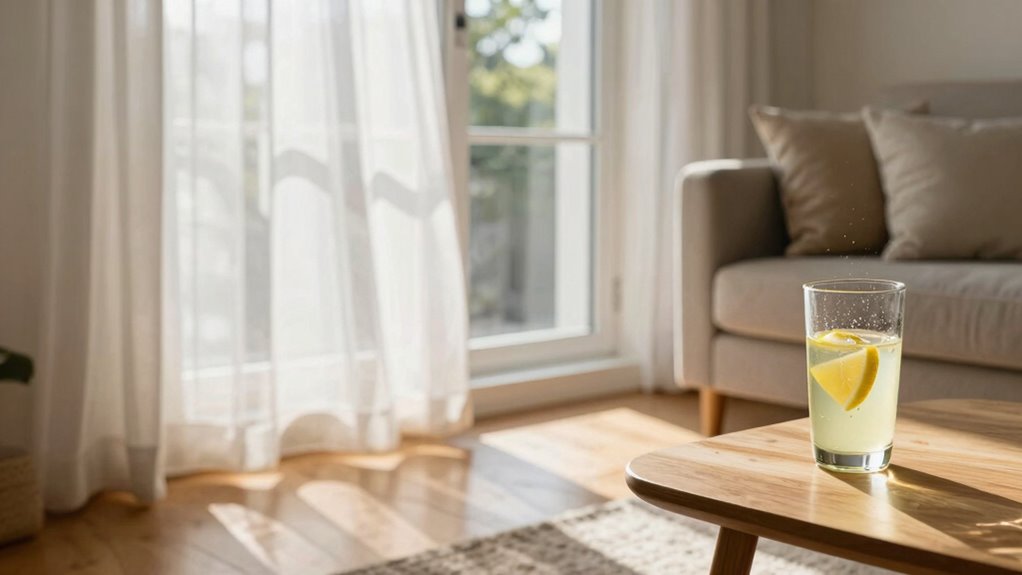
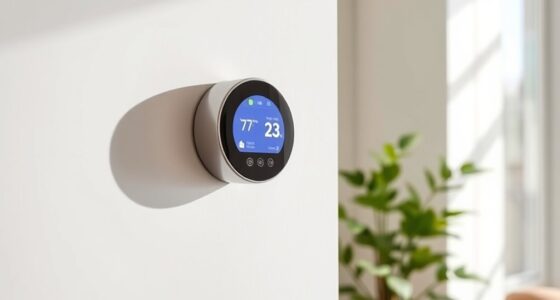
Airflow plays an essential role in your home comfort, and understanding it can make a significant difference. You might think that temperature alone dictates how cozy you feel, but airflow dynamics are equally important. When you adjust your thermostat, what you might not realize is that the way air moves throughout your space can either enhance or diminish that temperature’s effectiveness.
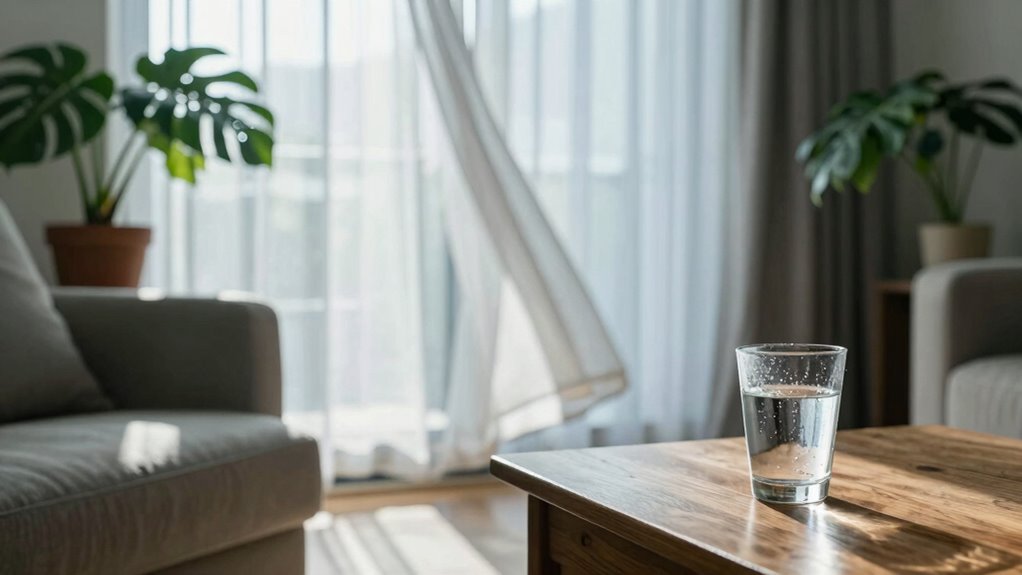
Imagine two rooms set at the same temperature. If one has excellent airflow while the other feels stuffy, you’ll likely feel more comfortable in the room with better airflow. This is because the circulation of air helps maintain a consistent indoor climate. Stale air can make you feel warmer than you actually are, while fresh, moving air can create a cooling sensation, even at higher temperatures.
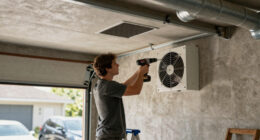
You can take steps to optimize airflow in your home. Start by ensuring your vents are unobstructed. Furniture, curtains, and other items can block air paths, making your heating or cooling system work harder than it needs to. By keeping these areas clear, you encourage better airflow, which can help create a more balanced indoor climate. Improving air circulation can significantly influence how comfortable your environment feels.
Another factor to take into account is the layout of your home. Open spaces generally allow for better airflow compared to closed-off rooms. If your living area is cramped, the air may not circulate effectively, leading to pockets of warm or cool air that don’t match the thermostat reading. You can enhance airflow dynamics by using fans to promote movement, especially in areas where air tends to stagnate. Proper ventilation is essential for maintaining a healthy indoor environment and avoiding the buildup of pollutants. Enhancing airflow management can further improve overall comfort and air quality. Additionally, incorporating airflow patterns can help distribute conditioned air more evenly throughout your space, preventing temperature disparities.
As an affiliate, we earn on qualifying purchases.
Frequently Asked Questions
How Does Airflow Impact Indoor Air Quality?
Airflow greatly impacts indoor air quality by enhancing air circulation and reducing pollutants. When you use effective ventilation systems, stale air gets replaced with fresh air, minimizing allergens and odors. Good airflow also helps control humidity levels, preventing mold growth and promoting a healthier environment. You’ll notice that rooms feel fresher and more comfortable. So, ensuring proper airflow isn’t just about comfort; it’s essential for maintaining a clean, healthy living space.
Can Airflow Affect Energy Bills Significantly?
Absolutely, airflow can be a game changer for your energy bills. When you enhance airflow, you’re not just inviting fresh air in; you’re boosting energy efficiency and revealing potential cost savings. A well-ventilated space allows your heating and cooling systems to work smarter, reducing the need for constant adjustments. So, by simply optimizing airflow, you can create a more comfortable environment and keep those pesky energy costs in check.
What Are Common Airflow Problems in Homes?
Common airflow problems in homes include blocked vents, insufficient insulation, and poorly designed airflow patterns. You might notice certain rooms feel stuffy while others are chilly. To improve comfort, draft solutions like sealing gaps around windows and doors can help. Additionally, rearranging furniture to avoid blocking vents and using fans to enhance airflow patterns can make a big difference. By addressing these issues, you’ll create a more balanced and comfortable living environment.
How Can I Measure Airflow in My Home?
You can measure airflow in your home using various airflow tools. Start with a simple handheld anemometer, which provides real-time airflow measurements at different vents. You can also use flow hoods for more precise readings. To get a thorough view, measure airflow in various rooms and compare results. Additionally, consider checking for obstructions in ducts, as they can impact airflow measurement and overall efficiency. Regular checks can help maintain ideal comfort in your space.
Does Airflow Influence Humidity Levels Indoors?
Yes, airflow does influence humidity levels indoors. Think of it like the wind dancing through your home, carrying moisture with it. Good airflow dynamics help distribute humidity evenly, preventing damp spots and musty odors. By managing humidity control, you can create a more comfortable environment. So, when you notice stale air, consider improving ventilation; it’ll not only boost airflow but also keep that humidity in check, making your space feel fresher.
As an affiliate, we earn on qualifying purchases.
Conclusion
So, next time you’re sweating in your living room at a “comfortable” 72°F, just remember: a fan can turn your stuffy, sauna-like abode into a breezy paradise. Who needs air conditioning when you can channel your inner wind turbine? Embrace the airflow! After all, nothing says “home sweet home” quite like a gentle breeze ruffling your hair while you contemplate why you didn’t invest in that ceiling fan instead of a fancy avocado slicer.
As an affiliate, we earn on qualifying purchases.
As an affiliate, we earn on qualifying purchases.
Halloween Picks
halloween
As an affiliate, we earn on qualifying purchases.