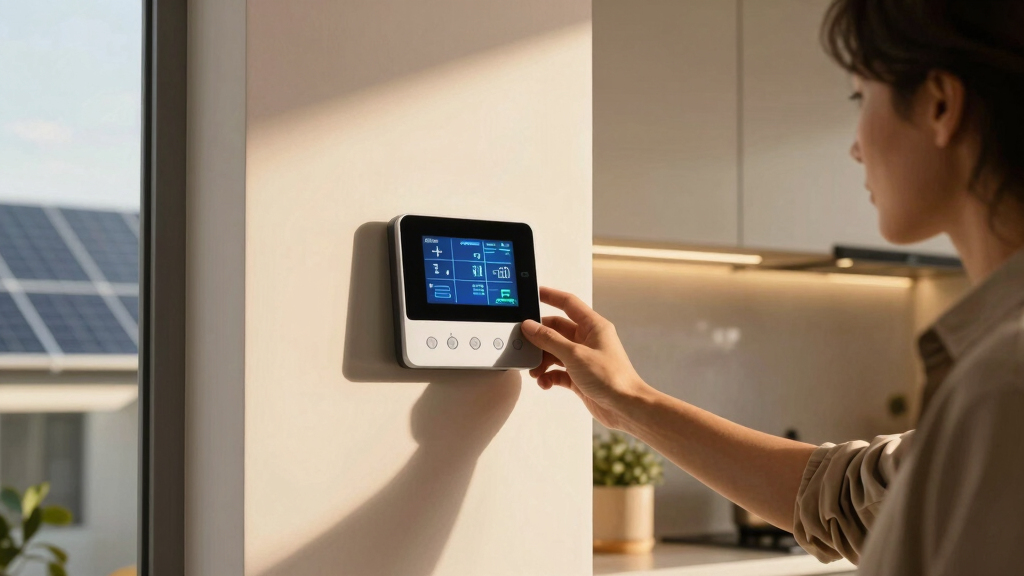

For anyone with a solar home, selecting the right energy monitor can be a game-changer for tracking your power generation and consumption. The Emporia Vue 3 stands out as the best overall choice, thanks to its comprehensive features and reliable performance. For those prioritizing smart home integration, the Refoss Monitors offer open API access and local data storage, making them ideal for custom setups. Meanwhile, the Meross Smart Energy Monitor provides excellent value with its extensive circuit coverage and user-friendly app. The main challenge in this category lies in balancing detailed data with ease of use and budget considerations. Keep reading for a full breakdown of each option’s strengths and tradeoffs.
Key Takeaways
- Top picks generally excel in real-time data accuracy and integration with smart home systems.
- Monitors with extensive circuit sensors tend to offer better granularity but come at a higher price.
- Open API and local data storage are key features for advanced users seeking customization.
- Ease of installation and user interface vary significantly, affecting suitability for beginners.
- Price ranges reflect differences in sensor count, data detail, and smart features, requiring buyers to prioritize their needs.


More Details on Our Top Picks
Emporia Vue 3 Home Energy Monitor – Smart Home Automation Module and Real Time Electricity Usage Monitor, Power Consumption Meter, Solar and Net Metering for UL Certified Safe Energy Monitoring
This Emporia Vue 3 stands out as the most comprehensive home energy monitoring solution in this lineup, supporting a wide range of electrical systems, including single-phase and three-phase setups. Its UL certification guarantees safety, making it ideal for homeowners who prioritize reliability. Compared with the Meross model, it offers more detailed circuit-level data, though it involves a slightly more complex installation process. Its app provides real-time monitoring, automation capabilities, and solar net metering support, making it suitable for those managing solar systems or seeking detailed energy insights. The main tradeoff is that installation requires some electrical knowledge, as instructions are less detailed for novice users. Overall, this pick is perfect for tech-savvy homeowners who want a safe, flexible monitoring system that integrates into smart home setups.
Pros:- UL certified for safety and reliability
- Supports a variety of electrical configurations including 3-phase systems
- Automated energy management features with real-time data
Cons:- Installation instructions lack detail for less experienced users
- Requires a 2.4 GHz WiFi connection and some electrical knowledge
Best for: Homeowners with complex electrical systems or solar installations seeking a safe, versatile monitoring solution.
Not ideal for: Renters or DIYers uncomfortable with electrical wiring, due to the installation complexity.
- Supports System Types:Single phase, 3-phase, Wye systems
- Sensors Supported:Up to 8 circuit sensors
- Safety Certification:UL Listed
- Monitoring Frequency:1 second (app active)
- Data Retention:7 days for 1-minute data
- App Compatibility:iPhone, Android, Web
Bottom line: This unit suits homeowners who need a safe, adaptable energy monitor with advanced smart home integration, despite a steeper installation learning curve.
Eyedro Home Energy Monitor – Real-Time Electricity Usage Monitor with Solar Net Metering-Whole House Power Consumption Monitor–WiFi/Ethernet Smart Energy Meter with Reports & History, 2 Sensors
The Eyedro Home Energy Monitor excels as an affordable option that provides detailed, real-time power consumption data across your entire house, including solar net metering. Unlike the Meross model, it offers Ethernet or WiFi options and supports two sensors, making it flexible for various setups. Its simple setup process and comprehensive reporting tools help homeowners identify energy waste and optimize usage, especially in solar systems. However, it lacks some circuit-level granularity that the Emporia Vue 3 offers, and the instructions are somewhat basic, which may challenge less technical users. Its robust data logging and cost tracking make it ideal for DIY homeowners who want reliable, budget-friendly energy insights without subscription fees. Still, advanced circuit monitoring is limited to two sensors, so large or complex systems may find it insufficient.
Pros:- Affordable price point under fifty dollars
- Supports WiFi and Ethernet connectivity
- Provides detailed reports and historical energy data
- Supports solar net metering
Cons:- Limited to two sensors, restricting detailed circuit monitoring
- Basic installation instructions may be challenging for novices
Best for: DIY homeowners and solar users seeking a cost-effective, whole-house energy monitor with good reporting features.
Not ideal for: Homeowners needing detailed circuit-level data or complex multi-phase system support, due to sensor limits.
- Connectivity Options:WiFi or Ethernet
- Sensors Included:2 x 200A sensors
- Supports Solar Monitoring:Yes
- Data Storage:Reports & history via app
- Supported Systems:Whole house, solar
- App Compatibility:Smart Life / Tuya
Bottom line: Ideal for budget-conscious homeowners wanting reliable whole-house energy tracking, with some limitations on circuit detail.
Smart Home Energy Monitor with 2 x 120A CTs, Live Electricity Usage Tracking, Supports Single-Phase 3-Wire System, Works with Home Assistant & Zigbee2MQTT (Zigbee Version)
This Smart Home Energy Monitor is tailored for users with Zigbee-compatible smart home systems, offering bi-directional power measurement and advanced automation support. It excels in integrating with platforms like Home Assistant and Zigbee2MQTT, unlike the Meross or Eyedro units that focus more on straightforward monitoring. Its split-core CTs make installation easier, but it requires a Zigbee hub and some familiarity with home automation to fully utilize its features. It supports single-phase 3-wire systems and tracks power flow in both directions, ideal for solar surplus detection and load balancing. The tradeoff is that setup complexity is higher, and users need a Zigbee hub. This monitor is perfect for tech-savvy homeowners deeply invested in custom automation and solar management.
Pros:- Supports bi-directional power measurement
- Easy clip-on CTs for quick installation
- Works with Home Assistant and Zigbee2MQTT
- Supports solar surplus detection
Cons:- Requires a Zigbee hub for operation
- Setup and configuration are more complex
Best for: Home automation enthusiasts and users with Zigbee hubs wanting detailed, bi-directional energy data.
Not ideal for: Homeowners seeking plug-and-play simplicity or without Zigbee infrastructure, due to setup complexity.
- Supports System Type:Single-phase 3-wire
- Current Transformers:2 x 120A split-core CTs
- Connectivity:Zigbee
- Supports Bi-Directional Power:Yes
- App Compatibility:Home Assistant, Zigbee2MQTT
- Monitoring Range:Voltage, current, power
Bottom line: Best suited for homeowners with Zigbee systems who want detailed, integrated solar and load management, despite installation complexity.
Emporia Vue 3 Home Energy Monitor – Smart Home Automation Module and Real Time Electricity Usage Monitor, Power Consumption Meter, Solar and Net Metering for UL Certified Safe Energy Monitoring
Despite its similar name, this Emporia Vue 3 is distinguished by its focus on safety, extensive circuit support, and integration options. It supports multiple wiring configurations, including three-phase systems, making it suitable for larger or more complex homes. Its app provides real-time data, automation, and solar net metering support, comparable to the first Emporia Vue but with added flexibility. The main drawback is that installation can be complicated for non-experts, and instructions are less detailed for certain setups. It’s ideal for homeowners who want a certified, flexible energy monitor that can scale with their system size and complexity. This unit is best for those who need high safety standards and extensive system compatibility, even if it involves a more involved setup process.
Pros:- Supports multiple wiring configurations including 3-phase
- UL certification for safety and reliability
- Supports solar and net metering
- Real-time data with automation features
Cons:- Installation can be complex for novices
- Instructions less detailed for some systems
Best for: Larger households or those with complex electrical systems seeking a UL-certified, scalable energy monitoring solution.
Not ideal for: Renters or owners seeking a simple, plug-and-play device without extensive wiring or multi-phase support.
- Supports System Types:Single phase, 3-phase, Wye systems
- Sensors Supported:Up to 8 circuit sensors
- Safety Certification:UL Certified
- Monitoring Frequency:Real-time
- Data Retention:Indefinite cloud storage
- App Compatibility:iOS, Android, Web
Bottom line: Ideal for larger homes or complex systems requiring a safe, scalable energy monitor, with some installation effort involved.
Meross Smart Energy Consumption Monitor with 18 Circuit Monitoring, Electricity Usage Monitor, Real-Time Power Usage Monitor, Home Assistant Support, Smart Alerts, No Subscriptions, 2-Year Warranty
The Meross Energy Consumption Monitor is designed for users who want to oversee many circuits simultaneously, supporting up to 18 circuits with detailed real-time data. Its plug-and-play design makes it accessible for DIY installation, and it supports integration with Home Assistant, unlike the Eyedro or Emporia models that focus more on general home energy tracking. Its app displays voltage, current, wattage, and power factor, with historical data logs and smart alerts. The main tradeoff is that it requires a compatible Zigbee hub and some familiarity with home automation systems. This makes it ideal for advanced users or those with large, multi-circuit setups looking for in-depth control and automation features.
Pros:- Supports up to 18 circuits for detailed monitoring
- Compatible with Home Assistant and supports smart alerts
- No subscription fees, ETL-certified safety
- Easy clamp-on installation
Cons:- Requires Zigbee hub and some automation knowledge
- Setup complexity may challenge novices
Best for: Home automation enthusiasts with large circuit counts seeking detailed, integrated power management.
Not ideal for: Homeowners without Zigbee hubs or those preferring simpler, non-automated monitoring.
- Circuit Support:Up to 18 circuits
- Connectivity:Home Assistant, Zigbee
- Supports Solar/Net Metering:Yes
- Installation:Clamp-on
- Warranty:2 years
- Power Monitoring:Voltage, current, power factor
Bottom line: Best for users with complex wiring and automation needs, accepting a more involved setup process for comprehensive data.
Smart Home Energy Monitor 2×120A, Dual-Channel Real-Time Electricity Usage Monitoring for Household Power, WiFi Energy Meter with App Control, Compatible with Tuya/Smart Life
This monitor stands out for its dual-channel sensors and bi-directional power tracking, making it ideal for homes with solar panels or backup systems. Unlike the Emporia Vue 3, which is more suited for whole-home management, this device provides granular circuit-level data that can reveal exactly which appliances or circuits are responsible for high energy use. Its external clamp sensors are easy to attach without wiring modifications, but their external placement might raise concerns about durability or interference in some setups. The app displays real-time, historical data with clarity, enabling homeowners to identify waste and optimize usage. However, the device’s extensive data tracking can feel overwhelming for casual users, and its setup assumes familiarity with electrical panels. It’s perfect for tech-savvy homeowners who want detailed, bi-directional energy insights and are comfortable with installation nuances. Compared to the Emporia Vue 3, it offers more circuit-specific data but lacks the same level of integrated automation. This pick makes the most sense for those who want precise control and understanding of solar flow and home energy patterns.
Pros:- Dual-channel sensors and bi-directional power tracking for detailed flow analysis
- External clamp sensors simplify installation without wiring modifications
- Accurate real-time and historical data with a user-friendly app interface
- Supports solar net metering and advanced energy flow insights
Cons:- Installation may require electrical expertise and careful sensor placement
- Extensive data can be overwhelming for non-technical users
- Limited integration with broader home automation ecosystems
Best for: Homeowners with solar panels or backup power systems seeking circuit-level insight.
Not ideal for: Casual users looking for a simple, plug-and-play energy monitor without detailed circuit data.
- Maximum Current per Sensor:60A
- Main Sensors:Two 200A split-core CTs
- Additional Sensors:Sixteen 60A branch CTs
- Wireless Protocol:WiFi
- Data Privacy:Local Storage, no cloud required
- Certification:ETL Certified
Bottom line: Ideal for owners of solar systems or backup setups who need precise, circuit-level energy flow insights.
Energy Monitor with 16 50A and 2-200A Circuit Level Sensors, Smart Home Real-Time Accurate Energy Consumption Tracking, WiFi Meter Solar/Net Metering, 2.4 GHz WiFi
This device makes a strong case for whole-home energy management, with its extensive 16 branch sensors and 200A main sensors supporting detailed load monitoring. Compared to the Refoss, which emphasizes local control and privacy, the Emporia Vue 3 offers a more integrated ecosystem with automation and alerts, making it better suited for users wanting a comprehensive energy dashboard. Its UL certification guarantees safety during installation, and the app provides real-time updates and exportable data, but setup can be complex for those unfamiliar with electrical panels. The sensors are designed to clip onto the panel’s wiring, and the device supports multiple wiring configurations, including 3-phase systems with additional sensors. The main tradeoff is that the system’s complexity and size may be overkill for small households or casual users. This product suits homeowners who want detailed, reliable whole-house data with potential for automation integration, especially if safety and accuracy are priorities. It’s perfect for those wanting to turn their solar or grid energy data into actionable insights, surpassing simpler monitors like the B0C7B1LKDW.
Pros:- Supports 16 circuits plus main sensors for comprehensive load analysis
- High accuracy (±1%) suitable for detailed energy audits
- Local data control with open API and MQTT for privacy and integration
- ETL certified for safety and reliability
Cons:- Installation involves working inside the electrical panel, best handled by professionals
- Setup and wiring may be complex for DIY beginners
- Size and number of sensors can be intimidating for small or rental homes
Best for: Homeowners needing accurate, whole-house energy monitoring with automation support.
Not ideal for: Users seeking a simple device for basic energy tracking without installation complexity or automation features.
- Number of Circuit Sensors:18
- Sensor Current Ratings:Up to 60A and 200A
- Connectivity:Local Web UI, Open API, MQTT
- Accuracy:±1%
- Data Storage:5 years of detailed records
- Supported Systems:Single-phase, split-phase, 3-phase
Bottom line: Great for serious energy enthusiasts and solar owners who want detailed, privacy-conscious monitoring with automation potential.
Smart Home Energy Monitor with 2 x 120A CTs, Live Electricity Usage Tracking, Bi-Directional Power Tracking, Supports Single-Phase 3-Wire System, 2.4GHz Wi-Fi (WiFi Version)
This monitor excels at providing accurate, real-time data on household power consumption, supporting bi-directional flow for solar and net metering. Its plug-and-play design with split-core CTs makes installation accessible for those comfortable with basic electrical work, but it doesn’t offer the circuit-level granularity of the more advanced options like the Emporia Vue 3. The app interface is straightforward, showing live power use, but lacks extensive historical analysis or automation features found in more comprehensive monitors. It’s reliable for understanding overall power trends and solar flow, yet it’s less suited for detailed circuit analysis or complex energy management. The device is well-suited for homeowners who want clear, immediate insights into their main power feed, especially with solar, without the complexity of multiple sensors or custom wiring. It makes a good alternative to less accurate or less feature-rich models like the B0C7B1LKDW, but lacks the depth of data for detailed household audits.
Pros:- Supports bi-directional flow for solar and net metering
- Simple clamp sensor installation with plug-and-play design
- Reliable real-time power tracking with high accuracy
- Supports single-phase 3-wire systems
Cons:- Limited to main feed; no circuit-level data
- No extensive historical or automation features
- Less suitable for detailed energy audits or appliance-specific analysis
Best for: Homeowners wanting quick, accurate, real-time insights into main power and solar flow without complex installation.
Not ideal for: Users seeking detailed circuit-level analysis or automation integration beyond real-time monitoring.
- Current Sensors:Two 120A split-core CTs
- Connectivity:WiFi 2.4 GHz
- Measurement Accuracy:±2%
- Supported System:Single-phase 3-wire
- Data Logging:Real-time only
- Installation:Plug-and-play with split-core CTs
Bottom line: Best for users wanting straightforward, real-time power and solar flow data with minimal setup complexity.
Emporia Vue 3 Home Energy Monitor – Smart Home Automation Module and Real Time Electricity Usage Monitor, Power Consumption Meter, Solar and Net Metering for UL Certified Safe Energy Monitoring
The Emporia Vue 3 delivers a balanced combination of safety, ease of installation, and broad automation support, making it a versatile choice for most households. Its UL certification and straightforward clamp-on sensors mean safe, reliable setup, especially for those who prefer DIY installation. The app interface is intuitive, providing real-time data, historical records, and export options, but it doesn’t offer the circuit-level granularity of the more advanced models like the Refoss. Compared to the B0DWWWDD2P, which is more focused on real-time flow, the Vue 3 excels in automation and comprehensive management, ideal for those integrating their energy system with smart home devices. The main limitation is the lack of bi-directional power measurement, so it’s less suited for detailed solar flow analysis. This monitor suits homeowners seeking a user-friendly, safe, and expandable system for whole-house energy management, especially if automation and safety are priorities.
Pros:- UL-certified safety for reliable installation
- Simple clamp-on sensors for quick setup
- Supports automation integration with smart home systems
- Provides comprehensive real-time and historical energy data
Cons:- Lacks circuit-level granularity for detailed load analysis
- No bi-directional power measurement for solar export/import
- Limited advanced analytics compared to open API solutions
Best for: Homeowners wanting an easy-to-install, safe, and automation-ready whole-house energy monitor.
Not ideal for: Power users needing detailed circuit-level data or bi-directional solar flow measurement.
- Number of Circuits Monitored:Up to 16
- Sensor Ratings:50A CTs
- Connectivity:WiFi
- Data Retention:Indefinite in cloud
- Safety Certification:UL
- Installation Method:Clamp-on
Bottom line: Excellent choice for users seeking a safe, easy, and automation-compatible whole-house energy management system.
Refoss Smart Home Energy Monitor Real-Time Electricity Usage Monitor with 16x60A Circuit Sensor, Energy Meter, Local Data Storage with Open API & Web UI, Home Assistant, Solar Metering, ETL Certified
This system excels at providing detailed, privacy-focused energy data with local control options, making it ideal for security-conscious users. Its open API, Web UI, and MQTT support mean you can integrate and customize your energy analysis without relying on cloud services, unlike the Emporia Vue 3. The 16 circuit sensors and 60A split-core CTs support circuit-level analysis, perfect for solar homes wanting to optimize self-consumption and monitor export. Its ETL certification guarantees safety, and the 5-year data retention allows long-term analysis. While installation involves working inside the panel, a professional can handle it, and the setup is straightforward enough for experienced DIYers. The device’s focus on local control and privacy makes it less suitable for users who prefer cloud-based, plug-and-play solutions. If data privacy and customization are your priority, this system surpasses the more limited proprietary systems like the B0C7B1LKDW.
Pros:- Supports local Web UI, open API, MQTT, and WebSocket for full customization
- Supports detailed circuit-level monitoring with 16 sensors
- Long-term data storage for 5 years without subscription
- Supports solar net metering and surplus energy management
Cons:- Requires electrical panel work, best handled by professionals
- More complex initial setup and configuration for non-technical users
- Installation and wiring are more involved than plug-and-play models
Best for: Tech-savvy homeowners prioritizing local control, privacy, and solar flow management.
Not ideal for: Casual users who prefer simple, cloud-based monitoring with minimal setup.
- Number of Circuit Sensors:16
- Sensor Current Ratings:Up to 60A
- Connectivity:Open API, Web UI, MQTT
- Data Storage:5 years
- Certification:ETL
- Supported Systems:Single, split, three-phase
Bottom line: Perfect for privacy-focused, tech-savvy homeowners who want detailed, customizable solar and load management.
Refoss Smart Home Energy Monitor, Native Open API & Web UI (No Cloud Required), Real Time Electricity Usage Monitor, Power Consumption Meter Works with Home Assistant & MQTT, Solar Net Metering, ETL
This option stands out for its emphasis on local control and data privacy, making it ideal for users wary of cloud reliance. Unlike the Emporia Vue 3, which offers more integrated automation but depends on cloud services, the Refoss monitor provides full local access via Web UI, open API, and MQTT. Its seamless Home Assistant integration and support for solar net metering automation help maximize self-consumption and reduce grid feed-in, which is crucial for solar homes seeking control. The ±1% accuracy at high currents and ETL certification reflect reliability. However, the installation involves clamp-on sensors that may be less flexible than wireless options, and its monitoring scope is limited to main and branch circuits without extensive app features.
Best for tech-savvy homeowners prioritizing privacy and solar optimization.Pros:- Full local control via web UI, open API, and MQTT
- Supports advanced solar net metering automation
- ±1% accuracy and ETL certified for safety and reliability
- Supports circuit-level insights for targeted energy management
Cons:- Installation requires clamp-on sensors that might be less flexible than wireless options
- Limited app features compared to cloud-based monitors
- Requires technical knowledge for setup and integration
Best for: Homeowners with solar installations who want privacy-focused, locally controlled monitoring with automation support.
Not ideal for: Users preferring plug-and-play solutions with minimal setup or comprehensive app features.
- Max Current per Main Circuit:200A
- Supports Circuit Sensors:2 main, 16 branch
- Accuracy:±1%” at high current
- Connectivity:Open API, MQTT, Web UI
- Certification:ETL, UL 61010
- Installation:Clamp-on sensors
Bottom line: This pick suits solar owners who value privacy, local control, and automation for optimizing self-consumption and reducing bills.
This monitor makes its mark with 16 circuit-level sensors that enable detailed tracking of individual rooms or appliances, a feature that makes it particularly suitable for rental homes or shared apartments. Compared to the Refoss, which focuses on privacy and solar optimization, this model emphasizes cost allocation and fair billing through customizable tariffs. It also supports WiFi and Home Assistant integration, with an easy clamp-on installation, making it accessible for non-technical users. Its ability to monitor multiple circuits and support for time-of-use pricing offers practical benefits for landlords and tenants alike. The main tradeoffs include a lack of open API for advanced automation and a more complex setup process.
This product is ideal for property managers or households needing detailed circuit-level insights for billing and energy management.Pros:- 16 circuit-level sensors for granular monitoring
- Supports time-of-use tariffs for fair billing
- Compatible with Home Assistant and easy clamp-on installation
- Real-time power and cost tracking
Cons:- Limited open API for advanced automation
- Setup can be complex for non-technical users
- No cloud-based remote access
Best for: Rental property owners or shared households seeking detailed circuit monitoring and cost allocation.
Not ideal for: Homeowners wanting simple, plug-and-play devices without complex billing features.
- Number of Sensors:16
- Sensor Current Rating:50A each
- Connectivity:WiFi, Home Assistant
- Data Storage:App history logs
- Application Scope:Multi-circuit, real-time
- Certifications:Not specified
Bottom line: This system best serves rental or shared households that need detailed circuit data for billing and energy management.
Smart Home Energy Monitor 2×80A, Dual-Channel Real-Time Electricity Usage Monitoring for Household Power, WiFi Energy Meter with App Control, Compatible with Tuya/Smart Life
This model excels in providing dual-channel monitoring of major household circuits, suitable for users who want quick setup and straightforward usage. Its compatibility with Tuya/Smart Life apps offers a familiar interface for many users, making it a good entry point for smart energy monitoring. Compared with the Refoss and SEM-Meter, which focus on circuit-level detail and local control, this device emphasizes ease of use and WiFi connectivity. It can monitor high-power appliances like air conditioners and water heaters effectively. The main tradeoffs include limited circuit count (two channels only) and lack of advanced automation features. Its app-based control and cloud dependency might not appeal to those seeking maximum privacy.
This pick makes sense for homeowners wanting a simple, reliable, and app-compatible energy monitor for primary circuits.Pros:- Dual-channel monitoring for main household circuits
- Easy WiFi setup via Tuya/Smart Life app
- Supports high-power appliances like ACs and water heaters
- Real-time data with historical logs
Cons:- Limited to two circuits, less granular than multi-sensor systems
- Dependent on cloud services and app for operation
- No local control or open API
Best for: Homeowners seeking a simple, app-controlled monitor for main circuits with quick installation.
Not ideal for: Users needing detailed circuit analysis or local control without cloud reliance.
- Channels:2
- Max Current per Channel:80A
- Connectivity:WiFi, Tuya/Smart Life app
- Monitoring Type:Real-time, household circuits
- Compatibility:Amazon Alexa, Google Assistant
- Installation:Clamp-on sensors
Bottom line: This device suits homeowners who want a straightforward, app-based energy monitor for primary circuits without complex installation or automation needs.
How We Picked
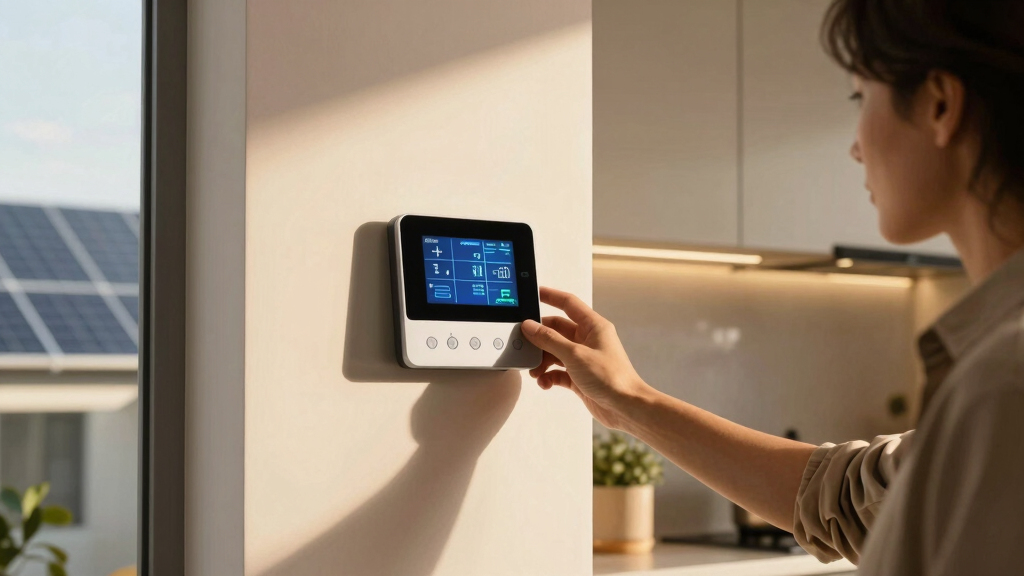
This roundup evaluated energy monitors based on performance accuracy, ease of installation, build quality, integration capabilities, and value for money. We prioritized products that reliably track solar generation and household consumption in real-time, with a particular focus on compatibility with popular smart home ecosystems. Devices offering extensive circuit coverage or advanced features like local data storage and open APIs earned higher scores, as they serve different user needs. Products were ranked to balance affordability with feature set, aiming to recommend options suitable for both casual homeowners and tech enthusiasts.Factors to Consider When Choosing Best Energy Monitors For Solar Homes
Choosing the best energy monitor for a solar home involves understanding several key factors. Beyond basic features, consider how the device integrates with your existing smart home setup, the level of detail needed in data reports, and the complexity of installation. Being clear about your priorities—whether it’s maximum data granularity, ease of use, or affordability—will help narrow down your options. This guide highlights the main considerations to keep in mind to make an informed purchase.Sensor Count and Circuit Coverage
The number of sensors and the ability to monitor multiple circuits directly impact the level of detail you get about your home’s energy use. Larger homes or those with complex solar setups benefit from monitors with extensive sensor options, enabling precise tracking of individual circuits or panels. However, more sensors often mean higher costs and more complicated installation, so consider your specific needs and budget before opting for maximum coverage.
Integration with Smart Home Ecosystems
Compatibility with platforms like Home Assistant, Zigbee, or MQTT can significantly enhance your monitoring experience by enabling automation and centralized control. Devices with open APIs or native integrations tend to offer more flexibility, especially for tech-savvy users aiming to incorporate energy data into broader home automation routines. Conversely, simpler monitors with app-only interfaces may suit those seeking straightforward, plug-and-play solutions.
Data Accessibility and Storage
Deciding between cloud-based data storage and local or open API options is crucial. Cloud services offer convenience, automatic updates, and remote access, but may involve subscription fees or privacy concerns. Local storage and open APIs provide greater control over your data, appealing to users who want customization and security. Evaluate your comfort level with technology and privacy preferences to choose the most suitable option.
Ease of Installation and Use
Installation complexity varies widely, from simple plug-in models to more involved wiring with multiple sensors. For those unfamiliar with electrical work, monitors with straightforward setup and clear instructions are preferable. User interface, app design, and reporting clarity also influence daily usability, especially for homeowners who want quick insights without digging through technical data.
Price and Value
Prices range from budget-friendly models with basic features to premium options with extensive sensor arrays and advanced integrations. Consider how much value you place on detailed monitoring versus simplicity. Investing in a higher-priced model may pay off if you need comprehensive data for optimizing solar performance, but for casual tracking, more affordable options might suffice. Balance your budget with your desired feature set to make a smart choice.
Frequently Asked Questions
Can I install a solar energy monitor myself or should I hire a professional?
Many energy monitors are designed for DIY installation, especially those with plug-and-play sensors or simple wiring. However, models with extensive circuit monitoring or those requiring integration with your electrical panel may benefit from professional installation to ensure safety and proper setup. Assess your comfort level with electrical work, and when in doubt, consulting a licensed electrician can save time and prevent errors.
Will these monitors work with my existing smart home devices?
Most modern energy monitors support popular smart home platforms like Home Assistant, Tuya, or MQTT, but compatibility varies. Check each product’s specifications to confirm whether it integrates with your current ecosystem. Devices with open APIs or native integrations generally offer more seamless connectivity, making it easier to automate and access your energy data remotely.
How accurate are these energy monitors in tracking solar generation?
High-quality monitors provide precise real-time data, often within a few percentage points of actual solar output, especially models with dedicated solar sensing capabilities. Cheaper devices might have slight measurement variances, but for most homeowners, the data is sufficiently accurate to inform energy management decisions. Consider the sensor quality and calibration features when evaluating accuracy expectations.
Do I need a monitor with local data storage, or is cloud access enough?
It depends on your priorities for data privacy and customization. Cloud-based storage offers convenience and remote access but can involve ongoing costs and privacy concerns. Local storage or open API access provides greater control over your data and allows for more advanced integrations, which is ideal for tech enthusiasts or those wary of cloud dependencies. Evaluate your comfort level with technology and data security to choose appropriately.
What features should I prioritize if I have a small or shared home?
For small or shared homes, simplicity and ease of use are often more important than extensive sensor coverage. Look for monitors that can track overall consumption without overwhelming you with data, unless detailed circuit monitoring is necessary for managing shared or rental units. Features like app alerts and straightforward installation can make daily management easier, especially if multiple users need access.