TL;DR
Living in a small apartment poses unique challenges for disaster prep. Experts recommend focusing on space-efficient storage, creating a bug-out plan, and practicing emergency routines. This helps urban residents be resilient during crises.
Residents of small apartments can effectively prepare for disasters by implementing space-efficient storage, creating emergency plans, and practicing routines, according to disaster preparedness experts.

Get home appliances delivered free with Prime
- Fast, free delivery on millions of items
- Prime Video, Amazon Music and more included
- Member-only deals all year
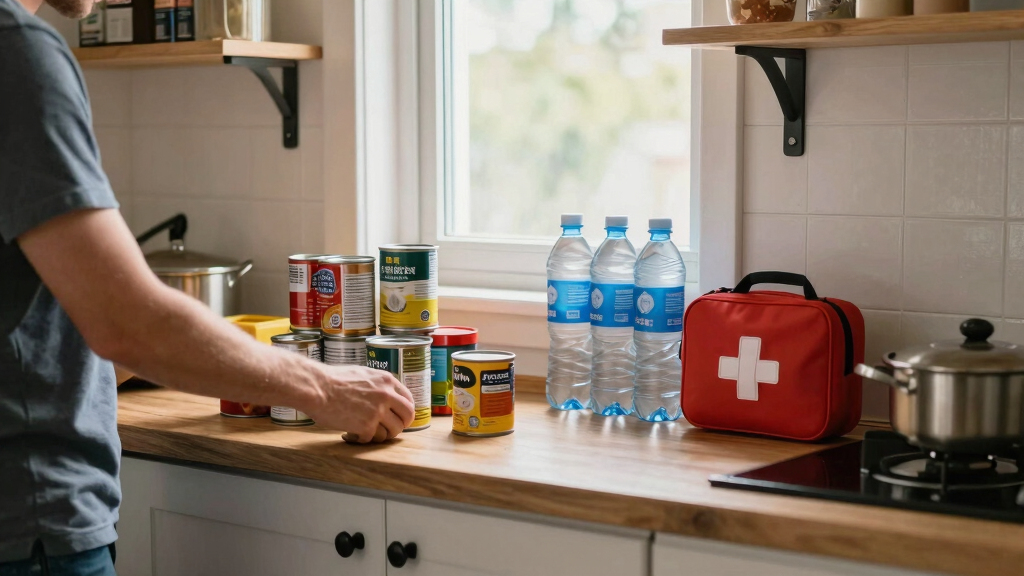
Disaster resilience expert Chris Ellis emphasizes the importance of having a well-stocked emergency kit, including water, food, cash, documents, and communication devices, even in limited spaces. For those in small apartments, storage solutions such as under-bed containers or discreet cabinets are recommended to maximize space without clutter.
Anna Maria Bounds, a sociology professor specializing in urban prepping, notes that city dwellers often face unique challenges due to limited space and resources. She suggests consolidating supplies, using creative storage, and practicing emergency routines like bug-out drills to build confidence and readiness.
Why It Matters
This guidance is vital because urban residents in small apartments often assume they cannot prepare for disasters. Proper planning enhances safety, reduces panic during emergencies, and ensures that residents can sustain themselves until help arrives or conditions stabilize.
Products Worth Considering

Philips Hue Bridge Pro Starter Kit with 4 A19 E26 Color Smart Bulbs

eufy Security SoloCam E42 4-Camera Kit, 4K Solar Security Camera System

Dyson Cyclone V10 Origin Cordless Vacuum
As an affiliate, we earn on qualifying purchases.
Background
Recent discussions with experts highlight that urban prepping has gained importance amid increasing climate-related events and technological vulnerabilities. While traditional prep focuses on large spaces, city dwellers must adapt strategies to their limited environments, emphasizing practicality and routine drills.
“Even in small spaces, having a three-day supply of water, food, and essential documents can make a significant difference during a blackout or storm.”
— Chris Ellis, disaster resilience expert
“Prepping in an urban environment means being creative with storage and routines, making sure you’re ready without sacrificing your living space.”
— Anna Maria Bounds, sociology professor
What Remains Unclear
It is still unclear how many urban residents actively implement these recommendations or how effective they are during actual disasters. Specific best practices for small apartments remain to be tested in real emergency scenarios.
What’s Next
Experts suggest that residents review their preparedness plans regularly, conduct practice drills, and stay informed about local emergency protocols. Future developments may include tailored kits and community programs designed for urban environments.
Key Questions
What are the most critical items to store in a small apartment for emergencies?
Essential items include water (at least three days’ supply per person), non-perishable food, a first aid kit, important documents, cash, and communication devices. Use space-efficient containers to maximize storage.
How can I practice emergency routines in a small apartment?
Conduct regular drills such as evacuation simulations, practice using your emergency kit, and test communication plans with family or roommates to build confidence and identify improvements.
What should I include in a bug-out bag for urban living?
A bug-out bag should contain essentials like water, food, a first aid kit, cash, copies of important documents, and a portable communication device. Practice carrying and using it to ensure readiness.
Are there community resources for urban preppers?
Some cities offer preparedness workshops, community drills, and resource sharing programs. Check local emergency management agencies for available support and training opportunities.
How often should I update my emergency supplies and plan?
Review and update your supplies and plan at least twice a year, especially after significant events or changes in circumstances, to ensure everything remains functional and relevant.