
TL;DR
BYU-Hawaii is launching its second phase of solar development, which will enable the campus to operate entirely on solar energy. The project also extends renewable energy to nearby facilities and includes energy storage for emergencies.
Brigham Young University-Hawaii announced the launch of its second phase of a solar energy project, which will enable the campus to meet 100% of its electrical needs through solar power upon completion. This development marks a significant step toward campus sustainability and renewable energy independence.

Get home appliances delivered free with Prime
- Fast, free delivery on millions of items
- Prime Video, Amazon Music and more included
- Member-only deals all year
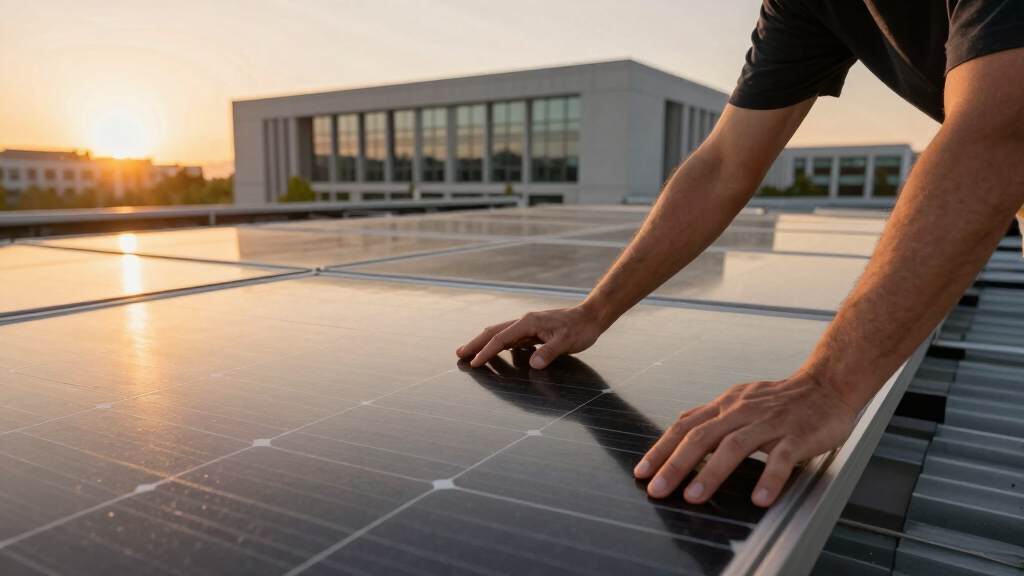
The second phase of BYU-Hawaii’s solar initiative includes new ground-mounted solar arrays southwest of the campus and additional solar canopies over a parking lot near the Polynesian Cultural Center (PCC). The project aims to fully power the university and extend renewable energy services to the PCC and the Laie Hawaii Temple. The university’s initial phase, completed in 2022, installed rooftop solar, solar carports, and energy storage, covering 39% of its energy demand. The new phase is designed to close the gap, with an energy storage system capable of providing up to five days of emergency backup for critical services. The project is part of a broader effort to increase renewable energy use on campus and in the surrounding community.
Impact of Full Solar Power on Campus Operations
Achieving 100% solar energy will significantly reduce BYU-Hawaii’s carbon footprint and reliance on fossil fuels, aligning with broader sustainability goals. It also sets a precedent for other institutions in Hawaii and beyond, demonstrating the feasibility of campus-wide renewable energy adoption. Extending renewable services to nearby facilities like the PCC and the Laie Hawaii Temple enhances community resilience and promotes regional sustainability efforts.
Products Worth Considering

eufy Security SoloCam E42 4-Camera Kit, 4K Solar Security Camera System

eufy Security SoloCam S340 3K Dual-Lens Solar Security Camera

Levoit Air Purifier for Home, Pets, Bedroom – Smart Wi‑Fi for Large Rooms
As an affiliate, we earn on qualifying purchases.
Background of BYU-Hawaii’s Renewable Energy Initiatives
In 2022, BYU-Hawaii completed its first phase of solar deployment, installing rooftop solar panels, five solar carports, and a 7 MWh energy storage system. That initial phase provided 39% of the campus’s energy needs. The new phase aims to fully meet the remaining demand, building on the university’s commitment to sustainability. The project aligns with Hawaii’s broader renewable energy targets and the university’s strategic sustainability goals, which include reducing greenhouse gas emissions and increasing energy independence.
“The second phase of our solar project will enable us to operate entirely on renewable energy, setting a new standard for sustainability at BYU-Hawaii.”
— an anonymous university spokesperson
Details Pending on Project Implementation Timeline
It is not yet clear when the second phase will be fully completed or operational. Specific project milestones and potential challenges during construction or integration are still being finalized, and official timelines have not been publicly disclosed.
Next Steps for Project Development and Community Impact
The university is expected to finalize project planning and begin construction later in 2026. Updates on progress and expected operational dates will likely be announced as milestones are reached. The project’s success could influence future renewable initiatives across Hawaii’s educational institutions and community facilities.
Key Questions
When will the second phase of the solar project be completed?
The exact completion date has not been announced, but construction is expected to begin later in 2026, with operational goals to be set as planning progresses.
How will the project impact energy costs for BYU-Hawaii?
While specific cost savings are not yet detailed, transitioning to 100% solar power is expected to significantly reduce the university’s reliance on external energy sources, potentially lowering long-term energy expenses.
Will the project include additional renewable energy sources besides solar?
Currently, the focus is on expanding solar capacity, including arrays, canopies, and storage. There has been no public indication of plans to incorporate other renewable sources.
What is the significance of extending renewable energy to the nearby Polynesian Cultural Center and Laie Hawaii Temple?
Extending renewable energy services to these facilities enhances regional sustainability efforts, promotes community resilience, and demonstrates the broader impact of campus renewable initiatives.
Are there any environmental or logistical challenges expected for the project?
Details on potential challenges have not been disclosed; however, typical concerns include construction disruptions, permitting, and integrating new systems with existing infrastructure.
Source: Solar Power World