If your Dyson V15 Detect™ Origin cordless vacuum is losing suction, it can be frustrating. Often, the issue stems from clogged filters, blockages, or dirty components. This guide walks you through practical steps to restore peak performance, ensuring your vacuum cleans effectively again.
Follow these instructions carefully to troubleshoot common problems and maintain your Dyson for long-lasting, powerful cleaning.
Key Takeaways
| Filter Maintenance | Dirty filters reduce suction and need regular cleaning or replacement. |
| Check for Blockages | Clogs in the wand, brush head, or hose can impede airflow. |
| Inspect the Brush Bar | Hair and debris tangled in the brush bar can cause suction loss. |
| Ensure Proper Seals | Loose or damaged seals can lead to air leaks and weak suction. |
| Replace Worn Parts | Old filters or damaged parts need timely replacement for optimal performance. |

Dyson V15 Detect™ Origin Cordless Vacuum
Powerful and intelligent for whole-home deep cleaning. Reveals invisible dust.
As an affiliate, we earn on qualifying purchases.
Step 1: Turn Off and Unplug Your Dyson
Before starting any troubleshooting, ensure the vacuum is turned off and unplugged to prevent injury or damage.
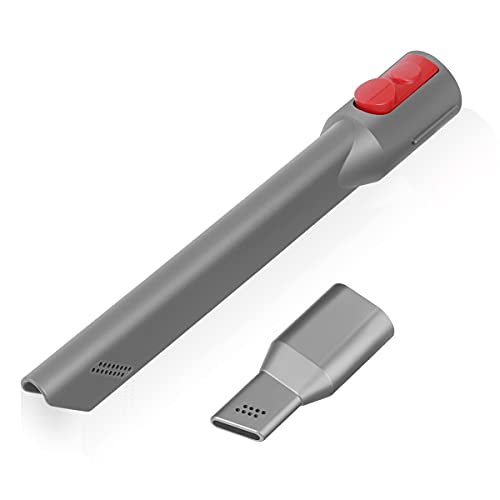
LANMU Crevice Tool Vacuum Attachments Compatible with Dyson V15 V12 V11 V10 V9 V8 V7 Gen5 Outsize Vacuum Cleaner, Narrow Nozzel Replacement Parts for Hard-to-Reach Space
Wide Compatibility: This crevice tool attachment is compatible with V15 V12 V11 V10 V9 V8 V7 Gen5 G5...
As an affiliate, we earn on qualifying purchases.
Step 2: Clean or Replace the Filters
- Remove the vacuum’s canister or filter compartment according to your model’s instructions.
- Take out the filters. For Dyson V15 Detect™, access the pre-filter and other filters as needed.
- Wash the filters with water (if reusable) and let them air dry completely—usually 24 hours—before reinserting.
- If filters are worn or damaged, replace them with high-quality replacements like the 3Pack Pre Filters Replacement or V10 filters.
Step 3: Check for Blockages
- Inspect the wand, hose, and brush head for clogs or debris.
- Remove and clear any obstructions carefully.
- Use a crevice tool to dislodge debris from tight spots, especially around the cleaner head and brush bar.
Step 4: Examine the Brush Bar
Ensure the brush bar spins freely and is free of hair and debris. Remove any tangled hair using scissors or a brush and clear debris from the brush area.
Step 5: Check Seals and Connections
Ensure all seals and connections are tight and undamaged. Replace any worn or loose seals to prevent air leaks that can cause suction loss.
The Products in This Guide

Dyson V15 Detect™ Origin Cordless Vacuum
- ✔ Weight: 6.8 lbs
- ✔ Charge Time: 4.5 hours
- ✔ Warranty: 2 years

LANMU Crevice Tool Vacuum Attachments Compatible
- ✔ Length: 12 inches
- ✔ Weight: 0.4 lbs
- ✔ Material: Plastic
Dyson V15 Detect™ Origin Cordless Vacuum
The Dyson V15 Detect™ Origin offers powerful, intelligent cleaning with features like a laser to reveal invisible dust and adaptive power modes. Its filtration and design help maintain optimal suction, but regular maintenance is essential.
Pros:
- Powerful suction
- Intelligent dust detection
- Long battery life
- Converts to handheld
Cons:
- Requires regular filter cleaning
- Can be heavy for some users
- Filter replacements cost extra
Best for: Deep cleaning all floor types and detailed home maintenance
Not ideal for: Light cleaning or quick jobs that don’t require deep suction
Bottom line: A powerful, smart vacuum ideal for thorough home cleaning with proper maintenance.
LANMU Crevice Tool Vacuum Attachments Compatible
The LANMU Crevice Tool Vacuum Attachments are compatible with Dyson V15 and other models, making it easier to reach tight spaces and remove debris effectively.
Pros:
- Narrow, flexible design
- Compatible with many Dyson models
- Helps clean corners and crevices
- Easy to attach and use
Cons:
- Requires separate purchase
- May need adjustment for perfect fit
- Not suitable for heavy-duty cleaning
Best for: Cleaning tight corners, car interiors, and small spaces
Not ideal for: Large debris removal or deep cleaning
Bottom line: A versatile attachment that simplifies cleaning tricky spots.
Frequently Asked Questions
How often should I clean or replace my filters?
It’s recommended to rinse washable filters every 1-2 months and replace non-washable filters every 6-12 months, depending on usage.
Can clogged filters cause loss of suction?
Yes, dirty or clogged filters restrict airflow, leading to reduced suction. Regular cleaning or replacement restores performance.
What should I do if my vacuum still has no suction after cleaning filters?
Check for blockages in the wand, hose, or cleaner head, ensure seals are tight, and inspect the brush bar for tangles.
Are there specific filters recommended for replacement?
Yes, you can use the 3Pack Pre Filters Replacement or V10 filters for Dyson V10 models to maintain optimal filtration and suction.
Restore Your Dyson’s Power with These Simple Fixes
By following these troubleshooting steps, you can effectively resolve common suction issues with your Dyson cordless vacuum. Regular maintenance of filters, checking for blockages, and inspecting components will ensure your vacuum performs at its best. Proper care prolongs the lifespan and keeps your home effortlessly clean.
Affiliate disclosure: As an Amazon Associate we earn from qualifying purchases. Prices and availability are accurate as of the time of publishing.