TL;DR
A Family Handyman winterization guide, drawing on contractors Andre Kazimierski, Bob Cardwell and Cody Purtle, identifies ten areas homeowners should insulate or seal before winter, starting with the attic and roof. The experts say proper insulation and air sealing reduce heat loss, protect pipes from freezing, and limit winter energy bill spikes.
A new Family Handyman winterization guide identifies ten areas of the home — from attic spaces to electrical outlets — that contractors say should be insulated and sealed before cold weather arrives. The report draws on advice from Andre Kazimierski of HomeHero Roofing, Bob Cardwell of Cardwell HVAC and Cody Purtle of Silver Ridge Roofing, who say insulation and air sealing together reduce heat loss, protect plumbing from freezing, and prevent avoidable spikes in winter energy bills.

Get home appliances delivered free with Prime
- Fast, free delivery on millions of items
- Prime Video, Amazon Music and more included
- Member-only deals all year
The guide’s top priority is the attic and roof. Kazimierski says aging roofs develop gaps that let cold air into the attic and then into the living space, and recommends hiring a licensed roofer to inspect and seal gaps, especially on older roofs. He also suggests adding rigid foam or spray insulation to the underside of the roof deck, and thermally separating a vented attic from the rest of the house by insulating its floor with fiberglass batt or blown-in insulation.
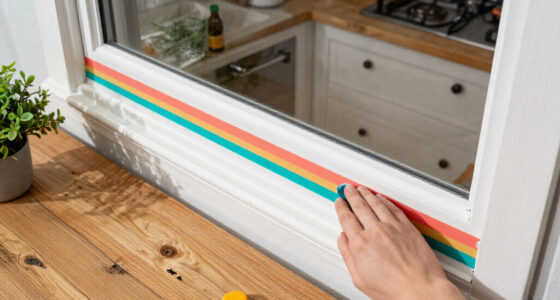
Other priorities include exterior walls, where Cardwell says poorly insulated brick and concrete “act like heat sinks, absorbing heat from inside and radiating it outdoors.” He recommends blown-in insulation for finished walls and spray foam for sealing gaps. For windows and doors, he advises replacing shrunken or brittle rubber seals, checking weatherstripping, and installing foam sweeps under exterior doors.
The remaining items on the list are pipes near exterior walls and in unheated spaces (using foam sleeves, or electric heat cables where temperatures regularly drop below 32 degrees), basement and crawl space rim joists (closed-cell foam, which handles dampness better than open-cell), garage walls shared with the house, HVAC ductwork seams (sealed with mastic and UL-listed foil tape, not ordinary duct tape), and electrical outlets and small penetrations (foam gaskets and caulk).
Why Insulation Matters for Winter Bills
The report’s central argument is financial as much as comfort-related. Winter energy bills routinely rise, and the experts say inadequate insulation and air leaks force HVAC systems to overwork, adding avoidable cost at a time when, as the report notes, prices are rising across the board. Proper insulation also protects water pipes from freezing, a failure mode that can cause extensive damage.
Kazimierski stresses that insulation and air sealing are separate tasks that must both be done: sealing gaps reduces drafts, but only insulation reduces heat transfer through the wood, metal and other materials the house is built from. The guide is effectively a checklist for doing both before freezing weather makes the work harder.
Products Worth Considering

Sonos One (Gen 2) Two-Room Set Voice-Controlled Smart Speaker with Alexa (2-Pack, Black)

Shark Pet Cordless Stick Vacuum IX141

Sonos Era 300 Wireless Smart Speaker with Dolby Atmos, Black
As an affiliate, we earn on qualifying purchases.
The Seasonal Checklist Behind the Report
The guide is part of Family Handyman’s fall home-maintenance coverage, which publishes winterization checklists ahead of the heating season. The report’s advice is sourced from interviews with three contractors: Kazimierski (roofing), Cardwell (HVAC and general contracting) and Purtle (roofing).
On timing, the experts differ slightly. Cardwell says spring is technically the best time to insulate an attic, though fall is when most homeowners act. The report frames fall as the practical deadline because seal checks, weatherstripping and pipe protection must be in place before the first sustained freeze.
“Sealing gaps goes a very long way with improving overall insulation.”
— Andre Kazimierski, HomeHero Roofing
Costs, Savings and Timing Not Specified
The report does not include cost estimates or projected energy savings for any of the ten recommended projects, so homeowners cannot gauge payback periods from the guide alone. Savings claims are general — insulation prevents “unreasonable” bill spikes — rather than quantified.
The advice also assumes typical construction. The report does not address regional climate differences in detail beyond pipe-freezing guidance, and homeowners with unusual layouts, older homes, or vermiculite insulation (a known asbestos risk in some attics) would need guidance beyond the article. Roof inspections and spray-foam work, the experts note, typically require professionals, but the report does not list pricing or permitting considerations.
Acting Before the First Freeze
Homeowners following the guide would typically start with a roof and attic inspection — using a licensed roofer for older or weathered roofs — then move to wall, window and door sealing, pipe protection in unheated spaces, and ductwork sealing. Cardwell recommends checking rubber seals each fall even if they are not replaced annually.
For those planning larger projects such as attic insulation upgrades, Cardwell’s guidance suggests scheduling in spring for best conditions, while treating fall as the deadline for air sealing and freeze protection. Roof, spray-foam and electrical work should be handled by qualified professionals, with local code and permit requirements checked before major work begins.
Key Questions
What should homeowners insulate first before winter?
All three experts agreed the attic and roof come first. Purtle notes that because warm air rises, inadequate attic insulation lets significant heat escape through the roof.
Is fall the best time to insulate an attic?
According to Cardwell, spring is actually the best time to insulate an attic. Fall is the practical deadline for air sealing and freeze protection, but full attic insulation projects can be planned for spring.
Do all water pipes need to be insulated?
No. The guide says pipes near exterior walls and in unheated spaces — attics, basements and crawl spaces — are the priority for freeze protection. Hot water pipes also benefit from insulation to reduce heat loss.
Can I seal HVAC ducts with regular duct tape?
No. Cardwell says ordinary duct tape dries out and fails on HVAC ducts. He recommends mastic sealant and UL-listed foil tape instead, applied to leaking joints and seams, most commonly on exposed ducts in attics, crawl spaces and basements.
Which garage walls need insulation?
A garage does not generally need full insulation, but any wall shared with the house does. Cardwell recommends moisture-resistant options such as closed-cell spray foam or rigid foam board, since garages tend to be damp in winter.
Source: rss