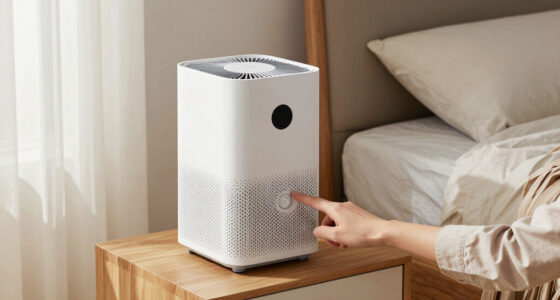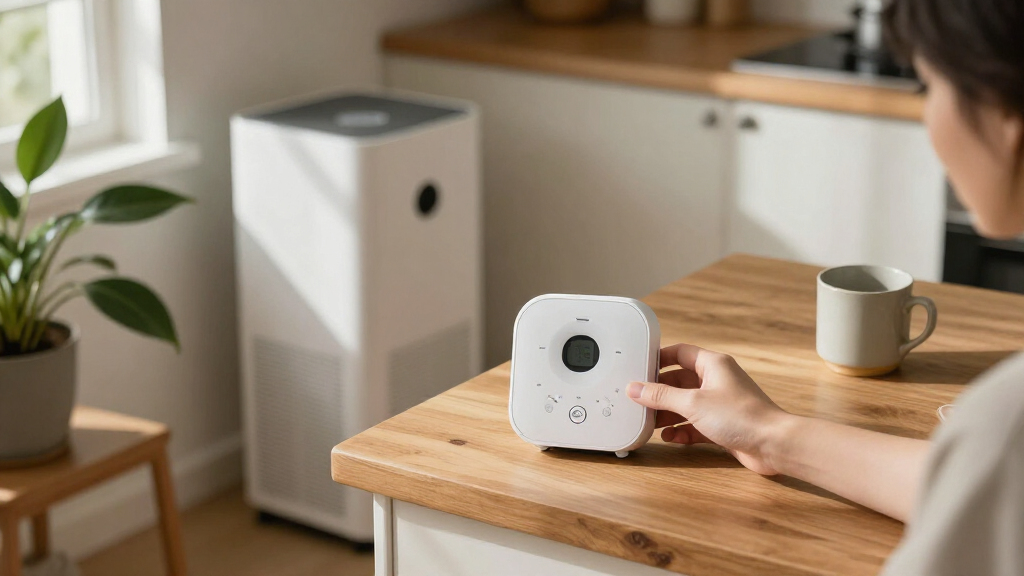
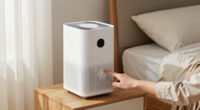
Choosing the right smart indoor air quality monitors requires balancing sensor precision, connectivity options, and ease of interpretation. The BREATHE Airmonitor Plus Gen 2 stands out as the Best Overall pick for its exceptional accuracy in detecting particulate matter and VOCs, paired with a sleek design that fits modern interiors. For those prioritizing specific hazards like radon, the Airthings Wave Plus offers specialized monitoring that generalist devices often miss. Meanwhile, the Amazon Smart Air Quality Monitor remains the go-to for Best Value due to its seamless integration with Alexa and low barrier to entry. Most buyers struggle with knowing which pollutants actually impact their daily health versus those that are merely measurable. Continue reading to see how these fifteen devices stack up in terms of data depth, app usability, and long-term reliability.

Get home appliances delivered free with Prime
- Fast, free delivery on millions of items
- Prime Video, Amazon Music and more included
- Member-only deals all year
Complete the kit


Key Takeaways
- Specialized radon detection is rare among generalist monitors, making the Airthings lineup distinct for health-focused buyers in affected regions.
- Budget-friendly options like the Amazon Smart Air Quality Monitor often sacrifice VOC and CO2 sensitivity for basic PM2.5 and humidity tracking.
- App ecosystem lock-in is a significant differentiator; devices tied to Alexa or HomeKit offer better automation than standalone Bluetooth monitors.
- Display size and readability vary wildly, with larger screens like the Lecoolife 16-in-1 serving multiple roommates better than compact Bluetooth beacons.
- Battery life is the primary pain point for wireless models, with Wi-Fi monitors requiring frequent charging compared to battery-efficient Bluetooth units.
| BREATHE Airmonitor Plus Gen 2 Indoor Air Quality Monitor |  | Best Overall for Broad Air Tracking | Measurements: CO₂, PM1, PM2.5, PM10, TVOC, formaldehyde (HCHO), temperature, humidity | CO₂ sensor: NDIR | Connectivity: 2.4 GHz Wi-Fi | VIEW LATEST PRICE | See Our Full Breakdown |
| Lecoolife 16-in-1 Indoor Air Quality Monitor with 7-Inch Display |  | Best for At-a-Glance Readings | Display: 7-inch | Measurements: CO₂, PM1.0, PM2.5, PM10, HCHO, TVOC, temperature, humidity, AQI, and more | CO₂ sensor: NDIR | VIEW LATEST PRICE | See Our Full Breakdown |
| Amazon Smart Air Quality Monitor, 2-Pack |  | Best for Alexa-Based Homes | Sensors: PM2.5, VOCs, carbon monoxide, humidity, temperature | Connectivity: Alexa app and compatible Echo devices | Alerts: Phone notifications and Echo announcements | VIEW LATEST PRICE | See Our Full Breakdown |
| AprilAire ZAWTHCPV Smart Wi-Fi Indoor Air Quality Monitor |  | Best for AprilAire System Owners | Measurements: CO₂, VOCs, PM2.5, humidity, temperature | Connectivity: Wi-Fi | App: AprilAire Healthy Air | VIEW LATEST PRICE | See Our Full Breakdown |
| Temtop S1+ Smart Air Quality Monitor with Thermometer and Hygrometer |  | Best Compact Battery-Powered Pick | Measurements: PM2.5, AQI, temperature, humidity | Connectivity: Bluetooth and app | Battery: Built-in rechargeable; up to 60 days | VIEW LATEST PRICE | See Our Full Breakdown |
| GoveeLife Smart Air Quality Monitor H5106 with LED Display |  | Best for Fast PM2.5 Updates | Model: H5106 | Measurements: PM2.5, temperature, humidity | PM2.5 accuracy: ±15 µg/m³ from 0 to 100 µg/m³; ±15% from 100 to 1000 µg/m³ | VIEW LATEST PRICE | See Our Full Breakdown |
| Amazon Smart Air Quality Monitor | | Best for Alexa Households | Sensors: PM2.5, VOCs, carbon monoxide, humidity, temperature | Connectivity: 2.4 GHz Wi-Fi and Bluetooth LE 4.2 | Dimensions: 65 × 65 × 45 mm | VIEW LATEST PRICE | See Our Full Breakdown |
| Airthings Wave Plus Radon and Air Quality Monitor |  | Best for Radon Monitoring | Model: 2930 | Sensors: Radon, CO₂, TVOCs, humidity, temperature, air pressure | Power: 2 AA batteries | VIEW LATEST PRICE | See Our Full Breakdown |
| Airthings Wave Enhance Indoor Air Quality Monitor with CO₂, VOC, Humidity, Temperature, Pressure, Noise, and Light Sensors |  | Best for Room-Condition Tracking | Model: 322 Wave Enhance | Sensors: CO₂, VOCs, humidity, temperature, air pressure, noise, light | Connectivity: Bluetooth | VIEW LATEST PRICE | See Our Full Breakdown |
| SONOFF SAWF-07P Smart Indoor Air Quality Monitor with PM2.5, PM10, Temperature and Humidity Sensors |  | Best for Matter-Compatible PM Monitoring | Model: SAWF-07P | Measurements: PM2.5, PM10, temperature, humidity | PM2.5 accuracy: ±10 μg/m³ from 0–100 μg/m³; ±10% from 100–500 μg/m³ | VIEW LATEST PRICE | See Our Full Breakdown |
| 2-Pack Portable Indoor Air Quality Monitor with LCD Display |  | Best for Basic Two-Room Coverage | Pack quantity: 2 | Measurements: Temperature, humidity, and air quality | Display: HD LCD | VIEW LATEST PRICE | See Our Full Breakdown |
| Airthings View Plus Battery-Powered Radon and Air Quality Monitor |  | Best for Broad Pollutant Coverage | Model: 2960 | Sensors: Radon, PM2.5, CO₂, VOCs, humidity, temperature, and air pressure | Connectivity: Wi-Fi | VIEW LATEST PRICE | See Our Full Breakdown |
| GoveeLife Smart Air Quality Monitor H5140 with CO₂ Detector and Alarm |  | Best for CO₂ Alerts and Data Export | Model: H5140 | Measurements: CO₂, temperature, and humidity | CO₂ sensor: SCD4x photoacoustic NDIR | VIEW LATEST PRICE | See Our Full Breakdown |
| SONOFF AirGuard CO2 Smart Indoor Air Quality Monitor | 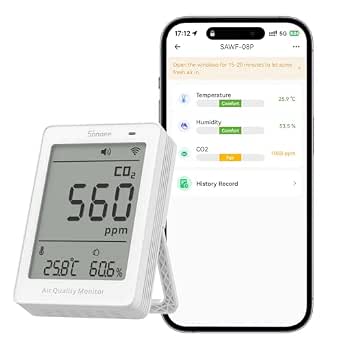 | Best for Matter-Compatible Smart Homes | Model: SAWF-08P | Measurements: CO₂, temperature, and humidity | CO₂ measuring range: 400–5000 ppm | VIEW LATEST PRICE | See Our Full Breakdown |
| Temtop C1+ Indoor CO2 Monitor with BLE App |  | Best Battery-Powered CO₂ Monitor | Sensor: Sensirion CO₂ sensor | Measurements: CO₂, temperature, and humidity | Display: 3.3-inch LCD | VIEW LATEST PRICE | See Our Full Breakdown |
| smart indoor air quality monitor | Connectivity | Measurements | Model |
|---|---|---|---|
| BREATHE Airmonitor Plus Gen 2 | 2.4 GHz Wi-Fi | CO₂, PM1, PM2.5, PM10, TVOC, formaldehyde (HCHO), temperature, humidity | BTL40001 |
| Lecoolife 16-in-1 Indoor Air Q | — | CO₂, PM1.0, PM2.5, PM10, HCHO, TVOC, temperature, humidity, AQI, and more | — |
| Amazon Smart Air Quality Monit | Alexa app and compatible Echo devices | — | — |
| AprilAire ZAWTHCPV Smart Wi-Fi | Wi-Fi | CO₂, VOCs, PM2.5, humidity, temperature | — |
| Temtop S1+ Smart Air Quality M | Bluetooth and app | PM2.5, AQI, temperature, humidity | JP-S1+ |
| GoveeLife Smart Air Quality Mo | Bluetooth and 2.4 GHz Wi-Fi | PM2.5, temperature, humidity | H5106 |
| Amazon Smart Air Quality Monit | 2.4 GHz Wi-Fi and Bluetooth LE 4.2 | — | — |
| Airthings Wave Plus Radon and | Bluetooth | — | 2930 |
| Airthings Wave Enhance Indoor | Bluetooth | — | 322 Wave Enhance |
| SONOFF SAWF-07P Smart Indoor A | — | PM2.5, PM10, temperature, humidity | SAWF-07P |
| 2-Pack Portable Indoor Air Qua | — | Temperature, humidity, and air quality | — |
| Airthings View Plus Battery-Po | Wi-Fi | — | 2960 |
| GoveeLife Smart Air Quality Mo | — | CO₂, temperature, and humidity | H5140 |
| SONOFF AirGuard CO2 Smart Indo | 2.4 GHz Wi-Fi; Matter compatible | CO₂, temperature, and humidity | SAWF-08P |
| Temtop C1+ Indoor CO2 Monitor | BLE | CO₂, temperature, and humidity | — |
More Details on Our Top Picks
BREATHE Airmonitor Plus Gen 2 Indoor Air Quality Monitor
I’d put the BREATHE Airmonitor Plus Gen 2 first for shoppers who want a wide view of indoor air rather than a monitor focused on one or two readings. It tracks eight measures, including CO₂, four particle sizes, TVOC, formaldehyde, temperature, and humidity. Its NDIR CO₂ sensor and app’s custom alerts, trend graphs, 90-day history, and CSV export make it easier to spot patterns and keep a record than the display-led Lecoolife 16-in-1. USB-C power is suited to a fixed room, while up to six hours unplugged allows brief repositioning. The tradeoff is that it needs 2.4 GHz Wi-Fi for connected features and offers only limited battery runtime. It measures CO₂, not carbon monoxide, smoke, or gas leaks, so it cannot replace safety alarms.
Pros:- Tracks eight air and environmental measures, including PM1, PM2.5, PM10, and formaldehyde
- NDIR sensor directly measures CO₂
- App supports custom alerts, trend graphs, 90-day history, and CSV export
- USB-C power plus up to six hours of unplugged operation
Cons:- Connected features require 2.4 GHz Wi-Fi
- Battery operation lasts up to six hours, limiting cordless placement
- Does not detect carbon monoxide, smoke, or gas leaks
Best for: Households that want detailed tracking of particles, gases, CO₂, and room conditions with app history they can review or export
Not ideal for: Buyers who need long-term cordless monitoring, a 5 GHz-only Wi-Fi connection, or a replacement for smoke and carbon monoxide alarms
- Measurements:CO₂, PM1, PM2.5, PM10, TVOC, formaldehyde (HCHO), temperature, humidity
- CO₂ sensor:NDIR
- Connectivity:2.4 GHz Wi-Fi
- App features:Remote readings, custom CO₂ and PM2.5 alerts, trend graphs, 90-day history, CSV export
- Power:USB-C or battery; up to 6 hours unplugged
- Use:Indoor
- Warranty:2 years
- Model:BTL40001
Our verdict“Choose the BREATHE if you want broad sensor coverage and useful app history, and can keep it near power and 2.4 GHz Wi-Fi.”
Lecoolife 16-in-1 Indoor Air Quality Monitor with 7-Inch Display
The Lecoolife 16-in-1 is the clearest choice here for someone who wants readings visible on the device without opening an app. Its 7-inch display puts a broad set of measurements—including CO₂, particulate matter, HCHO, TVOC, temperature, humidity, and AQI—within easy view, while a configurable buzzer can warn when readings pass set levels. Compared with the BREATHE Airmonitor Plus Gen 2, Lecoolife emphasizes a large on-device display and calibration support rather than documented app history and CSV export. That makes it easier to check from across a room, but less suited to buyers who want to analyze long-term trends. Calibration may be needed, and the product warns that perfumes or strong odors can affect sensor readings, so placement and upkeep matter.
Pros:- Large 7-inch display makes readings easy to see at a glance
- Tracks CO₂, multiple particle sizes, HCHO, TVOC, temperature, humidity, and AQI
- Configurable buzzer includes a mute function
- Calibration support and adjustable brightness are included
Cons:- Perfumes and strong odors may affect sensor readings
- Readings may require calibration
- The supplied details do not specify app-based history or data export
Best for: People who want a large, always-visible indoor air display and audible threshold alerts in a shared room
Not ideal for: Buyers who need documented app-based history, data export, or a monitor that can be placed near scented products without concern
- Display:7-inch
- Measurements:CO₂, PM1.0, PM2.5, PM10, HCHO, TVOC, temperature, humidity, AQI, and more
- CO₂ sensor:NDIR
- Alerts:Buzzer with mute function
- Settings:12/24-hour time; °F/°C temperature
- Calibration:Calibration support included
- Package dimensions:7.91 x 5.71 x 2.91 inches
- Item weight:1.47 pounds
Our verdict“Pick the Lecoolife if a large local display and audible alerts matter more to you than app-based trend tracking.”
Amazon Smart Air Quality Monitor, 2-Pack
I’d choose the Amazon Smart Air Quality Monitor 2-Pack for a home already organized around Alexa, especially if monitoring two rooms is more useful than getting a long list of sensor types in one spot. It tracks PM2.5, VOCs, carbon monoxide, humidity, and temperature, then reports an air quality score in the Alexa app and can send alerts or trigger compatible devices through Routines. That automation sets it apart from the Temtop S1+, which adds portability and a long-lasting rechargeable battery but does not offer Alexa Routines. The Amazon monitors plug in, so placement depends on an outlet, and setup and detailed readings require the Alexa app. Buyers seeking formaldehyde readings or extensive history and export tools should compare it with the BREATHE Airmonitor Plus Gen 2 instead.
Pros:- Two monitors allow coverage of separate rooms
- Tracks PM2.5, VOCs, carbon monoxide, humidity, and temperature
- Color-coded feedback and an Alexa app air quality score offer quick status checks
- Alerts and Routines can connect readings to compatible Alexa devices
Cons:- Setup and detailed information require the Alexa app
- Routines and climate-control automation depend on compatible Alexa devices
- Plug-in power limits placement where outlets are unavailable
Best for: Alexa households that want to monitor two rooms and use air-quality alerts to trigger compatible devices
Not ideal for: People who avoid Alexa, need portable battery operation, or want formaldehyde readings and broad app data tools
- Sensors:PM2.5, VOCs, carbon monoxide, humidity, temperature
- Connectivity:Alexa app and compatible Echo devices
- Alerts:Phone notifications and Echo announcements
- Automation:Alexa Routines for compatible devices
- Setup:Plug in and connect through the Alexa app
- Pack size:2-pack
- Feedback:Color-coded LED and Alexa app air quality score
Our verdict“Choose this two-pack if you use Alexa and want room-to-room monitoring with compatible device automation.”
AprilAire ZAWTHCPV Smart Wi-Fi Indoor Air Quality Monitor
The AprilAire ZAWTHCPV makes the most sense when you already use, or plan to build around, compatible AprilAire equipment. It tracks CO₂, VOCs, PM2.5, humidity, and temperature, while the Healthy Air app adds real-time trends, alerts, explanations, and guidance. Compared with the BREATHE Airmonitor Plus Gen 2, it covers fewer listed measures and does not specify CSV export or 90-day history; its strength is a direct fit with the AprilAire ecosystem and a three-year warranty. Color-coded indicators and three light settings help it suit different rooms without requiring the display to stay illuminated. The main limitation is ecosystem dependence: Healthy Air Mode requires a separately sold compatible thermostat and AprilAire system. Buyers without that equipment may get more value from a standalone monitor.
Pros:- Monitors CO₂, VOCs, PM2.5, humidity, and temperature
- App provides real-time trends, alerts, explanations, and guidance
- Color-coded status indicator has default, always-on, and always-off settings
- Three-year warranty
Cons:- Requires the AprilAire Healthy Air app
- Healthy Air Mode requires separately sold compatible AprilAire equipment
- Lists fewer measurements and less historical data detail than the BREATHE Airmonitor Plus Gen 2
Best for: Homeowners with compatible AprilAire equipment who want air readings and guidance alongside their existing system
Not ideal for: Shoppers seeking a fully featured standalone monitor or anyone who expects Healthy Air Mode without separately sold compatible equipment
- Measurements:CO₂, VOCs, PM2.5, humidity, temperature
- Connectivity:Wi-Fi
- App:AprilAire Healthy Air
- Status indicator:Color-coded
- Light options:Default, always on, always off
- Warranty:3 years
- Thermostat compatibility:AprilAire S86WMUPR or 8920W for Healthy Air Mode
- Included items:Healthy Air Monitor and power supply
Our verdict“Choose the AprilAire if you want air monitoring integrated with compatible AprilAire equipment, not as a standalone data-heavy alternative.”
Temtop S1+ Smart Air Quality Monitor with Thermometer and Hygrometer
For moving a monitor between a bedroom, nursery, and office, the Temtop S1+ is the most portable fit in this group. Its compact body tracks PM2.5, AQI, temperature, and humidity, with a built-in rechargeable battery rated for up to 60 days—far longer unplugged operation than the BREATHE Airmonitor Plus Gen 2’s six hours. A display, color indicators, audible alerts, and Bluetooth app notifications provide several ways to check particle levels. The tradeoff is narrower coverage: it does not list CO₂, VOC, or formaldehyde sensing, so it cannot provide the broad air profile offered by BREATHE or Lecoolife. Bluetooth also limits remote monitoring compared with Wi-Fi-connected options. I’d favor it for portable particle checks, not as an all-in-one monitor for gases and ventilation.
Pros:- Rechargeable battery is rated for up to 60 days
- Compact design supports use in bedrooms, nurseries, and offices
- Display, color indicators, and audible alerts provide local feedback
- Bluetooth app offers notifications and OTA updates
Cons:- Measures PM2.5, AQI, temperature, and humidity but not CO₂, VOCs, or formaldehyde
- App connectivity depends on Bluetooth rather than Wi-Fi
- The listed specifications do not state the PM2.5 measurement range
Best for: People who want to move a compact monitor between rooms and track PM2.5 without keeping it plugged in
Not ideal for: Buyers who need CO₂, VOC, or formaldehyde readings, or remote access beyond Bluetooth range
- Measurements:PM2.5, AQI, temperature, humidity
- Connectivity:Bluetooth and app
- Battery:Built-in rechargeable; up to 60 days
- Operating humidity:10–90%
- Upper temperature range:55 °C
- Temperature accuracy:±0.5 °C
- Model:JP-S1+
- Included components:Air quality monitor, user manual
Our verdict“Choose the Temtop S1+ if portability and long battery life matter more than tracking CO₂ and other gases.”
GoveeLife Smart Air Quality Monitor H5106 with LED Display
The H5106 makes the most sense for buyers who want quick, visible PM2.5 readings alongside temperature and humidity, without needing to open an app for every check. Its display refreshes every two seconds and offers bright and night modes, while Wi-Fi and Bluetooth add graphs and data export. Compared with the Amazon Smart Air Quality Monitor, it focuses on particulate matter rather than also tracking VOCs and carbon monoxide; the Amazon model is a better fit for Alexa households that want a broader set of measurements. The H5106 can also work with compatible GoveeLife appliances, which adds a useful automation path. Its main tradeoffs are a constant Type-C power connection and stated PM2.5 accuracy limits, especially at higher readings. The time display also depends on 2.4 GHz Wi-Fi.
Pros:- Measures PM2.5, temperature, and humidity in one unit.
- Refreshes readings every two seconds.
- Display offers four air-quality levels and bright and night modes.
- Can connect with compatible GoveeLife appliances for automatic operation.
Cons:- Needs continuous Type-C power and has no built-in battery.
- PM2.5 accuracy is specified as ±15 µg/m³ at lower readings and ±15% at higher readings.
- Displaying the time requires 2.4 GHz Wi-Fi.
Best for: People who want an at-a-glance PM2.5 display and already use compatible GoveeLife appliances.
Not ideal for: Buyers needing a portable monitor, or those who want VOC and carbon monoxide readings from the same device.
- Model:H5106
- Measurements:PM2.5, temperature, humidity
- PM2.5 accuracy:±15 µg/m³ from 0 to 100 µg/m³; ±15% from 100 to 1000 µg/m³
- Temperature and humidity accuracy:±0.54°F; ±3% RH
- Response time:2 seconds
- Connectivity:Bluetooth and 2.4 GHz Wi-Fi
- Power:Type-C cable; no built-in battery
- Data access:Online graphs for 13 days; export data from the past 2 years
Our verdict“Choose the H5106 for fast, easy-to-read PM2.5 monitoring and GoveeLife automation, but skip it if you need battery operation or broader pollutant coverage.”
Amazon Smart Air Quality Monitor
For an Alexa-centered home, this monitor’s strength is connecting air readings to household routines. It tracks PM2.5, VOCs, carbon monoxide, humidity, and temperature, then presents status through a color LED, the Alexa app, and alerts. Compatible routines can respond when air quality changes, giving it a more direct smart-home role than the GoveeLife H5106, which emphasizes a dedicated display and PM2.5 updates. The Amazon model also covers more pollutant types than the GoveeLife, but its app-based information and automation depend on the Alexa ecosystem. That makes it a less flexible choice for homes built around other platforms or for anyone who wants detailed readings without Alexa. It is an indoor-only, powered monitor, so it is better suited to a fixed spot than to moving between rooms.
Pros:- Tracks PM2.5, VOCs, carbon monoxide, humidity, and temperature.
- Color LED provides a quick visual status check.
- Can send alerts and trigger compatible Alexa routines.
- Includes a power adapter and Micro-USB cable.
Cons:- App-based readings and routines require the Alexa app or a compatible Echo setup.
- Designed for indoor use only.
- Does not provide the dedicated numerical display offered by the GoveeLife H5106.
Best for: Alexa users who want air-quality alerts and routines that can control compatible devices.
Not ideal for: Households using another smart-home platform, or buyers who want a screen with detailed readings outside the Alexa app.
- Sensors:PM2.5, VOCs, carbon monoxide, humidity, temperature
- Connectivity:2.4 GHz Wi-Fi and Bluetooth LE 4.2
- Dimensions:65 × 65 × 45 mm
- Weight:120 g without cable or adapter
- Power:5 W; 100–240 V AC input, 5.0 V 1 A output
- Compatibility:Echo devices and Alexa app version 2021.16 or later
- Operating conditions:0–40 °C; 0–80% humidity; indoor use only
- Included:Monitor, Micro-USB cable, power adapter, Quick Start Guide
Our verdict“Pick this monitor if Alexa routines are central to your home; choose the GoveeLife H5106 instead if a dedicated display and quick PM2.5 checks matter more.”
Airthings Wave Plus Radon and Air Quality Monitor
The Wave Plus stands apart by measuring radon alongside everyday air indicators, making it the most targeted choice here for buyers concerned about this indoor gas. It also tracks CO₂, TVOCs, humidity, temperature, and air pressure, with color-coded results on the device and deeper analysis in the Airthings app. Unlike the plugged-in GoveeLife H5106, it runs on two AA batteries, so placement is not tied to an outlet. The tradeoff is that app access uses Bluetooth, not Wi-Fi, and readings need a seven-day sensor settling period before they are ready for interpretation. Buyers who mainly want visible PM2.5 readings may find the H5106 a more direct fit; the Wave Plus is for those who put radon coverage first and can wait for setup.
Pros:- Measures radon, CO₂, TVOCs, humidity, temperature, and air pressure.
- Battery-powered design allows placement away from outlets.
- Color-coded results provide a quick visual status.
- Airthings app provides detailed insights and analytics.
Cons:- Sensors require a seven-day settling period.
- App connection relies on Bluetooth rather than Wi-Fi.
- Does not list PM2.5 among its measurements, unlike the GoveeLife H5106.
Best for: Homeowners who want radon readings together with CO₂ and other indoor air measurements, without a power cable.
Not ideal for: People seeking PM2.5 monitoring, immediate readings after setup, or remote Wi-Fi access to their data.
- Model:2930
- Sensors:Radon, CO₂, TVOCs, humidity, temperature, air pressure
- Power:2 AA batteries
- Battery life:Up to 16 months
- Connectivity:Bluetooth
- App compatibility:iOS and Android
- Sensor settling period:7 days
- Included:2 AA batteries and Quick Start Guide
Our verdict“Choose the Wave Plus if radon monitoring and flexible battery-powered placement are your priorities, and allow a week for sensor settling.”
Airthings Wave Enhance Indoor Air Quality Monitor with CO₂, VOC, Humidity, Temperature, Pressure, Noise, and Light Sensors
Where the Wave Plus prioritizes radon, the Wave Enhance takes a broader view of room conditions that can affect comfort. Alongside CO₂, VOCs, humidity, temperature, and air pressure, it tracks noise and light—useful context for bedrooms, home offices, or shared spaces. A touch on the device gives a color-coded indicator, while the Airthings app supplies readings, notifications, and trend analysis. Like the Wave Plus, it is battery-powered and uses Bluetooth; unlike that model, it does not list radon among its sensors. It also differs from the Amazon Smart Air Quality Monitor by covering noise and light, though the Amazon includes PM2.5 and carbon monoxide. This is a good match for buyers who want environmental trends, but less suited to anyone expecting a full data view on the device itself.
Pros:- Tracks seven measurements, including noise and light.
- Battery-powered for placement without a nearby outlet.
- App offers current readings, notifications, and trend analysis.
- Touch sensor gives a color-coded air-quality indication.
Cons:- Complete readings and analysis require the Airthings app.
- Bluetooth is the stated connection method, rather than Wi-Fi.
- Uses AA batteries that need replacement.
Best for: People monitoring a bedroom or home office who want CO₂ and air readings alongside noise and light trends.
Not ideal for: Buyers who need radon, PM2.5, or carbon monoxide measurements, or who want detailed readings without an app.
- Model:322 Wave Enhance
- Sensors:CO₂, VOCs, humidity, temperature, air pressure, noise, light
- Connectivity:Bluetooth
- Power:2 AA batteries
- App features:Readings, notifications, and trend analysis
- On-device indicator:Touch-activated color-coded indicator
- Included items:Monitor, 2 AA batteries, Quick Start Guide
Our verdict“Choose the Wave Enhance for app-based tracking of air, noise, and light in a room; choose the Wave Plus if radon is a priority.”
SONOFF SAWF-07P Smart Indoor Air Quality Monitor with PM2.5, PM10, Temperature and Humidity Sensors
The SAWF-07P is the strongest fit for buyers who want PM2.5 and PM10 readings on a large screen and plan to connect the monitor to a wider smart-home system. It updates every two seconds, offers sound, LED, and app alerts, and supports Matter along with Apple Home, Alexa, Google Home, SmartThings, and Home Assistant. That gives it broader platform reach than the Amazon Smart Air Quality Monitor, whose routines depend on Alexa. Compared with the GoveeLife H5106, the SONOFF adds PM10 and a longer stated history in its app, while retaining a powered, at-a-glance display approach. It does not measure VOCs or carbon monoxide, though, and continuous power limits placement. Its temperature and humidity accuracy specifications also make it more of a practical room monitor than a precision instrument.
Pros:- Displays PM2.5, PM10, temperature, and humidity together.
- Supports Matter and several major smart-home platforms.
- Provides sound, multicolor LED, and app alerts.
- Offers 12 months of historical data with chart viewing and export.
Cons:- Requires continuous power for data updates.
- Does not measure VOCs, carbon monoxide, or CO₂.
- Temperature accuracy is specified as ±1°F and humidity accuracy as ±3% RH.
Best for: Smart-home users who want visible PM2.5 and PM10 readings with Matter-based alerts and long-term data.
Not ideal for: Buyers needing battery-powered placement or measurements of VOCs, carbon monoxide, or CO₂.
- Model:SAWF-07P
- Measurements:PM2.5, PM10, temperature, humidity
- PM2.5 accuracy:±10 μg/m³ from 0–100 μg/m³; ±10% from 100–500 μg/m³
- Temperature and humidity accuracy:±1°F (±0.5°C); ±3% RH
- Response time:2 seconds
- Display:3.73-inch screen
- Connectivity and compatibility:2.4 GHz Wi-Fi; Matter, Apple Home, Amazon Alexa, Google Home, SmartThings, Home Assistant
- Historical data:12 months in the eWeLink app, with chart viewing and export
- Dimensions and weight:2.36 × 4.72 × 5.51 inches; 0.22 kg
Our verdict“Pick the SAWF-07P for a large PM2.5/PM10 display and broad smart-home integration, but choose a different monitor if you need gas measurements or battery operation.”
2-Pack Portable Indoor Air Quality Monitor with LCD Display
This pair makes the most sense for someone who wants simple readings in two rooms without managing an app or setting up a smart-home connection. Each unit shows temperature, humidity, and a general air-quality reading on a large LCD, while the rechargeable battery can keep it running through a power interruption. Compared with the Airthings View Plus, it is far less informative: the listing does not identify which pollutants its air-quality reading represents, and it lacks the View Plus’s detailed measurements and app-based trends. Its advantage is straightforward setup and two monitors in the package, which can make basic room-to-room checks easier. I would skip it if pollutant-specific data or app alerts are part of the goal; normal operation also depends on a wall outlet.
Pros:- Two monitors support basic checks in separate rooms
- Large HD LCD digits are easy to read at a glance
- Rechargeable battery provides backup power
- Plug-and-play setup supports 110V–220V
Cons:- The air-quality indicators are not identified in the product description
- Requires a wall socket for normal operation
- No app, alerts, or historical data are specified
Best for: Households that want a straightforward temperature, humidity, and general air-quality display in two rooms, without app setup
Not ideal for: Buyers who need named pollutant measurements, historical trends, or smart-home alerts, since the measured air-quality indicators are unspecified
- Pack quantity:2
- Measurements:Temperature, humidity, and air quality
- Display:HD LCD
- Battery:Rechargeable lithium battery
- Voltage:110V–220V
- Package dimensions:4.7 × 2.3 × 2.2 inches
Our verdict“Choose this pair for simple two-room readings, but pick the Airthings View Plus if you need specific pollutant data and app-based tracking.”
Airthings View Plus Battery-Powered Radon and Air Quality Monitor
The View Plus earns its place for buyers who want more than a CO₂-focused monitor: it tracks radon, PM2.5, CO₂, VOCs, humidity, temperature, and air pressure. That breadth makes it a stronger choice for investigating several indoor-air concerns than the GoveeLife H5140, which focuses on CO₂, temperature, and humidity. Battery power also gives you more freedom to place it away from an outlet, and its eInk screen shows current readings while the app adds trends and notifications. The tradeoff is a more connected setup: using the device and app requires an account and internet access, and data tracking uses cloud storage. I’d choose it for multi-factor monitoring, but not for someone seeking an offline, minimal setup or just a clear CO₂ warning.
Pros:- Tracks seven measurements, including radon and PM2.5
- Battery power allows cable-free placement
- App provides readings, trends, and notifications
- Can connect with other Airthings monitors for multi-room monitoring
Cons:- Requires the Airthings app, an account, and internet access
- Uses cloud storage for data tracking and analysis
- Broader measurements may be unnecessary for buyers who only want CO₂ monitoring
Best for: Homeowners who want radon and several other air measurements, app trends, and flexible battery-powered placement
Not ideal for: Buyers who want offline monitoring, avoid accounts and cloud data, or only need a basic CO₂ display
- Model:2960
- Sensors:Radon, PM2.5, CO₂, VOCs, humidity, temperature, and air pressure
- Connectivity:Wi-Fi
- Power:Battery-powered
- Display:Customizable eInk screen
- Operating temperature:4 to 40°C (39 to 104°F)
- Radon detection:Passive diffusion chamber sampling with alpha spectrometry
- App requirement:Airthings app, account, and internet access
Our verdict“Pick the View Plus for broad, radon-inclusive monitoring; choose the Temtop C1+ or GoveeLife H5140 for a simpler CO₂-centered setup.”
GoveeLife Smart Air Quality Monitor H5140 with CO₂ Detector and Alarm
For buyers focused on ventilation, the H5140 pairs CO₂ readings with configurable alerts and a useful record of past measurements. Its sensor refreshes every five seconds, and the buzzer, app notifications, and email reports give you several ways to spot rising CO₂ rather than relying only on a glance at the screen. Up to two years of history with CSV export is a stronger data tool than the SONOFF AirGuard CO2, which lists 12 months of history. The GoveeLife also works with Alexa and Google Assistant, though it needs continuous AC power. Its scope is narrower than the Airthings View Plus: it does not list radon, PM2.5, or VOC measurements. Choose it for CO₂-focused monitoring and records, not broad pollutant coverage or battery placement.
Pros:- Measures CO₂, temperature, and humidity
- Offers buzzer, app, and email alerts
- Stores up to two years of historical data with CSV export
- Works with Alexa and Google Assistant
Cons:- Requires continuous AC power via Type-C cable
- Clock function requires an app connection
- Outdoor calibration may be needed
Best for: People who want CO₂ alerts, long-term records, and exportable data to help track ventilation at home or in a workspace
Not ideal for: Buyers who need radon, particulate, or VOC readings, or who need a monitor that can operate without continuous power
- Model:H5140
- Measurements:CO₂, temperature, and humidity
- CO₂ sensor:SCD4x photoacoustic NDIR
- CO₂ accuracy:±(40 ppm + 5%)
- Refresh rate:5 seconds
- Alerts:Built-in buzzer, app notifications, and email reports
- Data history:Up to 2 years
- Connectivity and power:App, Alexa, and Google Assistant; AC power via Type-C cable
Our verdict“Choose the H5140 for configurable CO₂ alerts and exportable history, but choose the Airthings View Plus for wider pollutant coverage.”
SONOFF AirGuard CO2 Smart Indoor Air Quality Monitor
The AirGuard is a good fit when smart-home integration matters as much as the reading itself. It measures CO₂, temperature, and humidity, updates every five seconds, and adds Matter compatibility alongside 2.4 GHz Wi-Fi. That gives it a broader integration angle than the Temtop C1+, whose listed connectivity is BLE. The wall-mounted design, multicolor LED, and customizable app alerts make ongoing CO₂ checks visible without opening an app, while 12 months of history can help reveal patterns. Its focus is still narrow: unlike the Airthings View Plus, it does not list radon, PM2.5, or VOC sensing. It also needs continuous power, so it is better suited to a planned fixed location than a portable, battery-first setup.
Pros:- Matter compatibility supports integration with multiple smart-home platforms
- Shows CO₂, temperature, and humidity together
- Multicolor LED and customizable app notifications provide status cues
- Stores 12 months of history and supports data export
Cons:- Requires continuous power for data updates
- CO₂ accuracy is specified as ±(50 ppm + 5%)
- Does not list radon, PM2.5, or VOC measurements
Best for: Smart-home owners who want a fixed CO₂ monitor with Matter compatibility, visible status cues, and app-based history
Not ideal for: Buyers who need battery-powered portability, broad pollutant sensing, or more than 12 months of listed historical data
- Model:SAWF-08P
- Measurements:CO₂, temperature, and humidity
- CO₂ measuring range:400–5000 ppm
- CO₂ measurement accuracy:±(50 ppm + 5%)
- Sensor type:NDIR
- Response time:5 seconds
- Connectivity:2.4 GHz Wi-Fi; Matter compatible
- Historical data:12 months
- Mounting and dimensions:Wall mount; 2.36 × 3.94 × 5.51 inches
Our verdict“Choose the AirGuard for a fixed, Matter-compatible CO₂ monitor; choose the Airthings View Plus if you need a wider set of pollutant readings.”
Temtop C1+ Indoor CO2 Monitor with BLE App
The Temtop C1+ suits buyers who want portable CO₂ monitoring without keeping the device plugged in. Its 3.3-inch LCD combines CO₂, temperature, and humidity readings, and the color-coded display makes a change in conditions easier to spot without interpreting a long data screen. ECO mode is rated for up to 70 days, a clear advantage over the continuously powered GoveeLife H5140 and SONOFF AirGuard CO2. BLE supports syncing and updates, but this is not the broader remote-monitoring package offered by the Wi-Fi-connected Airthings View Plus. The tradeoff is that the stated battery life applies to ECO mode, and audible warnings may require configuring the optional buzzer. I’d pick it for portable, direct CO₂ checks, not for Matter integration or multi-pollutant tracking.
Pros:- Displays CO₂, temperature, and humidity in real time
- 3.3-inch LCD uses color-coded alerts
- Rated for up to 70 days in ECO mode
- BLE supports data syncing and OTA updates
Cons:- The 70-day battery life applies to ECO mode
- The buzzer is optional and may require configuration
- BLE connectivity is less suited to remote monitoring than Wi-Fi-connected options
Best for: People who want a portable CO₂ monitor with a readable local display and long battery life between charges
Not ideal for: Smart-home owners seeking Matter integration, Wi-Fi notifications, or radon and particulate readings
- Sensor:Sensirion CO₂ sensor
- Measurements:CO₂, temperature, and humidity
- Display:3.3-inch LCD
- Battery capacity:800 mAh lithium battery
- Battery life:Up to 70 days in ECO mode
- Connectivity:BLE
- Alerts:Color-coded display and optional buzzer
- Weight:4.8 ounces
Our verdict“Choose the C1+ for portable CO₂ checks and a long ECO-mode battery life, but pick the SONOFF AirGuard for Matter integration.”
How We Picked
I evaluated these fifteen devices based on three core pillars: sensor breadth, data accessibility, and integration potential. Sensor breadth refers to the specific pollutants measured; not all monitors track carbon dioxide or volatile organic compounds, which are critical for ventilation decisions. I prioritized models that provide actionable data rather than just raw numbers, favoring those with clear app interfaces or intuitive LED indicators. Data accessibility was judged by how easily users can view historical trends, as a single snapshot of air quality is less useful than understanding patterns over time. Integration potential weighed heavily on whether the device connects to existing smart home hubs like Alexa, Google Home, or HomeKit, allowing for automated ventilation triggers. I excluded devices with proprietary apps that lack cloud storage or remote access, ensuring every recommendation offers genuine smart functionality.
Factors to Consider When Choosing Smart Indoor Air Quality Monitors
Selecting an air quality monitor involves more than just picking the brand with the most sensors. You need to match the device’s capabilities to your specific environmental concerns and smart home setup.Understanding Pollutant Types and Sensor Accuracy
Not all air quality issues require the same monitoring approach. If you live near a highway or smoke frequently, PM2.5 sensors are your priority. However, if you have a tightly sealed home with gas appliances, CO2 and VOC sensors become far more relevant for detecting poor ventilation or chemical off-gassing. Many budget monitors measure only PM2.5 and humidity, giving a false sense of security if you are concerned about invisible gases like carbon monoxide or radon. Always check the specific sensor technology; laser-scattering PM sensors are generally more accurate than infrared ones. For radon, you need a dedicated alpha-track or electronic radon sensor, which few generalist devices include. Misidentifying your primary concern leads to buying a device that cannot detect the pollutant actually affecting your health.
Connectivity: Wi-Fi vs. Bluetooth vs. Zigbee
Connectivity dictates how you interact with your data. Wi-Fi monitors offer real-time remote access and cloud history but often drain batteries quickly or require constant power. Bluetooth models are energy-efficient and portable but typically require your phone to be nearby to sync data, limiting real-time alerts. Zigbee or Z-Wave devices integrate seamlessly into existing smart home hubs but may have higher upfront costs and setup complexity. If you want to automate your HVAC system based on air quality, a Wi-Fi or Zigbee connection is non-negotiable. Standalone Bluetooth apps are fine for casual checking but fail as active home management tools. Consider your existing smart home infrastructure before choosing a connectivity protocol.
Data Interpretation and App Usability
Raw data is useless without context. The best monitors translate complex metrics into simple health scores or actionable alerts. Look for apps that explain what the numbers mean rather than just displaying them. Poorly designed apps flood you with data but offer no guidance on whether your air is safe or if you need to open a window. Check if the app stores historical data; identifying a spike in VOCs after cleaning or cooking requires trend analysis, not just current readings. Some devices, like those from Airthings, offer detailed educational content within the app, which is valuable for beginners. Avoid devices with clunky interfaces or those that require manual export to spreadsheets for analysis.
Placement and Portability Considerations
Air quality varies dramatically from room to room. A fixed monitor in the living room tells you nothing about your bedroom’s CO2 levels while you sleep. Portable monitors allow you to spot-check different areas, but they often lack the continuous data logging of fixed units. If you have a multi-story home, you might need multiple units or a hybrid approach with one central hub and several sensors. Consider the physical size and display; a large screen is helpful for quick glances, while a small, screen-less device is better for discreet placement. Ensure the device can be placed away from direct sunlight and HVAC vents for accurate readings, as these factors skew data. Think about where you will actually mount or place the device before buying.
Long-Term Maintenance and Calibration
Air quality sensors degrade over time. Most consumer-grade sensors require periodic calibration or replacement, especially for VOC and CO2 sensors. Check the manufacturer’s guidelines for expected sensor lifespan; some claim five years, while others recommend annual replacement. Devices that require frequent manual calibration can become a nuisance, leading to neglect and inaccurate data. Wi-Fi models often have more complex firmware updates that can sometimes disrupt connectivity. Budget for potential replacement costs if the manufacturer sells separate sensor modules. A device that looks great but requires monthly maintenance is rarely worth the effort for most homeowners. Look for models with self-calibrating features or those that signal when a sensor needs attention.
Frequently Asked Questions
Do I need a monitor with radon detection if I already have a smart home system?
Standard smart home systems rarely detect radon, as it is a radioactive gas that requires specialized alpha-particle sensors. If you live in an area with high radon levels, a general air quality monitor will not detect it, leaving a significant health risk unmonitored. The Airthings View Plus and Wave Plus are notable exceptions that integrate radon tracking with standard air quality metrics. For most users, adding a dedicated radon monitor is advisable if your home is in a known radon-prone zone. Generalist monitors focus on particulate matter and gases like CO2, ignoring radon entirely.
Why do my CO2 readings spike at night and is this a malfunction?
CO2 spikes at night are normal and indicate that your bedroom is accumulating exhaled carbon dioxide due to closed doors and windows. This is not a malfunction; it is a sign that ventilation is insufficient during sleep. Monitors with CO2 sensors are particularly useful for identifying this issue. If readings consistently exceed 1,000 ppm, consider cracking a window or using a ventilation system. The GoveeLife H5140 with its alarm feature can alert you if levels become unhealthy, prompting you to adjust airflow. This data helps you decide if you need mechanical ventilation or simply better habits.
Can smart air quality monitors detect carbon monoxide?
Most smart air quality monitors measure carbon dioxide (CO2), which is a ventilation indicator, not carbon monoxide (CO), which is a deadly poison. They are different gases with different health implications. Very few consumer air quality monitors include a dedicated CO sensor; those that do are often marketed specifically as safety devices rather than general air quality tools. If you need CO detection, you should install dedicated CO alarms that meet safety standards. Do not rely on a general air quality monitor for life-safety CO detection. Use them for comfort and ventilation management, not for detecting lethal gas leaks.
Is it better to buy one expensive monitor or several cheap ones?
This depends on your home layout and monitoring goals. A single high-end monitor like the BREATHE Airmonitor Plus Gen 2 provides deep, accurate data for one room, ideal for a home office or nursery. Several cheap monitors, like the Amazon 2-Pack, offer broader coverage but less granular data and often lack advanced metrics like VOCs. If you have a small apartment, one high-quality unit in the main living area is usually sufficient. For larger homes with distinct HVAC zones, multiple mid-range units provide better spatial awareness. Consider whether depth of data or breadth of coverage is more valuable to your specific situation.
How often should I replace or calibrate my air quality monitor?
Calibration needs vary by sensor type and manufacturer. Many modern monitors use self-calibrating algorithms that adjust based on typical outdoor air patterns, reducing the need for manual intervention. However, VOC and CO2 sensors can drift over time, typically requiring recalibration every 12 to 24 months. Check the app for calibration reminders; devices like the Airthings Wave Plus often notify you when a reset is needed. If you notice readings becoming erratic or stuck, it may be time for a sensor replacement or a new device. Regular maintenance ensures your data remains accurate for making ventilation decisions.
Conclusion
Choosing the right smart indoor air quality monitors comes down to matching the device’s strengths to your specific environmental needs. For most users seeking a balance of design, accuracy, and smart features, the BREATHE Airmonitor Plus Gen 2 is the Best Overall choice. If you are on a tight budget or deeply invested in the Alexa ecosystem, the Amazon Smart Air Quality Monitor offers the Best Value with minimal setup friction. For those concerned about invisible hazards like radon, the Airthings View Plus is the Best Premium option, providing comprehensive health data that generalist devices miss. Beginners or those with simple needs should consider the GoveeLife Smart Air Quality Monitor H5106 for its Best for Beginners interface and clear visual indicators. Finally, if you need to monitor multiple rooms without breaking the bank, the Amazon 2-Pack is the Best for Multi-Room Coverage. Evaluate your primary concerns—whether it’s allergens, ventilation, or radon—and select the monitor that addresses those specific risks.