
To understand smart thermostat specifications, focus on energy efficiency features like Energy Star ratings and advanced algorithms that optimize heating and cooling. Check installation details such as voltage, wiring, and physical size to make certain of compatibility with your existing system. Look for key features like Wi-Fi, voice control, and app integration to match your needs. By paying attention to these details, you’ll be able to pick the right model — keep exploring to learn more.
Key Takeaways
- Review energy efficiency ratings, certifications, and features to assess how well the thermostat conserves energy.
- Check voltage requirements, wiring needs, and physical dimensions for installation compatibility.
- Understand key specifications such as Wi-Fi, voice assistant support, and app control options.
- Analyze temperature range, accuracy, and control capabilities for effective climate management.
- Consider power source details and mounting options to ensure proper integration with your home system.
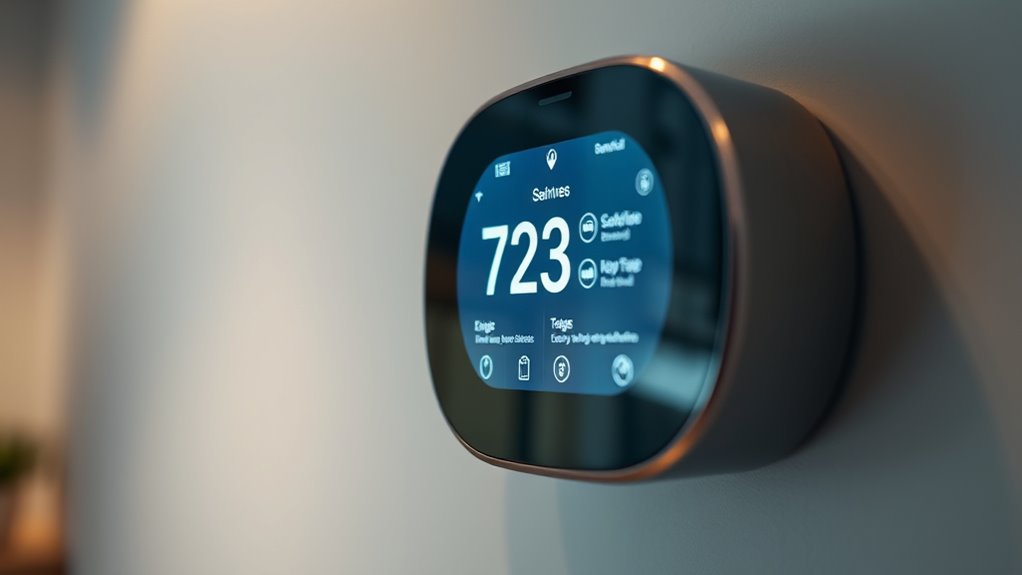
Ever wondered how to make sense of all the numbers and terms on a thermostat’s specifications sheet? Diving into this information might seem overwhelming at first, but understanding key details can help you choose a smart thermostat that fits your home and lifestyle perfectly. One of the most critical aspects to consider is energy efficiency. When you’re comparing models, look for specifications that highlight energy-saving features, such as compatibility with eco-friendly systems or advanced algorithms that optimize heating and cooling cycles. An energy-efficient thermostat doesn’t just lower your utility bills; it also reduces your home’s environmental footprint. Pay attention to the Energy Star rating or similar certifications on the specs sheet, as these indicate the device meets high standards for energy conservation.
Understanding thermostat specs helps you choose energy-efficient, compatible models for your home.
Installation considerations are equally important when reading thermostat specifications. Before making a purchase, you need to ensure the model can be installed easily in your home’s existing setup. Check the compatibility details, such as voltage requirements and wiring connections, to prevent surprises during installation. Some smart thermostats are designed for specific HVAC systems, like heat pumps or multi-stage furnaces, so verifying these details on the specifications sheet saves you time and potential headaches. Additionally, consider the physical dimensions and mounting options listed. If the thermostat is larger or designed for certain wall types, you’ll want to make sure it fits your designated space. Many specs sheets also include information about power sources — whether the device runs on batteries, requires a C-wire, or can operate without one. This detail influences installation ease and ongoing maintenance.
Understanding the specific features listed can also help you evaluate the device’s capabilities and future-proof your home automation setup. Beyond basic technical data, look for features that impact usability and integration. Details such as Wi-Fi connectivity, compatibility with voice assistants, and app controls are usually outlined in the specifications. These features enhance your ability to manage the thermostat remotely, adding convenience and potential energy savings over time. Also, review the temperature range and precision listed in the specs, as this affects how accurately your home climate is maintained. Accurate temperature control contributes to both comfort and efficiency.
Taking the time to decode these specifications helps you select a smart thermostat that not only aligns with your energy-saving goals but also fits seamlessly into your home’s existing infrastructure. By paying close attention to energy efficiency details and installation considerations, you’ll make a more informed choice, ensuring your investment delivers long-term comfort, savings, and environmental benefits.

ecobee Smart Thermostat Essential – Energy Star Certified programmable Wi-Fi Thermostat – Works with Siri, Alexa, and Google Assistant
Save up to 23% every year on heating and cooling costs, adjusts to your set schedule to save…
As an affiliate, we earn on qualifying purchases.
As an affiliate, we earn on qualifying purchases.
Frequently Asked Questions
Can I Upgrade My Existing Thermostat to a Smart Model?
Yes, you can upgrade your existing thermostat to a smart model. First, consult the installation guide to verify compatibility with your current wiring and setup. Check the brand compatibility to make sure the new smart thermostat works with your heating and cooling system. If you’re comfortable with DIY projects, follow the guide step-by-step. Otherwise, consider hiring a professional for a smooth, safe upgrade that enhances your home’s comfort and energy efficiency.
Are Smart Thermostats Compatible With All HVAC Systems?
You can’t judge a book by its cover, so don’t assume all smart thermostats fit your HVAC system. Some models work with most systems thanks to wireless connectivity, but others may require additional wiring or compatibility checks. To boost energy efficiency and ensure smooth operation, double-check your system’s specifications and compatibility before purchasing. This way, you’ll get the most out of your smart thermostat without any surprises.
How Secure Is Data Transmission With Smart Thermostats?
You can feel confident about data transmission security with smart thermostats because they use strong data encryption to protect your information. Manufacturers prioritize user privacy and regularly update security measures to address privacy concerns. However, always stay vigilant by changing default passwords and keeping firmware updated. This way, you guarantee your smart thermostat remains secure, safeguarding your personal data from potential cyber threats.
Do Smart Thermostats Work With Voice Assistants?
Yes, smart thermostats work with voice assistants like Alexa, Google Assistant, and Siri. They feature voice command integration, allowing you to control your climate using simple voice prompts. To guarantee seamless operation, check device compatibility before purchasing. Most modern smart thermostats are compatible with popular voice assistants, making it easy to adjust settings hands-free and streamline your home automation experience.
What’s the Typical Lifespan of a Smart Thermostat?
They say “a stitch in time saves nine,” and that’s true for smart thermostats too. Typically, you can expect a lifespan of around 10 to 15 years with proper energy efficiency maintenance and careful installation tips. To guarantee longevity, keep firmware updated, clean sensors regularly, and avoid harsh environmental conditions. Your smart thermostat will serve you well, saving energy and money for years to come.
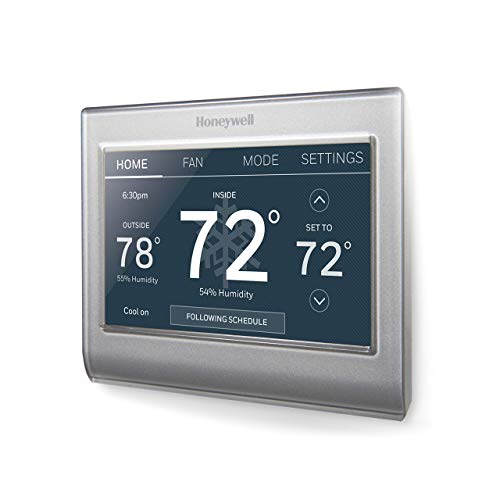
Honeywell Home RTH9585WF1004 Wi-Fi Smart Color Thermostat, 7 Day Programmable, Touch Screen, Energy Star, Alexa Ready, Gray
COMFORT COMES IN YOUR COLOR. Personalize your Wi-Fi Smart Color Programmable Thermostat to fit your décor.
As an affiliate, we earn on qualifying purchases.
As an affiliate, we earn on qualifying purchases.
Conclusion
By understanding how to read smart thermostat specifications, you can confidently navigate the maze of numbers and features. Picture yourself standing in your cozy home, the gentle hum of the thermostat adjusting seamlessly to your lifestyle. With this knowledge, you’re equipped to choose a device that feels like an extension of your comfort, seamlessly blending technology and everyday life. Now, every temperature setting becomes a brushstroke in creating your perfect, inviting sanctuary.

Amazon Smart Thermostat – Save money and energy – Works with Alexa and Ring – C-wire required
An Alexa thermostat – Amazon Smart Thermostat is an easy way to switch from a traditional thermostats for…
As an affiliate, we earn on qualifying purchases.
As an affiliate, we earn on qualifying purchases.

ecobee Power Extender Kit C-Wire Adapter – for ecobee Smart Thermostat Essential – Programmable WiFi Thermostat Accessory
The Power Extender (PEK) is an easy, cost-effective solution for homes without a C or common wire.
As an affiliate, we earn on qualifying purchases.
As an affiliate, we earn on qualifying purchases.