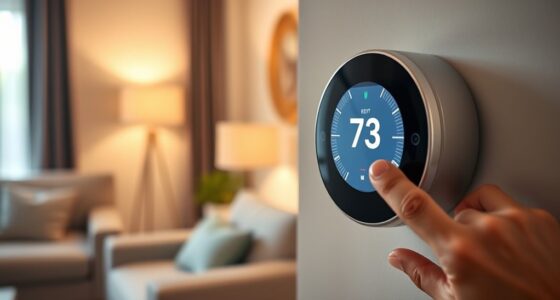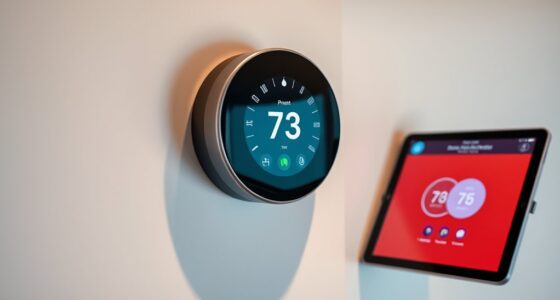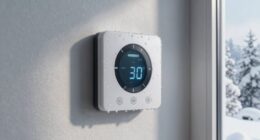
If you have baseboard heaters, standard smart thermostats won’t suffice because they aren’t designed for their unique electrical and control needs. Baseboard systems operate independently and often require special wiring or features like precise temperature sensors and burnout prevention. Using a thermostat built specifically for these systems guarantees better efficiency, comfort, and safety. Keep exploring to discover how choosing the right thermostat can improve your heating control and save you money.
Key Takeaways
- Baseboard heaters operate on specific wiring and control mechanisms requiring compatible smart thermostats for proper functionality.
- Traditional thermostats often can’t accurately measure heat output or control individual units effectively.
- Unique zone control needs for baseboards demand smart thermostats with remote sensors for precise temperature management.
- Compatibility issues can lead to energy inefficiency and system damage if the thermostat isn’t designed for electric baseboards.
- Specialized smart thermostats offer features like burnout prevention and optimized control tailored to baseboard heating systems.
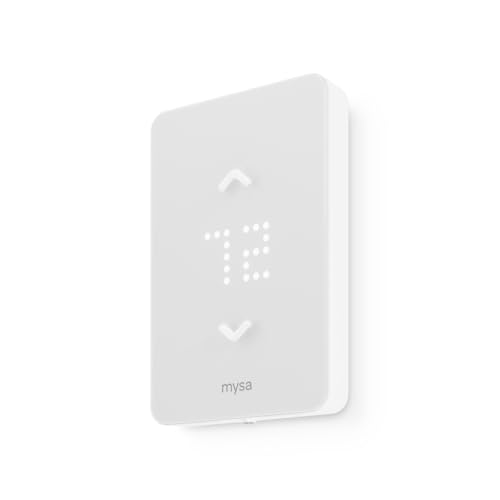
Mysa Smart Thermostat LITE – Line Voltage Electric Baseboard Heater Thermostat 120V/240V | DIY Install | HomeKit, Alexa, Google | Wi-Fi Programmable | App Control
WIFI CONNECTED SMART THERMOSTAT FOR 120V-240V electric baseboard heaters, fan-forced heaters, wall heaters, and convector units.
As an affiliate, we earn on qualifying purchases.
As an affiliate, we earn on qualifying purchases.
Why Traditional Thermostats Don’t Work Well With Baseboard Heaters
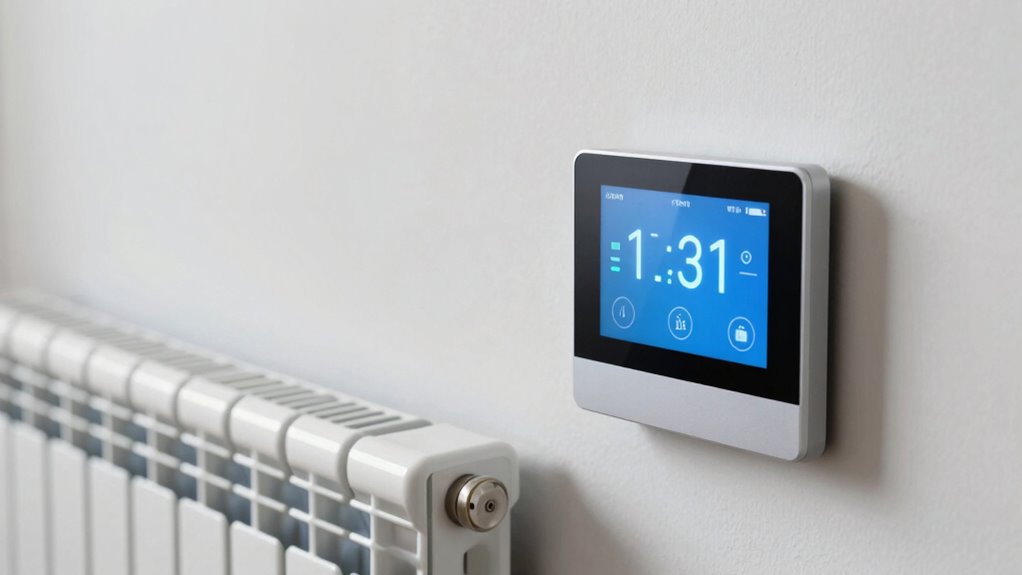
Traditional thermostats often don’t work well with baseboard heaters because they rely on temperature sensors located inside the thermostat, which can’t accurately measure the heat output of the heater itself. As a result, you might experience uneven heating or constant cycling, wasting energy and increasing costs. This setup reduces energy efficiency because the thermostat can’t precisely control the heat, leading to unnecessary energy use. Additionally, it decreases user convenience because you have to adjust the thermostat frequently to maintain comfort. With baseboard heaters, the temperature near the sensor may not reflect the room’s overall warmth, making traditional thermostats less effective. Upgrading to a smarter system helps optimize energy use and provides more consistent comfort, addressing these common issues. Accurate temperature measurement is crucial for maintaining consistent room warmth and energy efficiency, especially considering how sensor placement impacts thermostat performance. Proper placement of sensors is essential for efficient heating control, ensuring the thermostat accurately reflects the room’s overall temperature.

Mysa Smart Thermostat for Electric Baseboard Heaters 240V | Remote Control with 100% Free APP | Easy Install | HomeKit, Alexa, Google Home | Wi-Fi Programmable | Temp. & Humidity Alerts
About this item Before You Buy: Mysa works only with high/line voltage electric heating systems, including 120–240V electric…
As an affiliate, we earn on qualifying purchases.
As an affiliate, we earn on qualifying purchases.
What Makes Baseboard Heating Systems Different
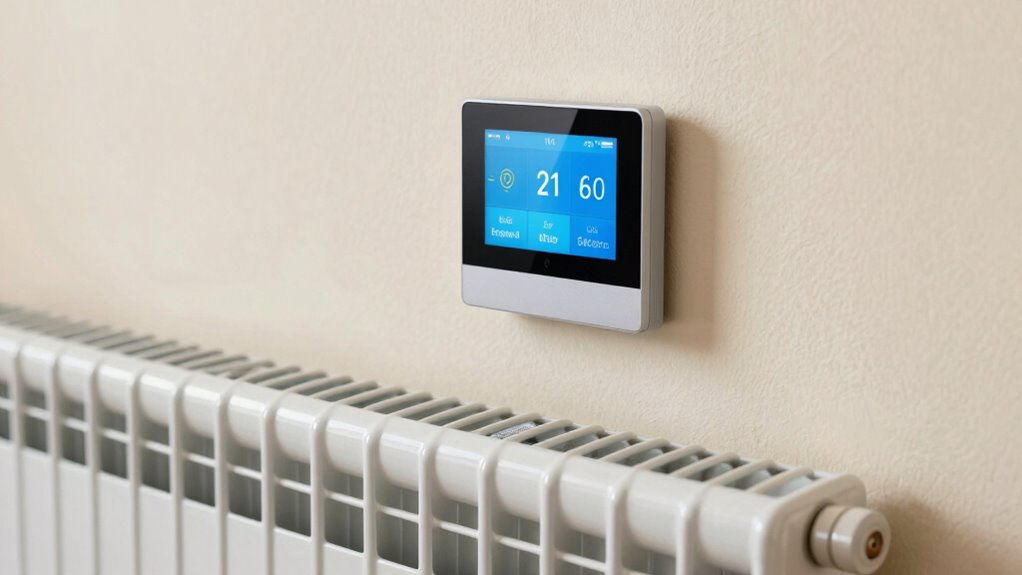
Baseboard heating systems have a unique heating mechanism that differs from central systems, which can affect how they are controlled. You might also encounter challenges with zone control, making it harder to heat specific areas effectively. Additionally, compatibility with standard thermostats isn’t always straightforward, so understanding these differences is key to choosing the right controls.
Unique Heating Mechanism
Unlike many heating systems that rely on forced air or water circulation, baseboard heater thermostats operate through a simple yet effective electrical resistance mechanism. When you set your thermostat, electricity flows directly through the heating element, warming the air in your space. This straightforward process offers notable benefits: enhanced energy efficiency and user convenience. You get quick responses and precise control without complex pipes or ducts. Additionally, this system’s on-device AI capabilities can optimize heating patterns for even greater efficiency. Understanding the contrast ratio can help you appreciate how this system maintains consistent and comfortable temperatures throughout your home. Recognizing the importance of energy efficiency principles can further enhance your understanding of how these systems operate optimally. Moreover, awareness of digital content formats can help you explore innovative ways to monitor and manage your heating system remotely. A deeper understanding of electric resistance can also guide you in optimizing the system’s performance and longevity.
Zone Control Challenges
Have you ever wondered why controlling temperature in different parts of a home with baseboard heaters can be tricky? The main challenge is that each unit heats independently, making it hard to balance comfort and save energy. Standard thermostats often control entire zones, but with baseboard systems, you need remote sensors placed in different rooms to accurately monitor temperature. Without them, some areas can become overheated while others remain cold. This lack of precise zone control hurts energy efficiency and comfort. To improve this, smart thermostats designed for baseboard heating need to support remote sensors, enabling you to tailor heating to each space. Additionally, understanding the heating system’s unique characteristics helps in selecting the right thermostat features. Recognizing the early warning signs for issues can also prevent inefficiencies and costly repairs, ensuring your system operates optimally. Regular maintenance and system diagnostics can help detect potential problems early, saving you money and prolonging the lifespan of your heating system. Being aware of system limitations allows homeowners to better plan upgrades and improvements for more effective heating management. Staying informed about cutting-edge technology can also help you choose smarter solutions that enhance energy savings and comfort. This way, you can better manage energy use and achieve consistent comfort throughout your home.
Compatibility Considerations
Because baseboard heating systems operate differently from other types of heating, they require specific compatibility considerations when choosing thermostats. You need a thermostat designed to handle their unique wiring and control needs. Think about:
- Voltage Compatibility: Ensuring your thermostat matches the system’s voltage for safe operation.
- Control Type: Choosing between line-voltage or low-voltage thermostats to suit your setup.
- Energy Efficiency Features: Picking models that optimize power use without sacrificing comfort.
- Aesthetic Design: Selecting sleek, unobtrusive thermostats that blend seamlessly with your decor.
Matching these factors guarantees your thermostat works efficiently, enhancing energy efficiency and maintaining your home’s aesthetic appeal. Proper compatibility is key to maximizing comfort and system longevity.

240 V Only 4-Wire Manual Electric Baseboard Heater Thermostat for Home, YeloDeer
Stylish Design: Our white thermostat is designed to match your baseboard heater, with a thin, light, and delicate…
As an affiliate, we earn on qualifying purchases.
As an affiliate, we earn on qualifying purchases.
Features to Look for in a Baseboard-Specific Smart Thermostat
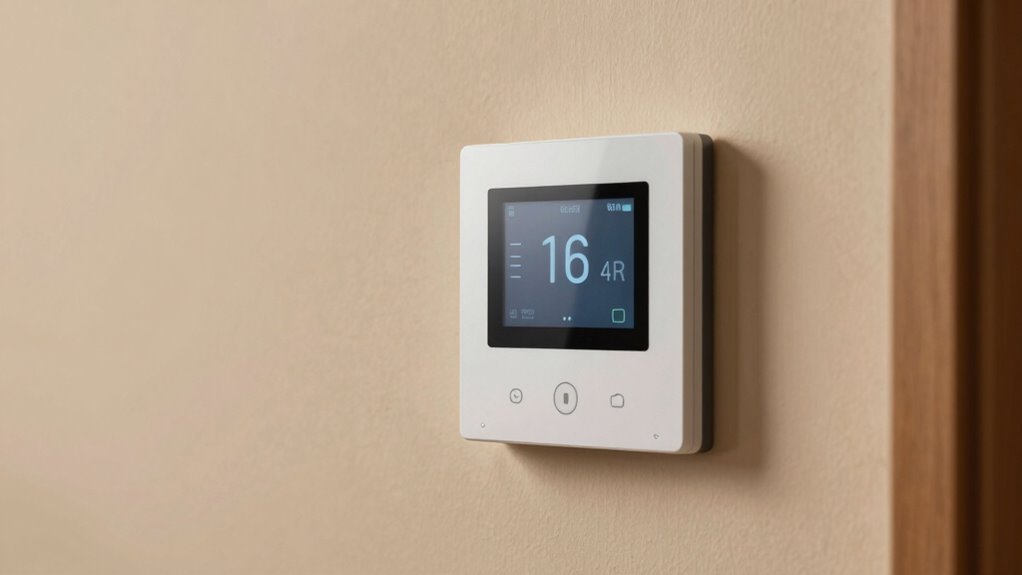
When choosing a smart thermostat for your baseboards, look for one that offers precise temperature control to keep your space comfortable. Make certain it’s compatible with your specific baseboard heating system to ensure seamless operation. These features help you manage your heating efficiently and avoid unnecessary energy use. Additionally, selecting a thermostat with burnout prevention features can help maintain system longevity and safety. Incorporating natural heating methods can also enhance overall efficiency and comfort in your space. Understanding the importance of security in payment processing can ensure your system remains protected from cyber threats, especially if your thermostat connects to your Wi-Fi network. Being aware of accessibility features can further support users with different needs in managing their heating system effectively. Moreover, considering energy efficiency can help reduce costs while maintaining a comfortable environment.
Precise Temperature Control
Achieving accurate temperature control is essential for maximizing comfort and efficiency with a baseboard-specific smart thermostat. Look for models with advanced temperature sensors that detect even small changes in room temperature, ensuring precise adjustments. A good thermostat should feature an intuitive user interface, making it easy to set and monitor your desired temperature. Consider these key features:
- Multiple temperature sensors positioned throughout the room for consistent readings
- Responsive controls that quickly adapt to your adjustments
- Clear, easy-to-read displays on the user interface
- Automated calibration options for maintaining accuracy over time
- Emotional well-being by reducing frustration and stress associated with temperature fluctuations, especially when managing a busy household.
These features help you maintain a consistent, comfortable environment while avoiding unnecessary energy use. Precise temperature control is crucial for optimizing your heating system’s performance.
Compatibility With Baseboards
To guarantee your smart thermostat works seamlessly with your baseboard heating system, it’s important to check its compatibility with your specific type of baseboards. Not all thermostats support every baseboard style, so verify that yours is compatible to maximize energy efficiency and avoid malfunctions. Look for models designed specifically for electric baseboards, as these often include features tailored to their unique power requirements. Additionally, a user interface that’s clear and easy to navigate ensures you can quickly adjust settings and monitor your system’s performance. Compatibility also means seamless integration with your existing wiring and control systems. Choosing a thermostat built for your baseboard type guarantees ideal energy savings, consistent comfort, and straightforward operation. Ensuring your thermostat supports performance cookies can help optimize your system’s functionality and responsiveness. Being aware of electric baseboard specifications can further assist in selecting the right device for your setup. Properly matching your thermostat to your baseboard system not only prevents potential malfunctions but also enhances overall efficiency. Considering system control options can provide additional flexibility in managing your heating setup. Additionally, selecting a thermostat that recognizes modern energy-saving features ensures you can take full advantage of contemporary efficiency advancements.
Mysa Smart Thermostat LITE – Line Voltage Electric Baseboard Heater Thermostat 120V/240V | DIY Install | HomeKit, Alexa, Google | Wi-Fi Programmable | App Control
WIFI CONNECTED SMART THERMOSTAT FOR 120V-240V electric baseboard heaters, fan-forced heaters, wall heaters, and convector units.
As an affiliate, we earn on qualifying purchases.
As an affiliate, we earn on qualifying purchases.
Common Challenges When Upgrading Your Baseboard Heating Control

Upgrading your baseboard heating control can present several challenges that might catch you off guard. First, finding a thermostat with an intuitive user interface is essential; a complicated setup can frustrate you. Second, ensuring the new system improves energy efficiency without sacrificing comfort can be tricky. Third, compatibility issues may arise if your existing wiring or baseboard type isn’t supported. Fourth, installation might require electrical adjustments or professional help, adding to the complexity. These hurdles can slow down your upgrade and affect overall satisfaction. To succeed, focus on selecting a smart thermostat designed specifically for baseboard heating, with easy-to-navigate controls and proven energy-saving features. Additionally, understanding common challenges in smart thermostat upgrades can help you anticipate and address potential issues more effectively. Addressing these common challenges helps you make a smarter, more efficient upgrade.
Installing Your New Smart Thermostat: Tips and Tricks
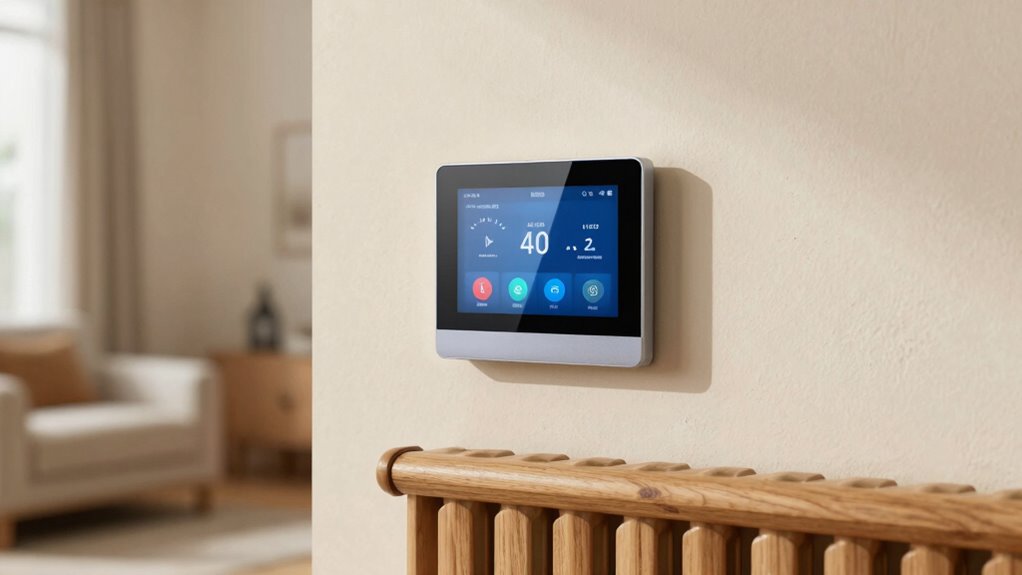
Installing your new smart thermostat can seem straightforward, but paying attention to a few key tips can make the process smoother. First, verify your wiring matches the thermostat’s requirements, and turn off your power before starting. Position the thermostat where it can clearly receive voice commands and where its aesthetic design complements your space. Use the mounting template for precise placement, avoiding areas with drafts or direct sunlight. Connect the wires securely, following the manufacturer’s instructions. Once installed, test the device to ensure voice commands work smoothly and that your heating responds correctly. A well-placed thermostat enhances both usability and style, making it easier to control your baseboard heater seamlessly.
How a Smart Thermostat Can Save You Money and Improve Comfort
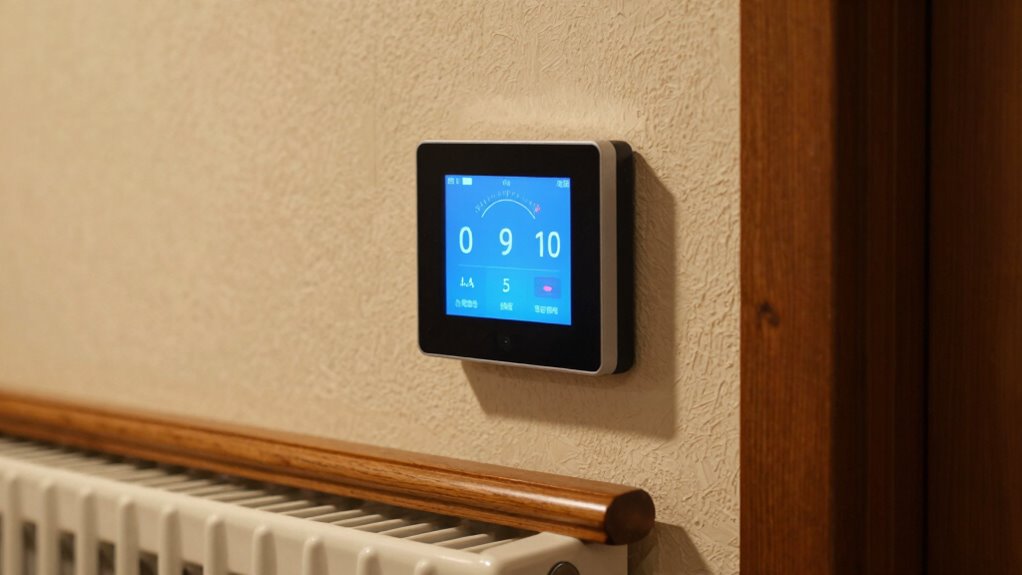
Once your smart thermostat is in place and functioning properly, it begins working behind the scenes to save you money and boost comfort. It optimizes energy efficiency by adjusting heating based on your schedule and preferences, reducing unnecessary costs. You’ll also enjoy enhanced user convenience through features like remote control and automatic temperature adjustments. Imagine:
- Your heater turning down when you’re away, saving energy without you lifting a finger.
- Warm mornings starting just as you wake, thanks to scheduled heating.
- The convenience of adjusting your home’s temperature from your phone, no matter where you are.
- Alerts that notify you of issues before they become costly repairs.
All these features work together to make your heating smarter, more efficient, and more comfortable.
Frequently Asked Questions
Can a Smart Thermostat Control Multiple Baseboard Zones Independently?
Yes, a smart thermostat can control multiple baseboard zones independently. It offers zone control, allowing you to set different temperatures for each area, increasing comfort and efficiency. You might need to calibrate the temperature settings for each zone to guarantee accuracy. With proper setup, you can manage your zones separately, saving energy and maintaining ideal comfort levels throughout your home.
How Does a Smart Thermostat Handle Uneven Room Heating?
You notice uneven room heating, but your smart thermostat tackles this by maintaining room temperature consistency through advanced sensors. It adjusts each heating zone individually, optimizing heating zone performance to prevent cold spots. By dynamically balancing heat distribution, it guarantees every corner of your space stays comfortable, even if some areas tend to heat faster. This intelligent control makes your living environment more uniform, saving energy and enhancing comfort effortlessly.
Are There Compatibility Issues With Existing Baseboard Heater Models?
You might face compatibility concerns with your existing baseboard heater models, especially if they’re older. Some heaters require specialized wiring or control modules, making installation challenging. Before buying a smart thermostat, check if it’s compatible with your heater’s type and wiring. You may need an adapter or professional help to guarantee smooth installation and reliable operation, avoiding potential compatibility issues down the line.
Do Smart Thermostats Require Wi-Fi for Remote Access?
Smart thermostats generally require Wi-Fi for remote access, which can improve your energy efficiency by allowing you to control your heating from anywhere. However, installation challenges may arise if your baseboard heater setup isn’t compatible or lacks a strong Wi-Fi signal. If you want to optimize energy use and enjoy remote control, make certain your system supports Wi-Fi connectivity and address any installation issues beforehand for the best experience.
How Secure Are Smart Thermostats Against Hacking?
Smart thermostats can face cybersecurity threats, but if you choose reputable brands with strong security measures, they’re generally quite secure. They use encryption to protect your data privacy and often receive regular software updates to patch vulnerabilities. To stay safe, make sure your Wi-Fi network has a strong password, enable two-factor authentication if available, and avoid connecting to unsecured networks. This keeps your smart thermostat protected from hacking attempts.
Conclusion
With the right smart thermostat tailored for your baseboard heaters, you’ll transform your home into a sanctuary of comfort and efficiency. Imagine cozy evenings wrapped in warmth, the thermostat quietly working behind the scenes, adjusting with precision as outside temperatures shift like a subtle tide. Embracing this upgrade isn’t just about saving money; it’s about creating a seamless, intelligent environment that responds to your needs, turning everyday living into a symphony of comfort and control.