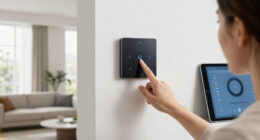

To use presence data without overautomating your home, start by setting clear boundaries on what devices should react to occupancy. Keep your commands simple to avoid frustration and regularly assess how well your system aligns with your lifestyle. Choose reliable devices that maintain data accuracy, allowing you to stay informed without overwhelming notifications. Prioritize flexibility, so automation adapts to your needs. There’s more to enhancing your experience while safeguarding privacy—stick around for the insights ahead!
Key Takeaways
- Regularly assess and adjust smart device settings to match your current lifestyle and preferences, avoiding rigidity in automation.
- Prioritize simple commands and intuitive interfaces to enhance user experience and reduce frustration.
- Utilize presence data primarily for essential functions, like energy management and security, rather than automating every aspect of home life.
- Choose reliable devices with strong privacy policies to ensure data security while maintaining control over automation levels.
- Incorporate manual overrides for automated systems, allowing users to maintain control and adapt to changing circumstances.
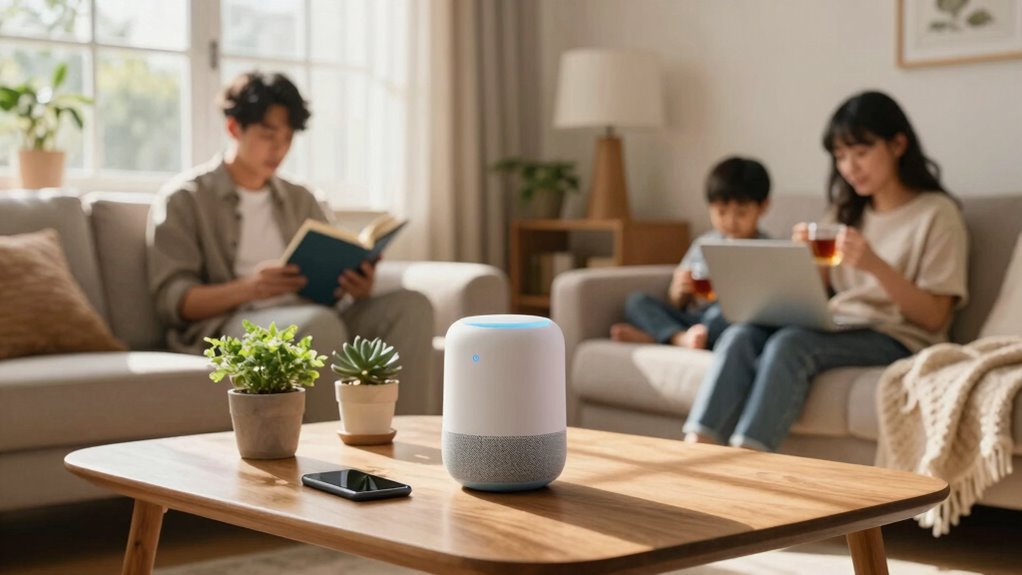
In today’s data-driven world, presence data has become a game changer for businesses. You might be wondering how to leverage this information effectively in your home without falling into the trap of overautomation. Smart technology can enhance your daily life, offering convenience and efficiency, but it’s essential to strike an automation balance that prioritizes user experience and safeguards your privacy.
Presence data is revolutionizing homes, blending convenience with the need for balance and privacy in smart technology.
When you integrate presence data into your home, you can improve energy efficiency by automatically adjusting heating or cooling systems based on whether anyone’s home. Imagine coming back to a perfectly heated house in winter or a cool retreat on a hot summer day, all thanks to smart technology that understands when you’re there or away. But while this convenience is appealing, be aware of privacy concerns. You want to make sure that your data remains secure and that you’re not sharing sensitive information unnecessarily. Choosing devices with strong data privacy policies can make a significant difference.
In addition to energy management, presence data can enhance home security. Smart locks and cameras can alert you if someone enters your home while you’re away, giving you peace of mind. These devices rely on data accuracy to function effectively. If the data isn’t precise, you might get false alarms or miss real threats. As a result, it’s essential to select compatible devices that can communicate seamlessly with each other. This compatibility guarantees that your home automation ecosystem works harmoniously, enhancing both convenience and security. Additionally, understanding presence data and its proper implementation can help prevent overautomation that might compromise your comfort or privacy. Moreover, staying informed about emerging automation trends can help you adapt your system to better suit your evolving needs. Being aware of privacy best practices can also help you secure your data and maintain control over your home environment.
However, it’s easy to get carried away with automation, leading to frustration rather than ease. For instance, if your home systems become too rigid, they may not adapt well to your lifestyle changes. You might find yourself locked out of your smart lock or unable to adjust your thermostat without a complex series of commands. To avoid this, regularly assess how your devices are functioning and adjust settings to better suit your needs. Additionally, understanding the importance of data accuracy can help you troubleshoot issues more effectively and ensure your home responds reliably. Incorporating privacy considerations into your setup is also crucial to prevent unintended data exposure.
Ultimately, using presence data effectively means embracing its benefits while being mindful of the potential downsides. By focusing on data accuracy, confirming device compatibility, and addressing privacy concerns, you can create a smart home that enhances your quality of life. So, as you explore the world of automation, remember: balance is key. You want your home to be responsive and intelligent, but not intrusive or overly complex.
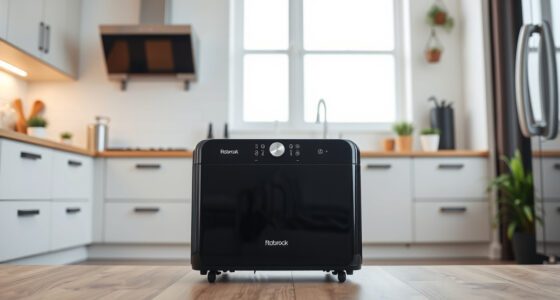
presence detection smart home devices
As an affiliate, we earn on qualifying purchases.
As an affiliate, we earn on qualifying purchases.
Frequently Asked Questions
What Is Presence Data in Smart Home Technology?
Presence data in smart home technology refers to the information gathered about your location and activity within your home. It helps smart assistants tailor your experience based on your preferences, adjusting lighting, temperature, and security settings. By using presence data, you can achieve better energy management while maintaining an automation balance. This way, your home responds to you without feeling overly automated, creating a comfortable and efficient living environment.
How Is Presence Data Collected in Homes?
Presence data is collected in homes through smart sensors that track user behavior. These sensors can detect movement, temperature changes, or even smartphone signals, allowing them to identify when you’re home or away. By analyzing this data, your smart home can adapt to your habits, creating a more personalized experience. You’ll find that these insights help optimize energy use while enhancing comfort, without feeling overwhelmed by automation.
Can Presence Data Improve Home Security?
Yes, presence data can greatly improve home security. In fact, homes with smart security systems experience a 300% reduction in break-ins. By analyzing presence data, you can enhance surveillance enhancements, allowing you to monitor who’s home and when. This information aids in risk assessment, helping you identify potential vulnerabilities. With the right setup, you can receive alerts if unexpected movement occurs, keeping your home safer and giving you peace of mind.
What Devices Are Compatible With Presence Data?
Many devices are compatible with presence data, including smart sensors like motion detectors and door/window sensors. These devices enable seamless device integration with your home automation system, enhancing your overall experience. Smart thermostats and lighting systems can adjust based on your presence, creating a more comfortable environment. By choosing compatible devices, you can guarantee your home responds intelligently to your movements without overwhelming automation, keeping everything balanced and efficient.
How Do Privacy Concerns Relate to Presence Data?
Did you know that 79% of consumers worry about their data privacy? When it comes to presence data, privacy concerns are significant. You need to prioritize data ethics and guarantee user consent. If you’re tracking location or habits, make certain you’re transparent about how this data’s used. Without proper precautions, you risk compromising your privacy and trust. Balancing convenience with ethical practices is key to maintaining a secure and respectful environment.
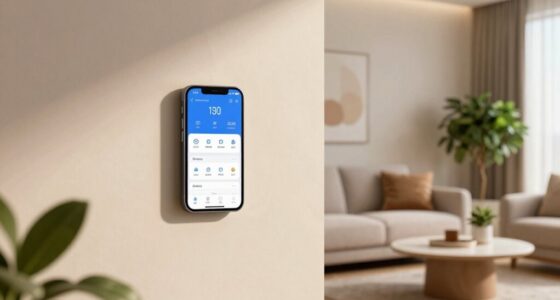
smart home energy management system
As an affiliate, we earn on qualifying purchases.
As an affiliate, we earn on qualifying purchases.
Conclusion
By incorporating presence data thoughtfully, you can enhance your home’s comfort without losing that personal touch. Imagine stepping into your living room, and the lights gently dim as your favorite playlist starts, all without feeling like you’re living in a robot-run space. You’re in control, creating an atmosphere that feels welcoming and warm, rather than automated and cold. Embrace the benefits of technology while keeping your home a reflection of your personality and lifestyle.
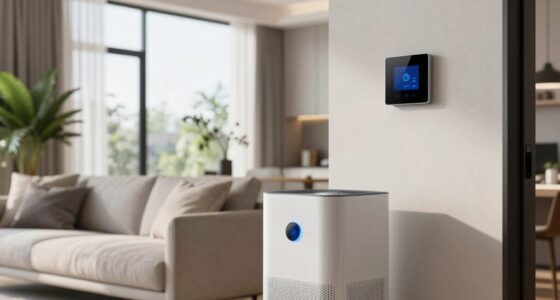
home security cameras with privacy features
As an affiliate, we earn on qualifying purchases.
As an affiliate, we earn on qualifying purchases.
manual override smart home systems
As an affiliate, we earn on qualifying purchases.
As an affiliate, we earn on qualifying purchases.