
TL;DR
A July 1, 2026 ISR Briefing described Ukraine’s Delta as a cloud-backed, browser-based battlefield-management system that turns many intelligence feeds into one live map. The system’s reported reach shows how software, data fusion and commodity devices are changing military operations, while cyber risk, connectivity limits and unverified performance claims remain open issues.
A July 1, 2026 ISR Briefing from Thorsten Meyer AI described Ukraine’s Delta as a working case of software-defined warfare: a browser-based battlefield-management system that fuses drones, satellites, sensors and vetted reports into one live map for Ukrainian forces. The report matters because battlefield advantage is moving toward data fusion and the ability to push a shared picture to troops using ordinary phones and laptops.
Delta is described as a situational-awareness and battlefield-management system built through an unusual wartime coalition involving Aerorozvidka, Ukraine’s Defense Ministry and the Ministry of Digital Transformation. According to the briefing, the system combines inputs from reconnaissance units, drones, satellite imagery, sensor networks, partner intelligence and vetted reports, then places that data on a geolocated real-time map.
The briefing says Delta’s architecture is built around a cloud-native backend and a client that can run in a browser on phones, tablets, laptops and regular PCs. Its cloud environment is described as being hosted outside Ukraine, a choice presented as a way to reduce the risk that a missile strike or domestic cyberattack could knock out the system.
Beyond mapping, Delta is reported to support planning, coordination and secure sharing of enemy positions between units. The July 1 briefing cites a Ukrainian Defense Ministry claim that the system supports reports on up to 1,500 targets per day, but says that figure has not been independently verified.
Software-defined warfare: how Ukraine’s Delta turned the battlefield into a shared, real-time map
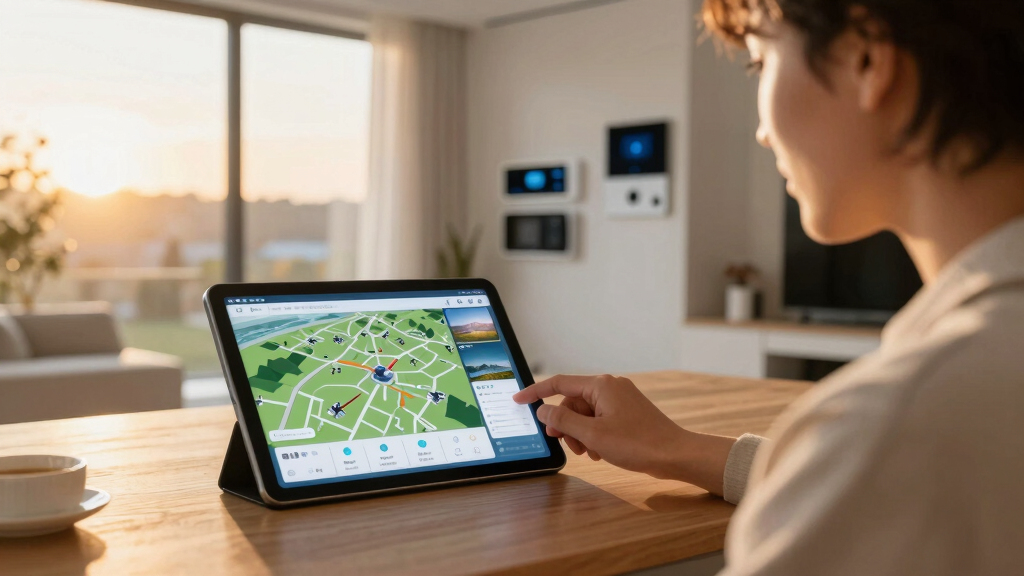
A soldier opens a browser and sees the fused war — drones, satellites, sensors and vetted reports on one live map. The backend is a cloud deliberately hosted abroad so a missile can’t take it down. The clearest case yet of treating warfare as software.
Optical sensors go blind in cloud & dark; an all-weather SAR radar layer — the kind VigilSAR produces — slots into a picture like this as one resilient, sovereign input. vigilsar.com · And note the paradox: to survive missiles & cyberattack, Ukraine hosted its crown-jewel cloud outside its own borders — trading physical sovereignty for operational survivability. Resilience through distribution.
Delta’s lasting lesson isn’t a piece of software — it’s a model of how to build: commodity clients, cloud backend, open standards, relentless iteration, fusion over hardware, and resilience through distribution. It’s why a wartime NGO out-shipped procurement bureaucracies on a fraction of the budget. The platform mattered less than the picture — and the picture is software. Own the fusion layer, own the sovereign feeds into it, and get it to the edge.
Battlefield Awareness Moves to Software
The central point of the report is that the scarce asset is not only the sensor, but the software layer that turns many feeds into a usable shared picture. If accurate, Delta shows how a military can gain speed by pairing commodity devices with a resilient backend instead of waiting for single-purpose battlefield terminals.
That shift has consequences beyond Ukraine. The briefing argues that data fusion, open standards and fast iteration can matter as much as individual platforms. For militaries built around slower procurement systems and siloed information networks, Delta is a case study in how software delivery can affect combat tempo.
browser-based battlefield management software
As an affiliate, we earn on qualifying purchases.
As an affiliate, we earn on qualifying purchases.
Delta’s Wartime Build Path
The briefing traces Delta’s development to efforts that began before Russia’s 2022 full-scale invasion, including a 2017 NATO-linked initiative aimed at improving information sharing. Its wartime expansion has been associated with Ukraine’s digital ministry, defense-technology teams and volunteer networks that moved faster than traditional acquisition channels.
The report also links Delta to a broader concept described in a 2024 CSIS analysis as software-defined warfare. In that framing, military advantage comes from connecting sensors, processing data quickly and distributing decisions to the edge, rather than relying only on expensive platforms or closed systems.
“The platform mattered less than the picture, and the picture is software.”
— Thorsten Meyer AI, ISR Briefing, July 1, 2026

DJI Mini 4K Camera Drone Combo, Drone with 4K UHD Camera for Adults, Under 249 g, 3-Axis Gimbal Stabilization, 10km Video Transmission, Auto Return, 2 Batteries for 62-Min Max Flight Time, QuickShots
No Registration Needed – Under 249 g, this drone with camera for adults 4K does not require FAA…
As an affiliate, we earn on qualifying purchases.
As an affiliate, we earn on qualifying purchases.
Delta Claims Need Verification
Several parts of the Delta story remain uncertain. The briefing says the 1,500-target daily figure is self-reported by Ukraine’s Defense Ministry and not independently verified. Public reporting also does not fully show how often Delta is available at the front, how much it is degraded by jamming, or how its data is checked under combat pressure.
The risks are also unresolved. The briefing points to phishing and malware attacks reported in December 2022, dependence on battlefield connectivity, and the danger that crowdsourced or multi-source inputs could be manipulated. It is also unclear how other militaries would copy the model without Ukraine’s specific wartime culture, volunteer networks and urgent operating conditions.

Kurdistan The Untold Story of Mesopotamia
As an affiliate, we earn on qualifying purchases.
As an affiliate, we earn on qualifying purchases.
Procurement Lessons Face Testing
The next test is whether Ukraine and its partners can keep Delta resilient under cyberattack, jamming and battlefield disruption while improving verification of incoming data. Defense planners will also watch whether the model changes NATO procurement debates around cloud systems, open standards and faster software updates.
For readers, the near-term question is not only whether Delta remains effective in Ukraine. It is whether browser-based command tools, distributed cloud infrastructure and fused sensor feeds become a template for other armed forces, or whether the system’s risks limit how far the model can spread.

CARLOCK Wired Hidden GPS Vehicle Tracker – 12-24v Battery, Anti Theft Car Device, 4G LTE, Instant Alerts, Easy Install, Multi-Network SIM, Real-Time Monitoring
REAL-TIME VEHICLE TRACKING – Track your car live with fast, accurate GPS updates. Review routes, mileage, stops, and…
As an affiliate, we earn on qualifying purchases.
As an affiliate, we earn on qualifying purchases.
Key Questions
What is Ukraine’s Delta system?
Delta is described as a battlefield-management and situational-awareness system that combines drone feeds, satellite imagery, sensor data and vetted reports into a live map for Ukrainian forces.
Why is Delta called software-defined warfare?
The term refers to a shift in which software, data fusion and update speed carry more military weight. Delta is used as an example because its common operating picture can run through a browser on common devices.
Is the 1,500-targets-per-day figure confirmed?
No. The July 1 briefing says the 1,500-target daily figure is a Ukrainian Defense Ministry claim and has not been independently verified.
What are the main risks?
The main risks are cyberattacks, degraded connectivity, jamming and data poisoning. The briefing also says compressing the sensor-to-shooter loop carries escalation concerns.
Why does hosting the cloud abroad matter?
The briefing says foreign hosting can make the backend harder to disable through missile strikes inside Ukraine. It also creates a trade-off between physical sovereignty and operational survivability.
Source: Thorsten Meyer AI