Before buying new climate gear, you should fix your existing multi-zone system first. Make certain the zoning system is properly calibrated and update outdated components to improve efficiency. Check for leaks in ductwork, seal insulation gaps, and repair duct issues to optimize airflow. Properly place and seal vents, and upgrade to smart thermostats for better control. Routine maintenance like filter changes and duct cleaning also help. Addressing these issues now will maximize your new system’s performance—keep going for more detailed tips.

Get home appliances delivered free with Prime
- Fast, free delivery on millions of items
- Prime Video, Amazon Music and more included
- Member-only deals all year
Key Takeaways
- Ensure existing zoning systems are properly calibrated and updated for optimal efficiency.
- Seal duct leaks and improve insulation to prevent energy loss and enhance system performance.
- Optimize vent and register placement for even temperature distribution and reduced energy waste.
- Upgrade to smart thermostats and verify accurate calibration for better zone control and energy savings.
- Conduct regular maintenance, including filter changes and duct cleaning, to maximize HVAC effectiveness.
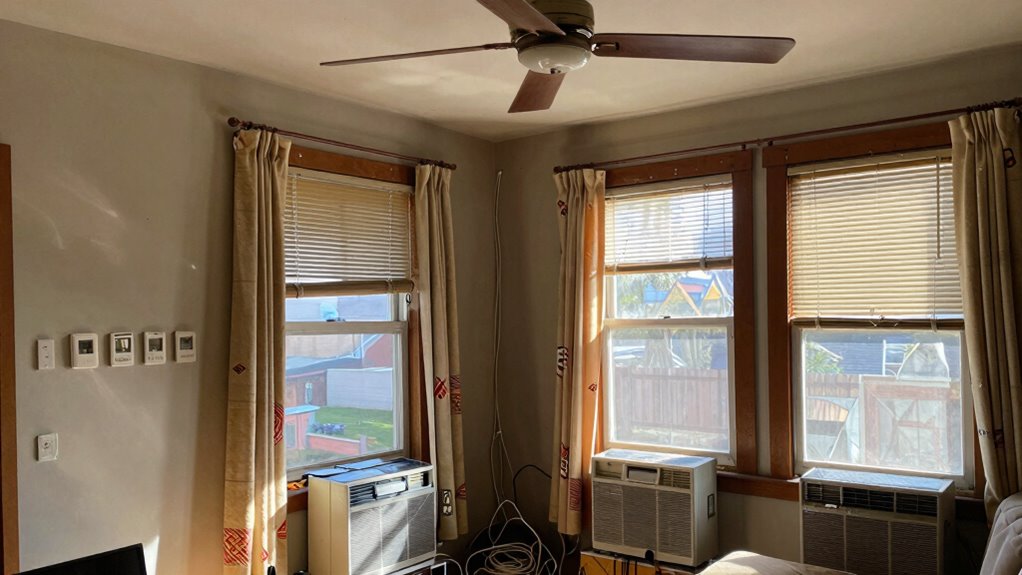
If your home has multiple climate zones, it’s smart to address existing issues before investing in advanced climate control gear. Multi-zone households often face uneven temperatures, higher energy bills, and inefficient heating or cooling. Tackling these problems first ensures you get the most out of new climate gear and avoid wasting money on upgrades that won’t solve underlying issues. One of the key areas to focus on is your current zoning systems. If your current zoning system isn’t properly calibrated or if it’s outdated, it can lead to inconsistent temperatures and increased energy use. Upgrading or repairing your zoning system can significantly improve energy efficiency by ensuring each zone receives the appropriate amount of heating or cooling. This way, you prevent unnecessary strain on your HVAC system, reduce energy waste, and create a more comfortable environment.
Before buying new climate gear, check for leaks, poor insulation, and ductwork issues that could compromise your system’s performance. For example, leaks in ductwork or gaps in insulation allow conditioned air to escape, forcing your system to work harder and consume more energy. Fixing these issues will improve overall energy efficiency, making your new climate control systems more effective right from the start. Additionally, consider the placement and sealing of vents and registers. Properly sealed vents prevent air leaks and help direct conditioned air exactly where it’s needed. This small fix can make a big difference in maintaining consistent temperatures across zones.
Another important step is to evaluate and optimize your thermostat setup. If your thermostats aren’t programmable or aren’t properly calibrated, they can cause energy waste by running the system longer than necessary. Upgrading to smart thermostats and ensuring they’re correctly configured for each zone can give you better control over your household’s climate. With smart zoning, you can customize temperatures for each zone, saving energy and increasing comfort. Incorporating energy-efficient practices into your routine will further enhance your system’s performance and sustainability. Additionally, considering proper insulation can help maintain consistent temperatures and reduce the workload on your HVAC system. Regular maintenance, such as filter changes and duct cleaning, is also essential for optimal performance and longevity of your HVAC system.
Products Worth Considering

Levoit Air Purifier for Home, Pets, Bedroom – Smart Wi‑Fi for Large Rooms

Philips Hue Bridge Pro Starter Kit with 4 A19 E26 Color Smart Bulbs

eufy Security SoloCam E42 4-Camera Kit, 4K Solar Security Camera System
As an affiliate, we earn on qualifying purchases.
Frequently Asked Questions
How Do I Determine the Best Climate Zones for My Household?
To determine the best climate zones for your household, start with a smart zoning system that divides your home into manageable areas. Use this system to identify which zones need more or less heating and cooling. Proper thermostat placement is essential; position thermostats centrally in each zone to guarantee accurate readings. This approach helps optimize comfort and efficiency, making your climate gear more effective and tailored to your home’s unique needs.
What Are Common Multi-Zone Household Issues That Affect Climate Control?
You might face issues like a faulty zoning system, which can cause uneven heating or cooling across zones. Airflow imbalance is common, leading to some areas being too hot or cold. Check your zoning system for leaks or malfunctions, and guarantee dampers open and close properly. Addressing these issues before upgrading climate gear helps you achieve better energy efficiency and consistent comfort throughout your multi-zone household.
How Can I Improve Energy Efficiency Across Multiple Zones?
To improve energy efficiency across multiple zones, start by implementing zonal zoning to tailor heating and cooling to each area’s needs. Regularly perform climate calibration on your system to guarantee accurate temperature control. Seal leaks and insulate well to prevent energy loss. Use programmable thermostats for each zone, and maintain your HVAC system to optimize performance. These steps help reduce energy waste and keep your home comfortable efficiently.
What Maintenance Is Needed for Existing Climate Systems?
Don’t let your climate system fall by the wayside; a stitch in time saves nine. You should regularly check and seal ducts to prevent leaks and improve efficiency. Also, make certain your thermostats are properly calibrated for accurate temperature control. These simple maintenance tasks keep your system running smoothly, extend its lifespan, and help you avoid costly repairs down the line. Staying on top of maintenance is key to maintaining comfort and saving money.
How Do I Prioritize Repairs Before Upgrading Climate Equipment?
You should prioritize repairs by evaluating your thermal insulation first, guaranteeing your home retains heat efficiently. Next, focus on optimizing zoning strategies to balance comfort and energy use across different areas. Address any leaks or insulation gaps in ducts and walls. Upgrading thermostats or zone controls can also improve system performance. These steps ensure your existing setup works effectively, saving money and making your new climate gear more efficient when you upgrade.
Conclusion
Before you invest in new climate gear, imagine your home as a symphony of comfort, each zone harmonizing perfectly. Fixing uneven temperatures and sealing leaks is like tuning instruments, ensuring every note resonates smoothly. When your house breathes easily, your new equipment works smarter, not harder. Clear away the clutter of inefficiency, and let your home’s climate flow seamlessly — a sanctuary where every breeze and warmth feels just right, no matter the season.