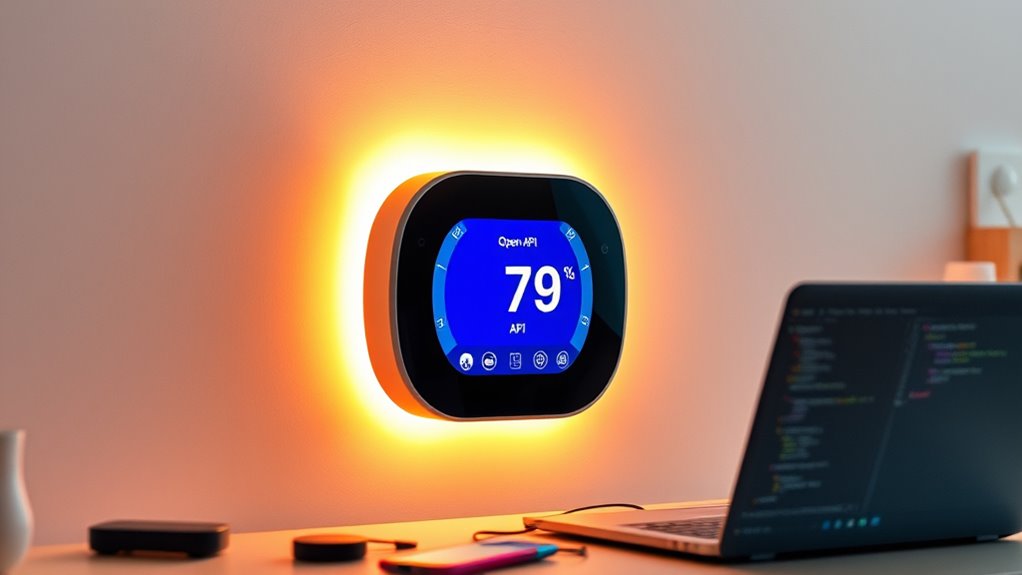

When selecting a smart thermostat with an open API for developers, focus on devices that offer thorough, well-documented APIs that enable easy customization and integration with your existing smart home setup. Consider compatibility with voice assistants and sensors, and guarantee the manufacturer provides regular updates and strong community support. A flexible API lets you create tailored energy-saving algorithms and automation routines. To make the best choice and discover essential features, keep exploring all the options available.
Key Takeaways
- Ensure the API is well-documented, developer-friendly, and actively maintained for seamless integration.
- Verify compatibility with your existing smart home ecosystem and support for automation features.
- Assess the availability of community support, SDKs, and customization options for tailored solutions.
- Consider security updates, future compatibility, and manufacturer support to protect your investment.
- Prioritize APIs that provide real-time data access and integration with sensors, weather, and voice assistants.

Choosing the right smart thermostat can substantially enhance your home’s comfort and energy efficiency. When selecting a model with an open API for developers, you gain the flexibility to customize and integrate it with your existing smart home systems. However, it’s crucial to consider potential integration challenges that might arise. Not all thermostats with open APIs are equally developer-friendly, and some may lack comprehensive documentation or support, making it frustrating to connect with other devices or platforms. Before making a purchase, verify the API’s capabilities, ease of access, and community support to ensure you can seamlessly incorporate the thermostat into your home automation setup.
Choosing a developer-friendly smart thermostat with open API ensures seamless integration and customization.
Focusing on energy efficiency is one of the main reasons to opt for a smart thermostat with an open API. These devices allow you to fine-tune your heating and cooling schedules, access real-time data, and implement custom algorithms that optimize energy usage. With an open API, you can develop or adapt software that learns your routines, adjusts temperatures accordingly, and even integrates weather forecasts to prevent unnecessary energy consumption. This level of control helps you lower energy bills and reduces your carbon footprint, all while maintaining a comfortable indoor environment.
Additionally, understanding the hours of operation for local restaurants can be helpful if you plan your home automation around meal times or dining out. When choosing a smart thermostat with an open API, you should also consider how well it supports integrations with other smart home devices. Compatibility with voice assistants, sensors, and lighting systems can amplify your home’s efficiency and convenience. Keep in mind that some open APIs might require more technical expertise to implement effectively, especially if you’re planning custom integrations. If you’re not confident in your coding skills, look for models with active developer communities or detailed documentation to guide you through the process.
Another aspect to keep in mind is the ongoing software updates and security. Open APIs can sometimes introduce vulnerabilities if not properly maintained. Make sure the manufacturer provides regular updates and security patches, and consider whether the API remains compatible with future software versions. This ensures your investment remains secure and functional over time.

ecobee Smart Thermostat Essential – WiFi Thermostat, Energy Star Certified
- Energy Savings: Save up to 23% annually on energy costs
- System Compatibility: Compatible with 85% of HVAC systems
- Easy Temperature Control: Adjust temperature via touchscreen or app
As an affiliate, we earn on qualifying purchases.
As an affiliate, we earn on qualifying purchases.
Frequently Asked Questions
How Secure Are Open API Smart Thermostats Against Hacking?
Open API smart thermostats can be vulnerable to hacking due to cybersecurity concerns and firmware vulnerabilities. If you don’t keep the firmware updated, hackers may exploit known security flaws. To protect yourself, regularly update your device’s firmware, use strong, unique passwords, and enable two-factor authentication if available. By staying vigilant, you can minimize risks and keep your smart thermostat more secure against potential cyber threats.
Do Open API Thermostats Support Integration With Voice Assistants?
Yes, open API thermostats typically support voice assistant compatibility, allowing you to control your thermostat with devices like Alexa or Google Assistant. However, you might face API integration challenges, such as guaranteeing secure communication and managing different protocols. It’s important to verify that the thermostat’s API is well-documented and compatible with your preferred voice platform to avoid setup issues and ensure smooth voice control.
Can I Customize Energy-Saving Algorithms via the API?
Yes, you can customize energy-saving algorithms via the API. This allows you to tailor energy optimization features based on your specific needs and preferences. By leveraging user customization options, you can create more efficient heating and cooling schedules, improve overall energy management, and guarantee the thermostat adapts to your lifestyle. Open APIs give you the flexibility to develop and implement personalized energy-saving strategies seamlessly.
What Programming Languages Are Compatible With Open API Thermostats?
Did you know that over 80% of smart thermostat users develop third-party apps? You can typically use languages like Python, JavaScript, and Java with open API thermostats. These platforms often provide detailed API documentation, making it easier for you to create custom integrations. By choosing a thermostat compatible with these languages, you can access endless possibilities for automation and personalization, ensuring your smart home adapts perfectly to your needs.
Are There Any Cost Differences Between Open and Closed API Thermostats?
You’ll find that open API thermostats often cost more upfront due to their enhanced API accessibility and flexibility for customization. While closed API thermostats may be cheaper initially, they limit your ability to modify or integrate with other systems, potentially leading to higher long-term costs. The cost comparison depends on your needs for customization; investing in an open API thermostat could save you money by enabling tailored solutions.
ecobee Smart Thermostat Essential – WiFi Thermostat, Energy Star Certified
- Energy Savings: Save up to 23% annually on energy costs
- System Compatibility: Compatible with 85% of HVAC systems
- Easy Temperature Control: Adjust temperature via touchscreen or app
As an affiliate, we earn on qualifying purchases.
As an affiliate, we earn on qualifying purchases.
Conclusion
Choosing a smart thermostat with an open API empowers you to customize your home climate seamlessly. Did you know that smart thermostats can reduce energy bills by up to 12%? By selecting a device that offers developer access, you gain endless possibilities for automation and integration. Make an informed choice, and you’ll enjoy both enhanced comfort and smarter energy use—saving money and reducing your environmental footprint in the process.
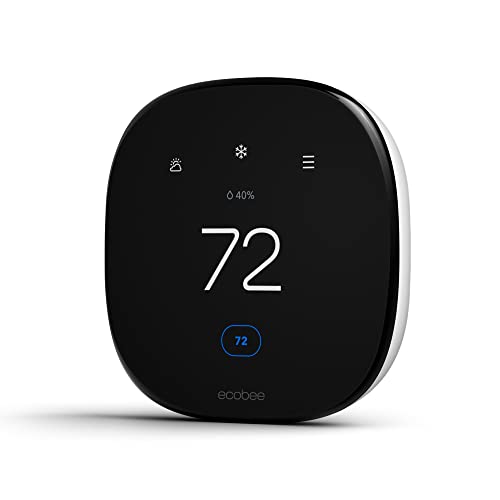
ecobee Smart Thermostat Enhanced, Programmable Wifi Thermostat
- Energy Savings: Save up to 26% on energy costs
- Automatic Temperature Adjustment: Adjusts when you're away for efficiency
- Wide Compatibility: Compatible with 90% of systems
As an affiliate, we earn on qualifying purchases.
As an affiliate, we earn on qualifying purchases.

Sensi Smart Thermostat, Wi-Fi, DIY, Alexa, Energy Star Certified, ST55
- Privacy Protected: Won’t sell your personal data
- Easy DIY Installation: Includes level and step-by-step app guide
- Universal Compatibility: Works with most HVAC systems without c-wire
As an affiliate, we earn on qualifying purchases.
As an affiliate, we earn on qualifying purchases.