
To build a practical climate upgrade plan, start by evaluating your home’s energy inefficiencies and identifying key areas for improvement. Set clear goals for energy reduction and consider sustainable purchases, like energy-efficient appliances. Enhance water efficiency through low-flow fixtures and rainwater systems. Stay informed about new technologies and share your journey with your community. This approach not only reduces your carbon footprint but also boosts long-term savings. You’ll discover more effective strategies as you progress.
Key Takeaways
- Conduct a thorough energy audit to identify inefficiencies and areas for improvement before making any purchases.
- Set specific energy reduction goals to guide your climate upgrade decisions and prioritize sustainable practices.
- Research and select energy-efficient appliances and materials that align with your sustainability objectives.
- Enhance water efficiency by implementing low-flow fixtures and exploring conservation strategies before investing in upgrades.
- Stay informed about climate solutions and be adaptable to new technologies that can enhance your upgrade plan.
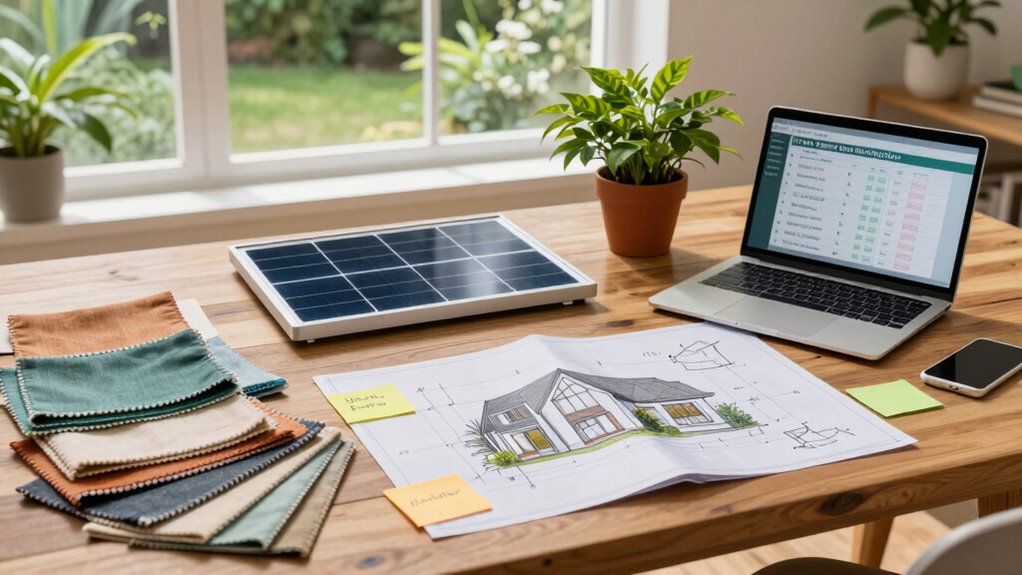
As climate change accelerates, building a climate upgrade plan isn’t just a good idea—it’s vital. You can take proactive steps to guarantee your home is both eco-friendly and cost-efficient. Before you rush into buying new appliances or materials, it’s important to lay a solid foundation for your upgrade plan. This involves evaluating your current situation, setting clear goals, and prioritizing sustainable practices.
Start by reviewing your existing home. Take a close look at your energy consumption and identify areas where you can improve energy efficiency. Are your windows drafty? Is your insulation adequate? By pinpointing these issues, you’ll have a clearer picture of what needs attention. Consider conducting an energy audit; many local utilities offer this service for free. This audit will highlight where you lose energy, helping you focus your upgrades on areas that will make the most difference. Additionally, understanding your current energy sources can guide you toward more sustainable options. Incorporating energy efficiency measures can further optimize your upgrades and maximize savings. Staying updated on innovative energy technology can also help you incorporate emerging solutions.
Review your home’s energy consumption to identify inefficiencies and consider an energy audit to target impactful upgrades.
Next, set specific, measurable goals for your climate upgrade plan. Perhaps your aim is to reduce energy use by 25% or to shift to 100% renewable energy sources. Whatever your targets, having them clearly defined will keep you motivated and on track. Remember to think long-term. Sustainable materials may cost more upfront, but they’ll save you money—and reduce your carbon footprint—over time. Staying informed about the latest climate solutions can help you adapt your plan as new technologies become available.
When you’re ready to start purchasing, focus on energy-efficient appliances and sustainable materials. Look for products with ENERGY STAR ratings, which indicate better energy performance. If you’re renovating, choose materials like bamboo, reclaimed wood, or recycled metal. These options not only minimize environmental impact but also add unique character to your space. Incorporating renewable energy technology such as solar panels can significantly reduce your reliance on fossil fuels and lower your carbon footprint, making your home more sustainable in the long run.
As you make upgrades, don’t forget about the importance of water efficiency. Installing low-flow fixtures or rainwater harvesting systems can greatly cut your water usage. This aligns well with your overall climate goals and can lead to substantial savings on your utility bills. Exploring water conservation methods can further enhance your home’s efficiency. Remember, integrating water and energy efficiency strategies can amplify the positive environmental impact of your upgrades.
Finally, stay informed and flexible. Climate science and technology are constantly evolving, so be open to new solutions that emerge. Share your journey with your community; you might inspire others to start their own climate upgrade plans. By taking these steps, you’re not just enhancing your home—you’re contributing to a healthier planet. Embrace the challenge, and let your climate upgrade plan be a reflection of your commitment to sustainability.

Dehumidifier with Pump Energy Star Most Efficient 2025 AEOCKY 4500 Sq.Ft
- Leading Dehumidifier Brand: Top-rated on Amazon US 2025
- Upward Drainage Pump: Allows 360° auto-drainage with 5m hose
- Energy Star Most Efficient: Certified top-tier energy performance 2025
As an affiliate, we earn on qualifying purchases.
As an affiliate, we earn on qualifying purchases.
Frequently Asked Questions
How Do I Determine My Current Carbon Footprint?
To determine your current carbon footprint, start by tracking your daily activities, like driving, energy usage, and food consumption. Use online calculators that consider your lifestyle changes, such as how often you fly or use public transport. These tools help estimate your emissions based on your habits. Once you know your footprint, you can identify areas to improve and make informed choices that reduce your impact on the environment.
What Budget Should I Allocate for Climate Upgrades?
You should allocate a budget that reflects your priorities, your current needs, and your goals. Start by creating a cost breakdown for each upgrade, considering materials, installation, and maintenance. Look for funding sources like grants, rebates, or tax incentives that can offset costs. By balancing your budget with these factors, you’ll guarantee you make informed choices, maximize your investment, and effectively contribute to a sustainable future.
Are There Government Incentives for Climate Upgrades?
Yes, there are government incentives for climate upgrades. You can take advantage of government grants, tax credits, and energy rebates that can greatly reduce your costs. Many states offer programs to encourage energy-efficient improvements, and sustainable financing options might also be available to help you manage expenses. Always check local and federal resources to confirm you’re maximizing any potential benefits while investing in sustainable upgrades for your home.
How Can I Involve My Community in This Plan?
You can involve your community by organizing community workshops where everyone shares ideas and skills. Encourage participation in collaborative projects that focus on sustainable practices, like community gardens or clean-up events. This not only builds awareness but also fosters teamwork. By inviting local experts to speak and share their knowledge, you’ll inspire others to join in and contribute, making your climate upgrade plan a collective effort that strengthens your community.
What Resources Can Help Me Stay Updated on Climate Solutions?
To stay updated on climate solutions, check out climate newsletters like “The Climate Crisis Weekly,” which reports that 50% of emissions come from just 100 companies. Immerse yourself in sustainability podcasts, such as “The Energy Gang,” where experts discuss innovative solutions. You’ll gain insights and practical tips while staying informed about the latest developments. Engaging with these resources will keep you motivated and connected to the broader climate conversation.

Duck 1067724 Home Energy Audit Kit
- Infrared thermometer for energy detection: Detects energy efficiency with infrared tech
- User-friendly operation: Locate, evaluate, and save easily
- Includes worksheets and manual: Guides energy improvements and solutions
As an affiliate, we earn on qualifying purchases.
As an affiliate, we earn on qualifying purchases.
Conclusion
As you begin your climate upgrade journey, remember that small changes can make a big impact. Did you know that if every household in the U.S. replaced just one light bulb with a LED, it could save enough energy to power 3 million homes for a year? By thoughtfully planning your upgrades, you’re not just improving your space; you’re contributing to a healthier planet. Start today, and watch how your efforts grow!

Niagara Conservation N2615CH Tri-Max 1-Spray with 0.5-1.5 GPM 2-in. Wall Mount Adjustable Fixed Shower Head in Chrome, 1-Pack | Bathroom Shower Head Sprayer with Pressure Compensation
- Steady Pressure Technology: Provides consistent spray at various pressures
- Water Saving Design: Reduces water and heating costs
- Durable Adjustable Head: Swivels 360° for flexible spray direction
As an affiliate, we earn on qualifying purchases.
As an affiliate, we earn on qualifying purchases.

ECO WORTHY 10000W Output Complete Off-Grid Solar Panel Kit for Home| 10KW 120V/240V Output Split Phase Inverter| 48V 314Ah16.1kWh High Capacity Energy Storage| 2950W Solar Panel PV| Whole House System
- Power Output: 10kW continuous, 20kW peak
- Voltage Support: 120V/240V split-phase
- Solar Panels: 5 x 590W panels, 2950W capacity
As an affiliate, we earn on qualifying purchases.
As an affiliate, we earn on qualifying purchases.