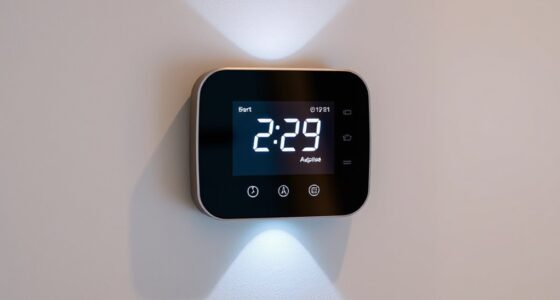
When choosing between touchscreen and dial-based smart thermostats, think about your lifestyle and preferences. Touchscreen models offer intuitive interfaces and smartphone connectivity, making them ideal for tech-savvy users. However, if you prefer simplicity and reliability, a dial-based model might be a better fit. They’re often more budget-friendly and easy to use. Consider compatibility with your HVAC system and brand reliability, too. Keep exploring to find the perfect thermostat for your home’s needs.
Key Takeaways
- Touchscreen models offer intuitive interfaces and smartphone control, ideal for tech-savvy users seeking convenience.
- Dial-based models provide straightforward navigation and simplicity, suitable for those preferring traditional controls.
- Consider the upfront cost versus long-term energy savings when selecting a thermostat model.
- Ensure compatibility with existing HVAC systems and smart home devices for optimal functionality.
- Research brand reliability and customer support options to make a well-informed decision.

Have you ever wondered how a smart thermostat could transform your home’s energy efficiency? Choosing between touchscreen and dial-based models isn’t just about personal preference; it’s about understanding how each option fits your lifestyle and needs. Touchscreen thermostats often feature sleek designs and intuitive user interfaces, making them a popular choice. You can easily adjust settings with just a tap or swipe, giving you quick access to energy-saving features. Plus, many of these models come with smartphone compatibility, allowing you to control your home’s temperature from anywhere, ensuring peak energy efficiency even when you’re away.
A smart thermostat can elevate your home’s energy efficiency with user-friendly touchscreen options and smartphone compatibility for effortless control.
On the other hand, dial-based thermostats offer a more traditional feel. They’re usually easier to navigate for those who prefer physical controls. If you’re someone who appreciates simplicity and reliability, a dial thermostat might be ideal. The installation process for both types is generally straightforward, but it’s essential to check compatibility options with your existing HVAC system before making a decision. Some dial models may be limited in their features compared to their touchscreen counterparts, which can influence your overall experience. Additionally, understanding home energy management can help you choose a model that best aligns with your efficiency goals.
When you compare costs, touchscreen models often come with higher price tags due to their advanced features and modern designs. However, keep in mind that investing in a more expensive model can yield long-term savings through better energy efficiency. It’s worth doing a cost comparison to see how much you might save on your energy bills over time. Dial-based models tend to be more budget-friendly, but they may lack some of the smart features that can help enhance energy use. A reliable brand can also provide peace of mind, as many offer better customer support and longer warranties, which is crucial when investing in home automation technology.
Choosing a model with compatible smart home devices can further optimize your energy management and convenience. It’s also important to consider how the user interface aligns with your comfort and ease of use preferences. Brand reliability plays a notable role in your decision-making process as well. You’ll want to choose a brand known for quality and customer support. Reading reviews and checking warranty options can help you gauge how well a particular model will serve you. A reliable brand is often a good indicator of longevity, ensuring that your investment pays off in the long run.
Ultimately, whether you choose a touchscreen or dial-based smart thermostat, both can greatly enhance your home’s energy efficiency. Your choice will depend on your preferences, the user interface you find most comfortable, and how you plan to interact with your home’s heating and cooling systems.
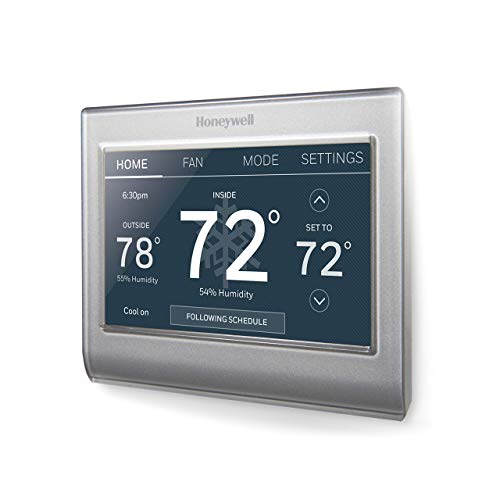
Honeywell Home RTH9585WF1004 Wi-Fi Smart Color Thermostat, 7 Day Programmable, Touch Screen, Energy Star, Alexa Ready, Gray
- Color Personalization: Customize to match your decor
- Energy Savings Rewards: Rebates and utility programs available
- Flexible Scheduling: Program according to your schedule or rates
As an affiliate, we earn on qualifying purchases.
As an affiliate, we earn on qualifying purchases.
Frequently Asked Questions
Are Touchscreen Thermostats More User-Friendly Than Dial-Based Ones?
Touchscreen thermostats often provide a more user-friendly experience than dial-based ones. Their interface design typically features clear graphics and intuitive navigation, making it easier for you to adjust settings quickly. You can swipe and tap, which feels more natural for many users compared to turning a dial. If you value a straightforward and engaging interaction, a touchscreen thermostat might be the better choice for your home’s climate control needs.
Can I Install a Smart Thermostat Myself?
Absolutely, you can install a smart thermostat yourself—it’s easier than pie! Start by turning off your HVAC system. Next, remove your old thermostat, taking note of the wiring connections. Follow the installation steps in your new thermostat’s manual, carefully matching the wires. Be mindful of wiring considerations, as improper connections can lead to issues. Once set up, turn the power back on, and enjoy your new smart control!
What Is the Lifespan of a Smart Thermostat?
A smart thermostat typically lasts around 10 to 15 years, depending on its durability and how well you maintain it. If you notice issues like connectivity problems or malfunctioning sensors, it might be time for a replacement. Regularly updating its software can also extend its lifespan. Keep an eye on its performance; planning a replacement timeline can help guarantee your home’s climate control remains efficient and effective for years to come.
Do Smart Thermostats Require Wi-Fi for Basic Functions?
Yes, smart thermostats usually need Wi-Fi for basic functionalities. Without a Wi-Fi connection, can you really take full advantage of all the features? While some models allow for manual adjustments, most require Wi-Fi to integrate with your smart home system, receive updates, and enable remote access. So, if you want to control your thermostat from your phone or utilize advanced scheduling, a stable Wi-Fi connection is essential.
How Do I Troubleshoot Common Smart Thermostat Issues?
To troubleshoot common smart thermostat issues, start by checking for battery issues; replace the batteries if necessary. Next, confirm your thermostat is connected to Wi-Fi. If it isn’t, try resetting your router or reconnecting the device through the app. Also, inspect the wiring for any loose connections. If you’re still facing problems, consult the manufacturer’s troubleshooting guide or consider contacting customer support for further assistance.

ecobee Smart Thermostat Essential – WiFi Thermostat, Energy Star Certified
- Energy Savings: Save up to 23% annually on energy costs
- System Compatibility: Compatible with 85% of HVAC systems
- Easy Temperature Control: Adjust temperature via touchscreen or app
As an affiliate, we earn on qualifying purchases.
As an affiliate, we earn on qualifying purchases.
Conclusion
In the end, whether you opt for a touchscreen or dial-based smart thermostat, it’s about finding what fits your lifestyle best. Imagine walking into a perfectly cozy home, all thanks to your smart choice. Immerse yourself in the tech that makes your life easier, and enjoy the comfort that comes with it. Your climate control journey starts here—embrace the warmth and convenience that a smart thermostat brings!

Honeywell Home RTH9585WF Wi-Fi Smart Color Thermostat, 7 Day Programmable, Touch Screen, Energy Star, Alexa Ready, C-Wire Required, Not Compatible with Line Volt Heating Gray
- Color Personalization: Customize to match your decor
- Energy Savings Rewards: Rebates and utility programs available
- Flexible Scheduling: Program according to your schedule or rates
As an affiliate, we earn on qualifying purchases.
As an affiliate, we earn on qualifying purchases.
ecobee Smart Thermostat Essential – WiFi Thermostat, Energy Star Certified
- Energy Savings: Save up to 23% annually on energy costs
- System Compatibility: Compatible with 85% of HVAC systems
- Easy Temperature Control: Adjust temperature via touchscreen or app
As an affiliate, we earn on qualifying purchases.
As an affiliate, we earn on qualifying purchases.