Climate zoning can save you money and energy by tailoring your heating and cooling to specific climate needs instead of relying on oversized equipment. It prevents overcapacity issues, enhances energy efficiency, and improves indoor comfort with localized solutions. With optimized systems, you’ll not only reduce wear and tear on your HVAC unit but also lower energy costs over time. Plus, adopting these strategies supports a sustainable future. There’s much more to discover about the benefits of climate zoning.
Key Takeaways
- Climate zoning enhances energy efficiency by tailoring strategies to specific climate conditions, reducing overall energy consumption.
- Smaller, optimized HVAC units prevent overcapacity, leading to lower energy waste and extended equipment lifespan.
- Zoning addresses localized heating and cooling needs, minimizing unnecessary energy use in unoccupied areas.
- Consistent comfort and improved indoor air quality result from targeted heating and cooling, enhancing overall living conditions.
- Sustainable energy management practices through zoning contribute to a smaller carbon footprint and long-term cost savings.

As climate change continues to reshape our world, understanding the benefits of climate zoning becomes essential. You might be surprised to learn that climate zoning isn’t just about aesthetics or environmental concerns; it’s a practical approach that can greatly enhance energy efficiency and lead to substantial cost savings. By tailoring your strategies to the specific climate conditions of your area, you can achieve better results than simply investing in bigger equipment upgrades.
When you think about upgrading your HVAC systems or insulation, it’s easy to assume that a larger unit will solve all your problems. However, that’s not always the best route. Bigger equipment can lead to overcapacity issues, where your system cycles on and off too frequently. This not only wastes energy but can also lead to increased wear and tear, shortening the lifespan of your equipment. Instead, focusing on climate zoning allows you to optimize performance based on specific needs. By segmenting your space according to climate zones, you can guarantee that each area receives the appropriate amount of heating or cooling, enhancing overall comfort without unnecessary energy use.
By implementing climate zoning, you can take advantage of passive solar heating, natural ventilation, and other local climate benefits. For example, in a cooler region, you might focus on maximizing sunlight exposure in living areas during winter while minimizing heat loss. In warmer climates, you might prioritize shade and ventilation. This localized approach means you won’t waste energy heating or cooling areas that don’t require it, leading to impressive energy efficiency. Additionally, proper zoning can help prevent the common problem of uneven temperatures within your home, ensuring consistent comfort throughout. Incorporating climate-specific strategies can further enhance these benefits, allowing your home to adapt more effectively to seasonal changes. Recognizing the importance of energy-efficient design can help you make more sustainable choices that benefit both your household and the environment.
Furthermore, understanding the benefits of climate zoning can help you make more informed decisions about your home’s energy management and reduce your overall carbon footprint. Implementing zoning techniques also allows for better integration with existing ventilation systems, which can improve indoor air quality by reducing indoor pollutants and controlling humidity levels. Ultimately, climate zoning offers a more nuanced approach to energy management. Rather than defaulting to larger, more expensive equipment, consider how adjusting your spaces based on climate can lead to improved energy efficiency and considerable cost savings. By focusing on your specific environment and needs, you’re not just making smart choices for your wallet; you’re also contributing to a more sustainable future. So, the next time you think about upgrading, remember that smaller, smarter solutions can often yield the best results.
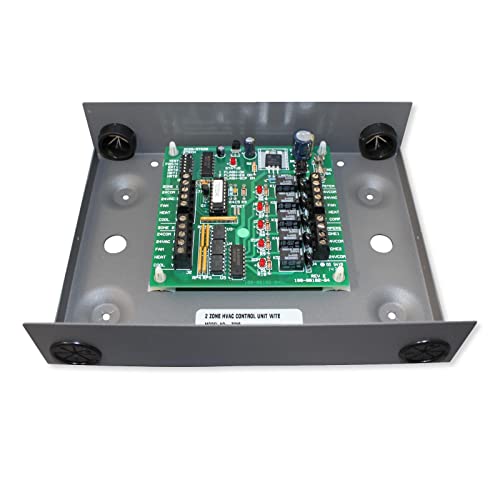
ZTech 2 Zones HVAC Controller (for Standard Gas/Electric Systems) (001-00242)
Operates 2 independent heating/cooling zones using a standard gas/electric system (not for heat pump systems)
As an affiliate, we earn on qualifying purchases.
As an affiliate, we earn on qualifying purchases.
Frequently Asked Questions
What Is Climate Zoning and How Does It Work?
Climate zoning involves dividing a space into different areas, each with its own climate control settings. You can adjust temperatures based on specific needs, enhancing energy efficiency. For example, you might keep living areas warmer while keeping unused rooms cooler. This targeted approach optimizes your heating and cooling systems, reducing energy waste and saving on utility bills. By implementing climate zoning, you create a comfortable environment while being mindful of your energy consumption.
How Does Climate Zoning Impact Energy Bills?
You’ll notice lower energy bills when you implement climate zoning. By targeting specific areas of your home for heating and cooling, you boost energy efficiency and avoid wasting energy on unused spaces. This tailored approach leads to significant cost savings over time, as you only use the energy you need. Plus, you’re not just cutting costs; you’re also creating a more comfortable living environment for you and your family.
Can Existing Systems Be Retrofitted for Climate Zoning?
Yes, you can retrofit existing systems for climate zoning! Many systems have retrofit options that enhance energy efficiency without needing a complete overhaul. First, check for system compatibility; some older models might require additional components for proper zoning. By strategically adding dampers and thermostats, you can tailor your home’s heating and cooling to specific areas, ultimately saving on energy bills while maintaining comfort. It’s a smart way to upgrade your system effectively!
What Are the Maintenance Requirements for Climate Zoning?
“An ounce of prevention is worth a pound of cure.” For climate zoning, routine maintenance is key. You should check the system’s components quarterly to guarantee everything’s working efficiently. This includes inspecting dampers, sensors, and thermostats. The benefits of zoning, like energy savings and improved comfort, can be lost if maintenance frequency is neglected. Regular upkeep helps you avoid larger issues down the line, keeping your system running smoothly and effectively.
Are There Any Rebates for Implementing Climate Zoning?
Yes, there are often rebates available for implementing climate zoning. Many utility companies and government programs encourage energy efficiency by offering financial incentives. By upgrading your system to include climate zoning, you can not only enhance comfort but also achieve significant cost savings on your energy bills. Check with local energy providers or government websites to find specific rebate programs in your area that align with your zoning upgrades.

Sierra International, 18-3606, Thermostat Kit , White
Temperature Rating: 130°F
As an affiliate, we earn on qualifying purchases.
As an affiliate, we earn on qualifying purchases.
Conclusion
In the end, implementing climate zoning is like planting seeds in a garden. Instead of just buying bigger tools, you’re nurturing each plant to thrive in its unique spot. Studies show that homes with climate zoning can save up to 30% on energy bills, just like a well-tended garden yields a bountiful harvest. So, why not cultivate your space wisely? Embracing this strategy isn’t just smart; it’s a way to create a flourishing environment for everyone.

Hykolity 12,000 BTU Smart Inverter Window Air Conditioner WiFi Enabled, Ultra Quiet & Energy Efficient AC Unit, Cools 550 Sq.Ft, with Remote, Cool/Fan/Dry/Auto/Sleep Modes & 24H Timer
Advanced Inverter Technology: This window air conditioner utilizes advanced inverter technology to significantly reduce energy consumption while maximizing…
As an affiliate, we earn on qualifying purchases.
As an affiliate, we earn on qualifying purchases.

New! Honeywell Home Programmable Thermostat, Single-Stage, 1 Heat/1 Cool Compatibility, 5-2 Day Schedule, X2P, White, RTH20B
CUSTOMIZE: Choose to receive change air filter reminders and select display settings to optimize this thermostat for home.The…
As an affiliate, we earn on qualifying purchases.
As an affiliate, we earn on qualifying purchases.