
TL;DR
Home batteries are increasingly popular for storing solar energy and reducing electricity costs. Installation involves connecting to your electrical panel, with costs varying based on capacity and setup. This article explains how they work, costs, and what to consider.
Home batteries are now more accessible and easier to install than ever, with costs varying depending on capacity and system complexity. They are increasingly popular for energy storage, backup power, and cost savings, making them a significant development in residential renewable energy adoption.

Get home appliances delivered free with Prime
- Fast, free delivery on millions of items
- Prime Video, Amazon Music and more included
- Member-only deals all year
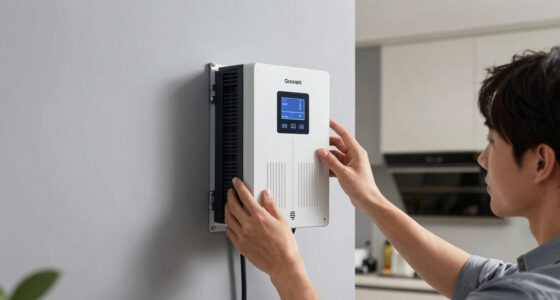
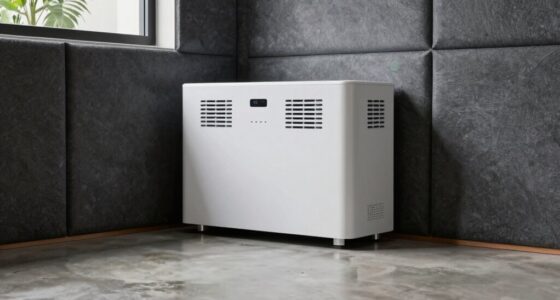
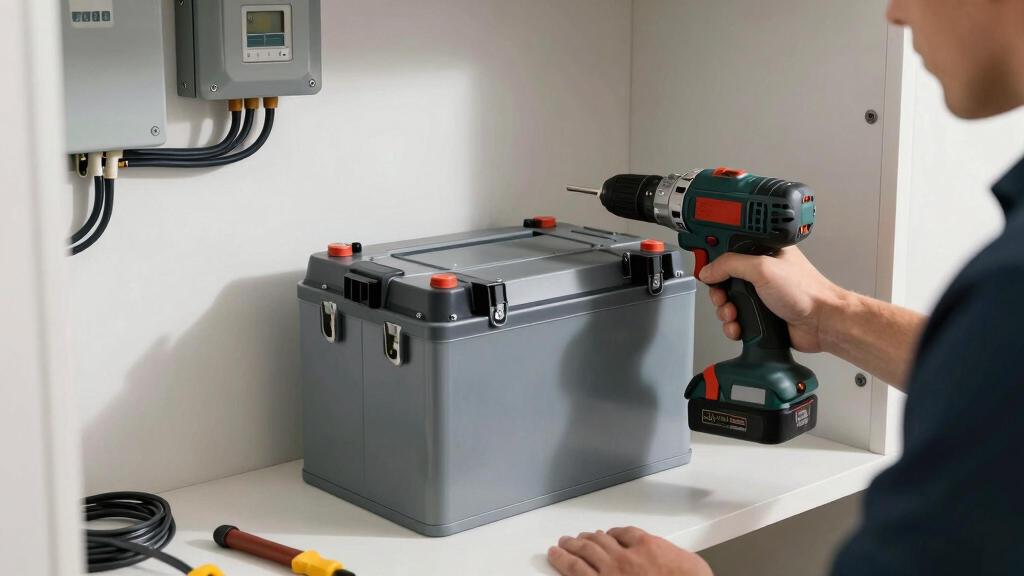
Installing a home battery involves connecting it to the main electrical panel, often requiring upgrades such as additional breaker boxes or permits from local utility providers. Understanding the real cost of owning a home can help in planning for such upgrades. Costs generally range from several thousand dollars for smaller systems to over $10,000 for larger, higher-capacity setups, including equipment and professional installation. For more insights, see the real cost of owning a home. Most systems use lithium iron phosphate (LFP) batteries, valued for safety and durability, with modular options available for scalability. Inverters are essential components that convert stored DC power to usable AC power, with sizes tailored to household demands. Proper planning includes assessing energy needs, potential upgrades, and obtaining necessary permits, which can vary by location.
Installation typically requires certified professionals, with some regions mandating specific certifications (e.g., MCS in the UK). Costs can include equipment, labor, permits, and potential upgrades to existing electrical infrastructure. While the initial investment can be substantial, the long-term savings on electricity and energy independence are motivating factors for many homeowners.
Impact of Home Battery Installation on Energy Costs and Resilience
Home batteries are transforming how households manage energy, offering potential savings, backup power during outages, and greater control over electricity use. As the market expands, understanding installation costs and procedures becomes crucial for consumers considering this investment. Widespread adoption could also support grid stability and renewable energy integration, benefiting the broader energy system.
Products Worth Considering

eufy Security SoloCam E42 4-Camera Kit, 4K Solar Security Camera System

eufy Security SoloCam S340 3K Dual-Lens Solar Security Camera

Levoit Air Purifier for Home, Pets, Bedroom – Smart Wi‑Fi for Large Rooms
As an affiliate, we earn on qualifying purchases.
Market Growth and Regulatory Considerations for Home Batteries
The home battery market has grown rapidly amid rising electricity prices and increased renewable energy adoption. Technological advances, such as safer lithium iron phosphate batteries and modular systems, have made installation more flexible. However, regional regulations, permit requirements, and utility approvals can influence installation timelines and costs. In some regions, permits may take weeks or months, and additional infrastructure upgrades may be necessary, adding to the complexity and expense of deployment.
“Installing a home battery involves connecting to your electrical panel, often requiring upgrades such as additional breaker boxes or permits from local utility providers.”
— Simon Hill, Wired
Uncertainties Surrounding Future Costs and Regulations
It is not yet clear how future technological developments, policy changes, or supply chain issues will impact the costs of home batteries and installation procedures. Regional permitting processes and utility approval requirements can also vary widely and may change over time, affecting installation timelines and expenses.
Next Steps for Consumers Considering Home Battery Installation
Consumers should start by assessing their energy needs and consulting certified installers for quotes. You can also explore the real cost of owning a home to better understand overall expenses involved. Staying informed about regional permitting requirements and potential incentives can also reduce costs. As technology advances and market regulations evolve, prices may decrease, making home batteries more accessible. Future developments may include more efficient battery chemistries and streamlined installation processes, further expanding adoption.
Key Questions
How much does a home battery system typically cost?
The cost varies widely, generally from around $5,000 to over $15,000, depending on capacity, system complexity, and installation requirements.
Do I need permits to install a home battery?
Yes, most regions require permits, which can involve approval from local utility providers and may include inspections or upgrades to your electrical system.
How long does installation usually take?
Installation times can range from a few days to several weeks, depending on permit approval, system complexity, and any necessary infrastructure upgrades.
Can I upgrade my home battery later?
Yes, many systems are modular and expandable, but upgrades typically require professional installation and may involve additional costs and permits.
Are home batteries safe?
Most modern batteries, especially lithium iron phosphate types, are designed with safety in mind and are less prone to overheating or fires compared to older chemistries.
Source: WIRED