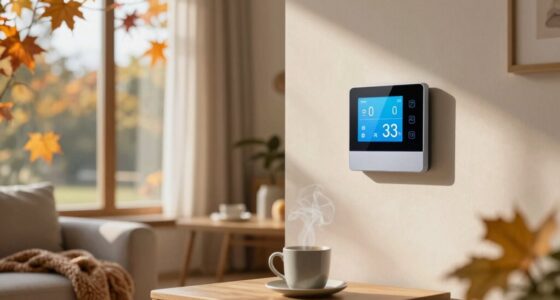
Smart climate data can tell you a lot about afternoon heat gain. It tracks real-time temperature changes, helping you identify patterns specific to your space. With this info, you can take proactive steps, like closing shades or adjusting your thermostat, to enhance indoor comfort and cut energy costs. By understanding how your environment interacts with heat, you’re better equipped for peak temperature challenges. Discover more strategies to manage your indoor climate effectively.

Get home appliances delivered free with Prime
- Fast, free delivery on millions of items
- Prime Video, Amazon Music and more included
- Member-only deals all year
Key Takeaways
- Smart climate data provides real-time insights into temperature fluctuations, helping to manage indoor comfort during peak afternoon heat.
- Sensors identify heat gain patterns specific to locations, enabling proactive adjustments like closing shades or adjusting thermostats.
- Understanding building materials and thermal performance through data leads to energy-efficient strategies and cost savings.
- Urban heat challenges can be assessed using smart sensors, evaluating the impact of nearby structures and vegetation on temperature.
- Climate modeling and historical data inform preparedness for extreme weather, optimizing HVAC systems for expected heat increases.
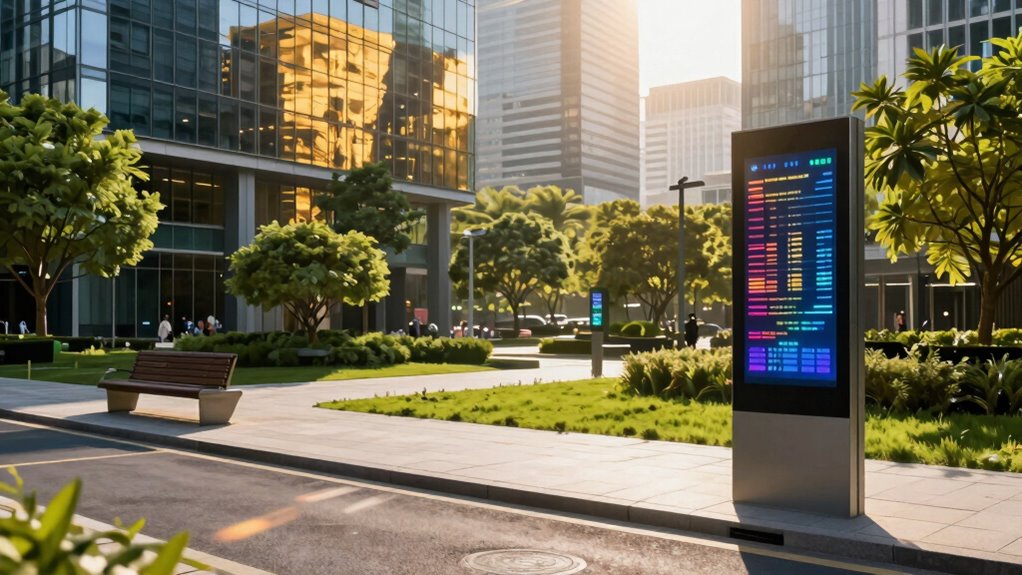
As climate change intensifies, understanding afternoon heat gain becomes essential for maintaining comfortable indoor environments. You might not realize it, but the way your home or workspace interacts with the sun can notably affect your comfort. Smart climate data provides valuable insights into this phenomenon, helping you manage temperature fluctuations effectively. By leveraging smart sensors, you can monitor real-time conditions, ensuring that your space remains pleasant even during the hottest hours of the day.
Temperature fluctuations are a common challenge, especially as the sun beats down in the afternoon. Smart sensors can track these changes and help you identify patterns specific to your location. This data can guide you in making informed decisions about when to cool your space or adjust your blinds. For instance, if your sensors report that temperatures spike after 2 PM, you can preemptively lower the thermostat or close the shades to mitigate heat gain.
Temperature fluctuations in the afternoon can be managed with smart sensors, enabling proactive adjustments for optimal comfort.
Energy efficiency plays a key role in this context. With smart climate data, you’ll not only enhance your comfort but also reduce energy costs. By analyzing how different building materials absorb or reflect sunlight, you can choose appropriate options for new constructions or renovations. For example, lighter-colored roofing materials can reflect more sunlight, thereby reducing heat absorption and keeping your space cooler. Additionally, understanding your building’s thermal performance can help you optimize insulation and shading strategies.
Urban heat exacerbates the problem, particularly in densely populated areas. As cities expand, heat islands form, leading to higher temperatures compared to surrounding regions. Understanding how your building interacts with its environment becomes critical. Smart sensors can help you assess how nearby structures or vegetation affect your temperature readings, enabling you to strategize effectively.
Climate modeling also complements your understanding of afternoon heat gain. By analyzing historical climate data and current trends, you can anticipate future conditions. This knowledge allows you to prepare for extreme weather events, ensuring your indoor environment remains comfortable. You can optimize HVAC systems based on expected heat increases, making your space more resilient to climate variations. Recognizing the impact of urban heat islands can further inform your strategies for reducing heat gain and improving overall energy efficiency.
Products Worth Considering

Google Nest Thermostat E with Nest Temperature Sensor Bundle, White

Google Nest Learning Thermostat Pro Edition (4th Gen, 2024) with Temperature Sensor, Polished Silver

Levoit Air Purifier for Home, Pets, Bedroom – Smart Wi‑Fi for Large Rooms
As an affiliate, we earn on qualifying purchases.
Frequently Asked Questions
How Can I Reduce Afternoon Heat Gain in My Home?
To reduce afternoon heat gain in your home, start by installing effective window treatments like shades or blinds that block sunlight. You can also consider insulation upgrades in your attic and walls to keep the heat out. Additionally, use fans to improve air circulation and keep your space cooler. By combining these strategies, you’ll create a more comfortable environment and lower your cooling costs during those hot afternoons.
What Tools Measure Afternoon Heat Gain Accurately?
To measure afternoon heat gain accurately, you can use heat sensors and thermal cameras. Heat sensors provide real-time data on temperature changes in your home, while thermal cameras give you a visual representation of heat distribution. By utilizing these tools, you can identify hotspots and areas where heat accumulates, helping you make informed decisions to improve your home’s energy efficiency and comfort during those hot afternoons.
How Does Afternoon Heat Gain Affect Indoor Air Quality?
Afternoon heat gain can considerably affect indoor air quality by raising indoor temperature and humidity levels. As temperatures rise, your air conditioning system might struggle to keep up, leading to stagnant, humid air. This can foster mold growth and increase allergens, making it uncomfortable and potentially unhealthy. You’ll want to monitor these factors closely to maintain a balanced environment, ensuring both comfort and air quality in your living space.
Are There Specific Plants That Help Mitigate Heat Gain?
Yes, specific plants can help mitigate heat gain. Incorporating shade trees into your garden design not only provides cooling but also enhances urban greenery. When you think about plant selection, consider species that thrive in your climate while casting ample shade. Trees like oaks or maples are excellent choices. By strategically placing these plants, you can considerably reduce heat accumulation and improve comfort in your outdoor spaces.
What Building Materials Reduce Afternoon Heat Absorption Effectively?
To effectively reduce afternoon heat absorption, you should consider using reflective roofing and high-quality thermal insulation. Reflective roofing materials bounce sunlight away, keeping your building cooler. Pair this with thermal insulation, which minimizes heat transfer from the outside. Together, they create a more comfortable indoor environment while potentially lowering energy costs. By choosing these materials, you’ll enhance your building’s energy efficiency and create a more pleasant space during those hot afternoons.
Conclusion
In conclusion, smart climate data is your trusty compass for steering through afternoon heat gain. By leveraging this information, you can make informed decisions to keep your space comfortable and energy-efficient. Don’t let the heat catch you off guard; stay ahead of the game by utilizing these insights. With the right tools, you’ll not only beat the heat but also create a more sustainable environment. Remember, when it comes to comfort, knowledge really is power!