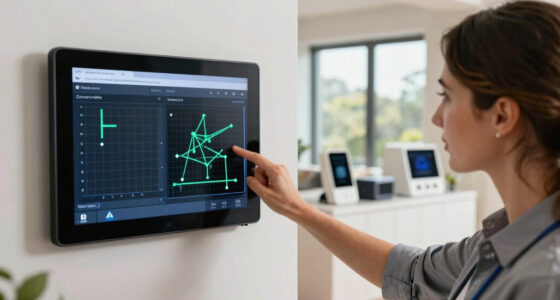
With smart thermostats and dynamic pricing, you can actively manage your energy costs by allowing your utility provider to adjust rates based on real-time supply and demand. These thermostats automatically respond to pricing signals, helping you save money during high-demand periods and reduce energy use when it’s cheaper. This technology not only supports a more efficient energy system but also puts you in control of your consumption—exploring further reveals how you can maximize these benefits.
Key Takeaways
- Smart thermostats enable consumers to automatically adjust home temperatures in response to dynamic utility tariffs.
- Utility tariffs change in real-time based on grid demand, incentivizing energy use during off-peak periods.
- Dynamic pricing encourages consumers to participate in demand response programs for cost savings.
- Smart thermostats help optimize energy consumption, reducing costs and supporting grid stability during peak times.
- Real-time data integration allows utilities to better manage supply, prevent outages, and promote sustainable energy use.
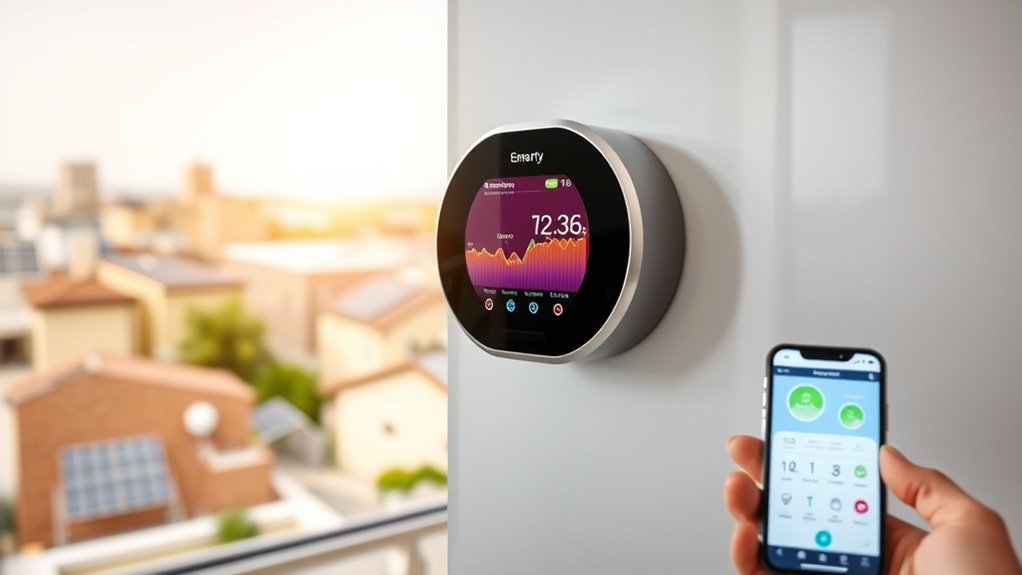
Have you ever wondered how airlines and online retailers set prices that change in real-time? The answer lies in dynamic pricing, a strategy that adjusts costs based on supply, demand, and other factors. When it comes to smart thermostats and utility tariffs, this approach becomes even more relevant. Utilities use dynamic pricing to balance energy demand and supply, especially during peak times. By implementing demand response programs, they encourage consumers like you to modify your energy usage when it’s most needed. These programs are designed to provide you with consumer incentives—such as lower rates or rebates—if you reduce your consumption during high-demand periods. This way, you’re rewarded for helping stabilize the grid, and utility companies avoid the expensive process of activating backup power sources.
When you participate in demand response, you’re fundamentally acting as a partner in managing energy resources. During hot summer afternoons or cold winter evenings, energy demand spikes, straining the grid. Utilities can then send signals—sometimes through your smart thermostat—to lower your heating or cooling settings temporarily. In return, you receive financial incentives, making it a win-win situation. You’re motivated to adjust your habits, knowing you’re saving money and contributing to a more sustainable energy system. These consumer incentives are key; they turn an external obligation into a mutually beneficial arrangement. Plus, with smart thermostats, you gain control and flexibility, allowing you to set preferences while still participating in demand response programs.
These programs are powered by real-time data, which allows utility providers to adjust prices flexibly based on current grid conditions. When demand is low, prices decrease, encouraging you to use more energy without worry. Conversely, during peak times, prices rise, nudging you to cut back. This real-time pricing helps prevent blackouts and reduces the need for costly infrastructure upgrades. As a consumer, you’re not just a passive user—you’re an active participant in the energy ecosystem. The integration of smart thermostats simplifies this process, automatically adjusting your home’s temperature in response to signals, ensuring comfort while maximizing cost savings. Understanding how smart grid technology works can further enhance your ability to participate effectively in these programs.

Sensi Smart Thermostat, Wi-Fi, DIY, Alexa, Energy Star Certified, ST55
- Privacy Protected: Won’t sell your personal data
- Easy DIY Installation: Includes level and step-by-step app guide
- Universal Compatibility: Works with most HVAC systems without c-wire
As an affiliate, we earn on qualifying purchases.
As an affiliate, we earn on qualifying purchases.
Frequently Asked Questions
How Do Smart Thermostats Affect Long-Term Energy Savings?
Smart thermostats boost your long-term energy savings by encouraging behavior change and promoting efficient energy use. As you adopt this technology, you’re more likely to set ideal temperatures and adjust settings based on your schedule. Over time, this leads to reduced energy consumption and lower bills. Your consistent use of smart thermostats helps you develop better habits, maximizing savings while enjoying the convenience of automated, responsive climate control.
Are There Privacy Concerns With Utility Data Collection?
Did you know 81% of consumers worry about their privacy? You should be aware that utility data collection raises privacy concerns and data security issues. Your energy usage details could reveal personal habits, making you vulnerable to breaches or misuse. It’s important to stay informed about how your data is stored and protected, so you can trust that your privacy isn’t compromised when using smart thermostats and utility services.
Can Dynamic Pricing Lead to Increased Energy Inequality?
Yes, dynamic pricing can lead to increased energy inequality. You might find that those with better energy access can adapt more easily to fluctuating rates, while others struggle with pricing fairness. This system could unintentionally widen the gap between different socioeconomic groups, making it harder for some to manage their energy costs. To prevent this, utilities need to guarantee that pricing mechanisms are equitable and consider all users’ needs.
What Incentives Exist for Consumers to Adopt Smart Thermostats?
You’re incentivized to adopt smart thermostats because they help you participate in demand response programs, potentially lowering your energy bills during peak times. Utility companies often offer consumer incentives like rebates or discounts to encourage smart thermostat use. These devices give you control over your energy consumption, making it easier to save money and support grid stability, especially when prices fluctuate due to dynamic pricing.
How Do Utilities Determine Optimal Pricing Strategies?
They say, “You can’t see the forest for the trees,” but utilities focus on demand forecasting and rate design to find the best pricing strategies. You’re likely to see them analyze consumption patterns, evaluate peak usage times, and adjust rates accordingly. By doing so, they balance supply and demand, ensuring costs stay fair while encouraging savings during high-demand periods. This approach helps them set prices that benefit both consumers and the grid.

Amazon Smart Thermostat, Save money and energy, Works with Alexa and Ring, C-wire required
- Smart Alexa Thermostat: Easy upgrade from traditional thermostats
- Automated Comfort Zones: Adjusts heating and cooling automatically
- Energy and Cost Savings: Includes rebate information from energy providers
As an affiliate, we earn on qualifying purchases.
As an affiliate, we earn on qualifying purchases.
Conclusion
By embracing dynamic pricing with smart thermostats and utility tariffs, you access the power to slash energy costs and take control of your consumption like never before. Imagine saving enough money to buy a small island—your savings could be that monumental! Don’t let high bills drain your wallet; harness this technology to stay ahead of the curve. The future of energy is in your hands, and it’s more flexible and affordable than you ever imagined.

A-Premium Engine Coolant Thermostat with Seal Compatible with Ram, Jeep
- Vehicle Compatibility: Fits various Chrysler, Dodge, Jeep, Ram models
- Reference Numbers: Multiple OEM part numbers included
- Opening Temperature: Starts to open at 95°C
As an affiliate, we earn on qualifying purchases.
As an affiliate, we earn on qualifying purchases.
Sensi Smart Thermostat, Wi-Fi, DIY, Alexa, Energy Star Certified, ST55
- Privacy Protected: Won’t sell your personal data
- Easy DIY Installation: Includes level and step-by-step app guide
- Universal Compatibility: Works with most HVAC systems without c-wire
As an affiliate, we earn on qualifying purchases.
As an affiliate, we earn on qualifying purchases.