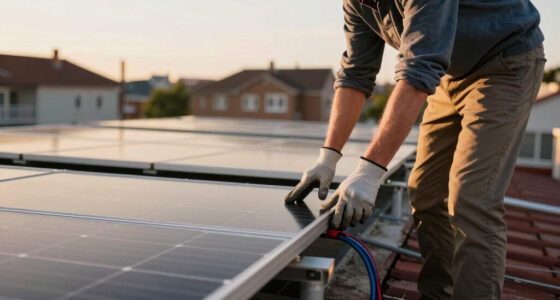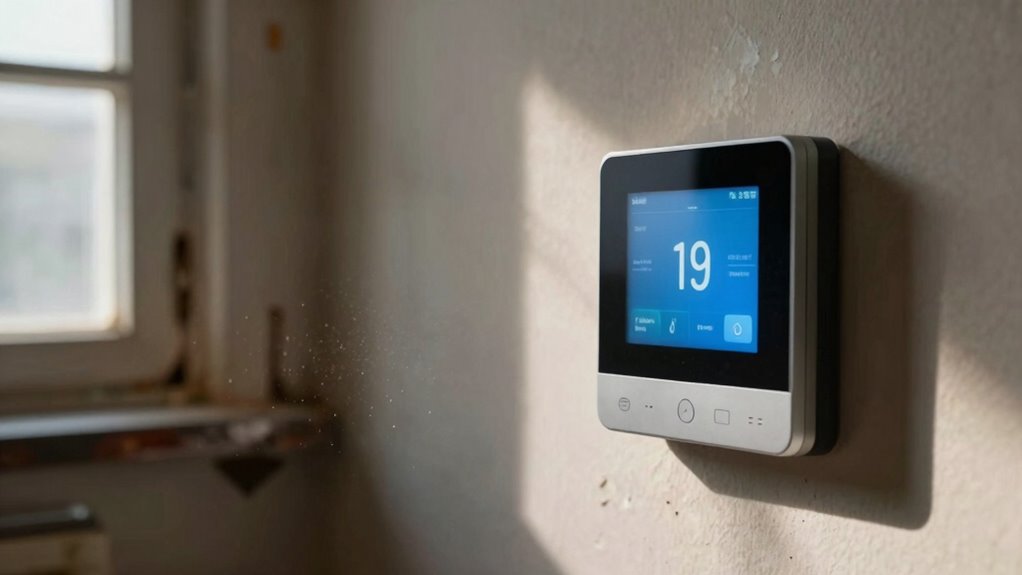

Smart thermostats might not save you much in leaky homes because air leaks let conditioned air escape. This forces your HVAC system to work harder, leading to higher energy bills and uneven temperatures. Even with smart tech’s ability to learn your habits, significant leaks undermine its efficiency. To maximize savings, you’ll need to address these leaks first. Keep exploring to find out more about how to enhance your home’s energy efficiency.

Get home appliances delivered free with Prime
- Fast, free delivery on millions of items
- Prime Video, Amazon Music and more included
- Member-only deals all year
Key Takeaways
- Air leaks cause conditioned air to escape, forcing HVAC systems to work harder and increasing energy costs.
- Smart thermostats struggle to optimize temperature control in homes with significant air leaks.
- Inefficient air management leads to greater reliance on HVAC systems, negating potential savings.
- Proper insulation is essential; without it, smart thermostat benefits diminish and energy efficiency suffers.
- Sealing leaks should be prioritized to maximize the effectiveness and cost savings of smart thermostat technology.
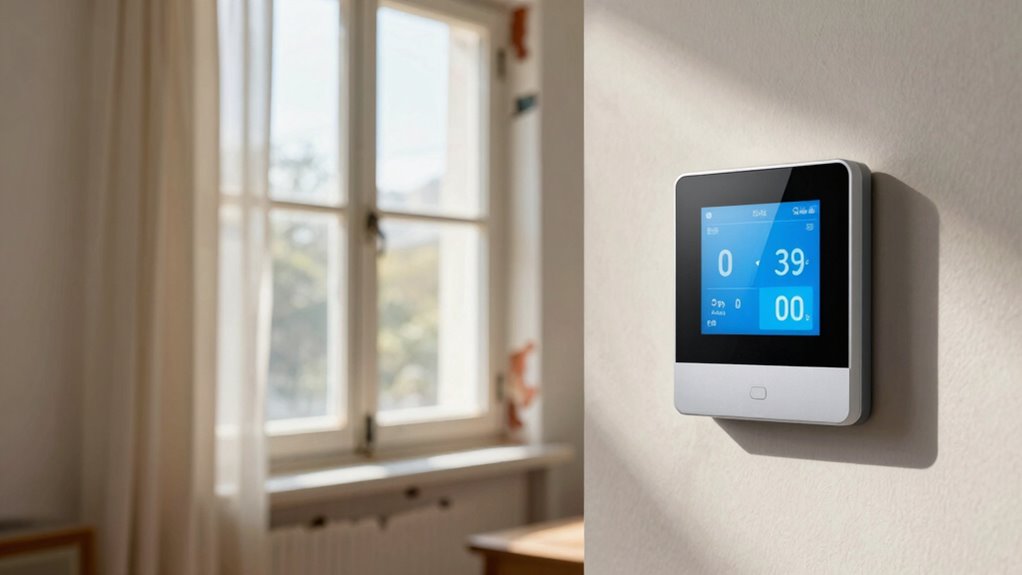
Have you ever wondered how much energy you could save in a leaky home with a smart thermostat? While these devices promise improved energy efficiency and cost savings, their impact can be limited in homes with significant insulation issues. You might think that simply installing a smart thermostat will automatically enhance your home’s temperature control, but the reality is a bit more complex.
In a leaky home, the air leaks can undermine the benefits of a smart thermostat. When your home isn’t properly sealed, heated or cooled air escapes, making it difficult for your HVAC system to maintain the desired temperature. This inefficiency means your smart thermostat is constantly working to compensate for the lost air, which can lead to higher energy bills instead of the savings you expected. Instead of enjoying the comfort of a well-regulated environment, you may find yourself dealing with fluctuating temperatures and increased energy consumption.
Moreover, smart thermostats excel when they can learn your habits and adjust settings accordingly. However, if your home has significant leaks, the thermostat’s ability to optimize HVAC performance is severely hampered. It can’t effectively manage the temperature if the air keeps escaping. You might end up relying on your HVAC system more than necessary, which can negate any potential cost savings. Addressing air leaks and insulation issues is crucial because they directly impact the effectiveness of your smart home solutions. Additionally, understanding the importance of home insulation can help you make informed decisions about energy efficiency improvements. Improving home sealing can further enhance the efficiency of your heating and cooling systems, making your investment in smart technology more worthwhile. Ensuring proper building envelope performance is essential for maximizing energy savings.
Insulation issues play a critical role here too. If your walls, attic, or other areas lack proper insulation, the efficiency gains from a smart thermostat diminish. You could invest in the latest technology, but if your home isn’t well insulated, the return on that investment may be disappointing. Your HVAC system will continue to work harder, leading to wear and tear and potentially shortening its lifespan. Addressing both air leaks and insulation problems is essential to unlock the full potential of smart home energy solutions.
Ultimately, while smart thermostats offer innovative solutions for managing home comfort, they’re not a cure-all for leaky homes. If you want to maximize the benefits of a smart thermostat, it’s essential to address those underlying insulation issues first. Sealing leaks and improving insulation should be your priority. Once you’ve tackled those problems, you’ll likely reap the rewards of energy efficiency and enjoy the true cost savings a smart thermostat has to offer, allowing it to perform at its best. So, before you engage with smart home technology, consider whether your home is ready for it.
smart thermostat with leak detection
As an affiliate, we earn on qualifying purchases.
As an affiliate, we earn on qualifying purchases.
Frequently Asked Questions
How Do Smart Thermostats Learn My Heating Preferences?
Smart thermostats learn your heating preferences through advanced learning algorithms that analyze your user behavior. They track your daily routines, noting when you adjust the temperature and how often you’re home. Over time, they adapt to your habits, automatically adjusting settings to keep your space comfortable without extra input. This personalized approach optimizes energy usage, making your heating experience more efficient and tailored to your lifestyle.
Can I Install a Smart Thermostat Myself?
You can definitely install a smart thermostat yourself—it’s not rocket science! Just make sure to choose the right thermostat placement for ideal performance. Start by turning off your HVAC system, then follow the DIY installation instructions that come with your device. It’s a piece of cake if you take your time. Once it’s set up, you’ll enjoy the benefits of a more efficient heating and cooling system.
What Features Should I Look for in a Smart Thermostat?
When choosing a smart thermostat, look for energy efficiency features that help reduce your bills. A user-friendly interface makes it easy to adjust settings, while scheduling features let you optimize heating and cooling based on your routine. Remote access is essential for controlling your home climate from anywhere. Finally, check for integration options with other smart devices, as these can enhance convenience and boost potential cost savings over time.
Do Smart Thermostats Work With All Heating Systems?
Smart thermostats generally work with most heating systems, but you should check for compatibility concerns first. If you’ve got a conventional system, a smart thermostat will likely boost your heating efficiency. If you’re using a more complex setup, like multi-stage or geothermal systems, compatibility may vary. Always read specifications and verify your system aligns with the thermostat’s features so you can maximize both comfort and savings in your home.
Are There Any Compatibility Issues With Older Homes?
Yes, there can be compatibility issues with older homes. Many smart thermostats require specific wiring or communication protocols that older systems might not support. You’ll need to check if your heating system can integrate with smart home devices. If it can’t, you might miss out on energy efficiency benefits. Consider consulting a professional to assess your system, ensuring you get the most from your smart home investment.
As an affiliate, we earn on qualifying purchases.
Conclusion
In leaky homes, smart thermostats can feel like a ship without a sail, struggling against the winds of inefficiency. While they offer advanced features and potential savings, their benefits diminish when faced with gaps and leaks. Without sealing those vulnerabilities, your energy costs may still soar, leaving you in a perpetual state of discomfort. To truly harness the power of your smart thermostat, consider fortifying your home first—after all, even the wisest of tools need a solid foundation to work effectively.
As an affiliate, we earn on qualifying purchases.
As an affiliate, we earn on qualifying purchases.
Fall yard work Picks
leaf blowers
As an affiliate, we earn on qualifying purchases.