
TL;DR
Landscapers are continuing work in temperatures exceeding 100°F by adopting specific safety and hydration practices. Experts emphasize the importance of proper heat management to prevent health risks.
Despite temperatures exceeding 100 degrees Fahrenheit, landscapers are continuing their work without interruption, thanks to specific safety protocols and hydration strategies. This development highlights how outdoor workers adapt to extreme heat conditions to maintain productivity while minimizing health risks, which is especially relevant amid ongoing heatwaves across many regions.

Get home appliances delivered free with Prime
- Fast, free delivery on millions of items
- Prime Video, Amazon Music and more included
- Member-only deals all year
Landscapers, essential to maintaining outdoor spaces, are working through dangerous heat levels, with some regions experiencing record-breaking temperatures. Industry experts and workers themselves confirm that they rely on a combination of hydration, protective clothing, and scheduled breaks to manage the heat. According to the National Weather Service, temperatures have surpassed 100°F in multiple areas, prompting health concerns for outdoor workers.
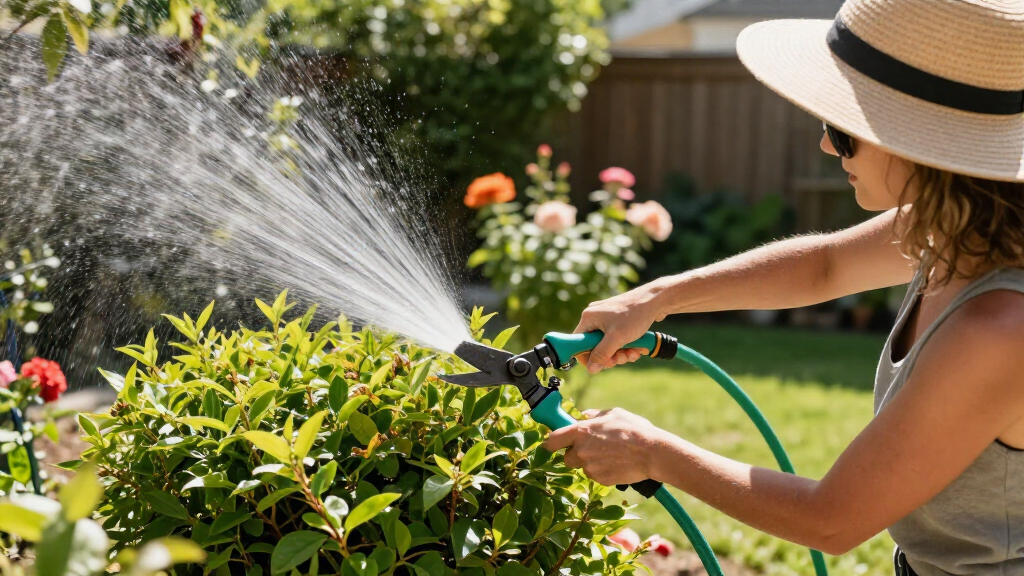
Many landscapers report that they follow strict hydration routines, drinking water regularly even before feeling thirsty. They also wear lightweight, light-colored clothing, wide-brim hats, and UV-protective sunglasses to shield themselves from the sun. Employers often schedule frequent breaks in shaded areas, and some use cooling towels or misting fans to help regulate body temperature. These practices are supported by occupational health guidelines aimed at preventing heat-related illnesses such as heat exhaustion or heat stroke.
Despite the challenges, workers and industry leaders emphasize that maintaining productivity during heatwaves is possible with proper precautions. Some companies have even adjusted work hours, starting early in the morning and ending before peak heat hours, to reduce exposure. These measures are crucial in avoiding serious health complications and ensuring workers can continue their tasks safely.
Why Heat Safety Measures Are Critical for Outdoor Workers
This situation underscores the importance of heat safety protocols for outdoor laborers, especially as climate change leads to more frequent and intense heatwaves. Proper hydration, protective gear, and scheduled breaks not only prevent health emergencies but also help sustain workforce productivity. Recognizing these practices can inform policy and employer responsibilities, ensuring worker safety during extreme weather conditions.
Products Worth Considering

Sonos Era 100 SL Wireless Speakers, Black, Pack of 2

Sonos One (Gen 2) Two-Room Set Voice-Controlled Smart Speaker with Alexa (2-Pack, Black)

Philips Hue Amarant Outdoor Smart Light Bar, Black
As an affiliate, we earn on qualifying purchases.
Extreme Temperatures and Outdoor Work Trends
Over the past decade, rising global temperatures have increased the frequency of heatwaves, impacting outdoor industries such as landscaping, construction, and agriculture. Historically, outdoor work was often halted during extreme heat, but economic pressures and workforce demands have led many companies to develop safety protocols that allow workers to operate safely in higher temperatures. The current heatwave, with temperatures exceeding 100°F in many areas, is testing these adaptations and raising awareness about occupational heat safety.
Previous studies and industry reports have shown that heat-related illnesses can be mitigated with proper planning, yet many workers remain vulnerable due to lack of awareness or inadequate safety measures. The current situation highlights the importance of ongoing education and enforcement of heat safety standards to protect outdoor workers.
Unclear Long-Term Impact of Heat on Outdoor Workforce
It is not yet clear how sustained exposure to extreme heat will affect the long-term health and productivity of outdoor workers. While current safety practices are effective, ongoing research is needed to assess potential cumulative health risks and the need for revised guidelines in the face of increasing heatwaves.Future Strategies for Managing Extreme Heat in Outdoor Work
Officials and industry groups are expected to continue developing and promoting heat safety standards, including new equipment, technology, and policy measures. Employers may adopt more advanced cooling solutions, flexible scheduling, and enhanced training to better protect workers during future heat events. Monitoring the effectiveness of current practices will be key in shaping long-term occupational health policies.
Key Questions
How do landscapers stay safe during extreme heat?
They follow hydration routines, wear protective clothing, take frequent breaks in shaded areas, and modify work hours to avoid peak heat times.
Are heat-related illnesses common among outdoor workers?
Yes, but proper safety measures significantly reduce the risk of conditions like heat exhaustion and heat stroke.
What can employers do to improve worker safety in heatwaves?
Implement strict hydration policies, provide protective gear, schedule work during cooler hours, and educate workers about heat risks.
Will climate change lead to more heatwaves affecting outdoor work?
Yes, climate models predict increased frequency and intensity of heatwaves, making heat safety measures more critical than ever.
Source: rss