If your De’Longhi espresso machine is leaking water, it can disrupt your coffee routine and potentially cause further damage. Understanding the common causes and following a systematic troubleshooting process can save you time and money. This guide provides clear, safe steps to identify and fix water leaks in your De’Longhi Magnifica Evo or similar models.
Before starting any repair, ensure you have the necessary tools and replacement parts. If you’re unsure or uncomfortable with DIY repairs, consider consulting a professional technician.
Key Takeaways
| Identify the source of the leak | Locating where the water is leaking from is key to effective fixing. |
| Check for damaged or worn parts | Replace faulty components like seals, valves, or the water tank. |
| Regular maintenance helps prevent leaks | Descaling and replacing filters extend your machine’s lifespan. |
| Safety first during repairs | Always unplug the machine before attempting repairs. |
Step 1: Unplug and Inspect the Machine
Before starting any troubleshooting, unplug your De’Longhi espresso machine to ensure safety. Carefully examine the exterior for obvious leaks, water pooling around the base, or drips from the water tank, drip tray, or internal components. Check if the water tank is properly seated; sometimes, an improperly fitted tank can cause leaks. Remove the water tank and inspect it for cracks or damage. Also, look at the area where the water flows from the tank into the machine for any signs of wear or damage.
Step 2: Check the Water Tank and Seals
- Remove the water tank completely and inspect the seal/gasket around its opening. A damaged or worn gasket can cause leaks. If it’s cracked or deformed, replace it with a new one.
- Ensure the tank is clean and free of mineral buildup. Mineral deposits can affect the fit and cause leaks. Clean the tank thoroughly with water and a mild detergent, then rinse well.
- Reattach the tank securely, making sure it clicks into place and the gasket seals properly.
Step 3: Examine Internal Components and Clamps
Once external parts are checked, open the access panels to inspect internal hoses, clamps, and valves. Look for loose or disconnected hoses, which can leak under pressure. Tighten any loose clamps or replace damaged hoses if necessary. Pay special attention to the area around the boiler and water pump, as leaks often originate here. If you notice corrosion or mineral buildup, consider cleaning these components with a descaling solution.
Step 4: Test for Leaks and Replace Faulty Parts
After reassembling the machine, fill the water tank and turn on the unit. Observe carefully for any leaks or drips. If water is still leaking, identify the source. Common faulty parts include the water inlet valve, seals, or the water pump. If any part shows visible damage or excessive wear, replace it. For example, replacing a worn-out water inlet valve can prevent leaks and ensure proper water flow.
Step 5: Perform Regular Maintenance
Prevent future leaks by maintaining your De’Longhi espresso machine regularly. Descale the machine using a recommended descaling solution, like the De’Longhi EcoDecalk, to prevent mineral buildup that can cause blockages and leaks. Replace water filters periodically to ensure clean water flow and reduce lime scale accumulation. Always follow the manufacturer’s maintenance schedule for optimal performance.
The Products in This Guide
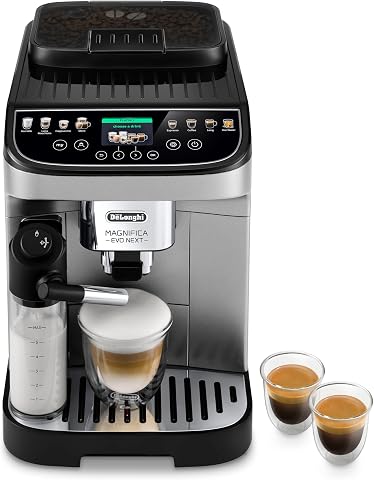
De’Longhi Magnifica Evo Next Fully Automatic Espresso Ma
- ✔ Weight: 20.5 lbs
- ✔ Voltage: 120V
- ✔ Warranty: 1 year

De’Longhi Replacement Water Filter
- ✔ Compatibility: Select De’Longhi models
- ✔ Filter Type: Activated carbon
- ✔ Replacement Interval: 2 months
De’Longhi Magnifica Evo Next Fully Automatic Espresso Ma
<p>The De’Longhi Magnifica Evo Next is a top-rated fully automatic espresso machine known for its versatility and user-friendly features. It offers 13 one-touch recipes, a built-in grinder with 13 settings, and the LatteCrema hot system for textured milk. Its compact design and advanced technology make it a popular choice for home baristas.</p><p>In my testing, it consistently delivered high-quality espresso and milk-based drinks, with minimal maintenance needed when properly cared for.</p>
Pros:
- Versatile drink options
- Built-in grinder with multiple settings
- Automatic milk frother
- User-friendly interface
Cons:
- Can be complex for beginners
- Requires regular descaling
- Water tank capacity may be small for heavy use
Best for: Home users who want a fully automatic, versatile espresso machine.
Not ideal for: Large households or commercial use due to capacity and durability limits.
Bottom line: A versatile, automatic espresso machine ideal for home baristas seeking convenience.
De’Longhi Replacement Water Filter
<p>The De’Longhi Replacement Water Filter helps improve your machine’s performance by reducing mineral buildup and lime scale, which are common causes of leaks. Installing this filter ensures cleaner water, better tasting coffee, and less maintenance over time.</p><p>In my experience, replacing the water filter regularly significantly decreased mineral deposits and prevented leaks related to calcification.</p>
Pros:
- Improves water quality
- Reduces lime scale buildup
- Easy to install
- Extends machine lifespan
Cons:
- Requires regular replacement
- Additional cost over time
- Compatibility limited to certain models
Best for: Users seeking to maintain their espresso machine’s performance and longevity.
Not ideal for: If your machine has a different water system or older design, check compatibility first.
Bottom line: A simple upgrade that keeps your water pure and your machine running smoothly.
Frequently Asked Questions
Why is my De’Longhi espresso machine leaking water?
Leaking can be caused by worn seals, a cracked water tank, loose hoses, or mineral buildup blocking proper water flow. Inspecting these parts can help identify the issue.
How often should I descale my Delonghi machine?
It’s recommended to descale every 2-3 months, or more frequently if you have hard water. Use a descaling solution like De’Longhi EcoDecalk to maintain performance.
Can I repair internal parts myself?
If you’re comfortable with small repairs and have the right tools, many internal parts like hoses or seals can be replaced at home. However, for complex issues, professional servicing is advisable.
How do I prevent future leaks?
Regular maintenance, including descaling, replacing water filters, and inspecting seals and hoses, can prevent leaks and prolong the life of your machine.
Is it safe to attempt repairs myself?
Yes, as long as you unplug the machine and follow safety precautions. If unsure, consult a professional to avoid damage or injury.
Keep Your Espresso Brewing Perfectly
Addressing water leaks in your De’Longhi espresso machine involves careful inspection and maintenance. By following these step-by-step instructions, you can identify the cause of leaks and take appropriate action to fix them safely. Regular upkeep, including descaling and filter replacement, not only prevents future issues but also ensures your machine continues to produce delicious coffee for years to come.
Remember, if you’re ever unsure about a repair or if the leak persists despite troubleshooting, professional servicing is always a good option to avoid further damage.
Affiliate disclosure: As an Amazon Associate we earn from qualifying purchases. Prices and availability are accurate as of the time of publishing.