
TL;DR

Get home appliances delivered free with Prime
- Fast, free delivery on millions of items
- Prime Video, Amazon Music and more included
- Member-only deals all year
As temperatures rise, homeowners seek ways to cool their homes without high energy costs. Experts recommend seven strategies, from external shading to DIY solutions, to block the sun and reduce indoor heat.
With rising temperatures in the UK, homeowners are turning to proven methods to prevent their homes from overheating, focusing on external shading and simple DIY measures. Experts emphasize that blocking the sun’s heat is crucial to reducing indoor temperatures, especially as traditional air conditioning may be less sustainable or accessible for many. These strategies, ranging from affordable DIY solutions to more permanent fixtures, are gaining attention as effective ways to stay cool this summer.
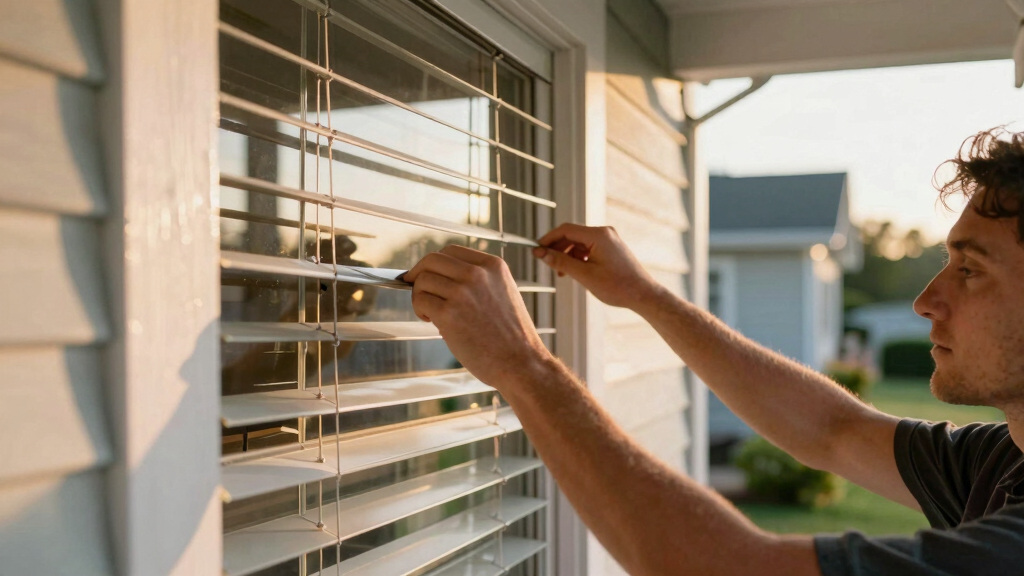
According to Tom Greenhill, an engineer and environmentalist, external shading such as awnings and blinds can reject up to three times more solar heat than internal solutions. For example, Velux offers manual external awning blinds costing around £80, which can be installed easily and significantly reduce indoor temperatures. For renters or those on a budget, simple solutions like white bedsheets or reflective sheets over skylights can lower indoor heat by 2-4°C, with minimal expense.
Another effective method involves creating DIY solar sails or using camouflage nets to block direct sunlight. These can be suspended between walls or posts and are inexpensive, with options available for under £20. Such solutions are portable, reversible, and do not block daylight, unlike some permanent fixtures. Experts also recommend shading sashes with clip-on shades to prevent heat buildup, especially in homes with large windows or patio doors.
While more costly options like external blackout shutters exist, they require professional installation and are less accessible for renters or those with limited budgets. Nonetheless, combining passive shading measures with traditional ventilation can substantially reduce indoor heat, making homes more comfortable during heatwaves.
Why Effective Sun Blocking Is Critical This Summer
Implementing these sun-blocking strategies can significantly reduce indoor temperatures, lowering reliance on energy-intensive air conditioning. This is especially important given the increasing frequency of heatwaves and the environmental impact of cooling methods. For homeowners, these measures offer affordable, sustainable options to stay comfortable while reducing energy bills and carbon footprint. As climate conditions worsen, adopting such passive cooling techniques becomes increasingly vital for health, comfort, and sustainability.
Products Worth Considering

Blueair Blue Pure 211i Max Air Purifier for Large Rooms

LEVOIT Vital 200S-P Smart Air Purifier for Large Rooms up to 1875 ft², Quiet 27 dB Operation, AHAM VERIFIDE Certified, Air Quality Monitor,

Dyson Omni-Glide Cordless Stick Vacuum, Gold/Iron
As an affiliate, we earn on qualifying purchases.
UK Homes Facing Rising Temperatures and Limited Cooling Options
Recent UK heatwaves in May and June have highlighted the need for effective cooling solutions. Traditionally, UK homes are built to retain heat, making overheating a concern during summer. Experts like Tom Greenhill and Stuart Dantzic emphasize that passive measures such as shading are more sustainable and effective than relying solely on air conditioning, which can be costly and environmentally damaging. The growing awareness of these solutions reflects a shift towards more climate-conscious home management, especially for renters and those unable or unwilling to invest in permanent fixtures.
“Blocking the sun’s heat is vital; external shading can reject up to three times more solar heat than internal blinds.”
— Tom Greenhill, engineer and environmentalist
Uncertainties About Long-Term Effectiveness and Costs
While many solutions are low-cost and easy to implement, their long-term effectiveness, durability, and suitability for all types of homes remain uncertain. The impact of DIY solutions like sheets and nets may vary depending on climate conditions and house design. Additionally, the availability and cost of permanent fixtures such as external blinds or shutters can fluctuate, and installation may require professional help, especially for larger or more complex setups. The overall environmental benefits of these measures compared to traditional air conditioning are also still being studied.
Next Steps for Homeowners and Policy Makers
Homeowners are encouraged to start with simple DIY measures and consider external shading options to prepare for upcoming heatwaves. Policymakers and housing authorities may promote awareness campaigns and subsidies for effective shading solutions, especially for vulnerable populations. Further research into the durability and efficiency of various passive cooling methods is expected, alongside innovations in affordable, sustainable home cooling technologies. As climate patterns change, integrating passive cooling into building standards could become a priority.
Key Questions
Are DIY solutions like sheets and nets effective for all homes?
DIY solutions can be effective for reducing heat in many homes, especially small or moderate overheating issues. However, their effectiveness varies depending on house design, climate, and the quality of the materials used. For severe overheating, more permanent external solutions may be necessary.
How much do external blinds or awnings typically cost?
Manual external awning blinds generally cost around £80-£110, while more advanced blackout shutters can cost over £500 plus installation fees. Prices vary based on size, material, and control options.
Can these measures be used in rented properties?
Many DIY solutions, like reflective sheets or camouflage nets, are suitable for renters since they are temporary and do not require permanent installation. For fixed fixtures like external blinds, landlord approval and professional installation are often necessary.
Do these passive measures significantly reduce indoor temperatures?
Yes, external shading and reflective solutions can lower indoor temperatures by 2-5°C, making homes more comfortable during heatwaves. The effectiveness depends on proper placement and the specific solution used.
Source: Guardian Life