
In finished basements, better air exchange helps remove excess moisture, preventing mold, odors, and indoor pollutants. It guarantees a steady flow of fresh air, which improves air quality and reduces mustiness. Proper ventilation also controls temperature and humidity levels, making your space more comfortable year-round. Without adequate airflow, humidity and stale air can accumulate, causing problems. To discover how to optimize your basement’s air quality, keep exploring ways to improve ventilation.

Get home appliances delivered free with Prime
- Fast, free delivery on millions of items
- Prime Video, Amazon Music and more included
- Member-only deals all year
Key Takeaways
- Improved air exchange reduces mold, odors, and indoor pollutants, creating a healthier basement environment.
- Proper ventilation controls humidity levels, preventing moisture buildup and related structural damage.
- Enhanced airflow helps regulate temperature, preventing excessive heat or cold and increasing comfort.
- Better air exchange maintains indoor air quality, reducing allergens and airborne particles.
- Regular ventilation supports system efficiency and reduces the need for costly repairs or mold remediation.
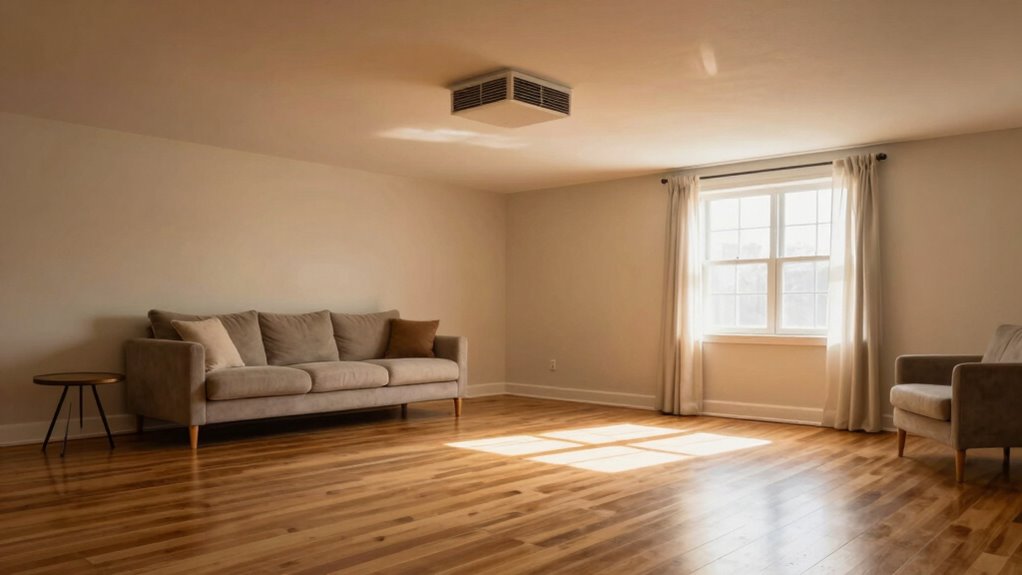
Have you ever wondered how to keep your finished basement healthy and comfortable? One of the key factors is guaranteeing proper air exchange. Without adequate ventilation, your basement can become a breeding ground for mold, odors, and indoor air pollutants. Implementing effective ventilation strategies is essential to maintain good air quality and create a space that’s both safe and inviting.
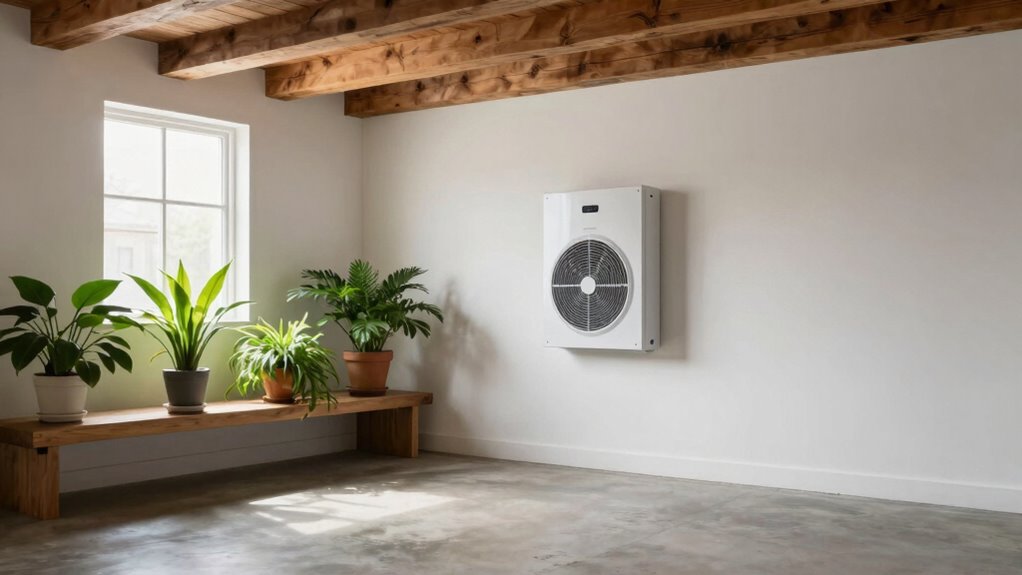
Ventilation strategies involve more than just opening a window now and then. You want a consistent system that promotes continuous airflow, removing stale air and bringing in fresh air. Mechanical ventilation options, such as exhaust fans or energy recovery ventilators (ERVs), help you control humidity levels and prevent moisture buildup. This is especially important in basements, which are prone to dampness due to their proximity to the ground. By actively managing air exchange, you can considerably reduce mold growth and musty smells that often plague finished basements. Properly designed ventilation systems ensure optimal air circulation and prevent stagnation. Incorporating air filtration technology can further improve indoor air quality by removing airborne particles and pollutants.
Consistent mechanical ventilation controls humidity, reduces mold, and keeps your basement fresh and comfortable year-round.
Air quality improvement isn’t solely about removing bad air; it also involves filtering out airborne particles and pollutants. Installing air purifiers equipped with HEPA filters can trap dust, pollen, and other allergens, further enhancing the indoor environment. Combining this with proper ventilation ensures that pollutants don’t accumulate over time. Remember, the goal is to create a balanced system where fresh air enters while stale air exits, maintaining ideal humidity and reducing airborne contaminants. Regular maintenance of your ventilation components is crucial to keep the system functioning efficiently and effectively. Additionally, understanding the impact of ventilation on indoor comfort can help you optimize your system for energy efficiency and health benefits.
Additionally, good ventilation helps control temperature fluctuations, making your basement more comfortable year-round. During the summer, it prevents excessive heat buildup, and in winter, it reduces moisture-related issues that can lead to condensation and frost formation. Proper air exchange also helps prevent the buildup of indoor odors, which can linger in enclosed spaces like finished basements. Whether it’s cooking smells, pet odors, or mustiness, good airflow makes a noticeable difference.
Furthermore, understanding air exchange and how it impacts indoor air quality can help you choose the right ventilation system for your space. Whether it’s a simple exhaust fan or an advanced ERV, proper design ensures continuous, balanced airflow that keeps your basement fresh and healthy. Regular inspections and maintenance of your ventilation components are crucial to ensure they operate efficiently over time.
Lastly, consider how your lifestyle impacts air quality. If you use your basement frequently for activities that generate humidity or pollutants—like laundry, hobbies, or even exercise—enhancing ventilation becomes even more critical. Regularly maintaining your ventilation system ensures it functions efficiently and continues to provide the benefits you need. Overall, investing in ventilation strategies and focusing on air quality improvement gives you a healthier, more comfortable finished basement where you can relax and enjoy your space without concern for indoor air issues.
Products Worth Considering

Levoit Vital 100S-P Air Purifier with Washable Pre-Filter

Coway Mighty Air Purifier AP-1512HH(W), White

Blueair Blue Pure 211i Max Smart Air Purifier for Large Rooms
As an affiliate, we earn on qualifying purchases.
Frequently Asked Questions
How Often Should I Ventilate My Finished Basement?
You should ventilate your finished basement at least once a day to maintain proper air circulation. Regular ventilation helps control basement humidity, reducing mold and musty odors. Use air circulation methods like exhaust fans, open windows, or portable air purifiers to improve airflow. If the basement feels damp or stuffy, increase ventilation frequency. Consistent air exchange keeps the space fresh, healthy, and comfortable, protecting your investment and your family’s health.
Can Poor Air Exchange Cause Mold Growth?
Yes, poor air exchange can cause mold growth, turning your basement into a damp, moldy nightmare! When humidity control fails, moisture lingers, creating the perfect environment for mold to thrive. Without proper ventilation, you risk mold spores spreading everywhere, damaging your space and health. Regularly ventilate to improve air exchange, keep humidity levels in check, and prevent mold growth, ensuring your basement stays dry, healthy, and mold-free.
What Are the Signs of Inadequate Basement Ventilation?
You’ll notice signs of inadequate basement ventilation through persistent moisture buildup and stale odors. If the air feels damp or you see condensation on walls or windows, it’s a clear sign. Unpleasant, lingering smells also indicate poor airflow. These issues can lead to mold growth and damage, so ensuring proper ventilation helps keep your basement dry, fresh, and healthy. Addressing these signs promptly improves air quality and prevents costly repairs.
Does Better Air Exchange Improve Indoor Air Quality?
Better air exchange greatly improves indoor air quality by enhancing air purification and humidity control. When your basement gets proper ventilation, it clears out stale air and reduces moisture buildup, preventing mold and musty smells. Think of it as killing two birds with one stone—you’re making your space healthier and more comfortable. Good airflow keeps your basement fresh and safe for everyone living above or below.
Are There Energy-Efficient Ways to Improve Basement Ventilation?
Yes, there are energy-efficient ways to improve basement ventilation. You can install energy-saving fans that circulate air without using much power, helping maintain good air quality. Pair these with air quality monitors to track pollutant levels and guarantee proper airflow. This combo keeps your basement fresh, reduces energy costs, and maintains a healthy environment, all while minimizing your carbon footprint.
Conclusion
Don’t underestimate the power of proper air exchange in your finished basement—ignore it, and your home could turn into a toxic cave faster than you can say “poor air quality”! Better ventilation isn’t just a small upgrade; it’s your secret weapon against mold, odors, and health hazards lurking in the shadows. Take action now, or risk turning your cozy retreat into an underground nightmare. Breathe easy—your basement’s air quality depends on it!