Two-story homes often have uneven temperatures because warm air rises and different areas have varying insulation needs. Multi-zone HVAC systems let you control the climate independently in each part of your home, boosting comfort and energy efficiency. They target hot or cold spots, saving energy and reducing utility bills. If you want a more comfortable and tailored indoor climate, there’s plenty more to discover about how these systems can work for you.
Key Takeaways
- Multi-zone systems allow precise temperature control, preventing hot upstairs and cold downstairs issues.
- They improve energy efficiency by heating or cooling only occupied zones, reducing overall energy costs.
- Simplify climate management in complex two-story layouts with individual zone controls.
- Reduce hot or cold spots, enhancing comfort across all floors.
- Support better indoor air quality and system longevity through targeted ventilation and maintenance.
Why Do Two-Story Homes Have Temperature Differences?
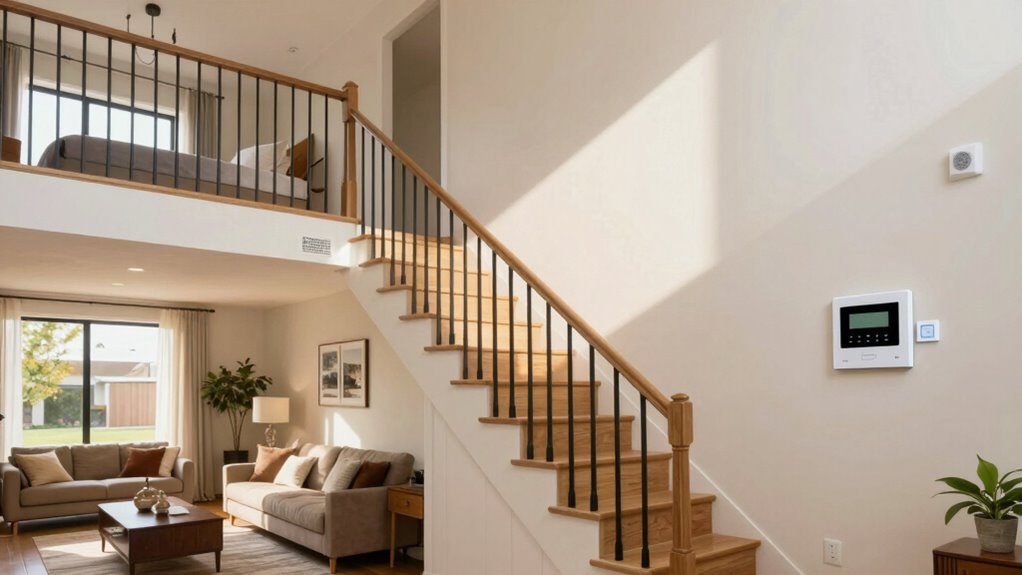
You may notice that the upstairs of your two-story home feels warmer or cooler than the downstairs, and this isn’t just a coincidence. Your interior decor and roofing materials play a significant role in these temperature differences. For example, darker roofing materials absorb more heat, transferring it into your attic and raising upstairs temperatures. Conversely, lighter roofing reflects sunlight, helping keep upper floors cooler. Additionally, interior decor choices, like thick curtains or reflective surfaces, can influence how heat moves through your home. Warm air naturally rises, so heat from your living space ascends to the upper level, causing temperature imbalances. Understanding these factors highlights why temperature variations occur and why a multi-zone system can help balance comfort across both floors efficiently. Proper insulation can also reduce heat transfer and improve overall temperature regulation within your home. Furthermore, implementing thermal barriers can help minimize heat flow between floors, enhancing your home’s energy efficiency. Incorporating air quality considerations, such as managing dust and pollutants, can further improve indoor comfort and health. Additionally, air circulation strategies can help distribute conditioned air more evenly across both levels, reducing temperature disparities. Improving HVAC zoning systems ensures more precise control over each zone and can significantly enhance comfort and energy savings.
How Multi-Zone HVAC Systems Deliver Customized Comfort

With a multi-zone HVAC system, you can set different temperatures for each area of your home, ensuring everyone stays comfortable. These systems offer precise temperature control, so you’re not wasting energy on unoccupied spaces. You also get zone-specific climate settings, allowing tailored comfort in every part of your house. Additionally, understanding watt-hours and capacity can help optimize your system’s efficiency and energy usage. Proper planning of home design details can further enhance the effectiveness of your multi-zone system by improving airflow and reducing energy waste. Incorporating noise reduction strategies can also improve overall comfort by minimizing disruptive sounds between zones. Considering biodiversity and landscaping can create a more harmonious environment that complements your cooling and heating setup, making your home even more energy-efficient. Incorporating contrast ratio considerations into your home setup can also enhance overall comfort by ensuring optimal climate control and visual clarity.
Precise Temperature Control
Multi-zone HVAC systems excel at delivering precise temperature control, ensuring each area in your home remains comfortable according to individual preferences. With system zoning, you can set different temperatures in every room or zone, avoiding unnecessary energy use and discomfort. This targeted approach also helps to improve air quality by reducing the circulation of dust and allergens in unoccupied spaces. Incorporating smart controls can further enhance these benefits by providing intuitive control and energy savings. You won’t have to compromise on comfort or efficiency, as the system adjusts to match each zone’s needs. Whether you prefer a cooler bedroom or a warmer living room, multi-zone systems give you the flexibility to create the perfect environment. The result is consistent comfort throughout your home, tailored to your lifestyle, with enhanced air quality and optimized system performance.
Zone-Specific Climate Settings
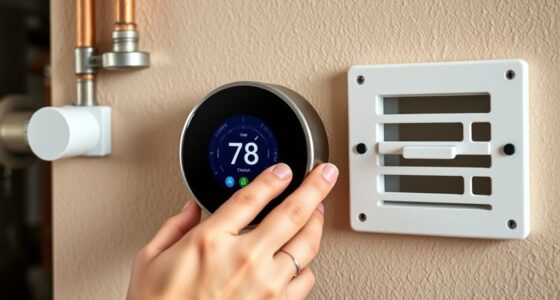
Ever wondered how your home can feel perfectly comfortable in every room? Multi-zone HVAC systems make this possible through zone-specific climate settings. Each zone gets tailored temperature control, so you’re not wasting energy cooling or heating unoccupied spaces. Proper thermostat placement is key; placing thermostats in strategic spots ensures accurate readings and effective zone maintenance. This setup allows you to set different temperatures for each room or area, optimizing comfort and efficiency. With zone-specific climate settings, you can enjoy a consistently cozy environment without overworking your system. Additionally, using advanced smart thermostats can further enhance zone control and energy savings. It’s a smart way to address the varied heating and cooling needs of your home, especially in a two-story layout where temperature variations are common.
Is a Multi-Zone System Right for Your Two-Story Home?
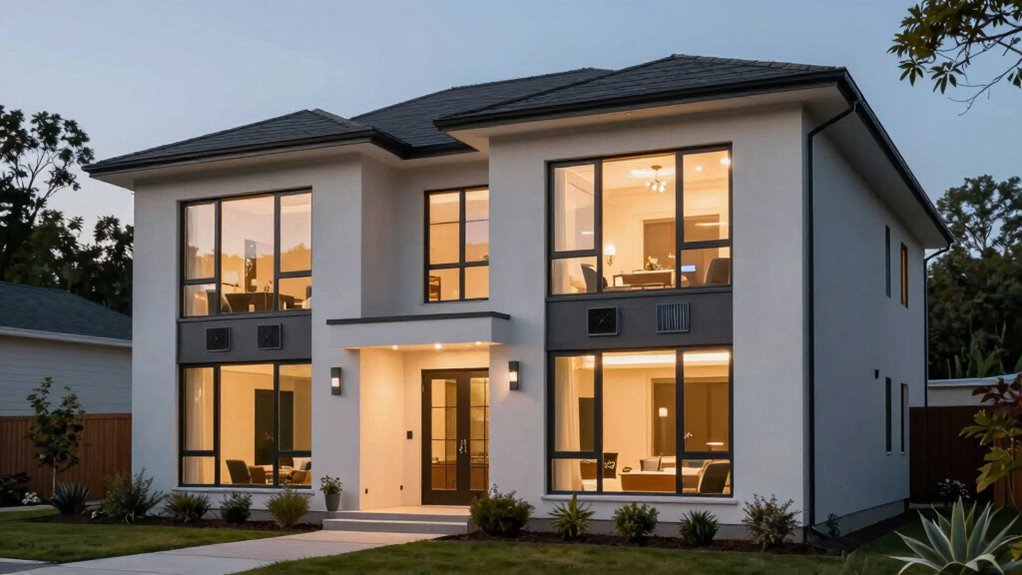
A multi-zone system can give you better temperature control across your two-story home, ensuring each level stays comfortable. It also helps save energy by cooling or heating only the areas you’re using. If you want more control and efficiency, a multi-zone setup might be the right choice for you. Incorporating modern home technology trends can enhance your overall living experience and align with sustainable practices. Additionally, integrating smart energy management systems can further optimize your power usage and improve overall efficiency. These systems can also support energy conservation efforts, contributing to a more environmentally friendly lifestyle. Understanding household guides can help you implement these systems effectively and maintain a clean, organized home environment.
Enhanced Temperature Control
If your two-story home struggles with uneven temperatures, a multi-zone system can substantially enhance your comfort. With smart thermostats installed in each zone, you gain precise control over the temperature in every area, preventing hot or cold spots. This setup allows you to customize heating and cooling to match your preferences and schedule, making your home more comfortable year-round. Additionally, improved temperature regulation helps maintain better indoor air quality by reducing drafts and humidity issues that can foster mold or allergens. The ability to adjust each zone individually means you’re not wasting energy heating or cooling unoccupied spaces. Connected technology can further optimize your system by adapting to your habits and preferences, ensuring maximum efficiency. Overall, multi-zone systems provide you with enhanced temperature control, creating a more comfortable, healthier living environment tailored to your home’s unique layout. Incorporating HVAC zoning can also contribute to energy savings and increased system longevity.
Energy Efficiency Benefits
Implementing a multi-zone system in your two-story home can considerably boost your energy efficiency. By targeting specific areas, you avoid wasting energy cooling or heating unused spaces, saving you money. This precise control means your indoor aesthetics stay consistent, with no need for bulky, inefficient window units or multiple unnecessary vents. Additionally, multi-zone systems reduce noise levels because they operate only in the zones that require attention, unlike traditional systems that run constantly and often loudly. This setup minimizes energy waste and enhances comfort without disturbing your daily activities. Overall, a multi-zone system helps you use energy more wisely, lowering your utility bills while maintaining a comfortable, visually appealing home environment.
What Are the Benefits of Installing a Multi-Zone HVAC?
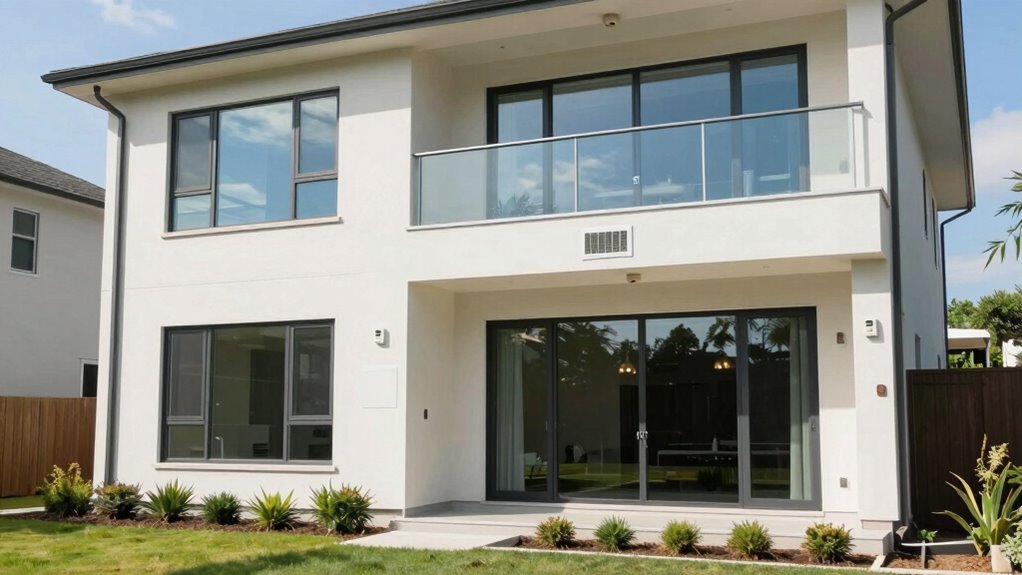
Installing a multi-zone HVAC system offers several advantages that can considerably improve your home’s comfort and efficiency. One key benefit is the ability to control indoor air quality more effectively, as you can tailor airflow and filtration for each zone. This means cleaner air and healthier living conditions. Additionally, multi-zone systems help reduce noise levels by directing airflow only where needed, preventing loud, constant operation in unoccupied areas. You won’t have to compromise on comfort or deal with loud, disruptive sounds from a single, centralized unit. Instead, each zone can be heated or cooled independently, providing precise temperature control. This targeted approach not only boosts comfort but also enhances overall system performance, making your home more comfortable, quieter, and more energy-efficient.
What to Expect During Your Multi-Zone HVAC Installation
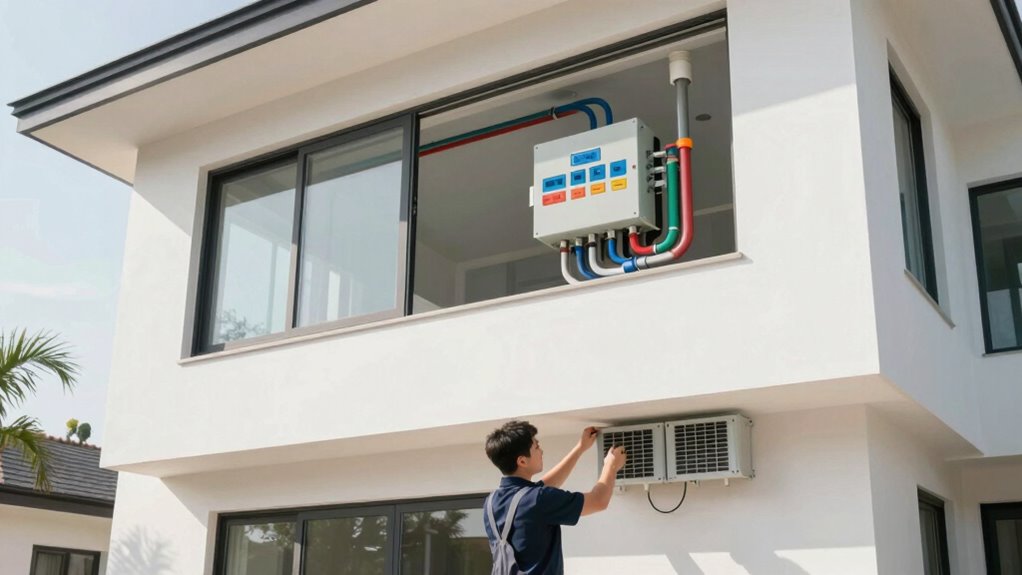
When your multi-zone HVAC system is being set up, you can expect a process that involves precise planning and careful execution. The technician will assess your home’s layout, focusing on duct design to ensure optimal airflow and zone control. You might see adjustments to existing ducts or new ones installed to improve air quality and temperature regulation. During installation, expect thorough testing of each zone’s operation to confirm proper airflow and temperature balancing. The goal is to create an efficient system that enhances comfort and air quality throughout your home. Here’s a quick overview:
| Step | What to Expect |
|---|---|
| Duct Design Evaluation | Customizing ductwork for efficient airflow and zoning |
| Equipment Installation | Setting up the multi-zone system components |
| Zone Control Setup | Installing thermostats and sensors for each zone |
| System Testing | Ensuring proper airflow, temperature, and air quality |
| Final Adjustments | Fine-tuning for optimal performance and comfort |
Additionally, technicians may utilize building codes to ensure compliance and safety during the installation process. To achieve the best results, they often rely on proper duct design to optimize airflow and system efficiency.
How Much Does a Multi-Zone System Cost?

How much does a multi-zone system cost? The price varies depending on your home’s size, layout, and the number of zones needed. On average, expect to spend between $2,500 and $7,500, including installation. The system can improve indoor air quality by allowing targeted control of different areas, reducing pollutants and allergens. Additionally, many multi-zone systems come with smart thermostat integration, which enhances convenience and energy efficiency. With smart thermostats, you can customize temperatures for each zone, saving you money and optimizing comfort. Keep in mind that while the initial investment might seem higher than traditional systems, the long-term savings and improved indoor air quality make it a worthwhile upgrade for two-story homes.
Maintenance Tips for Your Multi-Zone System

Maintaining your multi-zone system regularly guarantees it operates efficiently and lasts longer. Consistent upkeep ensures your interior design remains comfortable and your home insulation stays effective. Check filters monthly and replace them if dirty to improve airflow and reduce energy costs. Schedule professional inspections twice a year to catch issues early. Keep vents clear of debris, especially in hard-to-reach areas of your two-story home. Proper maintenance helps prevent uneven heating or cooling across zones. Paying attention to home environment can also contribute to a more balanced and efficient system.
Homeowner Experiences With Multi-Zone HVAC Systems
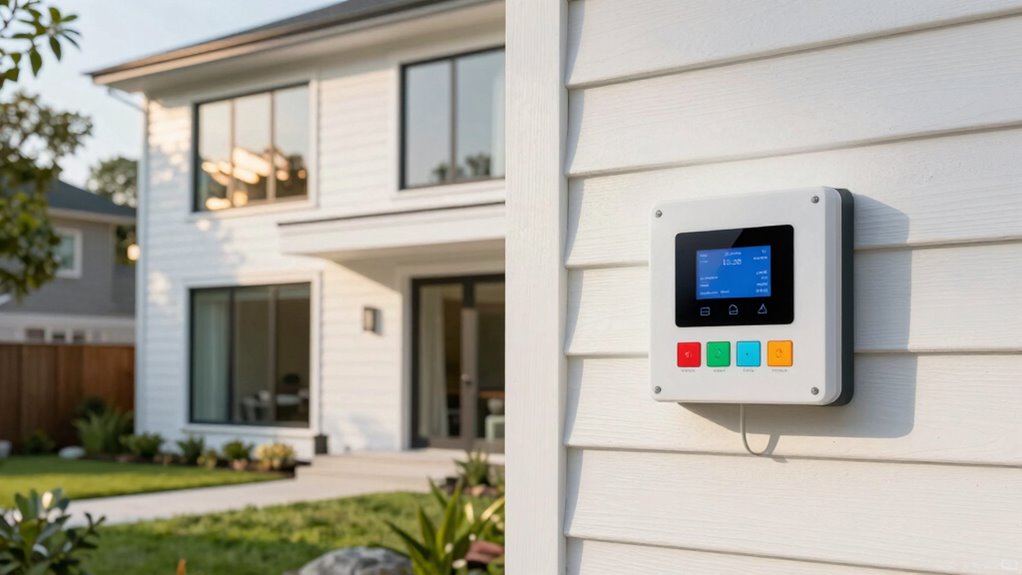
Many homeowners find that installing a multi-zone HVAC system greatly improves their comfort and energy efficiency. You’ll notice better temperature control across different areas, making your home more comfortable during hot summers or cold winters. For instance, if you’re working on a garden design, you can keep outdoor spaces cooler without affecting indoor comfort. Similarly, during a kitchen remodel, you can maintain the perfect temperature in the kitchen while keeping other rooms cooler. Homeowners also report increased satisfaction with their HVAC system’s ability to target specific zones, reducing energy waste. This system adapts well to your lifestyle, allowing you to customize comfort levels in different parts of your home. Overall, the experience is positive, with many finding that multi-zone systems enhance their living environment substantially.
Common Challenges and How to Overcome Them
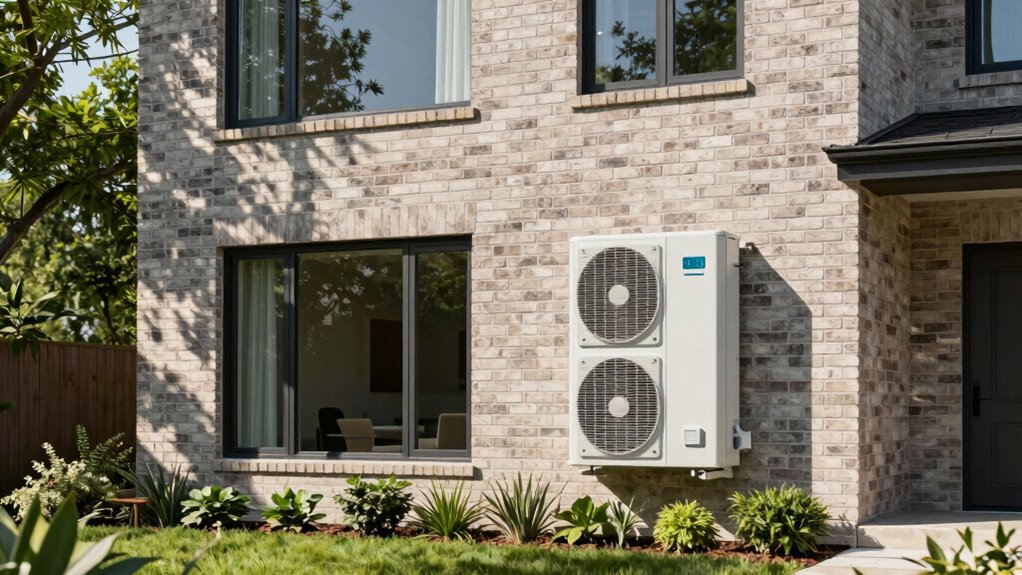
Balancing multiple zones can be tricky, causing uneven temperatures and discomfort. System complexity might lead to troubleshooting headaches and higher repair costs. To manage these challenges, you need to optimize zone controls, stay on top of maintenance, and weigh the initial investment against long-term savings.
Balancing Zones Effectively
Achieving proper zone balance can be one of the most challenging aspects of managing a two-story home with a multi-zone HVAC system. If zones aren’t balanced correctly, you may experience zoning conflicts, where some areas are too hot or cold despite your efforts. To improve energy savings, guarantee each zone has properly calibrated dampers and thermostats. Regularly adjusting and fine-tuning these components helps prevent uneven temperatures. Using a zoning system with advanced controls allows you to set priorities and maintain consistent comfort across all levels. Keep in mind that hot or cold spots often result from airflow imbalances, so inspecting ductwork and vents can make a significant difference. Effectively balancing zones minimizes conflicts, maximizes comfort, and enhances your system’s efficiency.
Addressing System Complexity
Managing the complexity of a multi-zone HVAC system in a two-story home can be intimidating, especially when issues arise unexpectedly. You might find yourself struggling with system calibration, guaranteeing each zone heats or cools correctly without affecting others. Sometimes, the user interface can feel overwhelming, making it difficult to adjust settings or troubleshoot problems. To overcome this, start by consulting your system’s manual or a professional to fine-tune calibration settings. Modern systems often feature intuitive user interfaces that simplify control, so take time to familiarize yourself with these features. Regularly updating the system’s firmware and using clear labels can help prevent confusion. Addressing these challenges head-on ensures your multi-zone system operates smoothly, keeping your home comfortable without unnecessary frustration.
Managing Cost and Maintenance
Are the costs and maintenance demands of a multi-zone HVAC system holding you back? While they can seem intimidating, proper planning makes managing expenses easier. Regular maintenance prevents costly repairs, and choosing energy-efficient systems reduces long-term costs. Your interior design can influence zoning needs, impacting installation and upkeep. Landscaping choices also matter—shaded areas lessen cooling costs, easing system strain.
| Aspect | Challenge | Solution |
|---|---|---|
| Interior design | Complex zoning integration | Simplify layouts to reduce zones |
| Landscaping choices | Increased cooling demands | Opt for shaded landscaping; native plants |
| Maintenance | System component wear | Schedule routine inspections and cleanings |
With thoughtful planning, you can optimize both costs and maintenance, making multi-zone systems a practical choice for your two-story home.
Is a Multi-Zone HVAC System a Smart Choice for Your Home?
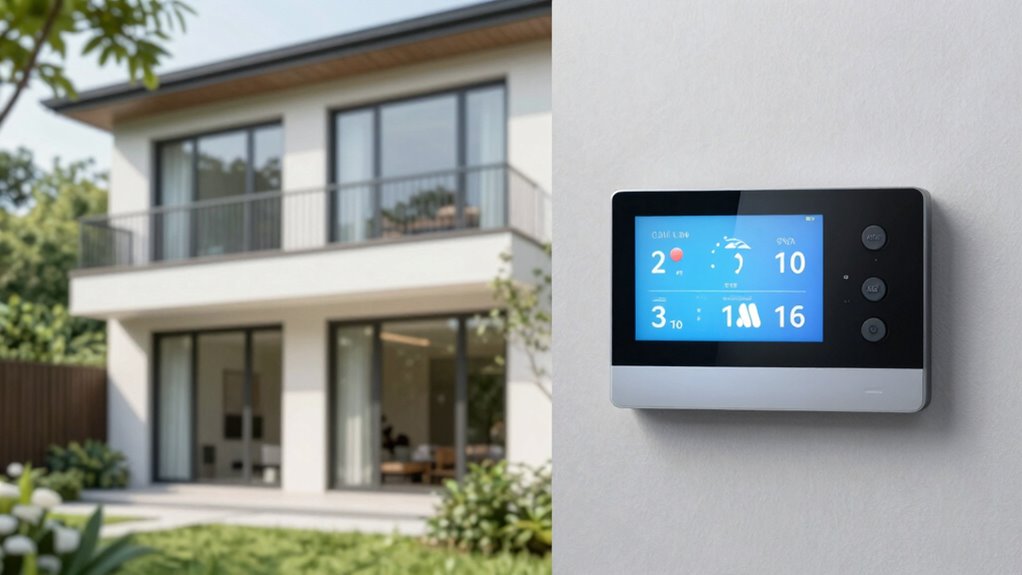
Considering a multi-zone HVAC system could be a smart move if your home has multiple levels or rooms with varying heating and cooling needs. These systems offer greater control, allowing you to customize temperature settings for each zone. Smart thermostats play a key role, enabling you to manage each zone remotely and efficiently. Ductless systems are also a popular option, especially for rooms that are hard to heat or cool with traditional ductwork. They’re easy to install and provide targeted comfort, reducing energy waste. If you value energy savings and personalized comfort, a multi-zone setup makes sense. It not only enhances your home’s efficiency but also gives you more control over your indoor environment, making it a wise investment for two-story homes.
Frequently Asked Questions
How Energy-Efficient Are Multi-Zone Systems in Two-Story Homes?
Multi-zone systems are highly energy-efficient in two-story homes because they allow you to target specific areas, reducing unnecessary heating or cooling. This customization leads to significant cost savings and minimizes environmental impact, as you use less energy overall. With better control over temperature zones, you avoid wasting energy on unoccupied spaces, making your home more eco-friendly and saving you money on utility bills.
Can Multi-Zone Systems Be Integrated With Smart Home Technology?
Yes, multi-zone systems easily integrate with smart home technology. You can connect them for smart integration, allowing you to control each zone remotely through apps or voice control devices like Alexa or Google Assistant. This setup offers convenience and energy efficiency, enabling you to customize temperatures for different areas effortlessly. With voice control, managing your home’s climate becomes simple, giving you full command at your fingertips or voice.
What Are the Common Signs Indicating the Need for a Multi-Zone Upgrade?
When your heating or cooling struggles to reach all rooms evenly, it’s a clear sign of single zone limitations. You might notice certain areas are always too hot or cold, or the system runs constantly without relief. Zoning system costs can seem high initially, but these signs show it’s time for an upgrade. If comfort is inconsistent, don’t ignore it—you’re ready to contemplate a multi-zone system for better control.
Are There Specific Brands or Models Recommended for Two-Story Homes?
For two-story homes, consider brands like Trane, Carrier, or Lennox, which offer reliable multi-zone systems. When comparing models, look for features like energy efficiency and smart controls. Trane’s XV20i, Carrier’s Infinity series, and Lennox’s SL18XC1 are top recommendations due to their performance and durability. Make sure to review brand comparisons and consult with an HVAC professional to find the perfect fit for your specific home layout.
How Long Does a Typical Multi-Zone HVAC System Installation Take?
A typical multi-zone HVAC system installation takes about one to three days, depending on your home’s size and complexity. During this time, professionals set up separate zones for customized comfort, highlighting the zoning benefits. Once installed, you can perform DIY maintenance like changing filters or cleaning dampers, which keeps the system running efficiently. Proper installation guarantees you enjoy consistent temperatures and energy savings in your two-story home.
Conclusion
Considering a multi-zone HVAC system could be a game-changer for your two-story home, especially since studies show that uneven heating and cooling can increase energy bills by up to 30%. With tailored comfort, improved efficiency, and fewer temperature conflicts between floors, you’re making a smart investment. Plus, many homeowners report noticeable savings and enhanced comfort after installation. So, if you’re ready to upgrade, a multi-zone system might just be the solution you need for perfect, consistent temperatures throughout your home.