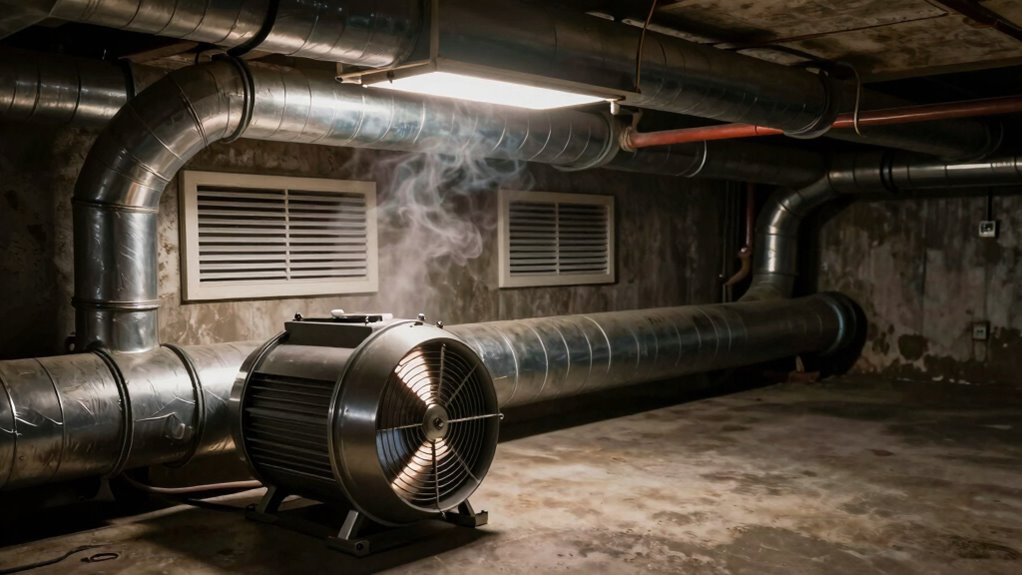

Booster fans are helpful if you have long duct runs or weak registers, especially in hot bedrooms where airflow drops. They increase pressure and improve airflow at problem spots, making your space more comfortable. However, they won’t fix underlying issues like leaks or poor system design. If you want to know how to determine whether a booster fan is right for you and explore other options, keep exploring to find out more.

Get home appliances delivered free with Prime
- Fast, free delivery on millions of items
- Prime Video, Amazon Music and more included
- Member-only deals all year
Key Takeaways
- Booster fans are effective in long duct runs over 25 feet to improve airflow and pressure at weak registers.
- They help distribute cooled or heated air more evenly in hot bedrooms with poor airflow.
- Proper placement near problem areas or the main blower maximizes booster fan efficiency.
- Booster fans address airflow limitations but don’t fix underlying duct leaks or poor insulation.
- Combining booster fans with duct sealing and insulation offers the best solution for long duct and hot bedroom issues.
Products Worth Considering

Levoit Eleva 300X Air Purifier for Home Bedroom

Dyson V8 Cyclone Cordless Vacuum

Bose TV Speaker (2nd Gen) Compact Soundbar
As an affiliate, we earn on qualifying purchases.
What Are the Key Factors Before Installing a Booster Fan?
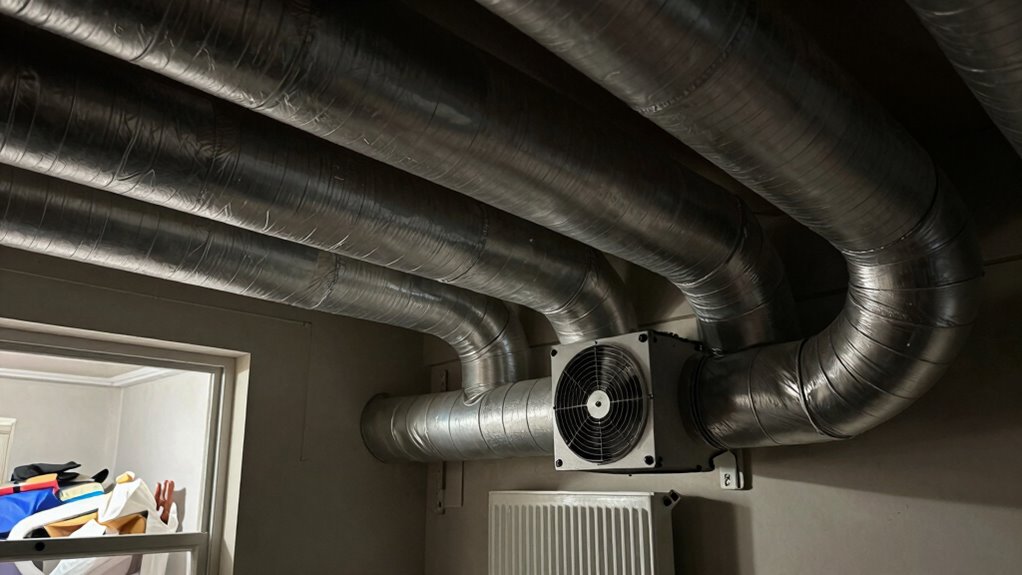
Before installing a booster fan, you need to take into account several key factors to guarantee it works effectively. First, consider the airflow needs of your space—long ducts or hot bedrooms often require additional air pressure. Think about air filtration, especially if you have indoor plants, which can be sensitive to poor air quality. A booster fan can help improve circulation and make certain fresh air reaches every corner, but it must be properly sized for your system. Check the duct diameter and existing ventilation capacity to avoid overworking the fan. Also, evaluate noise levels and ease of installation. Proper planning assures your booster fan enhances airflow without disrupting indoor air quality or compromising the health of your indoor plants. Additionally, understanding your airflow requirements and research needs can help you select the most effective solution for your specific environment. Considering ventilation efficiency can further optimize the overall performance of your setup.
When Are Booster Fans Effective for Long Duct Runs?

Booster fans work best for long duct runs when the duct length substantially reduces airflow or pressure. Proper fan placement and system balancing are essential to maximize efficiency and avoid pressure issues. Knowing the duct’s length and designing the system accordingly helps you determine the right moment to install a booster fan. Additionally, understanding how system components interact can help prevent over-pressurization and ensure optimal airflow. Considering the contrast ratio and other system factors can also improve overall performance and comfort.
Duct Length Impact
Have you ever wondered at what point duct length starts to considerably impair airflow? Generally, ducts over 25 feet can weaken air pressure, especially if they lack proper duct insulation. When ducts are long, the air encounters more resistance, reducing volume at the registers. This is where booster fans can help, but only if the ductwork is sealed and well-insulated to prevent energy loss. Poor duct insulation causes heat transfer, making the system work harder to maintain temperature, which impacts airflow and comfort. Additionally, air filtration inside ducts can clog filters, further reducing airflow over long distances. If your duct runs exceed typical lengths, think about upgrading insulation and ensuring filters are clean before relying on booster fans, which are most effective when airflow is already compromised by duct length. Proper duct design can also minimize these issues and improve overall system efficiency.
Fan Placement Strategies
Strategically placing booster fans can considerably improve airflow in long duct runs, but their effectiveness depends on where and how you install them. Positioning a booster fan closer to the main blower or near the problem area ensures better airflow and energy efficiency, reducing the strain on your system. Avoid placing fans in locations where they struggle against high resistance, as this can increase noise levels and decrease overall efficiency. Keep the fan’s position accessible for maintenance and verify it doesn’t create turbulence that could amplify sound. Proper placement prevents energy waste and minimizes noise, making your system run more smoothly. Remember, well-placed booster fans target airflow issues directly, providing better performance without unnecessary noise or power consumption.
System Balance Optimization
When long duct runs create uneven airflow, booster fans become an effective solution only if you use them to restore balance. Proper system balance guarantees each room gets adequate airflow, preventing hot spots and cold areas. Before installing booster fans, consider air duct cleaning to remove dust and debris that hinder airflow, improving overall efficiency. When airflow is uneven, your HVAC system works harder, wasting energy and increasing costs. Booster fans can help redistribute air more evenly, boosting energy efficiency and comfort. However, they should complement a balanced duct system, not replace proper design. Regular maintenance and adjustments optimize airflow, saving energy and reducing strain on your system. Additionally, understanding system balance and how it affects airflow can help prevent issues before they arise. Ensuring adequate airflow distribution is crucial for maintaining a comfortable and efficient home environment. Properly designed ductwork and airflow management techniques are essential to achieving these goals. Implementing system diagnostics can further identify potential imbalances early, enhancing overall performance. To further improve efficiency, consider airflow testing to pinpoint specific issues in your duct system. Ultimately, balanced airflow improves comfort, system longevity, and energy efficiency.
Do Booster Fans Help Keep Hot Bedrooms Comfortable?
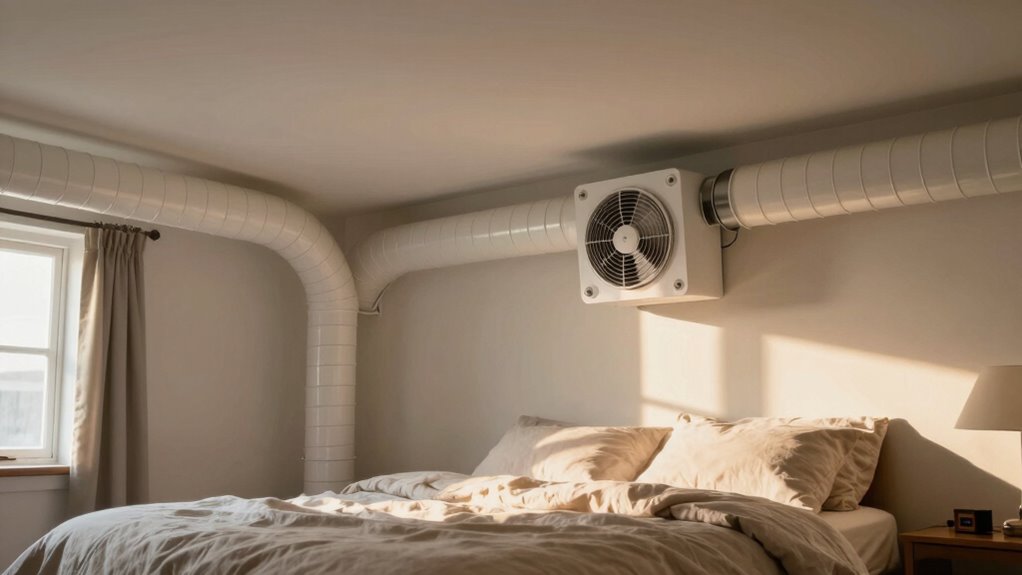
Booster fans can improve air circulation in your hot bedroom, helping to distribute cooled or conditioned air more evenly. They target temperature imbalances by reducing hot spots, making the room more comfortable. However, their effectiveness depends on proper placement and the specific layout of your space. Additionally, understanding support networks for new dads can be useful if you’re managing household changes alongside optimizing your climate control. Proper home organization can also enhance overall airflow and comfort, ensuring that your cooling efforts are more effective. Choosing the right air circulation tools can further optimize your cooling strategy and maintain a more consistent temperature throughout the room. Proper waterpark safety tips are also important if your household plans include visiting waterparks to stay cool during the summer heat. Using DIY beauty secrets such as natural cooling sprays can also help make hot bedrooms more bearable during peak temperatures.
Enhancing Air Circulation Effectiveness
If your hot bedroom feels stuffy and uncomfortable, adding a booster fan can substantially improve air circulation. Proper airflow enhances air quality by reducing stale, stagnant air, making your space feel fresher and more comfortable. To maximize effectiveness, position the booster fan where it can direct air toward the room’s center or toward vents that circulate air evenly. Keep noise levels in mind; choose a fan with quiet operation to avoid disrupting sleep. A booster fan helps prevent hot spots and promotes consistent airflow, making your bedroom cooler and more comfortable. Additionally, addressing issues like long duct runs can further improve overall airflow efficiency throughout the space. Ensuring that your ventilation system is properly installed and maintained is also crucial for optimal airflow, which can significantly improve comfort. Properly enhancing air circulation is key to creating a more pleasant, breathable environment in your hot bedroom. External factors such as airflow restrictions should also be considered to achieve the best results. Addressing these limitations can further improve air circulation efficiency and overall comfort.
Addressing Temperature Imbalances
While improving air circulation helps create a fresher environment, addressing temperature imbalances in a hot bedroom requires targeted solutions. Booster fans can help by directing more cooled air into the space, but they’re not a complete fix. You should also monitor indoor humidity, since high humidity can make a room feel hotter and more uncomfortable. Using dehumidifiers alongside booster fans can improve overall comfort. Additionally, air purification can remove allergens and pollutants that might contribute to discomfort or poor air quality, making your bedroom feel fresher and more balanced. Properly balancing airflow, humidity, and air quality guarantees your hot bedroom remains comfortable without overworking your HVAC system or creating drafts. Incorporating creative solutions like smart zoning or adjustable vents can further optimize airflow and temperature control, providing a more effective, long-term solution to temperature imbalances. To enhance overall climate control, understanding indoor climate factors can help you develop a more comprehensive approach. Recognizing airflow dynamics within your space can also help you strategically position booster fans and vents for optimal results, especially when considering the distribution of cooled air.
Reducing Bedroom Hot Spots
Hot spots in your bedroom can make it uncomfortable, especially during warm months. To reduce these hot spots, consider improving airflow and circulation. Booster fans can help distribute cooled air more evenly, preventing localized heat buildup. Adding indoor plants not only enhances air quality but also helps regulate humidity and cool the room naturally. Air purifiers improve air quality and can make the environment feel fresher and more comfortable, indirectly reducing heat discomfort. Keep windows open when possible, and use ceiling or oscillating fans to promote better airflow. Combining booster fans with these strategies creates a more balanced temperature, minimizing hot spots. This approach helps you stay cool, comfortable, and relaxed in your bedroom all summer long.
How Do Booster Fans Improve Airflow in Weak Registers?

Booster fans play a crucial role in enhancing airflow in weak registers by actively increasing the air volume pushed through ductwork. They work by boosting the pressure and volume of air, helping it reach distant or obstructed registers more effectively. This improved airflow means you get better heating or cooling distribution throughout your space. To keep the system running smoothly, guarantee the air filter is clean, as a clogged filter can reduce efficiency and increase noise levels. Noise level is a key consideration; modern booster fans are designed to operate quietly, minimizing disruption. By strengthening airflow at weak points, booster fans deliver more consistent comfort, especially in rooms far from the furnace or with long duct runs.
Is a Booster Fan the Right Solution for Poor Airflow?
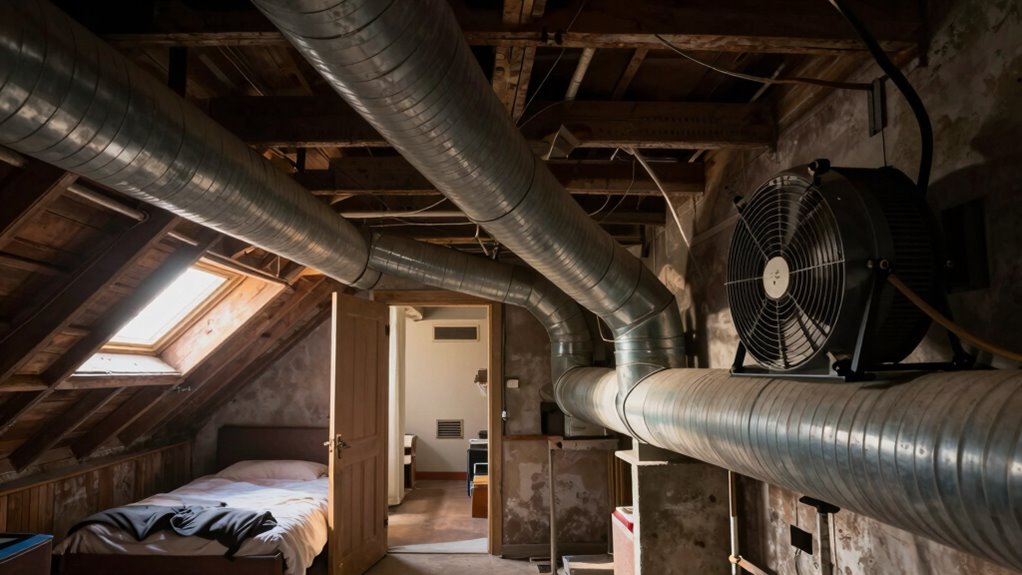
Booster fans can improve airflow, but they aren’t always the best fix for poor circulation. You should consider their effectiveness compared to other solutions like duct sealing or adjusting vents. Evaluating your specific situation helps determine if a booster fan is the right choice.
Effectiveness of Booster Fans
Are booster fans an effective solution for poor airflow in long ducts and hot bedrooms? They can help increase airflow, but their effectiveness depends on the situation. Booster fans work best when ducts are obstructed or airflow is weak due to distance. However, they don’t address underlying issues like inadequate air filtration or poor system design. Adding indoor plants can improve air quality naturally, complementing the boost in airflow, especially in rooms with hot temperatures. Keep in mind, booster fans won’t fix temperature imbalances or airflow leaks. They’re a temporary fix to move more air, but for consistent comfort, you might need to contemplate other solutions like duct sealing or ventilation upgrades. Ultimately, booster fans are helpful, but not always the complete answer.
Alternative Airflow Solutions
When airflow problems persist in long ducts or hot bedrooms, exploring alternative solutions beyond booster fans can often yield better results. Instead of relying solely on additional fans, consider options that improve overall system efficiency and air quality. Upgrading duct insulation, sealing leaks, or installing a zoning system can help direct airflow where needed without increasing noise levels. Additionally, balancing dampers can optimize airflow without noise or air quality issues. You might also improve air quality by adding air purifiers or ensuring filters are clean. These solutions often address root causes more effectively than booster fans, reducing noise and maintaining better air quality. Ultimately, tailored solutions can enhance comfort and airflow without the drawbacks of unnecessary equipment.
Common Mistakes That Reduce Booster Fan Effectiveness

One common mistake that diminishes booster fan effectiveness is improper placement. If you install the fan too close to vents or in obstructed areas, airflow suffers, reducing its boost. Also, neglecting regular air filter maintenance causes dust buildup, restricting airflow and diminishing performance. Duct sealing is often overlooked; leaks let conditioned air escape, making the booster work harder without much benefit. To optimize, place fans near problem areas but away from obstructions. Keep filters clean and ducts sealed to guarantee maximum airflow efficiency. Here’s a quick overview:
| Mistake | Effect | Solution |
|---|---|---|
| Poor placement | Reduced airflow, inefficiency | Install near vents, clear space |
| Dirty air filters | Reduced airflow, strain | Regular filter maintenance |
| Leaky ducts | Air loss, decreased pressure | Seal duct leaks |
What Are the Best Alternatives to Booster Fans for Long Ducts and Hot Rooms?
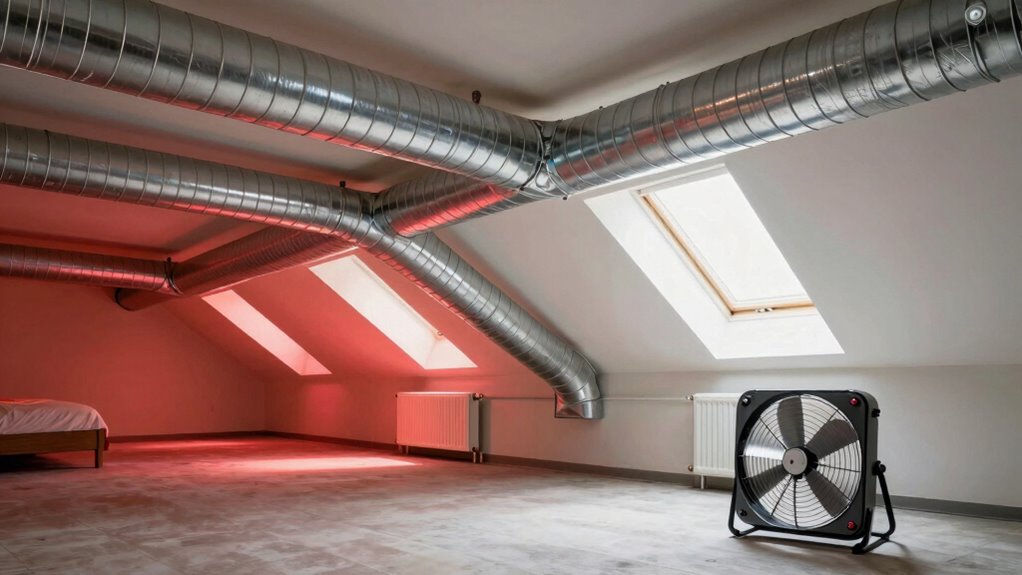
Looking for effective alternatives to booster fans for long ducts and hot rooms? Upgrading your HVAC system can improve air quality and reduce noise levels, making your space more comfortable. Consider these options:
Explore HVAC upgrades like sealing ducts and zoned systems for better airflow and comfort.
- Installing a larger or more efficient main blower to improve airflow
- Sealing and insulating ducts to prevent leaks and heat loss
- Using zoned heating and cooling systems for targeted temperature control
- Adding a duct booster or inline fan directly in problematic areas
- Improving insulation and sealing around hot rooms to maintain temperature without extra fans
These solutions can enhance airflow, improve air quality, and keep noise levels down. They’re often more reliable and energy-efficient than booster fans, providing a long-term fix for uneven temperatures and air distribution issues.
How to Choose the Right Booster Fan for Your HVAC System

Choosing the right booster fan for your HVAC system depends on understanding your specific airflow needs and the characteristics of your space. Focus on energy efficiency to guarantee the fan doesn’t increase your utility bills unnecessarily. Look for models with low power consumption but effective airflow. Noise levels are also essential—you want a fan that operates quietly, especially in bedrooms or quiet zones. Check the decibel ratings and user reviews to gauge sound performance. Consider the fan’s size and compatibility with your ductwork or vents. Properly sizing the booster fan ensures peak performance without overworking your system. By balancing energy efficiency and noise levels, you can select a booster fan that improves airflow without creating disruptions or high costs.
Should You Call an HVAC Professional About Booster Fans?

While selecting the right booster fan involves understanding your system’s needs, installing or modifying ductwork can sometimes require expert knowledge. You should consider calling an HVAC professional if you’re unsure about duct insulation, air filter maintenance, or if the booster fan installation affects your system’s efficiency. An HVAC expert can evaluate your current setup and identify issues like leaks or poor insulation that might limit performance. They can also guarantee the fan is installed correctly, preventing damage or inefficiency.
You might need professional help if:
- You’re unfamiliar with duct insulation requirements
- Your air filter needs frequent cleaning
- Ductwork runs are complex or inaccessible
- You notice inconsistent airflow
- You want to optimize energy efficiency and indoor comfort
Deciding if a Booster Fan Is Right for Your Home: A Step-by-Step Guide
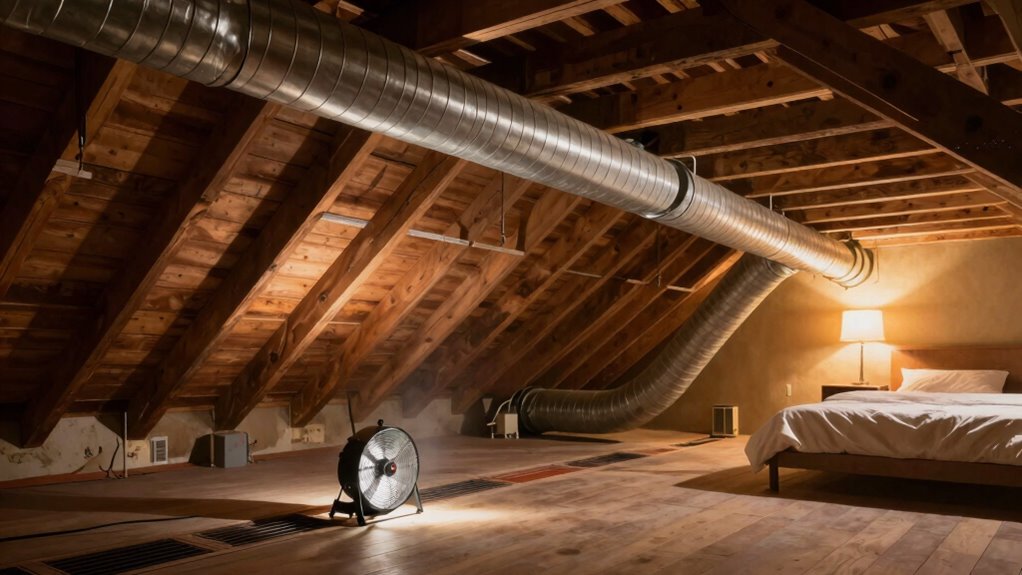
Deciding whether a booster fan is right for your home involves evaluating your specific ventilation needs and existing duct system. First, assess if your rooms, like a hot bedroom or long duct runs, experience uneven airflow or temperature issues. Check if indoor humidity levels are uncomfortable or cause mold growth, which booster fans can help mitigate. Consider noise levels; if the fan creates disruptive sound, it might not be suitable. If your current system struggles with weak registers or inadequate airflow, a booster fan could improve comfort. However, if noise or humidity concerns outweigh the benefits, exploring alternative solutions might be better. Ultimately, this decision depends on balancing airflow improvements with indoor comfort, ensuring that any added device enhances your home environment without causing new issues.
Frequently Asked Questions
Can Booster Fans Cause Increased Energy Bills?
Booster fans can increase your energy bills if used improperly, as they consume additional power. While they improve airflow and comfort, they may reduce overall energy efficiency if they run constantly or unnecessarily. You should weigh the cost implications against the comfort benefits, and consider using timers or thermostats to control their operation. Properly managed, booster fans can be cost-effective, but misuse could lead to higher energy consumption and bills.
Are Booster Fans Noisy During Operation?
Booster fans can sometimes be noisy during operation, especially if they’re not installed properly. You might notice fan noise that disrupts your comfort, which can be frustrating. Installation challenges, like improper mounting or incorrect settings, often contribute to increased noise levels. To minimize noise, make certain professional installation and regular maintenance. If noise persists, consider upgrading to a quieter model or adjusting the fan’s settings for quieter operation.
How Long Does It Take to See Results After Installing?
You’ll typically notice airflow improvements within a few hours to a day after installing a booster fan. While installation challenges might cause slight delays, most systems respond quickly. In areas with long duct runs or weak registers, the booster fan enhances airflow efficiently, making your space more comfortable fast. Keep in mind, consistent operation guarantees maximum results, so give it some time to see the full benefits.
Do Booster Fans Require Regular Maintenance?
Booster fans do require regular fan maintenance to keep them running efficiently and guarantee peak energy efficiency. You should check for dust buildup, loose wiring, or worn-out components regularly. Proper maintenance prevents unnecessary energy consumption, extends the fan’s lifespan, and maintains consistent airflow. By staying on top of these tasks, you’ll enjoy better comfort, lower energy bills, and reliable performance from your booster fans.
Can Booster Fans Be Installed in Existing Duct Systems?
In a manner befitting a Victorian scholar, you can indeed install booster fans in existing duct systems. Check duct compatibility first; some ducts may require adjustments or reinforcement. Proper fan placement is essential—ideally near weak registers or long duct runs to maximize airflow. With careful planning and professional guidance, booster fans can seamlessly enhance your system’s efficiency without the need for a complete overhaul.
Conclusion
If you’re considering booster fans, weigh the factors, assess your home’s needs, and explore all options. Determine if they enhance airflow, improve comfort, and fit your system. Understand when they help, when they don’t, and when professional advice is essential. Because choosing wisely guarantees better airflow, cooler bedrooms, and a more comfortable home. Remember, informed decisions lead to better comfort, efficient systems, and lasting satisfaction—so take the time to choose what truly works for you.