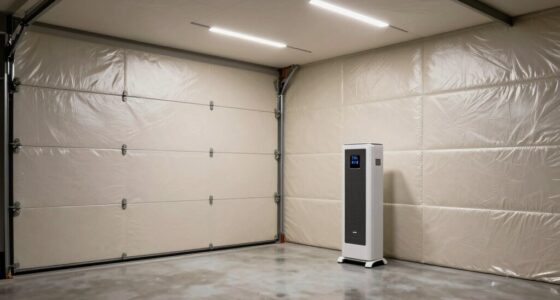
A home can feel stuffy even with good temperature control due to poor air circulation, high humidity, and an inefficient ventilation system. Furniture blocking vents and curtains too close to windows can hinder airflow, while excess moisture creates a clammy environment. Even indoor plants might elevate humidity levels and contribute to discomfort. Regular maintenance and inspections can help guarantee fresh air flows freely throughout your space. Discovering simple solutions can make all the difference.

Get home appliances delivered free with Prime
- Fast, free delivery on millions of items
- Prime Video, Amazon Music and more included
- Member-only deals all year
Key Takeaways
- Poor air circulation from blocked vents or furniture can lead to stagnant, stuffy air despite temperature control.
- High humidity levels can create a clammy feeling, making homes feel stifling even when cool.
- Inefficient HVAC systems may struggle to distribute air evenly, causing some rooms to feel stuffy.
- Excessive indoor plants can elevate humidity and contribute to discomfort, impacting the overall air quality.
- Regular inspections and maintenance of ventilation systems are essential for ensuring optimal airflow and comfort.
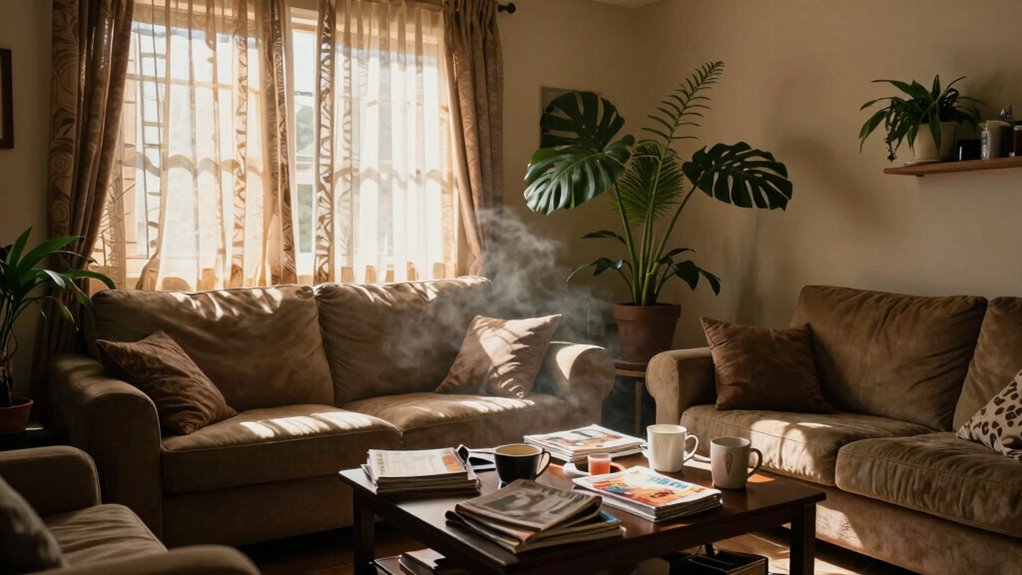
When you walk into a home that feels stuffy, it can be hard to pinpoint the exact cause. You might think it’s just a matter of temperature control, but there’s often more going on beneath the surface. One of the primary culprits behind that heavy, uncomfortable atmosphere is air circulation issues. Even if your thermostat is set just right, poor air circulation can trap stale air, leaving you feeling confined and uneasy.
Take a moment to assess how air moves through your space. If you’ve got furniture blocking vents or curtains hung too close to windows, you’re likely hindering airflow. You might not even realize it, but these small obstacles can lead to pockets of stagnant air, contributing to that stuffy feeling. Make it a habit to check your airflow regularly; clearing away blockages can do wonders for the ambiance of your home. Regularly inspecting your airflow can help identify and resolve circulation problems early. Additionally, ensuring proper air distribution within your home can significantly improve comfort levels.
Assess your space for airflow obstacles; small changes can significantly enhance your home’s ambiance and comfort.
Another significant factor is humidity levels. A home can feel unbearably stuffy even at a comfortable temperature if the humidity is high. Excess moisture in the air can create a clammy environment that feels oppressive. You might notice that on particularly humid days, even a well-cooled room feels stifling. To combat this, consider using a dehumidifier. It’ll help maintain a comfortable humidity level, making your space feel more inviting.
You should also pay attention to your ventilation system. An inefficient HVAC system can struggle to distribute air evenly, leading to hot or cold spots throughout your home. If you notice that certain rooms always feel stuffy, it might be time to have your ducts inspected. Dust and debris can accumulate over time, blocking airflow and exacerbating those air circulation issues. Regular maintenance can guarantee that your home remains fresh and comfortable. Additionally, ensuring your system is properly ventilated can improve overall airflow and indoor air quality.
Lastly, remember that indoor plants, while beautiful, can also contribute to humidity levels. If you have a lot of greenery, consider rearranging them or reducing their number. Finding that balance between aesthetics and comfort can make all the difference. Additionally, understanding how air circulation impacts indoor comfort can help you make more informed decisions about home modifications for seniors.
As an affiliate, we earn on qualifying purchases.
Frequently Asked Questions
How Can Indoor Plants Affect Air Quality and Stuffiness?
Indoor plants can greatly improve air quality and reduce stuffiness. By selecting the right plants, like spider plants or peace lilies, you enhance air purification and increase oxygen levels. They also help with humidity control, making the air feel fresher. Engaging in indoor gardening not only beautifies your space but also creates a healthier environment. So, you’ll notice a difference in how your home feels with the right plant selection.
What Role Does Humidity Play in Making a Home Feel Stuffy?
Humidity levels play an essential role in making your home feel stuffy. When humidity’s high, it makes the air feel heavier, reducing comfort. You may notice that air circulation gets hampered, causing stale odors and dampness. To combat this, consider using a dehumidifier or improving ventilation to keep humidity in check. By managing these factors, you can enhance your home’s air quality and create a more inviting atmosphere.
Are There Specific Materials That Contribute to a Stuffy Atmosphere?
Yes, certain furniture materials and textile choices can definitely contribute to a stuffy atmosphere. Heavy fabrics, like thick curtains or upholstered furniture, can trap heat and moisture. Poor air circulation from bulky items can also restrict airflow. Additionally, insulation types that don’t allow for adequate ventilation can exacerbate the feeling of stuffiness. You might want to contemplate lighter materials and optimizing airflow to improve the comfort in your space.
How Often Should I Clean My Air Ducts to Reduce Stuffiness?
Imagine your home as a bustling marketplace; if the stalls are cluttered, the air doesn’t circulate. You should clean your air ducts every three to five years to keep that marketplace lively. Regular duct cleaning not only enhances air circulation but also reduces dust and allergens, making your space feel fresh. Think of it as clearing away the clutter, allowing your home to breathe freely and maintain a comfortable atmosphere.
Can Pets Contribute to a Stuffy Feeling in the Home?
Yes, pets can definitely contribute to a stuffy feeling in your home. Pet dander can accumulate in the air, making it harder for your HVAC system to maintain good air circulation. When you don’t clean regularly, that dander can lead to a musty atmosphere. To improve your home’s comfort, consider grooming your pets more often and using air purifiers, which can help reduce allergens and enhance airflow throughout your space.
As an affiliate, we earn on qualifying purchases.
Conclusion
In a home that feels stuffy, even the air can seem heavy, like a thick blanket draped over your shoulders. It’s not just about the temperature; it’s the dance of humidity, stale air, and insufficient ventilation that choreographs discomfort. To breathe freely, let in fresh air and embrace the light. Open windows, invite change, and watch your space transform from a closed cocoon into a vibrant sanctuary where you can thrive.
As an affiliate, we earn on qualifying purchases.
As an affiliate, we earn on qualifying purchases.
NFL season / tailgating Picks
team gear
As an affiliate, we earn on qualifying purchases.