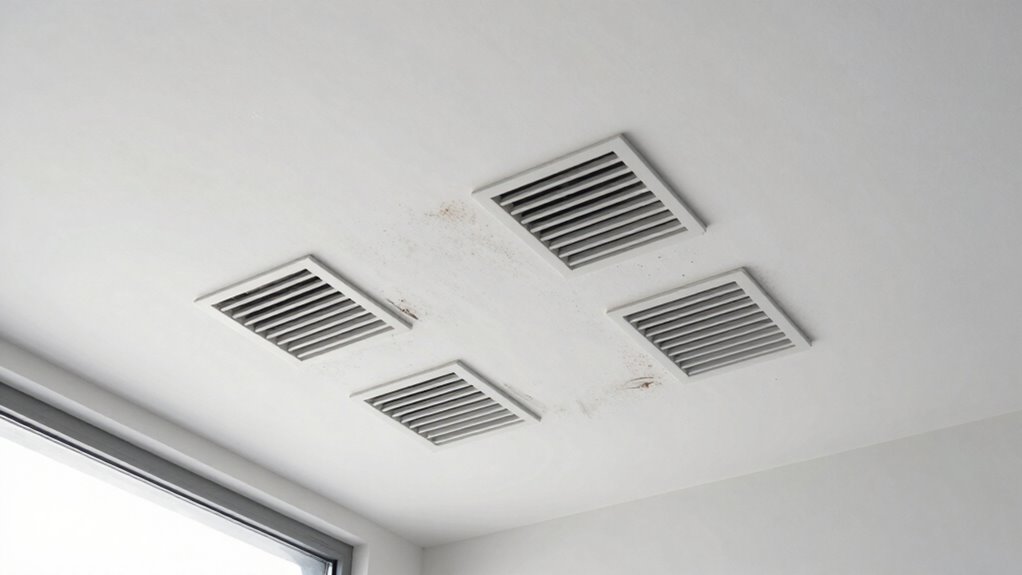

The main mistake that undercuts balanced ventilation is improper vent placement, which causes uneven airflow and poor air circulation. When vents are clustered, too close to obstacles, or placed in high-traffic areas, they create dead zones and disrupt the balance between intake and exhaust. This leads to stagnation, drafts, and reduced air quality. To fix these issues and improve your system, understanding proper layout techniques is essential—keep exploring to learn more.
Listen free for 30 days with Audible
Thousands of audiobooks and originals — cancel anytime.
As an affiliate, we earn on qualifying purchases.
Key Takeaways
- Clustering vents in one area creates uneven airflow and dead zones, disrupting balanced ventilation.
- Placing vents too close to obstacles or high ceilings hampers proper air distribution.
- Long, straight duct runs with sharp turns reduce airflow efficiency and uniformity.
- Ignoring strategic vent spacing causes stagnation and prevents even air exchange.
- Improper placement of intake and exhaust vents can imbalance pressure and airflow distribution.
As an affiliate, we earn on qualifying purchases.
Why Proper Vent Layout Is Key to Indoor Air Quality
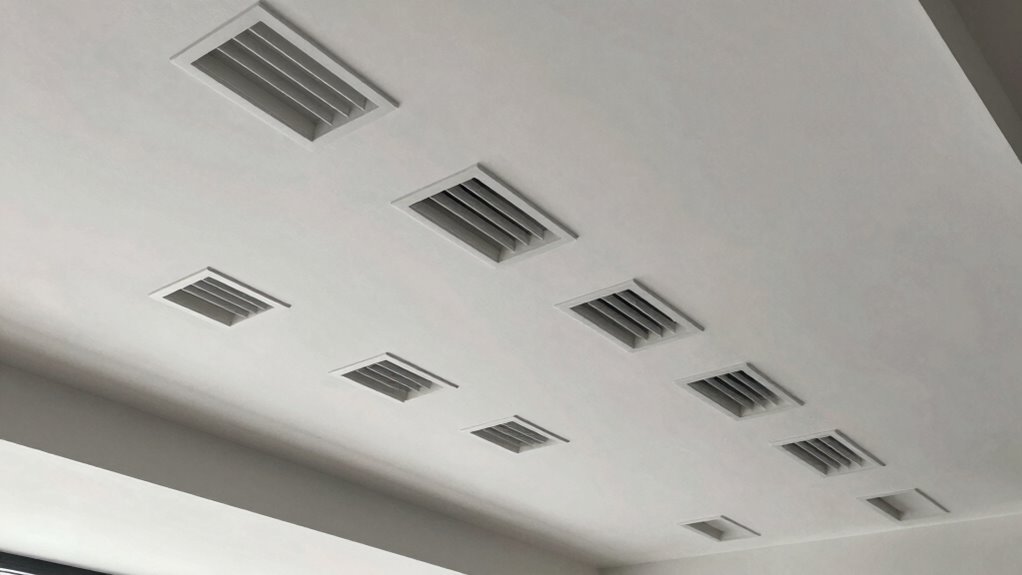
Have you ever wondered how proper vent layout impacts the quality of the air you breathe indoors? Your vent placement directly affects indoor air circulation, which determines how fresh air moves throughout your space. When vents are correctly positioned, they promote even distribution of air, reducing stagnation zones. This balanced airflow can also help reduce the reliance on smart home automation devices that optimize ventilation based on occupancy or air quality sensors. Proper layout also plays a crucial role in ventilation efficiency, ensuring pollutants and excess humidity are quickly expelled. A well-designed vent system supports air exchange rates, which are vital for maintaining healthy indoor environments. Additionally, understanding the impact of microplastics in dust highlights the importance of effective ventilation in reducing indoor contaminants. Proper layout prevents pockets of stale air from lingering, which can cause discomfort and health issues. If vents are poorly arranged, air may flow inefficiently, leading to uneven temperatures and higher concentrations of indoor pollutants. By understanding the importance of strategic vent placement, you can create a healthier, more comfortable environment with better indoor air quality. Good vent layout is essential for effective, balanced ventilation.
As an affiliate, we earn on qualifying purchases.
Common Vent Placement Mistakes That Disrupt Airflow
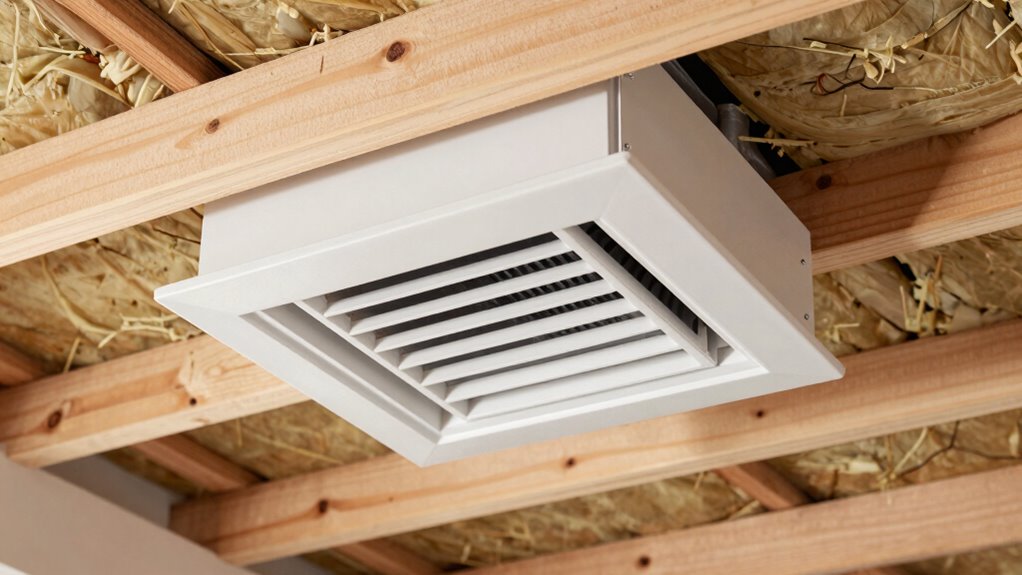
When vents are spaced improperly, airflow becomes uneven and less effective. Obstructed pathways, like furniture or duct blockages, also hinder proper ventilation. Recognizing these common mistakes helps you improve your vent placement for better indoor air quality. Proper vent positioning can significantly enhance overall sleep comfort by maintaining consistent airflow. Additionally, understanding air circulation principles can guide you in creating a more balanced ventilation system. Being aware of vent placement techniques ensures that airflow remains uniform throughout your space, promoting healthier indoor environments. Implementing proper vent technology can further optimize airflow distribution and prevent stagnation. Awareness of airflow dynamics plays a crucial role in designing an efficient ventilation layout.
Improper Vent Spacing
Is improper vent spacing causing airflow issues in your ventilation system? Poor vent placement can lead to airflow disruption, making your system less effective. If vents are too close together or unevenly spaced, air may not circulate properly, causing dead zones or uneven ventilation. Proper vent spacing guarantees balanced airflow and prevents pressure buildup or stagnation. When vents are too far apart, it can create gaps in coverage, reducing overall efficiency. Conversely, placing vents too closely can cause competing airflow patterns, diminishing the system’s effectiveness. To optimize ventilation, space your vents evenly and strategically across the area. This helps maintain consistent airflow, reduces strain on the system, and promotes a healthier, more comfortable environment. Proper vent placement is key to effective, balanced ventilation. Additionally, understanding the airflow dynamics can help you identify and correct spacing issues before they impact performance. Recognizing vent layout best practices can further enhance your system’s efficiency and longevity. Regularly evaluating your vent placement ensures the system continues to operate optimally over time.
Obstructed Airflow Paths
Obstructed airflow paths can substantially undermine your ventilation system’s performance, even if vents are correctly spaced. When airflow obstruction occurs, it disrupts the smooth movement of air, reducing overall ventilation efficiency. Imagine your vents as the starting point, but objects like furniture, thick curtains, or poorly placed appliances block the path. Visualize these common obstacles:
- Large furniture pieces blocking direct air routes.
- Hanging curtains that trap or redirect airflow.
- Appliances or storage that create narrow, congested spaces.
- Improper vent placement that fails to account for airflow dynamics. Additionally, understanding electric power output can influence how spaces are arranged, ensuring that airflow isn’t unintentionally obstructed by traditional decor or furniture placement choices. These obstructions force air to take longer, uneven routes, decreasing circulation. As a result, stale air lingers, and fresh air doesn’t reach all areas evenly. Preventing airflow obstruction is key to maintaining ideal ventilation efficiency and ensuring fresh air flows freely throughout your space.
As an affiliate, we earn on qualifying purchases.
How to Spot Poorly Positioned Vents in Your Home
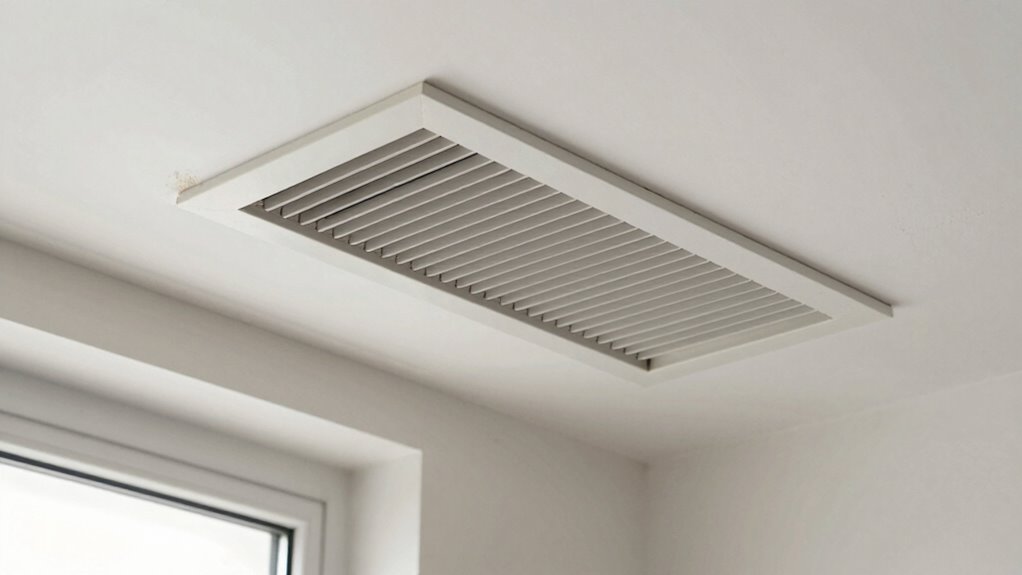
Poorly positioned vents can considerably impact your home’s comfort and energy efficiency. Look for decorative vents that seem out of place or don’t match your interior style, as these might be covering poorly placed or ineffective vents. Check the vent color schemes—if they clash with your walls or ceiling, they could be hiding underlying placement issues. Pay attention to airflow: if certain rooms feel stuffy or drafts are uneven, vents might be poorly located. Also, observe the airflow direction—vents blowing air directly onto furniture or walls can signal improper placement. Finally, consider whether vents are obstructed by furniture, curtains, or decor, which can block proper ventilation. Spotting these signs helps you identify where your ventilation system isn’t functioning at its best.
As an affiliate, we earn on qualifying purchases.
Best Practices for Designing a Balanced Ventilation System
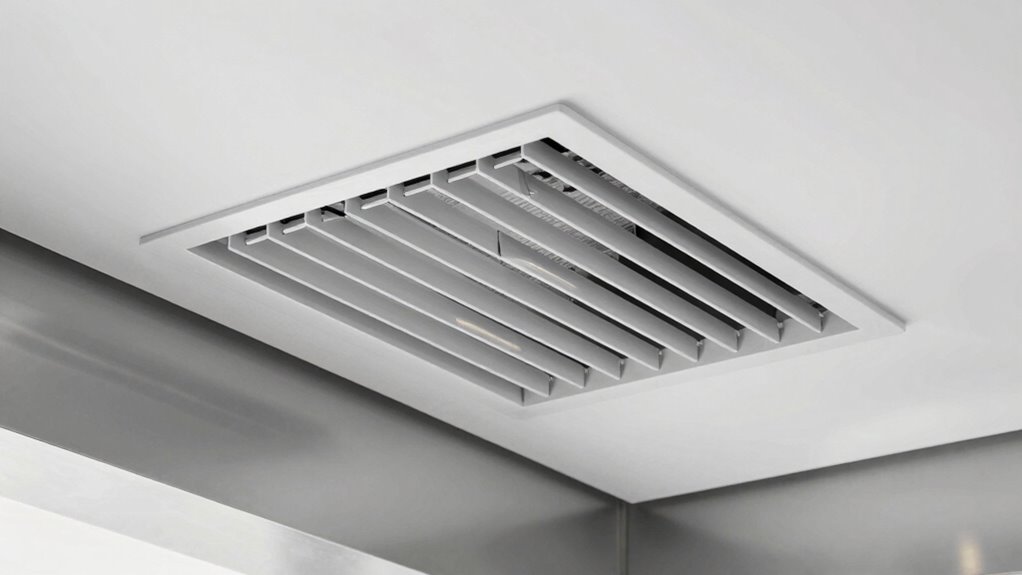
Designing a balanced ventilation system requires careful planning to guarantee consistent airflow and ideal indoor air quality. To maximize ventilation efficiency and airflow optimization, focus on these best practices:
- Position vents strategically across rooms to ensure even distribution, avoiding dead zones or areas with stagnant air.
- Balance intake and exhaust vents to promote proper air exchange without creating drafts or pressure imbalances.
- Use adjustable vents to fine-tune airflow based on specific room needs, maintaining consistent air quality throughout your home.
- Consider incorporating proper vent placement techniques to prevent common mistakes like vent layout errors that can undermine ventilation effectiveness and lead to airflow imbalances. Proper planning and adherence to vent layout best practices are essential to achieving optimal airflow and preventing issues related to poorly designed systems. Additionally, understanding the importance of airflow can provide insights into maintaining healthy indoor environments and ensuring the longevity of your ventilation system.
Troubleshooting Vent Layout Errors and How to Fix Them
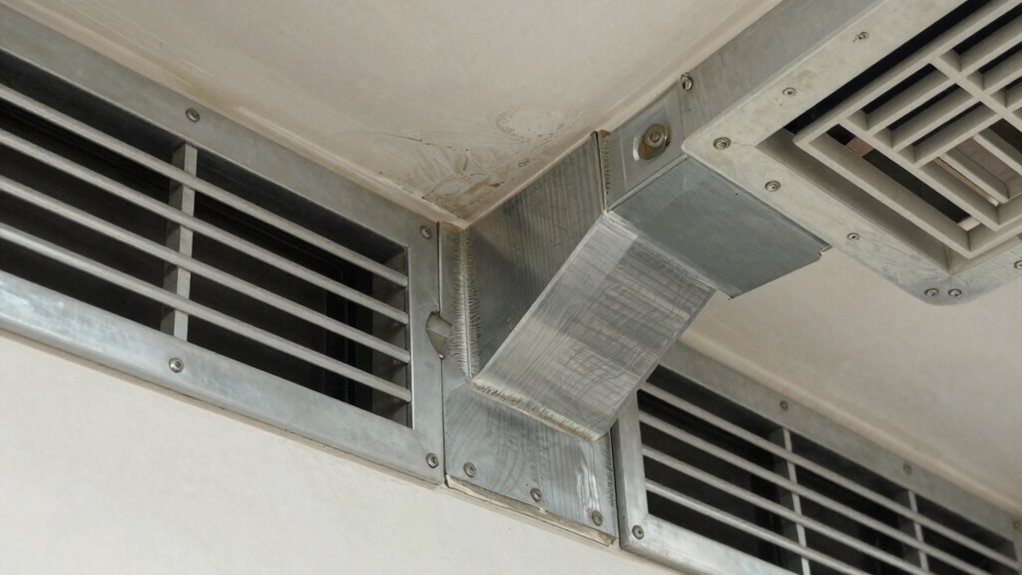
When you spot ventilation issues, the first step is to identify common layout errors that may be causing poor airflow. Once you recognize these mistakes, you can focus on rectifying vent placement issues to restore proper circulation. Addressing these problems promptly ensures your system functions efficiently and effectively.
Identifying Common Layout Errors
Understanding common layout errors is essential for troubleshooting vent systems effectively. Poor placement can reduce airflow efficiency and disrupt ventilation zones. To identify mistakes, look for:
- Vents clustered in one area, creating uneven airflow and dead zones.
- Long, straight runs with sharp turns that hinder smooth air movement.
- Vents placed too close to obstacles, walls, or high ceilings, limiting proper air distribution.
- Ignoring proper vent spacing and routing techniques can lead to inefficient ventilation. Additionally, considering vent placement principles can help optimize airflow and prevent stagnation.
These errors often cause stagnation or uneven ventilation, making your system less effective. Recognizing these issues allows you to adjust vent placement or redesign sections of the system. Properly spaced vents and mindful routing improve airflow efficiency and ensure ventilation zones work harmoniously, providing balanced and effective air circulation throughout your space.
Correcting Vent Placement Issues
To correct vent placement issues effectively, start by evaluating your current layout and pinpointing problem areas, such as clusters, sharp turns, or vents too close to obstacles. Avoid falling victim to ventilation myths or airflow misconceptions that suggest more vents always mean better ventilation. Instead, focus on ideal placement to promote even airflow throughout the space. If vents are poorly positioned, you risk creating dead zones or uneven air distribution. Consider relocating vents to more open areas or staggering their positions to improve circulation. Proper vent placement helps ensure balanced ventilation, reduces drafts, and enhances indoor air quality. By understanding the basics and avoiding common misconceptions, you can troubleshoot layout errors and create a more efficient, effective ventilation system.
When to Call a Professional for Vent Placement Help
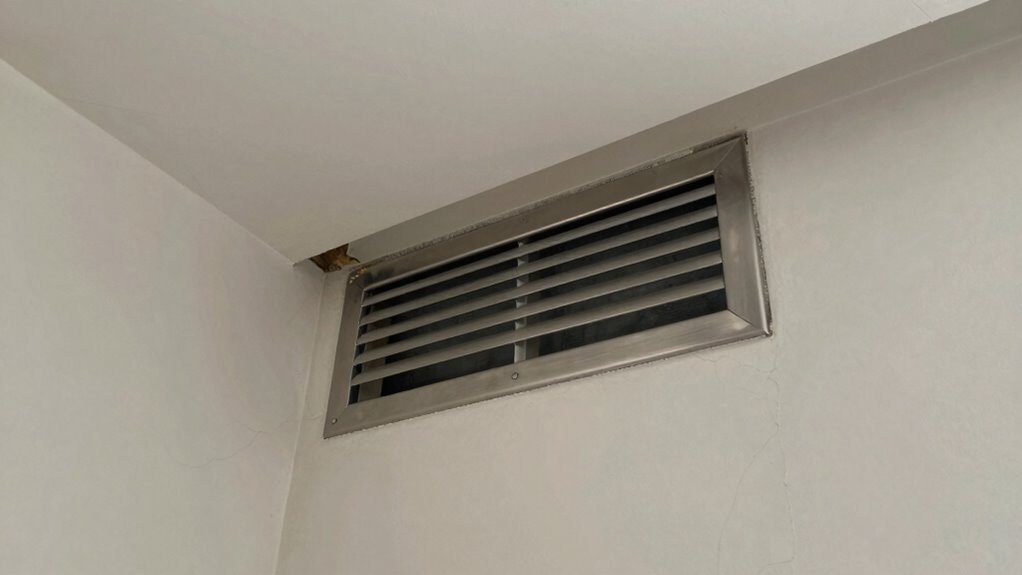
If you notice persistent issues with airflow or uneven ventilation, it’s a clear sign that professional help may be necessary. Sometimes, DIY installation or falling for ventilation myths can lead to improper vent placement, causing more harm than good. You should consider calling a professional if you see:
- Vents that are blocked or poorly positioned, restricting airflow.
- Unusual noises or drafts indicating incorrect vent alignment.
- Continuing indoor humidity problems despite previous adjustments.
- Also, poor ventilation design can significantly impact airflow efficiency and indoor comfort.
A professional can evaluate your system, avoid common DIY pitfalls, and guarantee vents are correctly placed for balanced ventilation. Don’t rely solely on trial-and-error—proper vent placement is vital for effective airflow, and experts have the experience to set it up right the first time.
Frequently Asked Questions
How Often Should I Inspect My Home’s Ventilation System?
You should inspect your home’s ventilation system at least twice a year to guarantee good air quality and proper airflow. Regular maintenance routines help identify issues like blocked vents or leaks that can compromise ventilation balance. Keep an eye on filters, ducts, and vents, cleaning or replacing parts as needed. Consistent inspections help prevent indoor air pollution and maintain a healthy, comfortable living environment.
Can Vent Placement Affect Energy Efficiency?
Yes, vent placement greatly affects energy efficiency. Proper airflow optimization guarantees each room gets adequate ventilation without overworking your system. Strategic vent positioning supports effective ventilation zoning, which directs airflow where needed and prevents energy waste. When vents are poorly placed, your system works harder, increasing energy costs and reducing comfort. Careful planning of vent layout promotes balanced ventilation, improves overall efficiency, and helps maintain a consistent indoor environment.
What Signs Indicate Ventilation System Failure?
You might notice strange odors or persistent mustiness, signaling ventilation failure. Airflow blockage causes stale air to linger, while moisture buildup leads to condensation and mold. These signs are warnings that your system isn’t functioning properly, risking health and damage. Don’t ignore these symptoms—acting quickly ensures your home stays safe, healthy, and well-ventilated. Recognizing these signs early can make all the difference in maintaining a balanced, efficient ventilation system.
Are There Specific Regulations for Vent Placement?
Yes, there are specific regulations for vent placement. You must follow regulatory compliance and installation standards set by local building codes and authorities. These standards specify proper vent locations to guarantee effective airflow and safety. You should verify these guidelines before installing or adjusting vents, as improper placement can lead to poor ventilation, increased energy costs, or health issues. Always consult official codes to ensure your system meets all required standards.
How Does Climate Influence Vent Layout Decisions?
Climate wildly influences your vent layout decisions. In hot climate zones, you’ll want to maximize exhaust vents to release heat effectively, while colder zones require strategic intake vents to bring in fresh air without losing warmth. Ventilation standards vary with climate, guiding you on proper placement for ideal airflow. Ignoring these factors can lead to poor indoor air quality and energy inefficiency—so adapt your vent layout to suit your climate zone’s unique demands.
Conclusion
Remember, a well-designed vent layout is the backbone of healthy indoor air. Avoid common mistakes, stay vigilant for signs of poor airflow, and follow best practices to guarantee balance. When in doubt, don’t hesitate to call a professional—sometimes, a second opinion makes all the difference. As the saying goes, “A stitch in time saves nine,” so addressing vent issues early keeps your home’s air quality in check and your comfort intact.
Flea & tick season Picks
flea and tick prevention
As an affiliate, we earn on qualifying purchases.