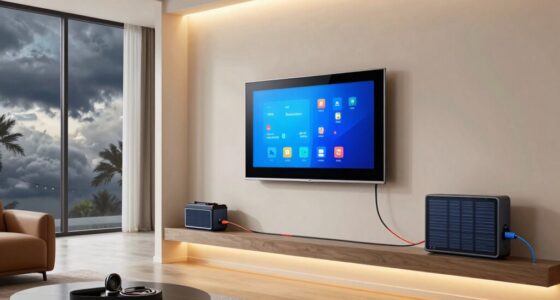
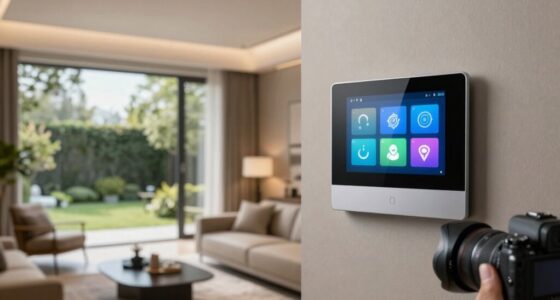
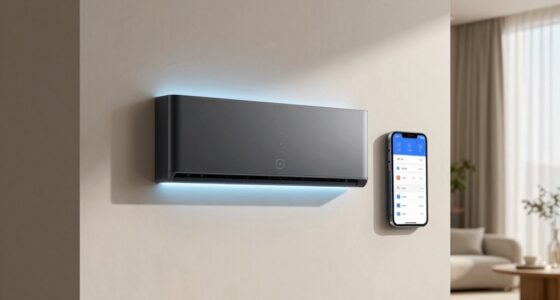
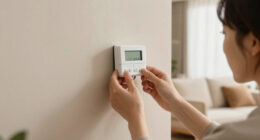
To link climate devices with occupancy data effectively, start by investing in high-accuracy smart sensors that track both the number of occupants and their activity levels. Use data analytics tools to visualize occupancy patterns and adjust heating and cooling based on real-time usage. Engage users to gather feedback on their comfort, which can refine your automated adjustments. By optimizing these connections, you can enhance energy efficiency and comfort in your building—discover more insights as you explore further.
Listen free for 30 days with Audible
Thousands of audiobooks and originals — cancel anytime.
As an affiliate, we earn on qualifying purchases.
Key Takeaways
- Integrate high-accuracy smart sensors to continuously track occupancy levels and user activity for real-time data insights.
- Use data analytics tools to visualize occupancy patterns, enabling informed adjustments to heating and cooling schedules.
- Automate climate control adjustments based on occupancy data to minimize energy waste in unoccupied spaces.
- Engage users by collecting feedback on comfort levels, which helps refine energy management strategies and improves satisfaction.
- Incorporate renewable energy options alongside occupancy data to enhance sustainability and reduce reliance on non-renewable energy sources.

As we face increasing challenges related to climate change, linking climate devices with occupancy data has become vital. By integrating smart sensors into your building management system, you can greatly enhance energy efficiency. These sensors monitor real-time occupancy, allowing you to gather valuable data that informs how your space is utilized. This isn’t just about collecting numbers; it’s about understanding user behavior and how your environment affects energy consumption.
Imagine entering a room where the lights and HVAC systems automatically adjust based on the number of occupants. This is possible through the intelligent use of data analytics. By analyzing trends in occupancy, you can predict when spaces are likely to be used and when they’re not. Armed with this information, you can make automated adjustments that optimize energy use without sacrificing comfort. For example, if a conference room is only used during certain hours, your system can lower heating or cooling during off-peak times, resulting in substantial cost savings.
To link climate devices effectively, start by investing in smart sensors that can track occupancy with high accuracy. These devices not only measure the number of people in a space but can also detect activity levels, giving you deeper insights into how spaces are being used. This information is essential for making informed decisions about energy management. By understanding when and where your building is most occupied, you can deploy resources more effectively. Additionally, integrating occupancy data with other building systems can help you develop a comprehensive view of your space’s energy performance.
Next, leverage data analytics tools to process the information gathered from these smart sensors. By visualizing occupancy patterns, you can identify inefficiencies or areas where energy is wasted. For instance, if you notice that certain zones remain unoccupied for extended periods, you can adjust your heating and cooling schedules accordingly. This targeted approach guarantees you’re not wasting energy on spaces that aren’t being used. Incorporating building automation can further streamline these adjustments and improve overall efficiency.
Finally, keep user behavior in mind. Engaging tenants or employees can help you gather qualitative data that complements your quantitative findings. Feedback about comfort levels in different areas can inform your automated adjustments, leading to a more balanced environment. When occupants feel comfortable, they’re more likely to appreciate the energy-saving measures you’ve implemented. Incorporating renewable energy options can further enhance your building’s sustainability and reduce reliance on non-renewable sources. Understanding energy consumption patterns is crucial for optimizing your overall climate control strategy.
high accuracy occupancy sensors for smart buildings
As an affiliate, we earn on qualifying purchases.
As an affiliate, we earn on qualifying purchases.
Frequently Asked Questions
What Types of Climate Devices Can Be Linked to Occupancy Data?
You can link several types of climate devices to occupancy data. Smart thermostats adjust temperatures based on when people are present, enhancing comfort and efficiency. Air quality sensors monitor indoor conditions, ensuring a healthy environment. Occupancy sensors detect when spaces are in use, providing real-time data to optimize energy consumption. Additionally, integrating these devices with HVAC systems allows for seamless climate control, improving both energy savings and occupant satisfaction.
How Does Occupancy Data Improve Energy Efficiency?
Occupancy data can boost energy efficiency by up to 30%, allowing you to optimize heating and cooling based on actual use. By integrating this data with your climate devices, you enhance data accuracy, ensuring systems only operate when needed. This leads to significant energy savings, reducing waste and lowering utility bills. So, when you adjust settings based on real-time occupancy, you not only save energy but also create a more comfortable environment.
Are There Privacy Concerns With Using Occupancy Data?
Yes, there are privacy concerns with using occupancy data. You’ve got to prioritize data security to protect personal information. Ethical considerations also come into play, as users might not be aware their data is being collected. Transparency is key; inform people how their data’s used and stored. By addressing these issues, you can create a more responsible approach to using occupancy data while maintaining trust with users.
Can I Use Existing Devices for This Integration?
Yes, you can use existing technology for this integration, but you’ll face some integration challenges. While your current devices might gather valuable data, they often lack the compatibility needed for seamless connectivity. Think of it as trying to fit a square peg in a round hole; it might work with some adjustments, but it’s not always straightforward. Assess your devices and explore available APIs or middleware to bridge the gaps effectively.
What Is the Cost of Implementing This Technology?
Implementing this technology can vary in cost, typically involving installation expenses that depend on the complexity of your existing setup. While initial costs might seem high, you’ll likely see long-term savings through improved energy efficiency and reduced utility bills. By optimizing your climate devices with occupancy data, you not only enhance comfort but also cut costs over time, making it a smart investment for your space.
smart thermostats with occupancy detection
As an affiliate, we earn on qualifying purchases.
As an affiliate, we earn on qualifying purchases.
Conclusion
Incorporating occupancy data with climate devices can greatly enhance energy efficiency and comfort in your space. As the saying goes, “Knowledge is power.” By understanding how people use your space, you can optimize heating, cooling, and ventilation systems effectively. This integration not only reduces energy costs but also creates a more pleasant environment for occupants. Embrace this smart technology to make your building responsive and sustainable, ensuring it meets the needs of its users while protecting the planet.
building automation system for energy efficiency
As an affiliate, we earn on qualifying purchases.
As an affiliate, we earn on qualifying purchases.
sensor-based climate control devices
As an affiliate, we earn on qualifying purchases.
As an affiliate, we earn on qualifying purchases.
Fall yard work Picks
leaf blowers
As an affiliate, we earn on qualifying purchases.