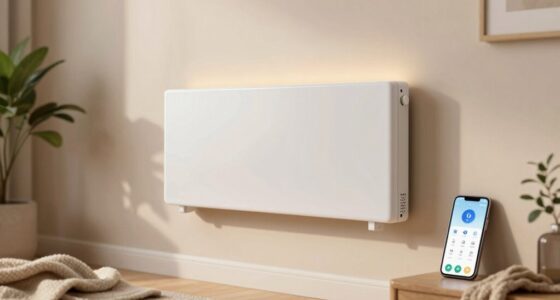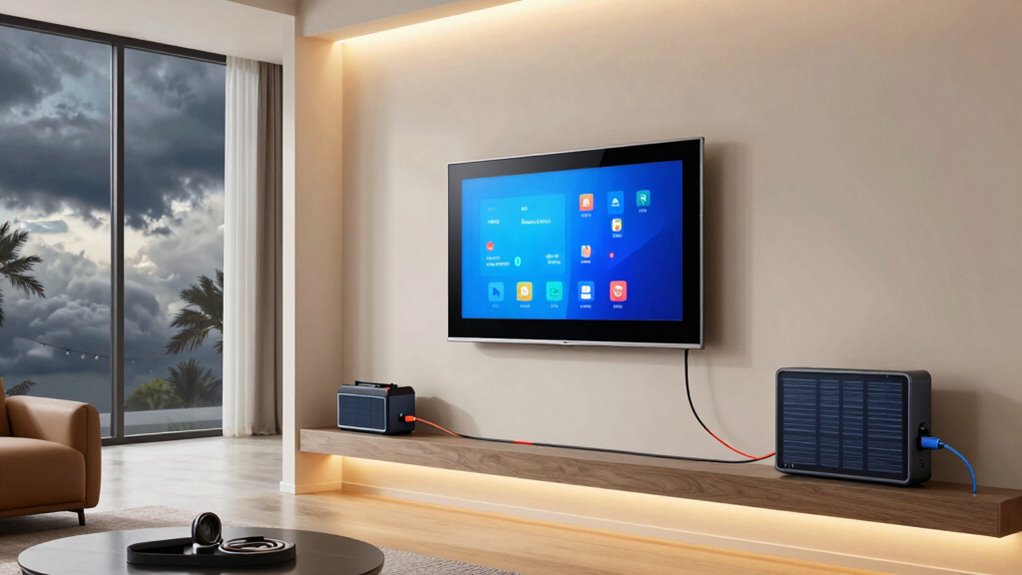

The first step in your outage strategy should be installing reliable energy storage. This acts as a backup during power outages, keeping essential devices like refrigerators, medical equipment, and Wi-Fi running smoothly. It reduces dependence on external power sources and enhances your home’s resilience. Properly managing this system guarantees seamless shifts during disruptions. By focusing on energy storage first, you’ll create a strong foundation for other backup solutions. Continue exploring to discover how to optimize your home’s outage preparedness.

Get home appliances delivered free with Prime
- Fast, free delivery on millions of items
- Prime Video, Amazon Music and more included
- Member-only deals all year
Key Takeaways
- Prioritize installing reliable energy storage to ensure continuous power for critical appliances during outages.
- Identify and back up essential devices like refrigerators, medical equipment, and Wi-Fi routers.
- Implement an automatic, smart system to switch seamlessly between grid and backup power.
- Maintain and regularly test backup systems to ensure readiness and reliability.
- Develop a comprehensive outage plan focused on resilience, safety, and minimal disruption.

When a power outage strikes, having a solid outage strategy becomes essential for smart-home owners. Your first priority should be ensuring you have reliable energy storage and backup power solutions. These systems act as your safety net, keeping your essential devices running and preventing disruptions to your daily life. Smart-home technology relies heavily on continuous power, so investing in quality energy storage can make all the difference. Battery systems, like home energy storage units, store excess energy when the grid is active, which you can draw from during outages. This setup not only provides backup power but also helps optimize your energy use, lowering overall costs and reducing reliance on the grid.
Reliable energy storage is essential for smart homes, ensuring essential devices stay powered during outages and reducing dependency on the grid.
A well-planned outage strategy hinges on understanding your home’s power needs. Identify critical appliances and systems—such as refrigerators, medical devices, Wi-Fi routers, and security cameras—that must stay operational during an outage. Once you know what’s essential, you can tailor your backup power solutions accordingly. Portable generators are a common choice for quick, temporary backup, but they come with limitations and safety considerations. Conversely, integrated energy storage systems offer a seamless, silent, and eco-friendly way to maintain power without the noise and fumes of traditional generators. They can be programmed to activate automatically when the power goes out, ensuring your smart-home remains functional without your having to intervene. Additionally, understanding the importance of reliable energy storage when planning your outage strategy can greatly enhance your home’s resilience during unexpected disruptions.
In addition to choosing the right energy storage, you should develop a clear plan for managing your backup power. This involves knowing how to switch between grid power and your backup system efficiently. Many smart-home systems can be configured to automatically detect outages and switch to backup power, but it’s wise to familiarize yourself with the process beforehand. Regular maintenance of your energy storage units and backup systems is also crucial to ensure they operate reliably when needed. Keeping batteries charged, systems updated, and understanding backup power management can help prevent failures during emergencies.
Ultimately, your outage strategy should focus on resilience and convenience. By prioritizing energy storage and backup power, you safeguard your home against unpredictable outages. This approach keeps your essential systems online, maintains security, and preserves comfort. Building this foundation first creates a robust framework for your entire outage plan, making it easier to add additional measures like solar integration or portable power solutions later on. With a clear, proactive approach centered around reliable energy storage, you’re better prepared to face power disruptions confidently and keep your smart home running smoothly no matter what happens.
As an affiliate, we earn on qualifying purchases.
Frequently Asked Questions
How Long Can My Smart Home Systems Operate During a Power Outage?
Your smart home systems can operate anywhere from a few hours to several days during a power outage, depending on your battery backup and power management setup. If you have a robust battery backup, like an uninterruptible power supply (UPS), you might keep essential devices running for days. Proper power management guarantees your critical systems, like security or lighting, stay functional longer, giving you peace of mind during outages.
Are There Affordable Backup Power Options Suitable for Smart Homes?
You’ll find affordable backup power options like portable batteries and small uninterruptible power supplies (UPS) that are perfect for smart homes. These solutions may not last forever, but with smart power management, you can extend their battery longevity considerably. They’re cost-effective, easy to install, and keep your smart devices running during outages, ensuring safety and convenience without breaking the bank. It’s like having a mini power plant right in your home!
How Do I Prioritize Which Devices to Keep Powered During an Outage?
You should prioritize devices based on their importance and role during an outage, using device prioritization and power management strategies. Focus first on essential needs like security systems, lighting, and communication devices to maintain safety and connectivity. Next, consider backup power capacity and how to allocate it efficiently. By identifying critical devices and managing power wisely, you guarantee your smart home stays functional when it matters most.
Can Smart Home Devices Function Without Internet Access?
Many smart home devices can still function without internet access through offline functionality and local control. You can control devices like smart locks, lights, and thermostats directly via local networks or dedicated hubs, ensuring they operate smoothly during outages. To maximize this, choose devices that support local control and offline features, so your smart home remains functional and secure even when the internet is down.
What Safety Measures Should I Consider During a Prolonged Outage?
During a prolonged outage, you should prioritize safety measures like emergency lighting and water safety. For example, imagine a family trapped in a power outage with no lighting; installing battery-powered emergency lights guarantees visibility. Additionally, safeguarding water sources prevents contamination. You might also keep a manual water pump or filtration system handy. These steps help protect your loved ones and maintain essential safety standards during extended power disruptions.
As an affiliate, we earn on qualifying purchases.
Conclusion
Picture your smart home as a fortress of comfort, glowing warmly in the dark. But without a solid outage strategy, that serenity can vanish in an instant—lights flicker out, devices go silent, and your peace is shattered. By planning ahead, you become the guardian of your sanctuary, ready to keep the lights on and the essentials running no matter what. Build your outage strategy now, and turn unpredictable nights into moments of calm and control.
As an affiliate, we earn on qualifying purchases.
As an affiliate, we earn on qualifying purchases.
Halloween Picks
halloween
As an affiliate, we earn on qualifying purchases.