
Before sharing climate controls across family accounts, be aware of privacy issues. You’ll want to customize access levels to prevent unauthorized adjustments, especially from teens. Check that all devices are compatible to avoid connectivity problems. Set communication guidelines for temperature preferences to minimize conflicts. Plus, sharing can lead to energy savings and a more comfortable home. If you keep going, you’ll discover strategies to enhance cooperation and optimize your smart home experience.

Get home appliances delivered free with Prime
- Fast, free delivery on millions of items
- Prime Video, Amazon Music and more included
- Member-only deals all year
Key Takeaways
- Privacy Management: Customize access levels to prevent unauthorized adjustments and maintain personal preferences among family members.
- Device Compatibility: Ensure all climate control devices are compatible with the central system to avoid connectivity issues.
- System Interoperability: Utilize a centralized control system to enhance communication and simplify management of all devices.
- Communication Guidelines: Establish clear guidelines for adjustments and agree on temperature ranges to minimize conflicts and frustration.
- Energy Savings: Collaborate on climate control settings to optimize energy usage, benefiting both the environment and household budgets.
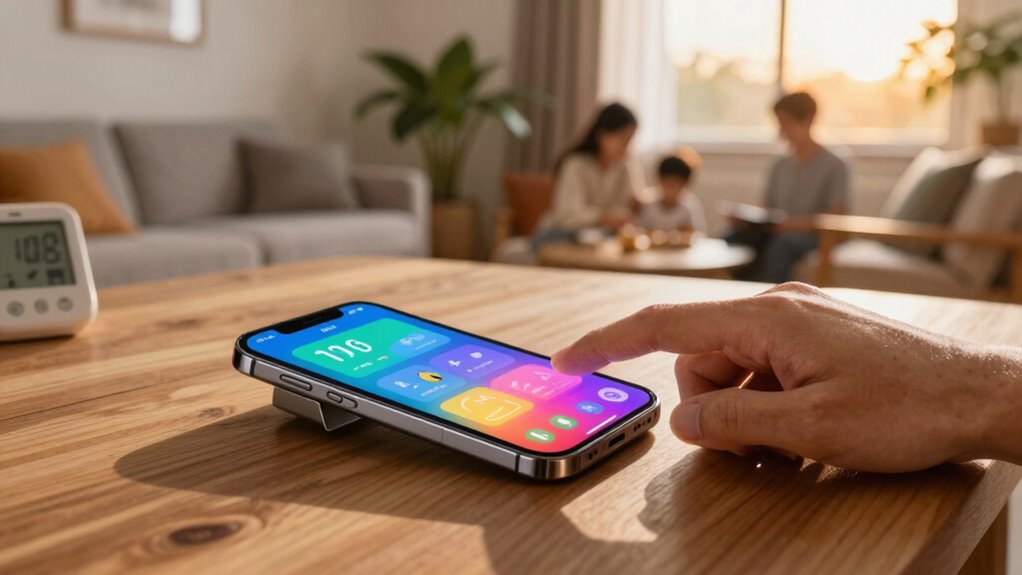
Sharing climate controls across family accounts, you not only enhance comfort but also streamline energy efficiency. It’s a smart move that can help everyone in your household enjoy a tailored environment, but there are some important things to take into account before diving in. Understanding how to maintain family privacy while guaranteeing device compatibility is essential to making this system work for you.
First, think about family privacy. Sharing access to climate controls can be convenient, but it also raises concerns about who can adjust settings and when. You don’t want your teenage kids messing with the thermostat at odd hours or a family member unintentionally overriding your carefully set preferences. Most systems allow you to customize access levels, so take advantage of that. You can restrict certain functions or create specific permissions for each account. This way, everyone can benefit from the shared controls without compromising your family’s comfort or privacy.
Consider family privacy when sharing climate controls; customize access levels to ensure comfort without compromising personal preferences.
Next, device compatibility is a key aspect to reflect on. Not all devices are created equal, and some climate control systems might not work seamlessly across different brands or models. Before you start sharing, check whether all your family members’ devices are compatible with the central system. You wouldn’t want to find out mid-summer that someone’s outdated thermostat can’t connect to the shared network. Doing your homework on device compatibility will save you headaches down the line and guarantee that everyone can easily participate in managing the climate controls. Additionally, understanding smart home integration can help you optimize the system’s features and create a more cohesive household environment. Being aware of system interoperability can also prevent potential issues with devices not working together as intended. Incorporating a centralized control system can further simplify management and ensure all devices communicate effectively. Moreover, exploring home automation options can allow for more advanced scheduling and personalized climate settings, enhancing overall convenience.
Another aspect to keep in mind is communication. Establishing guidelines about how and when to adjust the settings can minimize conflicts. For instance, if you all agree to keep the temperature within a certain range during the day, it’ll help prevent frustration. Regular check-ins can also help everyone stay on the same page and address any concerns that arise.
Lastly, think about the energy savings. Sharing climate controls can lead to more efficient energy usage, which not only benefits your wallet but also the environment. By working together as a family to maintain comfortable conditions, you can avoid unnecessary heating or cooling, making a positive impact on your overall energy consumption.
Products Worth Considering

Levoit EverestAir-P Smart Air Purifier for Large Rooms

TCL 65-Inch QM6K QLED Mini-LED 4K HDR Smart Google TV, 144Hz

PHILIPS Hue Smart LED Candle Light Bulb, B39, E12, 2-Pack
As an affiliate, we earn on qualifying purchases.
Frequently Asked Questions
Can I Customize Settings for Individual Family Members?
Yes, you can customize settings for individual family members. By creating personalized settings, you can cater to each person’s individual preferences, ensuring everyone stays comfortable. Most smart home systems allow you to adjust temperature and schedules based on who’s home. Just access the app or control panel, select the family member, and tailor the settings accordingly. This way, you’ll keep everyone happy without compromising anyone’s comfort!
What Happens if Someone Changes the Climate Settings?
When someone changes the climate settings, it’s like stirring the calm waters of a serene lake—ripples of impact spread out. Each adjustment can affect your home’s climate impact, so it’s essential to set user permissions wisely. If a family member cranks up the heat or cools down too much, it can lead to unexpected energy bills and discomfort. Keep communication open to guarantee everyone’s on the same page about adjustments.
Are There Privacy Concerns With Shared Accounts?
Yes, there are privacy concerns with shared accounts. When you share climate controls, you’re also sharing data security risks. Anyone with access can potentially change settings or view usage data, which raises questions about account permissions. It’s essential to guarantee that everyone involved understands their roles and limitations. Consider setting clear boundaries and regularly reviewing who has access to maintain your privacy and protect your personal information.
How Do I Remove a Family Member From the Account?
Removing a family member from your account is as easy as flicking a light switch! First, immerse yourself in your account management settings. Look for the family sharing section, where you’ll find the option to remove access. Just click on that, confirm your choice, and voilà! You’ve liberated your account from their grasp. It’s that simple! So go ahead, reclaim your space and enjoy your privacy without any hassle.
Can I Monitor Usage or Changes Made by Others?
Yes, you can monitor usage and changes made by others. Most systems offer usage tracking features, allowing you to see how much energy is being consumed and any adjustments others make. You can also set control limits to prevent excessive usage. Just check your app or dashboard for these options, and you’ll gain better insight into your family’s energy habits. This way, you can manage your climate controls more effectively.
Conclusion
In conclusion, sharing climate controls across family accounts can enhance convenience, foster collaboration, and promote energy efficiency. By understanding privacy settings, communicating preferences, and respecting boundaries, you’ll create a harmonious environment for everyone. So, embrace the technology, share the responsibility, and enjoy the benefits. Remember, it’s not just about comfort; it’s about connection, it’s about cooperation, and it’s about caring for each other and the planet. Now, take the leap and make your home smarter together!