When choosing a line-voltage or floor-heat thermostat, the key considerations include compatibility with your heating system, safety features, and ease of installation. The OJ Microline UDG4 stands out as the best overall with its advanced touchscreen and built-in GFCI, offering reliable safety and control. For DIY enthusiasts, the Mysa Smart Thermostat LITE provides Wi-Fi connectivity and easy app control at a competitive price. However, these options come with tradeoffs—more advanced models may require professional wiring, while simpler models might lack smart features or precise control. Continue reading for a detailed breakdown of these and other top picks to find the best fit for your heating setup and budget.
Key Takeaways
- Smart features like Wi-Fi and app control are increasingly common and add convenience but often come at a higher cost.
- Safety features such as GFCI protection are important for floor-heating applications, especially in wet environments.
- Thermostats with dual sensing (air and floor) tend to offer more accurate temperature regulation for radiant heating.
- Installation complexity varies widely; models designed for DIY are simpler but may lack advanced features.
- Price often correlates with feature set—more comprehensive control and safety features typically require a higher investment.


More Details on Our Top Picks
OJ Microline UDG4 Touchscreen Programmable Heated Floor Thermostat w/Class A GFCI – 120/240v Radiant Heat Thermostat – Dual Sensing – Includes Floor Sensor – 3-Year Warranty & USA Product Support
This touchscreen thermostat stands out for its intuitive interface and extensive features, making it a top choice for users who want precise control and energy management. Compared to the Honeywell TL8230A, the OJ Microline offers a more modern display, programmable schedules, and self-learning capabilities, but it involves a more complex setup and higher cost. Its dual sensing (air and floor) ensures more accurate temperature regulation, especially for sensitive flooring like tile or marble. The inclusion of a floor sensor with limiting features enhances safety and efficiency, while the power logging helps track energy use effectively. However, its advanced functions may overwhelm beginners, and the installation process, despite the wizard, requires some familiarity with electrical wiring. This model is ideal for homeowners seeking a feature-rich, programmable solution for radiant flooring, especially in wet or decorative spaces.
Pros:- Responsive 3.5″ color touchscreen simplifies programming and control
- Self-learning adaptive function reduces energy consumption
- Includes floor sensor and limiting features for safety and floor protection
- Power logging provides detailed energy reports
Cons:- Higher price point compared to basic models
- Complex interface may require time to master
- Requires professional installation for optimal setup
Best for: Homeowners needing a smart, programmable thermostat with safety features for electric radiant floors
Not ideal for: DIY beginners or those seeking a simple, manual thermostat without digital features
- Voltage Compatibility:120V/240V
- Amperage:15A
- Floor Limit Range:+41 to +104°F
- Ambient Temperature Range:+32 to +104°F
- Display:3.5″ color touchscreen
- Features:Programmable, Dual Sensing, Floor Sensor, Power Logging
Bottom line: This thermostat makes the most sense for tech-savvy users wanting detailed control and safety in electric floor heating systems.
Mysa Smart Thermostat LITE – Line Voltage Electric Baseboard Heater Thermostat 120V/240V | DIY Install | HomeKit, Alexa, Google | Wi-Fi Programmable | App Control
This Wi-Fi connected thermostat excels in ease of use and smart home integration, making it a top pick for tech-savvy DIYers and budget-conscious buyers. Unlike the Honeywell TL7235A, the Mysa LITE offers app-based control, scheduling, and compatibility with Alexa, Google, and Apple HomeKit without the need for extra hubs or complex wiring. Its simple 4-wire installation suits most high-voltage electric baseboard heaters, but it only supports single-pole systems, limiting use in some setups. Its energy-saving scheduling and remote control features can reduce heating costs by up to 26%, making it attractive for those looking to optimize energy bills. The sleek design and free app support are user-friendly, but it lacks advanced floor-sensing or safety features found in more sophisticated models. This pick is perfect for homeowners who want smart, remote control over their electric baseboard heating without complicated wiring or high costs.
Pros:- Wi-Fi connectivity with free app control and scheduling
- Compatible with Alexa, Google, and Apple HomeKit
- Easy 15-minute DIY installation with included video guide
- Reduces heating costs through custom schedules
Cons:- Limited to single-pole systems; not suitable for all setups
- No built-in floor or safety sensors
- Requires neutral wire and proper wiring check before purchase
Best for: DIY homeowners wanting Wi-Fi control and smart scheduling for electric baseboard heaters
Not ideal for: Users with multi-pole systems or those requiring floor sensing and safety features
- Voltage:120V/240V
- Connectivity:Wi-Fi, App Control
- Compatibility:Apple HomeKit, Alexa, Google
- Installation:DIY, 4-wire
- Control Method:App, Touch, Voice
- Wattage:Up to 3800W
Bottom line: This thermostat is ideal for budget-conscious, tech-savvy homeowners seeking simple remote control of high-voltage electric heating.
Honeywell TL7235A1003 Line Volt Pro Non-Programmable Digital Thermostat with Electronic Temperature Control, 240-Volt
This Honeywell model offers straightforward, reliable temperature control suitable for users who prefer manual operation over digital programming. Compared to the Dr. Infrared DR-001, which has a large manual knob, the TL7235A provides precise electronic temperature regulation with a clear digital display, making it easier to set exact temperatures. It is simple to install and ideal for basic electric heating setups, but it lacks programmable features, making it less energy-efficient for those wanting scheduled operation. Its non-programmable nature makes it a dependable choice for users who prioritize manual control and durability over automation. However, it doesn’t include safety features like floor sensors or GFCI, so it’s best suited for straightforward applications. This thermostat makes sense for those who want a reliable, no-frills control for high-voltage electric heating.
Pros:- Reliable electronic temperature control
- Simple digital display for easy reading
- Compatible with 240V systems up to 15A
- Easy to install with straightforward wiring
Cons:- No programmable or scheduling features
- Limited to 240V, no multi-voltage support
- Lacks safety features like floor sensing or GFCI
Best for: Homeowners seeking a simple, durable, non-programmable thermostat for electric baseboard or radiant heating
Not ideal for: Users wanting programmable schedules or advanced safety features
- Voltage:240V
- Control Range:40-86°F
- Switch Type:DPST
- Amperage:15A
- Control Method:Digital
- Installation:Wall-mount
Bottom line: This model suits users who want a dependable, manual thermostat for basic electric heating without extra features.
Dr. Infrared Heater DR-001 Wall Thermostat 4 wires single or Double poles 120-277V 3360-7756W, White
This heavy-duty thermostat is built for versatile, high-capacity electric heating systems, supporting voltage ranges from 120V up to 277V and loads up to 28A. Compared to the Honeywell TL7235A, it handles larger wattages and both single and double pole wiring, making it suitable for large or complex installations. Its large dial and flush wall mount make temperature adjustments easy, and the double terminal design with an OFF position allows for straightforward manual operation. While it excels in durability and capacity, it lacks digital features or programmability, limiting energy efficiency options. It’s best for users who need robust control over high-power electric systems but don’t require smart features or advanced safety sensors. This thermostat is perfect for heavy-duty applications in commercial or large residential systems where power capacity is critical.
Pros:- Supports 120V to 277V voltage range
- Handles loads up to 28A (7756W at 277V)
- Manual control with large dial and flush mount
- Supports single and double pole wiring
Cons:- No digital display or programmability
- Lacks safety sensors or safety features
- Requires proper wiring knowledge for installation
Best for: Commercial or large residential systems requiring high power capacity and flexible wiring options
Not ideal for: Homeowners seeking digital control, scheduling, or smart features
- Voltage Range:120V-277V
- Wattage Capacity:3360-7756W
- Switch Type:Double/Single pole
- Control Range:41°F-90°F
- Control Method:Manual dial
- Mounting:Wall
Bottom line: This thermostat is suited for large-scale or heavy-duty electric heating setups where power capacity and durability matter most.
Honeywell TL8230A1003 Electric Heat Digital 7 Day Programmable Thermostat
This Honeywell programmable thermostat offers a balance of ease of use and scheduling flexibility, making it ideal for users who want to optimize energy costs while maintaining comfort. Unlike the Mysa Wi-Fi model, the TL8230A provides a fixed 7-day program with up to 20% energy savings, and its large backlit display ensures visibility in various lighting conditions. Its early start feature guarantees desired temperatures are reached on time, providing reliable comfort. However, it lacks remote control via Wi-Fi, making adjustments limited to manual programming on-site. This thermostat is dependable and straightforward but doesn’t include smart home integration or floor sensing, which limits its advanced control capabilities. It’s a practical choice for traditional households seeking scheduled control without smartphone dependency. This model is perfect for those who want reliable, scheduled control without the need for app-based or smart home features.
Pros:- 7-day programmable schedule for each day of the week
- Large, easy-to-read backlit display
- Early start feature for timely comfort
- Simple installation and operation
Cons:- No Wi-Fi or remote app control
- Limited to scheduled programming without manual override
- Lacks safety sensors or advanced features
Best for: Homeowners wanting scheduled, energy-efficient control for electric heating systems
Not ideal for: Tech enthusiasts seeking remote control via smartphone or smart home integration
- Control Range:Up to 20% energy savings
- Scheduling:7-day programmable
- Display:Backlit digital
- Temperature Tolerance:±1°F
- Control Method:Digital, Push-button
- Compatibility:Electric heating systems
Bottom line: This thermostat appeals to users prioritizing reliable daily scheduling and energy savings over smart home connectivity.
meross Matter Smart Thermostat for Electric Baseboard Heaters with Alexa, HomeKit, and Google Compatibility
This smart thermostat stands out for its seamless integration with Alexa, Apple HomeKit, Google Home, and SmartThings, making it ideal for tech-savvy homeowners who want remote control and energy monitoring. Compared with traditional line-voltage options like the Robertshaw 802, it offers advanced scheduling and open window detection, but requires a Wi-Fi connection and a compatible high-voltage electric heating system. Its ability to track real-time energy use can help reduce costs, yet it’s incompatible with low-voltage HVAC systems, limiting its versatility. If you prioritize smart features and detailed control, this pick makes the most sense, though it involves a dependency on Wi-Fi and smart home platforms.
Pros:- Enables remote control and scheduling via app and voice assistants
- Offers real-time energy monitoring and open window detection
- Compatible across multiple major smart home platforms
Cons:- Requires Wi-Fi connection and app setup, adding complexity
- Not compatible with low-voltage or non-smart HVAC systems
Best for: Homeowners with high-line voltage electric baseboard or convector heaters seeking smart control and energy insights.
Not ideal for: Users with traditional or low-voltage HVAC systems who need simple, wired thermostats without Wi-Fi dependence.
- Compatibility:120-240 VAC electric heating systems
- Smart Home Integration:Alexa, Apple HomeKit, Google Home, SmartThings
- Features:Energy monitoring, open window detection, 24/7 scheduling
- Incompatible With:24V HVAC systems
- Control Type:Wi-Fi programmable
- Power Source:Wi-Fi network
Bottom line: This thermostat is perfect for tech-oriented users wanting smart features with high-voltage systems, but less suitable for those preferring simple, wired controls.
Honeywell TH115-AF-GA/U Radiant Heating 120/240V Programmable Thermostat with Floor Sensor and GFCI
This Honeywell model provides flexible control for radiant floor systems, with options for ambient, floor, or combined temperature regulation, making it ideal for those with specialized heating needs. It compares favorably to simpler thermostats like the Robertshaw 802 by offering dedicated floor sensors and a GFCI for safety, but its interface may be less intuitive for beginners. The multiple control modes ensure precise temperature management, especially important for underfloor heating. However, it lacks Wi-Fi connectivity and app control, which limits remote management. If you need a reliable, safety-conscious thermostat tailored for radiant floors, this option fits well, though it isn’t suitable if smart features are a priority.
Pros:- Offers multiple control modes for precise temperature management
- Includes a floor sensor for accurate underfloor regulation
- Features GFCI for enhanced safety in electrical heating installations
Cons:- No Wi-Fi or smart home connectivity
- Less intuitive setup for users unfamiliar with radiant heating systems
Best for: Homeowners with radiant floor heating systems who value safety and precise temperature control.
Not ideal for: Users seeking Wi-Fi-enabled thermostats with remote app control or voice integration.
- Voltage:120/240V
- Features:Floor sensor, GFCI, 7-day programming
- Control Method:Mechanical with selectable modes
- Application:Radiant floor heating
- Safety:Built-in GFCI
Bottom line: Ideal for radiant floor heating installations prioritizing safety and control flexibility, but not suited for those wanting remote access or smart features.
Robertshaw DPST Line Voltage Electric Heat Thermostat 802
The Robertshaw 802 is a straightforward, durable choice for replacing most line-voltage thermostats, especially for baseboard or radiant electric systems. It excels in providing accurate +/-2ºF control with a simple twist dial, and its positive-off switch enhances safety by ensuring complete system shutdown. Compared to the Honeywell radiant model, it lacks advanced features like floor sensors or safety shutoffs but offers a more familiar, mechanical interface. Its quick installation and J-Box compatibility make it suitable for DIYers or those who prefer wired, non-programmable control. The main tradeoffs involve its lack of digital features, which means less precise scheduling or energy tracking, making it less ideal for users seeking smart or programmable control.
Pros:- Simple twist dial for easy temperature adjustment
- Positive-off switch enhances safety
- Compatible with most 120/240V electric systems
Cons:- Lacks digital controls or programmability
- No remote access or energy monitoring features
Best for: DIY homeowners or contractors needing a reliable, easy-to-install replacement for basic electric baseboard or radiant heaters.
Not ideal for: Users wanting digital scheduling, energy monitoring, or smart home integration.
- Voltage:120/240V
- Control Type:Mechanical twist dial
- Temperature Range:50-90ºF
- Safety Features:Positive off switch
- Installation:J-Box compatible
- Control Accuracy:+/- 2ºF
Bottom line: A dependable and straightforward solution for those who prefer mechanical thermostats without smart features, but not suitable for modern, energy-efficient setups.
Cadet Double Pole Mechanical Wall Thermostat for Electric Heaters (Model: T522-W), 22 Amp, White
This Cadet thermostat provides a straightforward, cost-effective solution for controlling electric baseboard or wall heaters, featuring a twist dial for easy temperature adjustment. Its double pole design and color-coded wiring simplify installation, especially for replacing older units. Compared with the Robertshaw 802, it offers similar basic functionality but without safety features like a built-in GFCI. Its simple operation makes it ideal for users who want a reliable, no-frills thermostat, yet it lacks digital features or smart connectivity for energy management. The main tradeoff is its limited control precision and absence of safety features, which could be problematic in certain electrical environments.
Pros:- Easy-to-use twist dial for temperature setting
- Color-coded wiring simplifies installation
- Compatible with 120/240V electric heaters
Cons:- No digital or programmable functions
- Lacks safety features like GFCI
Best for: Homeowners replacing standard line-voltage thermostats needing a straightforward, reliable control device.
Not ideal for: Users seeking programmable, energy-saving, or smart features in their heating controls.
- Amperage:22A
- Control Method:Mechanical twist dial
- Voltage:120/240V
- Control Type:Double pole
- Design:Wall-mounted
- Color:White
Bottom line: A solid choice for basic electric heating control where simplicity and reliability are priorities over advanced features.
Programmable Thermostat for House Radiant Underfloor Heating, Home Heat Floor Mat Controller self-Adaption AC(120/240V) Voltage, Dual Sensing(Air&Floor Sensor) Built-in Class A GFCI, Power 3600W
This thermostat offers a comprehensive solution for radiant underfloor heating, with dual air and floor sensors, plus a built-in GFCI for safety, making it suitable for DIYers who prioritize safety and precise control. Its ability to adapt to floor and air temperature ensures consistent comfort, outperforming basic on/off thermostats like the Cadet or Robertshaw 802. The inclusion of a GFCI adds an important safety layer, especially for wet or sensitive installations. Nonetheless, its complexity and reliance on electric sensors make it less ideal for those seeking simple, mechanical controls. Its maximum power of 3600W suits most residential underfloor systems, but it’s not designed for larger commercial applications.
Pros:- Dual air and floor sensors for precise temperature control
- Built-in Class A GFCI for safety against electrical leaks
- 7-day programmable with easy-to-read LCD display
Cons:- More complex installation and setup process
- Limited maximum wattage for large systems
Best for: Homeowners installing or upgrading radiant floor heating systems who need safety features and dual sensing for accuracy.
Not ideal for: Users who prefer simple mechanical thermostats or do not require GFCI protection.
- Voltage:120/240V
- Power Capacity:3600W
- Sensors:Air & Floor
- Safety:Built-in Class A GFCI
- Programmability:7-day
- Display:Large LCD backlight
Bottom line: Ideal for safe and accurate underfloor heating control with advanced sensing and safety features, but may be too complex for basic setups.
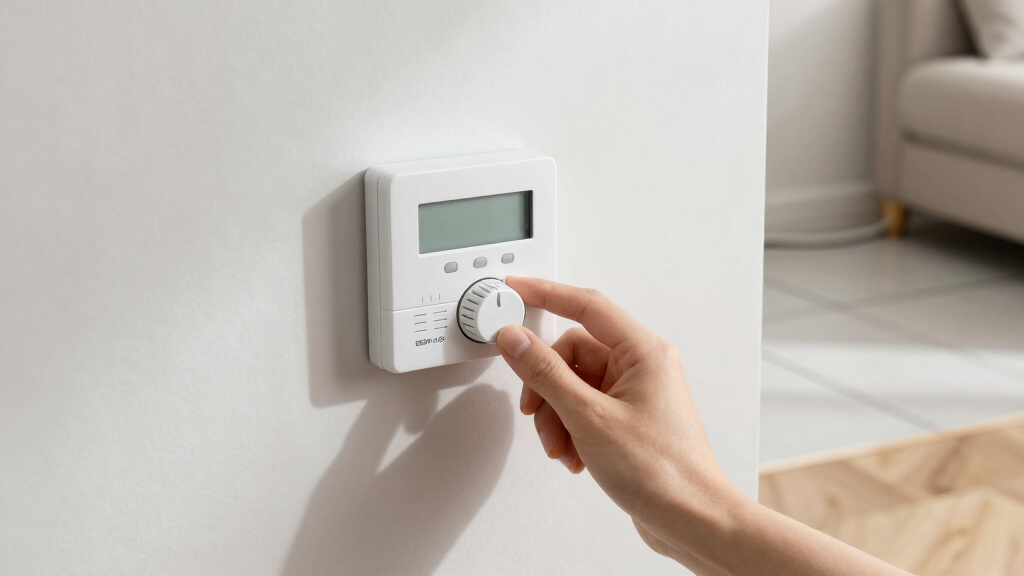
How We Picked
The products in this roundup were evaluated based on performance, safety features, ease of installation, compatibility with different heating systems, and overall value. We prioritized thermostats that offer reliable temperature control, especially in line-voltage and radiant heating applications, while considering user-friendly interfaces and safety certifications like GFCI. Models with smart capabilities and flexible wiring options were favored for their versatility. The rankings reflect a balance between advanced features and affordability, ensuring options are relevant for both DIYers and professionals. We aimed to highlight thermostats that deliver consistent, safe operation across a range of typical use cases in 2026.Factors to Consider When Choosing Line-voltage And Floor-heat Thermostats
Selecting the right line-voltage or floor-heat thermostat involves understanding several key factors. Beyond basic compatibility, you should consider safety features, control precision, installation complexity, and future-proofing with smart technology. Making an informed choice helps avoid costly mistakes and ensures your heating system operates efficiently and safely for years to come.Safety Features and Certifications
For floor-heating applications, safety is paramount. Look for thermostats with GFCI protection, which helps prevent electrical shocks in wet environments like bathrooms or kitchens. Certifications from UL or other safety organizations indicate that the device meets strict standards, reducing the risk of electrical failures or fire hazards. Skipping these features may save money initially but can lead to safety issues or code violations later.
Compatibility and Wiring Needs
Before purchasing, verify that the thermostat is compatible with your specific heating system and voltage. Line-voltage systems (120V or 240V) require thermostats designed to handle higher currents. Some models are plug-and-play, suitable for DIY installation, while others need professional wiring. Choosing a model that matches your setup can prevent installation errors and ensure reliable operation without costly rewiring.
Control Features and Smart Integration
Decide whether you prefer simple on/off control or advanced programmable options. Smart thermostats with Wi-Fi or app control offer convenience and remote access but tend to be more expensive and complex to install. Consider your comfort with technology and your lifestyle—if you want precise scheduling or voice control, investing in a smart model makes sense. Otherwise, basic thermostats may suffice for routine temperature regulation.
Ease of Installation and Maintenance
Simpler models generally feature straightforward wiring and minimal setup, ideal for DIYers. More complex systems with digital controls or smart features may require professional installation, especially if existing wiring is incompatible. Regular maintenance mostly involves checking connections and replacing batteries if applicable. Prioritizing ease of installation can save time and money, especially for those less experienced with electrical work.
Price and Long-Term Value
While budget models may meet basic needs, investing in higher-quality thermostats with safety features and smart capabilities can provide better long-term value. Consider your heating needs, safety requirements, and whether additional features justify a higher upfront cost. Cheaper units might lack durability or safety certifications, leading to replacement costs or safety concerns over time. Balancing initial cost with features and reliability is key.
Frequently Asked Questions
Can I install a line-voltage thermostat myself?
Installing a line-voltage thermostat can be straightforward for those with basic electrical knowledge, especially with models designed for DIY installation. However, because it involves high-voltage wiring, it’s important to follow safety procedures and local electrical codes. If unsure, hiring a licensed electrician minimizes risks and ensures the installation is compliant and safe. Proper installation is critical for reliable operation and safety, particularly for floor-heating systems.
Are smart thermostats reliable for floor heating?
Smart thermostats offer the convenience of remote control and scheduling, which many users find beneficial. For radiant or floor heating, they can be quite reliable if installed correctly and paired with compatible systems. However, their dependence on Wi-Fi means connectivity issues could temporarily disrupt operation. Investing in models with robust app support and security features can help maintain consistent control over your heating.
What safety features should I look for in a floor-heat thermostat?
Safety features like GFCI protection are essential in wet or humid environments, reducing the risk of electrical shocks. Additionally, certifications from safety agencies such as UL or ETL indicate the device has passed strict standards. Some thermostats also include overcurrent protection or fail-safe modes that shut down the system if anomalies are detected. Prioritizing these features helps ensure both safety and compliance with electrical codes.
Is a digital or mechanical thermostat better for radiant floor heating?
Digital thermostats generally provide more precise temperature control and programming options, making them ideal for maintaining consistent comfort levels. Mechanical thermostats are simpler, often more durable, and easier to reset, which appeals to users seeking straightforward operation. For radiant floor heating, the choice depends on your preference for control versus simplicity, but digital models tend to offer more flexibility and integration with smart home systems.
How important is compatibility with smart home systems?
Compatibility with smart home platforms like Alexa, Google, or Apple HomeKit can significantly enhance convenience, especially if you already use these systems. It allows remote adjustment, scheduling, and voice commands, integrating your heating into broader automation routines. However, this feature usually increases cost and complexity. If you value seamless control and future-proofing, prioritizing smart-compatible models makes sense; otherwise, basic thermostats might suffice.
Conclusion
For most home DIYers or those on a budget, the Mysa Smart Thermostat LITE offers a great balance of smart features and ease of installation. If safety and reliability are your priority, the OJ Microline UDG4 provides advanced safety features and precise control, making it ideal for more complex or safety-critical setups. For those new to electrical work, mechanical models like the Cadet Double Pole Thermostat deliver straightforward operation at a lower cost. Professionals seeking maximum control and integration should consider high-end digital or smart options with extensive features, while homeowners simply needing reliable on/off control may opt for basic models like the Honeywell TL7235A1003. Ultimately, your choice depends on your safety concerns, comfort with technology, and budget constraints.