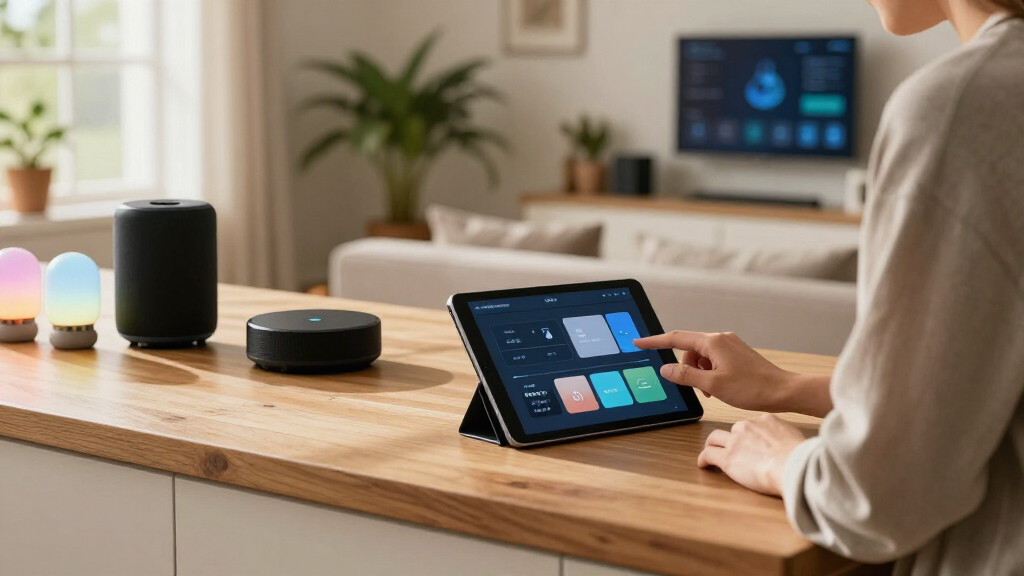

Smart home automation hubs serve as the central command for your connected devices, simplifying control and expanding automation possibilities. The SmartThings Hub 3rd Generation stands out as the best overall choice for its broad device compatibility and reliable performance. For those prioritizing advanced automation features, the Homey Pro Mini offers extensive protocol support including Zigbee, Thread, and Matter. Meanwhile, budget-conscious users may find the TREATLIFE ZigBee 3.0 & Bluetooth Gateway a compelling option given its affordability and support for numerous devices. The main tradeoffs involve balancing compatibility, ease of use, and price — with some hubs excelling in specific ecosystems while others offer broader versatility. Continue reading for a detailed breakdown to find your ideal smart home hub.

Get home appliances delivered free with Prime
- Fast, free delivery on millions of items
- Prime Video, Amazon Music and more included
- Member-only deals all year
Complete the kit


Key Takeaways
- Compatibility across multiple protocols like Zigbee, Z-Wave, and Thread is crucial for future-proofing and device flexibility.
- Ease of setup and app integration significantly impact user experience, especially for beginners.
- Higher-priced hubs often support more protocols and advanced automation features, making them suitable for complex smart homes.
- Some hubs specialize in specific ecosystems (e.g., Tuya or Aqara), which can streamline device management if your devices are ecosystem-specific.
- The choice between open-source versus proprietary platforms influences customization options and ongoing support.
| TREATLIFE ZigBee 3.0 & Bluetooth Gateway, Smart Home Hub, Supports 128 Devices, Works with Smart Life/Tuya App, 2.4GHz WiFi |  | Best Overall for Broad Protocol Support and Ease of Use | Protocol: Zigbee 3.0 & Bluetooth | Compatibility: Smart Life, Tuya, TREATLIFE Apps | Device Support: 128 devices | VIEW LATEST PRICE | See Our Full Breakdown |
| SmartThings Hub 3rd Generation |  | Best for Ecosystem Integration and Automation Flexibility | Compatibility: Alexa, Google Home | Protocols: Zigbee, Z-Wave, Cloud | VIEW LATEST PRICE | See Our Full Breakdown | |
| Tapo Smart Hub with Built-in Chime, H200, 2.4GHz Wi-Fi | 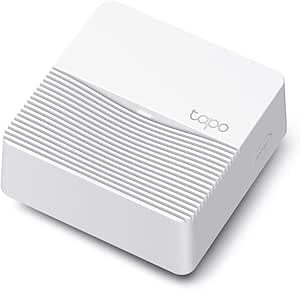 | Best for Local Device Management and Security Features | Device Compatibility: Tapo C420, C400, D230, others | Wireless Protocol: Ultra-low power wireless | MicroSD Storage: Up to 512 GB | VIEW LATEST PRICE | See Our Full Breakdown |
| Homey Pro Mini | Smart Home Hub for Home Automation with Zigbee, Ethernet, Matter & Thread |  | Best for Protocol Compatibility and Privacy-Focused Automation | Protocols Supported: Zigbee, Matter, Thread, Ethernet | Compatibility: Apple Siri, Amazon Alexa, Google Home | Local Control: Yes | VIEW LATEST PRICE | See Our Full Breakdown |
| SONOFF Bridge Max Smart Home Hub (Bridge-M) |  | Best for Ecosystem Flexibility and Security Features | Compatibility: Zigbee, BTHome, eWeLink, Matter | Features: Local web console, alarms, notifications | Security: 90 dB alarm, mobile notifications | VIEW LATEST PRICE | See Our Full Breakdown |
| Home Assistant Green Smart Home Hub with Advanced Automation |  | Best Overall for Customizable, Privacy-Focused Automation | Processor: Quad-core | Storage: 32GB | RAM: 4GB | VIEW LATEST PRICE | See Our Full Breakdown |
| YoLink Smart Home Hub, YS1603 |  | Best for Reliable Wireless Connectivity and Broad Device Control | Connectivity: Wireless (specifics not detailed) | Device Compatibility: Multiple smart devices | VIEW LATEST PRICE | See Our Full Breakdown | |
| Aqara Smart Home Hub M3 with Matter Controller, IR, Zigbee, Thread, Wi-Fi, PoE |  | Best Versatile Protocol Support with Local Control | Protocols Supported: Zigbee, Thread, Wi-Fi, IR | Connectivity: PoE, USB-C, Wi-Fi | Device Capacity: 127 Zigbee, 127 Thread devices | VIEW LATEST PRICE | See Our Full Breakdown |
| SwitchBot Hub 3 (3rd Gen) Smart Home Hub with 2.4″ IPS Screen & Knob Control |  | Best for Visual Data & Infrared Device Control | Screen: 2.4-inch IPS | Connectivity: Wi-Fi 2.4GHz, Bluetooth | Infrared Compatibility: Over 100,000 devices | VIEW LATEST PRICE | See Our Full Breakdown |
| Hubitat Elevation C-8 Pro Smart Home Hub – Z-Wave, Zigbee, Matter |  | Best for Local Processing and Large-Scale Automation | Dimensions: 3.23 x 2.95 x 0.67 inches | Weight: 0.16 lbs | Protocols Supported: Matter 1.5, Z-Wave 800 Series, Zigbee 3.0, Bluetooth | VIEW LATEST PRICE | See Our Full Breakdown |
| smart home automation hub | Connectivity |
|---|---|
| TREATLIFE ZigBee 3.0 & Bluetoo | — |
| SmartThings Hub 3rd Generation | — |
| Tapo Smart Hub with Built-in C | — |
| Homey Pro Mini | Smart Home Hu | — |
| SONOFF Bridge Max Smart Home H | LAN, MQTT |
| Home Assistant Green Smart Hom | USB expandability for Z-Wave, Zigbee, and Thread |
| YoLink Smart Home Hub | Wireless (specifics not detailed) |
| Aqara Smart Home Hub M3 with M | PoE, USB-C, Wi-Fi |
| SwitchBot Hub 3 | Wi-Fi 2.4GHz, Bluetooth |
| Hubitat Elevation C-8 Pro Smar | — |
More Details on Our Top Picks
TREATLIFE ZigBee 3.0 & Bluetooth Gateway, Smart Home Hub, Supports 128 Devices, Works with Smart Life/Tuya App, 2.4GHz WiFi
This hub stands out for combining Zigbee 3.0 and Bluetooth support, making it highly versatile for managing a wide array of smart devices. Compared to the SmartThings Hub, it offers simpler setup and more straightforward app integration, especially for users focused on Tuya or Smart Life ecosystems. However, it’s limited to 128 devices and only works on 2.4GHz WiFi, which could be restrictive for larger or bandwidth-heavy smart homes. Its plug-and-play nature appeals to those who want quick setup, but the absence of 5GHz support might cause connectivity issues in congested networks.
Pros:- Supports both Zigbee 3.0 and Bluetooth for broad device compatibility
- Easy plug-and-play setup with automatic device discovery
- Compatible with Amazon Alexa, Google Assistant, and major smart home platforms
Cons:- Limited to 128 connected devices, which might be insufficient for large smart homes
- Does not support 5GHz WiFi networks, potentially affecting network stability
Best for: Homeowners seeking a straightforward, multi-protocol hub compatible with popular apps and voice assistants
Not ideal for: Large households with extensive device networks exceeding 128 units or users needing 5GHz WiFi support
- Protocol:Zigbee 3.0 & Bluetooth
- Compatibility:Smart Life, Tuya, TREATLIFE Apps
- Device Support:128 devices
- WiFi:2.4GHz only
- Warranty:2 years
Our verdict“This hub is best suited for users who want reliable multi-protocol support with simple setup and moderate device counts.”
SmartThings Hub 3rd Generation
The SmartThings Hub 3rd Generation is a robust choice for those invested in Samsung’s ecosystem or requiring Z-Wave and Zigbee support. It supports a wide range of protocols, making it ideal for integrating various smart devices into one ecosystem. Compared with the TREATLIFE hub, it offers more extensive automation capabilities but can be more complex to set up, especially for newcomers. Its reliance on compatible devices for full functionality can be a hurdle for users with a limited device inventory, and some may find the initial setup daunting.
Pros:- Supports Zigbee, Z-Wave, and cloud-to-cloud integrations
- Enables complex automation routines and remote control
- Works seamlessly with Alexa and Google Home
Cons:- Setup can be complex for those unfamiliar with smart home systems
- Requires compatible devices for full automation features
Best for: Tech-savvy users who want comprehensive protocol support and advanced automation in a single platform
Not ideal for: Beginners or users with small smart home setups lacking the necessary compatible devices
- Compatibility:Alexa, Google Home
- Protocols:Zigbee, Z-Wave, Cloud
Our verdict“This hub is ideal for users seeking a highly integrated and customizable smart home experience, despite a steeper learning curve.”
Tapo Smart Hub with Built-in Chime, H200, 2.4GHz Wi-Fi
The Tapo H200 hub caters to those who prioritize local control, security, and a comprehensive device ecosystem. Its support for up to 64 devices includes sensors, switches, and cameras, with local microSD storage making it suitable for recording footage without relying on cloud services. Compared to the Homey Pro Mini, it offers a more straightforward setup but at the expense of fewer protocols and a smaller device support capacity. Its reliance on 2.4GHz Wi-Fi and regional device compatibility can limit its flexibility for some users.
Pros:- Supports a sizable network of connected sensors and switches
- Includes local storage for video recordings
- Works with Alexa and Google Home for voice control
Cons:- Limited to 2.4GHz Wi-Fi, which may affect performance in crowded networks
- Compatibility restricted to specific Tapo devices and regions
Best for: Homeowners wanting local control, security features, and integration with Tapo devices
Not ideal for: Large, multi-protocol smart homes or users needing extensive device types beyond Tapo’s lineup
- Device Compatibility:Tapo C420, C400, D230, others
- Wireless Protocol:Ultra-low power wireless
- MicroSD Storage:Up to 512 GB
- Max Connected Devices:64 sensors, switches + 4 cameras
- Volume Range:Up to 90dB
Our verdict“This hub fits well for users needing local device management and security with a focus on Tapo ecosystem integration.”
Homey Pro Mini | Smart Home Hub for Home Automation with Zigbee, Ethernet, Matter & Thread
The Homey Pro Mini excels in supporting multiple protocols, including Zigbee, Matter, and Thread, making it a versatile choice for those with diverse device ecosystems. Its support for local control and routines without subscription fees appeals to privacy-conscious users. Compared with the Sonoff Bridge Max, it offers broader protocol support and more advanced automation options, but it requires a separate module (Homey Bridge) for Z-Wave and Bluetooth, adding complexity and cost. Its interface and setup process are less transparent, which might challenge less experienced users.
Pros:- Supports Zigbee, Matter, and Thread for extensive device compatibility
- Local control and automation without cloud reliance
- No subscription fees for routines and integrations
Cons:- Requires additional purchase of Homey Bridge for Z-Wave and Bluetooth
- Limited details on user interface and ease of setup
Best for: Tech enthusiasts and privacy-focused users who want broad protocol support and customizable routines
Not ideal for: Users seeking a simple, all-in-one hub with minimal setup or those who prefer built-in Z-Wave or Bluetooth without extra modules
- Protocols Supported:Zigbee, Matter, Thread, Ethernet
- Compatibility:Apple Siri, Amazon Alexa, Google Home
- Local Control:Yes
- Automation:Homey Flow, routines
- Additional Modules:Homey Bridge (sold separately)
Our verdict“This hub is best suited for users who prioritize protocol flexibility and local automation over plug-and-play simplicity.”
SONOFF Bridge Max Smart Home Hub (Bridge-M)
The SONOFF Bridge Max offers broad compatibility across Zigbee, BTHome, and eWeLink devices, making it ideal for users seeking to unify multiple ecosystems. Its local web console enhances privacy and control, and it supports integration with Home Assistant for advanced automation. Compared to the TREATLIFE hub, it provides more ecosystem options and security features, such as a built-in 90 dB alarm and notifications. However, it involves some technical setup, and limited details about supported third-party devices may pose challenges for less tech-savvy users. Its lack of dedicated app control beyond web access could be a downside for some.
Pros:- Supports Zigbee, BTHome, eWeLink, and Matter platforms
- Local web console for privacy and control
- Includes security features like alarms and mobile notifications
Cons:- Requires some technical knowledge for setup and integration
- Limited information on supported third-party devices
Best for: Advanced users needing a flexible, security-focused hub capable of integrating multiple ecosystems and local control
Not ideal for: Less technical users or those seeking a plug-and-play experience with minimal setup
- Compatibility:Zigbee, BTHome, eWeLink, Matter
- Features:Local web console, alarms, notifications
- Security:90 dB alarm, mobile notifications
- Connectivity:LAN, MQTT
Our verdict“This hub suits users comfortable with technical configuration and seeking a versatile, secure local control platform.”
Home Assistant Green Smart Home Hub with Advanced Automation
This official, fanless hub excels for those who want a highly customizable, local-control system. Its quad-core processor and 4GB RAM enable robust automation without relying on cloud services, unlike the SwitchBot Hub 3, which is more user-friendly but less flexible. The pre-installed Home Assistant interface simplifies setup, and the support for Z-Wave, Zigbee, and Thread via USB expandability makes it a versatile choice. The main tradeoff is its limited internal storage, which may restrict more complex automations for power users, and the need for Ethernet during setup might be inconvenient for some. Compared with the Hubitat Elevation, it offers a slightly more user-friendly interface but less raw processing power. This pick makes the most sense for tech-savvy homeowners seeking privacy and custom control.
Pros:- Easy to set up with pre-installed Home Assistant interface
- Supports Z-Wave, Zigbee, and Thread via USB expandability
- Power-efficient, silent operation
Cons:- Limited internal storage for complex automations
- Requires Ethernet connection for initial setup
Best for: Advanced DIY enthusiasts who want deep automation and privacy without cloud dependency
Not ideal for: Casual users who prefer plug-and-play solutions or wireless setup without Ethernet
- Processor:Quad-core
- Storage:32GB
- RAM:4GB
- Power Consumption:a few watts
- Connectivity:USB expandability for Z-Wave, Zigbee, and Thread
Our verdict“Ideal for experienced users prioritizing privacy and customization over plug-and-play convenience.”
YoLink Smart Home Hub, YS1603
The YoLink YS1603 prioritizes simplicity and dependable wireless operation, making it suitable for those who want a straightforward integration platform. Unlike the Aqara M3, which supports multiple protocols and offers local control, the YoLink focuses on reliable wireless connectivity for a variety of smart devices. Its easy setup makes it a good choice for homeowners who prefer minimal fuss, but the lack of detailed specs and reliance on compatible devices mean it’s less flexible for custom automation. If you want a hub that just works reliably connecting your smart gadgets, this is a solid pick. It’s less suited for users who need advanced protocols or local processing capabilities.
Pros:- Easy to integrate with multiple smart devices
- Reliable wireless connectivity
- Centralized control simplifies smart home management
Cons:- Limited detailed specifications available
- Requires compatible devices for full functionality
Best for: Homeowners seeking reliable, easy-to-use central control for diverse smart devices
Not ideal for: Power users who want extensive protocol support or local automation features
- Connectivity:Wireless (specifics not detailed)
- Device Compatibility:Multiple smart devices
Our verdict“Perfect for users who prioritize dependable wireless control over advanced protocol support.”
Aqara Smart Home Hub M3 with Matter Controller, IR, Zigbee, Thread, Wi-Fi, PoE
The Aqara M3 is designed for users who want a highly flexible hub supporting Zigbee, Thread, Wi-Fi, and IR, making it more adaptable than the SwitchBot Hub 3’s infrared-only focus. Its ability to act as a Matter bridge and support local edge automation makes it stand out for integrating multiple ecosystems seamlessly. However, some IR functionality may be limited to one device exposed to Matter, and the power adapter is sold separately, adding to setup costs. Compared to the Hubitat Elevation, it offers more protocol support but less built-in processing power and customization. This hub suits motivated homeowners aiming for a unified, versatile smart home ecosystem with local automation options.
Pros:- Supports multiple protocols including Zigbee, Thread, Wi-Fi, and IR
- Enables local automation with edge compatibility and Matter support
- Flexible placement with wired and wireless options
Cons:- IR functionality may be limited to one device exposed to Matter
- Power adapter not included, requiring additional purchase
- Some cloud features still require internet
Best for: Tech-savvy users who want extensive protocol support and local control with flexible placement
Not ideal for: Casual users or those seeking out-of-the-box simplicity without extra setup
- Protocols Supported:Zigbee, Thread, Wi-Fi, IR
- Connectivity:PoE, USB-C, Wi-Fi
- Device Capacity:127 Zigbee, 127 Thread devices
- Storage:8GB encrypted local storage
Our verdict“Best suited for experienced users seeking a versatile, protocol-rich hub with local automation capabilities.”
SwitchBot Hub 3 (3rd Gen) Smart Home Hub with 2.4″ IPS Screen & Knob Control
The SwitchBot Hub 3 stands out by combining a vivid 2.4-inch IPS screen with physical controls, making it highly accessible for managing infrared appliances and scenes on the fly. Its support for over 100,000 IR devices and compatibility with Alexa, Google, and Apple Home makes it a strong choice for those heavily invested in IR-controlled gadgets. Unlike the Aqara M3, which offers multi-protocol support, the Hub 3 focuses on infrared and Matter integration, making it ideal for users with IR-heavy setups. The main limitation is its restriction to IR devices only, and it doesn’t support RF devices. The dual-band Wi-Fi requirement may complicate setup with some routers. This hub is perfect for users who want a visual, tactile interface for infrared control and scene management.
Pros:- Vivid IPS screen displaying real-time data
- Supports over 100,000 IR devices and Matter devices
- Physical dial and buttons facilitate quick scene changes
Cons:- Limited to infrared devices only
- Does not support RF devices
- Requires 2.4GHz Wi-Fi, which may need manual setup
Best for: Homeowners with extensive IR device collections seeking a visual, easy-to-use control point
Not ideal for: Users wanting multi-protocol or RF device support beyond IR
- Screen:2.4-inch IPS
- Connectivity:Wi-Fi 2.4GHz, Bluetooth
- Infrared Compatibility:Over 100,000 devices
- Sensors:Temperature, Humidity
Our verdict“Ideal for IR-heavy smart homes needing a visual and tactile control interface for scenes and device management.”
Hubitat Elevation C-8 Pro Smart Home Hub – Z-Wave, Zigbee, Matter
The Hubitat Elevation C-8 Pro is tailored for users who prioritize local processing and broad device support in larger homes. Its support for Z-Wave, Zigbee, and Matter ensures compatibility with a wide range of devices, and its local automation responses provide reliability even during internet outages—something the Aqara M3 can’t match. Its compact size and extended wireless range make it suitable for device-dense environments. However, the setup can be somewhat complex for beginners, and it doesn’t support some proprietary protocols or RF devices outside its supported standards. Compared to the Home Assistant Green, it offers more straightforward automation with a focus on local processing, but less extensive protocol support and customization options. This hub is best for tech-savvy homeowners with larger setups who want fast, reliable automation without cloud dependency.
Pros:- Supports Z-Wave, Zigbee, and Matter for broad device compatibility
- Local processing provides fast, reliable automation responses
- No subscription required, ongoing free updates
Cons:- Setup may be complex for newcomers
- Limited to supported protocols, excluding some proprietary standards
Best for: Larger households or smart home enthusiasts desiring rapid local automation with extensive protocol compatibility
Not ideal for: Beginners or casual users who prefer simple, cloud-based solutions
- Dimensions:3.23 x 2.95 x 0.67 inches
- Weight:0.16 lbs
- Protocols Supported:Matter 1.5, Z-Wave 800 Series, Zigbee 3.0, Bluetooth
- External Antennas:2 (Z-Wave and Zigbee)
Our verdict“Perfect for larger, device-rich homes where fast, local automation is a priority over simple setup.”
How We Picked
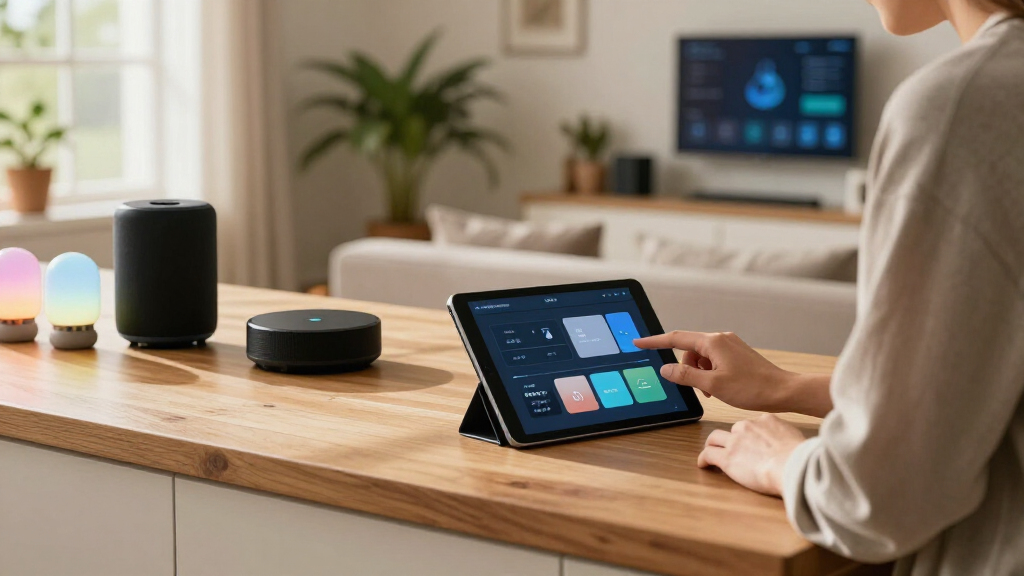
These smart home hubs were evaluated based on a combination of device compatibility, ease of setup, automation capabilities, build quality, and user interface. We prioritized hubs that support widely used protocols like Zigbee, Z-Wave, and Thread, ensuring flexibility for various device ecosystems. Cost-effectiveness was also a factor, but not at the expense of core functionality or reliability. The ranking reflects a balance between simplicity for beginners and advanced features for seasoned smart home enthusiasts, aiming to guide different types of buyers toward the best fit for their needs.| smart home automation hub | Connectivity |
|---|---|
| TREATLIFE ZigBee 3.0 & Bluetoo | — |
| SmartThings Hub 3rd Generation | — |
| Tapo Smart Hub with Built-in C | — |
| Homey Pro Mini | Smart Home Hu | — |
| SONOFF Bridge Max Smart Home H | LAN, MQTT |
| Home Assistant Green Smart Hom | USB expandability for Z-Wave, Zigbee, and Thread |
| YoLink Smart Home Hub | Wireless (specifics not detailed) |
| Aqara Smart Home Hub M3 with M | PoE, USB-C, Wi-Fi |
| SwitchBot Hub 3 | Wi-Fi 2.4GHz, Bluetooth |
| Hubitat Elevation C-8 Pro Smar | — |
Factors to Consider When Choosing Smart Home Automation Hubs
Choosing the right smart home automation hub involves considering several factors that go beyond just device compatibility. Understanding what protocols your existing or future devices use can prevent frustration and reduce the need for multiple hubs. Ease of setup and managing automation rules are equally important, especially if you’re new to smart home tech. Price is often a key consideration, but investing in a more capable hub can pay off if you plan to expand your system over time. Finally, compatibility with voice assistants and integration with your preferred ecosystem can streamline daily control and automation.Compatibility and Protocol Support
Ensure your chosen hub supports the communication protocols used by your devices, such as Zigbee, Z-Wave, or Thread. Broader protocol support means greater flexibility and easier integration of new devices in the future. Some hubs focus on specific ecosystems, which can simplify setup but limit expansion options. Consider your long-term plans — if you plan to add a variety of brands and device types, a hub with multi-protocol support is often worth the extra investment.
Ease of Use and App Ecosystem
A user-friendly app and straightforward setup process can make a significant difference, especially for newcomers. Some hubs come with comprehensive apps that allow detailed automation and device management, while others may have a steeper learning curve. Think about whether the interface aligns with your technical comfort level and if it offers remote control, scheduling, or scene creation features that match your automation goals.
Automation Capabilities
The core value of a hub lies in its automation features. More advanced hubs support complex logic, conditional triggers, and integration with voice assistants. If you want to create sophisticated routines or integrate with third-party services, look for hubs that support local automation processing and offer compatibility with platforms like IFTTT, Home Assistant, or proprietary ecosystems. Budget options may lack some of these features but can still serve basic needs well.
Build Quality and Reliability
The physical build and network stability of your hub influence long-term reliability. A well-made device with a stable connection reduces downtime and technical issues. Ethernet-connected hubs tend to offer more stable performance than Wi-Fi-only options, which can be affected by network congestion. Consider your home’s network setup to choose a hub that maintains consistent connectivity, especially if you plan to automate critical functions like security or climate control.
Price and Ecosystem Compatibility
While budget hubs can handle basic automation, investing in a higher-end model often unlocks more protocols, automation complexity, and future compatibility. Think about the ecosystem you prefer—whether it’s SmartThings, Hubitat, or open-source platforms—since some hubs excel within specific ecosystems while others aim for universal compatibility. Avoid overpaying for features you won’t need, but also recognize that a more capable hub can reduce the need for multiple devices or hubs later on.
Frequently Asked Questions
Can I use multiple smart home hubs together?
Yes, many smart home enthusiasts deploy multiple hubs to cover different protocols or device ecosystems, but this can introduce complexity in management. Some hubs support bridging or integration with other hubs via APIs or compatible platforms, allowing devices to communicate across systems. Keep in mind that managing multiple hubs often requires additional setup and maintenance, so it’s best suited for users with a more advanced setup or specific protocol needs.
Is a more expensive hub always better?
Not necessarily. Higher-priced hubs generally offer broader protocol support, more automation features, and better build quality, which can be beneficial for larger or more complex setups. However, if your needs are simple—such as controlling a handful of Zigbee devices—an affordable hub might suffice. Prioritize features that match your current and near-future needs to avoid paying for capabilities you won’t use.
Do I need a hub if my devices support Wi-Fi?
Many Wi-Fi-enabled smart devices can operate without a hub, but using one can centralize control, improve automation reliability, and reduce network congestion. A hub can also extend device compatibility, especially for protocols like Zigbee or Z-Wave that don’t natively connect over Wi-Fi. Consider your device ecosystem and automation complexity when deciding if a hub is worth it for Wi-Fi-only devices.
What’s the benefit of supporting Zigbee or Z-Wave in a hub?
Supporting Zigbee or Z-Wave allows your hub to communicate with a wider range of smart devices that do not connect directly via Wi-Fi. These protocols are designed for low-power, reliable mesh networks, which can improve device responsiveness and reduce network load. Hubs supporting these protocols typically enable more robust automation and device variety, especially for sensors, switches, and security devices.
Should I choose a hub with local automation processing?
Opting for a hub that supports local automation processing can enhance reliability and speed, especially during internet outages. Local processing means routines and triggers execute directly on the hub rather than relying on cloud servers, reducing latency and dependence on external services. If your home automation setup includes critical functions like security or climate control, a hub with local automation support is a wise choice.
Conclusion
For those new to smart home automation, the SmartThings Hub 3rd Generation offers a straightforward, reliable entry point that balances ease of use with broad compatibility. Budget-conscious buyers should consider the TREATLIFE ZigBee 3.0 & Bluetooth Gateway for its affordability and decent protocol support. Tech enthusiasts and advanced users will find the Homey Pro Mini appealing for its extensive protocol support and automation flexibility, making it ideal for complex setups. Ultimately, your choice depends on your existing devices, desired automation complexity, and budget—select the hub that best aligns with your smart home ambitions for 2026.