
Choosing the right high voltage smart thermostat for 240V heating systems can be challenging with so many options available. The nVent Nuheat Home AC0056 stands out as the best overall for its compatibility with radiant floors and built-in safety features. For those seeking flexibility, the meross Smart Thermostat offers seamless smart home integration and easy installation. Another solid choice is the Honeywell TL7235A1003, known for its durability and straightforward control. The main tradeoffs involve balancing smart features, installation complexity, and price. Continue reading for a detailed breakdown of each model and which one fits your specific needs.
Key Takeaways
- Top picks excel in compatibility with 240V systems, ensuring reliable operation.
- Smart integration varies: some models support Alexa, Google, and Apple, while others focus on simplicity.
- Installation complexity ranges from plug-and-play to more involved wiring, influencing suitability for DIYers.
- Safety features like GFCI or surge protection are common in premium models, adding peace of mind.
- Pricing reflects features: more advanced smart functions generally come at a higher cost.


More Details on Our Top Picks
nVent Nuheat Home AC0056 Programmable Touchscreen Thermostat, for Radiant Heated Floors, 120V/ 240V Cables, with an Extra OJ Electronics Floor Heating Temperature Sensor and Built-in GFCI
This thermostat stands out for its intuitive 3.5″ color touchscreen, making programming and control effortless, especially compared to the more basic Honeywell TH115-A-240D-B. Its dual-voltage compatibility (120V and 240V) and built-in GFCI protection prioritize safety, making it ideal for radiant floor heating in bathrooms or kitchens. Unlike the Honeywell model, which offers manual control with less advanced safety features, this unit integrates diagnostic tools and a setup wizard to ensure proper installation—beneficial for DIYers or professionals. The tradeoff is that its higher complexity and price could be overkill for straightforward heating needs. Overall, this pick makes the most sense for homeowners seeking a user-friendly, safe, and programmable floor heating solution.
Pros:- High-res 3.5″ color touchscreen simplifies programming
- Dual-voltage support accommodates various wiring setups
- Built-in GFCI enhances safety for wet areas
Cons:- Higher price point compared to simpler thermostats
- Complex setup may require professional installation
Best for: Homeowners installing radiant floor heating who want safety, programmability, and a touchscreen interface.
Not ideal for: Users seeking a simple, non-smart, manual thermostat for basic room heating, as it may be too advanced or costly.
- Controller Type:Programmable Touchscreen
- Additional Features:Energy Monitoring, Diagnostic Tests
- Specific Uses:Radiant Heated Floors
- Voltage:120V / 240V
- Display Type:Color Touchscreen
- Control Method:Touch
Bottom line: Ideal for those who prioritize ease of use, safety features, and detailed control in radiant floor heating applications.
Honeywell TL7235A1003 Line Volt Pro Non-Programmable Digital Thermostat with Electronic Temperature Control, 240-Volt
This Honeywell model offers straightforward, non-programmable temperature control with a clear backlit display, making it suitable for users who want basic functionality at a lower cost. Compared to the Meross Wi-Fi thermostat, it lacks smart features but excels in durability and simplicity, perfect for traditional baseboard or electric heater setups. Its analog control and on-demand backlight provide good visibility in various lighting conditions, unlike the Meross’s digital interface, which might be more modern but less intuitive for some users. The main tradeoff is the absence of programmability and remote control, which limits automation. This thermostat is best suited for those who prefer a reliable, no-fuss solution for high-voltage heating without the need for Wi-Fi or app control.
Pros:- Easy-to-read backlit display for visibility
- Simple, non-programmable controls reduce complexity
- Cost-effective option for 240V systems
Cons:- No smart features or scheduling capabilities
- Limited to manual control without remote access
Best for: Homeowners seeking a reliable, budget-friendly 240V thermostat for basic temperature regulation.
Not ideal for: Users wanting smart features, scheduling, or remote access, as this model is manual and lacks connectivity.
- Controller Type:Digital, Non-Programmable
- Features:Backlit Display, Electronic Temperature Control
- Specific Uses:Electric Baseboard Heating
- Voltage:240V
- Control Type:Digital Button
- Wattage:3360 Watts
Bottom line: Best suited for users who want a straightforward, durable thermostat for high-voltage systems without smart capabilities.
Dr. Infrared Heater DR-001 Wall Thermostat 4 wires single or Double poles 120-277V 3360-7756W, White
This Dr. Infrared thermostat is designed for high power, supporting up to 7756W across a wide voltage range (120-277V), making it suitable for large or multiple zone infrared heating systems. Its large control knob and flush wall mount facilitate easy adjustments, akin to traditional thermostats like the Honeywell TH115-A-240D-B but with a focus on high wattage capacity. Unlike the Honeywell, which is simple but less powerful, this model handles more demanding systems but lacks smart features or programmability. Its manual control and straightforward design mean fewer setup issues but less automation. It’s ideal for users who prefer a rugged, high-capacity thermostat for large infrared heaters, but not for those seeking smart or remote control options.
Pros:- Supports high wattage up to 7756W for large systems
- Wide voltage compatibility (120-277V)
- Large knob for easy manual adjustments
Cons:- No smart features or remote control
- Requires manual operation, less automation
Best for: Users with high-wattage infrared heating systems needing manual, reliable control over large power loads.
Not ideal for: Homeowners wanting Wi-Fi connectivity or programmable features, as this is a basic manual thermostat.
- Controller Type:Manual Wall Mount
- Features:Large Adjustment Knob
- Specific Uses:Infrared and High-Wattage Heating
- Voltage:120V-277V
- Wattage:3360W @120V, 7756W @277V
- Control Method:Button
Bottom line: Perfect for high-power infrared systems where manual control and durability are prioritized over smart features.
meross Smart Thermostat for Electric Baseboard and in-Wall Heaters Work with HomeKit, Alexa and Google Home, 120V-240V Wi-Fi Programmable Thermostat with Easy Install, Energy Saving, 4 Wires Needed
The meross smart thermostat combines Wi-Fi connectivity with compatibility across HomeKit, Alexa, and Google Assistant, making it ideal for tech-savvy users who want remote control and automation. Compared to the manual Honeywell or Dr. Infrared options, meross supports scheduling, energy monitoring, and voice commands, which can significantly enhance convenience and efficiency. Its easy 30-minute installation suits DIYers, and the energy-saving features help reduce power bills. However, its reliance on Wi-Fi means it may be less reliable during network outages, and its smart functions could be overwhelming for users preferring simple controls. This thermostat is best for those wanting a seamless, connected heating experience with remote access and automation options in 240V systems.
Pros:- Supports Apple HomeKit, Alexa, Google Home for voice control
- Energy monitoring and scheduling for efficiency
- Easy installation within 30 minutes
Cons:- Requires stable Wi-Fi connection for full functionality
- Higher cost compared to basic models
Best for: Homeowners looking for a Wi-Fi enabled, programmable thermostat that integrates with smart home systems.
Not ideal for: Users who prefer non-smart, manual thermostats or have unreliable internet connections, as Wi-Fi dependency is critical.
- Controller Type:Wi-Fi Programmable
- Features:Energy Monitoring, Voice Control
- Specific Uses:Baseboard and Wall Heaters
- Voltage:120V-240V
- Control Method:App & Voice
- Connectivity:Wi-Fi
Bottom line: An excellent choice for smart home owners wanting remote access, automation, and energy tracking in 240V systems.
Honeywell Home Aube TH115-A-240D-B Programmable Electronic Thermostat Supply Voltage: 240 Vac 15A
This Honeywell model offers basic 7-day programming with a simple digital interface, making it suitable for users who want scheduled control without smart features. Compared to the meross Wi-Fi thermostat, it lacks remote access and energy monitoring but excels in straightforward operation and durability, ideal for traditional electric baseboard systems. Its manual programming and small display can be less intuitive than touchscreen models like the Nuheat but are enough for those comfortable with basic digital controls. The main limitation is the absence of connectivity, meaning no remote adjustments or automation. This thermostat suits users who prefer a reliable, simple, and affordable programmable solution for 240V systems.
Pros:- Simple digital interface with backlit display
- Cost-effective and reliable for 240V systems
- Good for basic weekly programming
Cons:- No smart features or remote control
- Limited to manual programming and adjustments
Best for: Homeowners needing a reliable, basic programmable thermostat for high-voltage electric heating without smart features.
Not ideal for: Tech-savvy users seeking remote control, automation, or energy tracking, as this model is purely manual and wired.
- Controller Type:Digital, Programmable
- Features:Backlit Display, Weekly Programming
- Specific Uses:Electric Baseboard Heating
- Voltage:240V
- Control Method:Digital Button
- Wattage:3360W
Bottom line: Best for users who want a straightforward, durable, and affordable programmable thermostat without smart features.
Mysa Smart Thermostat for Electric in-Floor Heating 240V | Class A GFCI | WiFi Programmable | App & Voice Control with Alexa, Google, Siri | No Subscription | Easy Install
This model stands out for its seamless integration with various smart home ecosystems, especially Apple’s HomeKit, which makes it ideal for users already invested in those systems. Compared with the Honeywell TL8230A, it offers more modern design and granular scheduling, but it does not support hydronic systems, limiting its use to electric in-floor setups. Its built-in Class A GFCI enhances safety, a feature absent from many competitors. The app interface is intuitive, allowing detailed zone control and scheduling. However, its installation requires some electrical know-how, and it’s not compatible with hydronic heating. This pick makes the most sense for homeowners with electric in-floor systems seeking a sleek, user-friendly interface and robust smart home compatibility.
Pros:- Excellent integration with Apple HomeKit, Alexa, and Google Assistant
- Built-in Class A GFCI for enhanced safety
- Granular scheduling and zone control via app
Cons:- Limited to electric in-floor heating systems, not compatible with hydronic setups
- Installation requires electrical expertise and proper wiring
Best for: Homeowners with electric in-floor heating systems looking for a reliable, app-controlled thermostat with safety features.
Not ideal for: Users with hydronic or water-based systems, as it does not support those configurations.
- Controller Type:App & Voice
- Voltage:240V
- Display Type:LED
- Wattage:3800 watts
- Control Method:App, Touch
- Connectivity Protocol:Wi-Fi
Bottom line: This is a top choice for electric in-floor heating owners wanting a smart, safe, and easy-to-control thermostat.
Mysa Smart Thermostat for Electric Baseboard Heaters 240V | Remote Control with 100% Free APP | Easy Install | HomeKit, Alexa, Google Home | Wi-Fi Programmable | Temp. & Humidity Alerts
Compared to the in-floor model, this thermostat makes installation and operation easier for baseboards, especially with its dedicated app and all-in-one design. It supports loads up to 3800W at 240V, making it suitable for larger heaters, and includes features like humidity alerts and adaptive display technology. Its compatibility with multiple smart home platforms—HomeKit, Alexa, Google—offers flexible control options. However, it requires at least four wires, including a neutral or second live wire, which could be a challenge for older wiring setups. Its sleek design and comprehensive features make it ideal for users with electric baseboard systems. This device makes the most sense for users who want a straightforward, Wi-Fi-enabled thermostat with advanced features for baseboard heating.
Pros:- Supports high wattage loads up to 3800W
- Compatible with multiple smart home platforms including Apple HomeKit
- Includes humidity alerts and adaptive display technology
Cons:- Requires at least four wires, limiting compatibility with some older systems
- Installation may be complex for non-electricians
Best for: Homeowners with high-capacity electric baseboard heaters seeking easy installation and smart features.
Not ideal for: Users with two-wire or older wiring systems lacking the necessary four-wire configuration.
- Controller Type:App & Voice
- Voltage:240V
- Display Size:3.5 Inches
- Wattage:3800W
- Control Method:App, Touch, Voice
- Connectivity Protocol:Wi-Fi
Bottom line: Ideal for tech-savvy homeowners with electric baseboard systems looking for a feature-rich, Wi-Fi-enabled thermostat.
Honeywell TL8230A1003 Electric Heat Digital 7 Day Programmable Thermostat
This Honeywell model offers reliable 7-day programming at a lower price point, making it suitable for users who want basic scheduling without smart home connectivity. It provides precise temperature control with a ±1°F accuracy, reducing energy waste. The large, backlit display ensures readability, and early start functionality helps reach desired temperatures on time. Unlike the Mysa models, it lacks app control, voice integration, and advanced features but excels in simplicity and affordability. This makes it ideal for those who prefer a straightforward, wired thermostat with dependable performance. However, it does not support wireless control or smart home integration, limiting flexibility for tech enthusiasts.
Pros:- Reliable 7-day programmable schedule
- Large, clear backlit display for easy reading
- Accurate temperature control within ±1°F
Cons:- No Wi-Fi or voice control capabilities
- Limited to basic scheduling, no smart features
Best for: Budget-conscious users seeking a reliable, wired, 7-day programmable thermostat for basic heating control.
Not ideal for: Homeowners wanting smart features, remote access, or integration with voice assistants.
- Controller Type:Digital
- Voltage:240V
- Display Type:Backlit
- Wattage:Resistive rated loads
- Control Method:Button
- Programmable:Yes
Bottom line: A solid choice for budget-minded households needing dependable, wired scheduling without smart features.
meross Matter Smart Thermostat for Electric Baseboard Heater, Works with Alexa, HomeKit, Google, SmartThings, Programmable WiFi Thermostat for House, Energy Saving, App & Voice Control for Smart Home
This thermostat excels at ecosystem versatility, supporting Alexa, Apple HomeKit, Google Assistant, and SmartThings, making it suitable for users who want to unify their smart devices. It manages loads up to 3800W at 240V and offers open window detection, energy monitoring, and scheduling. Unlike the Honeywell or Mysa models, it emphasizes ecosystem flexibility and real-time energy tracking, but its setup and configuration can be more complex. Its compatibility with multiple platforms makes it ideal for users who want a truly open smart home environment. This pick is best for homeowners who prioritize ecosystem integration and energy monitoring over simplicity.
Pros:- Supports multiple smart platforms including Alexa, Google, Apple, and SmartThings
- Includes energy monitoring and open window detection
- Supports high wattage loads up to 3800W
Cons:- Setup and configuration may be more complex for non-technical users
- Requires proper wiring, including neutral or second live wire
Best for: Homeowners seeking a versatile, ecosystem-agnostic thermostat with energy monitoring and smart scheduling.
Not ideal for: Users with simple or older wiring setups that cannot support the required wiring or those preferring plug-and-play solutions.
- Controller Type:App & Voice
- Voltage:240V
- Wattage:3800W
- Control Method:App & Voice
- Connectivity Protocol:Wi-Fi
- Features:Energy Monitoring, Open Window Detection
Bottom line: Best suited for tech-savvy users who want a flexible, ecosystem-neutral smart thermostat with energy insights.
Honeywell Home RTH9585WF1004 Wi-Fi Smart Color Thermostat, 7 Day Programmable, Touch Screen, Energy Star, Alexa Ready, Gray
This Honeywell model stands out for its versatile color display and intuitive touch interface, making it ideal for homeowners seeking a customizable aesthetic. Its compatibility with a broad range of heating systems, including forced air and heat pumps, positions it as a flexible choice over simpler models like the Mysa Lite, which only focus on electric baseboard heating. Compared with the Mysa, it offers more advanced scheduling and utility rebate features, but it does require a C-wire and does not support electric baseboard heaters directly. Its energy reports and demand response capabilities make it a strong option for those wanting to reduce costs while maintaining control through Alexa or Google Home. However, its installation complexity and limited compatibility with electric-only baseboard systems could be a hurdle for DIYers or those with specific electric setups.
Pros:- Bright, customizable color touchscreen for easy operation
- Compatibility with most forced air and heat pump systems
- Energy reports and utility rebate support
Cons:- Requires a C-wire, which may need additional wiring or adapters
- Does not support electric baseboard-only heating systems
Best for: Homeowners with forced air, hot water, or steam systems who want a colorful, feature-rich thermostat with smart home integration.
Not ideal for: People with electric baseboard heating only, especially if they prefer simple, plug-and-play solutions without color displays.
- Display Type:Color Touchscreen
- Compatibility:Forced air, heat pumps, hot water, steam
- Wi-Fi:Yes
- Energy Star Certified:Yes
- C-wire Required:Yes
- Smart Home Integration:Alexa, Google
Bottom line: This thermostat is best for those seeking a flexible, feature-packed solution for diverse heating setups with a modern interface.
Mysa Smart Thermostat LITE – Line Voltage Electric Baseboard Heater Thermostat 120V/240V | DIY Install | HomeKit, Alexa, Google | Wi-Fi Programmable | App Control
The Mysa Lite excels in simplicity and affordability for electric baseboard and wall heaters, making it an excellent pick for DIY enthusiasts. Its straightforward 4-wire installation process is faster than the more complex setup required for the Honeywell, appealing to users who prefer a quick, no-fuss upgrade. Compared to the Honeywell, it doesn’t have a color display or advanced utility features but compensates with a dedicated focus on electric heating control, achieving up to 26% savings through tailored scheduling. It supports Apple HomeKit, Alexa, and Google, providing seamless voice and remote control. The tradeoff is that it only operates as a single-pole thermostat, limiting its use in multi-wire setups or more complex systems. Its minimalist design and dedicated electric focus make it ideal for hard-to-heat spaces, but it lacks the broader system compatibility of the Honeywell.
Pros:- Simple DIY installation with clear video guide
- Supports multiple voice assistants including HomeKit, Alexa, Google
- Up to 26% heating cost reduction with scheduling
Cons:- Limited to single-pole systems, restricting use in complex wiring
- No color display or advanced energy reporting
Best for: Owners of electric baseboard, wall, or convector heaters looking for an affordable, easy-to-install smart thermostat.
Not ideal for: Homeowners with multi-pole or hybrid systems needing advanced features or color displays, who might prefer the Honeywell.
- Voltage Compatibility:120V/240V
- Installation:DIY 4-wire
- Smart Home Compatibility:HomeKit, Alexa, Google
- App Control:Yes
- Savings Potential:Up to 26%
- Control Type:Single pole
Bottom line: This thermostat is ideal for electric heat users seeking an affordable, easy-to-install smart control, especially in spaces like garages or sunrooms.
How We Picked
Our evaluation focused on key factors that impact real-world use: compatibility with 240V heating systems, ease of installation, smart home integration, build quality, and safety features. We also considered value for money and user control options like apps and voice commands. The ranking reflects a balance of performance, versatility, and price, aiming to recommend models suitable for a variety of users—from DIY enthusiasts to professional installers. Products that excelled across these criteria were placed higher, while those with notable limitations or niche appeal ranked lower. This approach ensures that each recommendation offers meaningful advantages aligned with different buyer priorities.Factors to Consider When Choosing Best High Voltage Smart Thermostats For 240v Heating
When selecting a high voltage smart thermostat for 240V heating, it’s important to consider both technical compatibility and how the device fits into your smart home setup. Features like user interface, installation complexity, safety measures, and integration with existing systems can influence long-term satisfaction. Being aware of common pitfalls, such as choosing models that don’t support your wiring or lack safety certifications, helps avoid costly mistakes. A thoughtful approach ensures you get a reliable, efficient, and user-friendly thermostat tailored to your specific heating arrangement.Compatibility with Your Heating System
Ensure the thermostat is rated for 240V high voltage systems and compatible with your specific heating setup, whether baseboard, radiant floors, or other electric heaters. Not all thermostats support this voltage directly—some require additional wiring or adapters. Choosing a model designed for high voltage use reduces the risk of malfunction and safety issues. Double-check the wiring requirements and voltage ratings to match your installation and avoid costly upgrades or modifications later.
Ease of Installation and Wiring
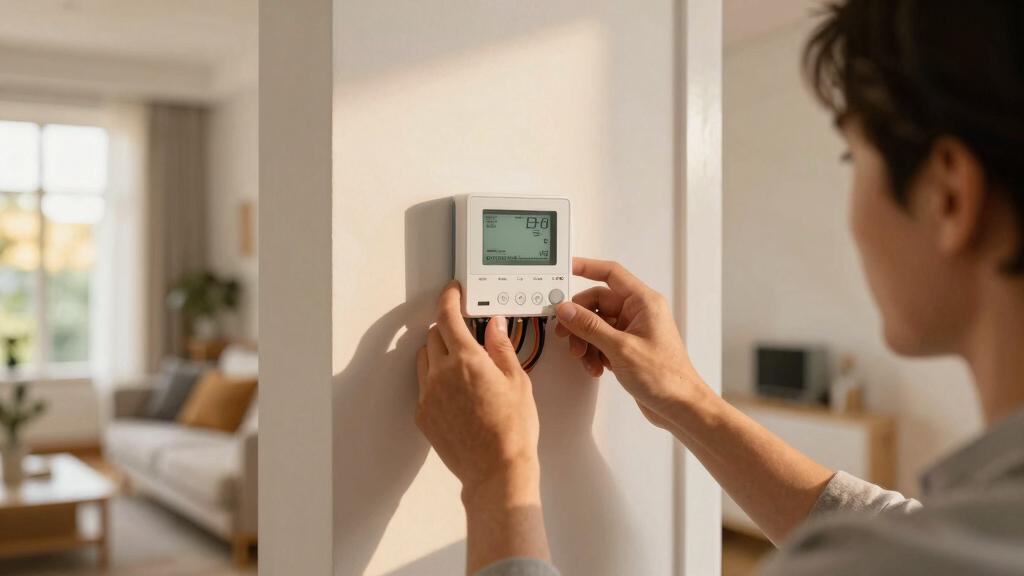
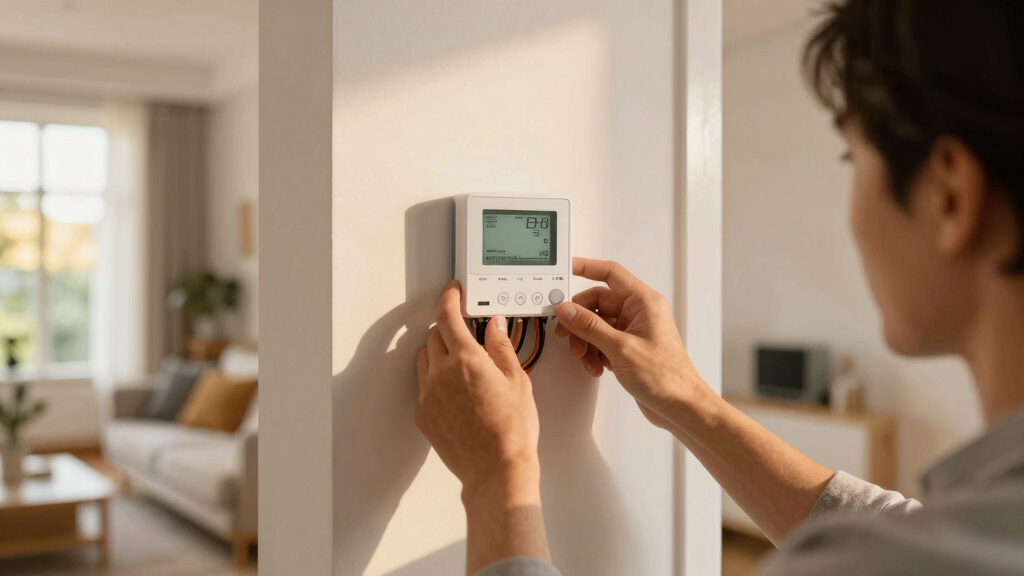
Look for thermostats offering clear installation instructions and wiring diagrams tailored for 240V setups. Some models are designed for DIY installation with minimal wiring, while others may require professional help. Avoid overly complex wiring requirements if you’re not comfortable with electrical work, but also consider that more straightforward models might lack advanced features. Balancing ease of installation with desired smart capabilities is key to a satisfying experience.
Smart Home Integration and Control
Consider whether the thermostat supports your preferred smart home ecosystem—be it Alexa, Google Assistant, Apple HomeKit, or others. Compatibility ensures seamless control via voice commands or smartphone apps. Also, evaluate the app’s usability, feature set, and whether it provides energy reports or scheduling options. Weak integration can limit the smart functionalities you expect, so prioritize models with proven compatibility for your existing devices.
Safety and Reliability Features
Safety features like GFCI protection, surge suppression, or certified wiring components are vital for high voltage systems. These features help prevent electrical faults, shocks, and damage. Investing in a model with robust safety measures can save money and frustration over time. Also, check for build quality and manufacturer reputation, especially for models with digital controls and Wi-Fi modules, to ensure consistent performance and support.
Price and Value
High voltage smart thermostats vary significantly in price, often reflecting their feature set and brand reputation. While budget options may lack advanced smart features or safety certifications, premium models tend to offer better integration, safety, and durability. Consider your long-term needs and whether the added features justify the higher cost. Sometimes, investing a bit more upfront pays off through better reliability and smarter control options.
Frequently Asked Questions
Can I install a high voltage smart thermostat myself?
Installing a high voltage smart thermostat can often be a DIY project if you have basic electrical knowledge and adhere to safety procedures. Many models come with detailed wiring diagrams and clear instructions suitable for experienced DIYers. However, because of the high voltage involved, if you are unsure or unfamiliar with electrical work, hiring a licensed electrician is highly recommended to ensure safety and proper installation. Proper wiring not only guarantees safety but also optimal performance of your thermostat.
Will a smart thermostat work with my existing 240V heating system?
Most high voltage smart thermostats are designed specifically for 240V systems, but compatibility depends on both the thermostat’s specifications and your heater type. Check the product’s voltage ratings and wiring requirements carefully. Some models are suitable for baseboard heaters, radiant floors, or electric furnaces, but confirming compatibility before purchase is crucial. If your system has unique wiring or features, consulting a professional can prevent compatibility issues or installation mistakes.
What safety features should I look for in a high voltage thermostat?
In high voltage applications, safety features are non-negotiable. Look for models with GFCI (Ground Fault Circuit Interrupter) protection, surge suppression, and certifications from recognized safety organizations. These features help prevent electrical shocks, protect against power surges, and ensure the device operates reliably over time. Investing in a thermostat with built-in safety measures can offer peace of mind, especially in environments with complex wiring or high power loads.
Are smart thermostats compatible with all voice assistants?
Compatibility varies among models; some thermostats work seamlessly with Alexa, Google Assistant, and Apple HomeKit, while others may only support one or two platforms. Always verify the specific voice assistant support before purchasing if this feature is important to you. Compatibility ensures you can control your heating with voice commands and integrate the thermostat into your broader smart home ecosystem for convenience and automation.
How do I choose between a non-programmable and a smart thermostat?
Non-programmable thermostats offer simple, reliable control without smart features, making them suitable for basic needs or budgets. Smart thermostats provide remote control, scheduling, energy reports, and voice integration, offering more convenience and potential savings. Your choice depends on your comfort with technology, desired control features, and whether you want to automate or monitor your heating remotely. For most modern setups, smart models deliver added value with minimal complexity if you select one compatible with your wiring and system.
Conclusion
For those prioritizing overall reliability and compatibility, the nVent Nuheat Home AC0056 makes an excellent choice, especially for radiant floor heating. Budget-conscious buyers seeking smart features without complexity might prefer the meross Smart Thermostat, which balances affordability with smart home integration. If safety and durability are your main concerns, the Honeywell TL7235A1003 or Honeywell RTH9585WF are solid options for more advanced setups. Beginners and DIYers should lean toward models with straightforward wiring, like the Mysa Lite. Ultimately, your choice hinges on your system type, desired features, and budget—matching these factors ensures a heating control solution that lasts and performs.