
Editorial update log
November 17, 2026:
Deal update: RoundupForge price history now flags ASIN B075BF6V58 on amazon.com as below its typical tracked range. RF labels the deal as all_time_low.
Exact pricing remains intentionally gated through the live Grimfaste price module in the article.
Smart home learning thermostats go beyond simple scheduling by observing your habits and adjusting heating and cooling automatically, and the differences between models come down to how well they learn, how much they can save, and how complicated the installation is. The Google Nest Learning Thermostat (4th Gen) earns my top spot because its genuine learning algorithms, remote temperature sensors, and radar-based occupancy detection make it the closest thing to a thermostat that truly runs itself. The ecobee Smart Thermostat Enhanced is the strongest challenger for most homes thanks to its excellent value and smart accessory support, while the Sensi Touch 2 wins on DIY-friendliness with a color touchscreen that beginners can master in minutes. The main tradeoff in this category is price versus autonomy: true learning models cost more upfront but pay back through energy savings, while budget Wi-Fi models like the Amazon Smart Thermostat offer app control without the self-programming brains. Keep reading for the full breakdown of all twelve models, including who each one is for and which ones you should skip.

Get home appliances delivered free with Prime
- Fast, free delivery on millions of items
- Prime Video, Amazon Music and more included
- Member-only deals all year
Complete the kit



Key Takeaways
- Only three models in this roundup — the Nest Learning Thermostat 4th Gen and the two ecobee smart models — offer true self-programming; the rest are programmable Wi-Fi thermostats that rely on you setting schedules manually.
- Remote temperature sensors are the biggest differentiator between the premium Nest Learning Thermostat and every cheaper option, because they let the thermostat heat or cool the rooms you actually occupy instead of the hallway where it’s mounted.
- The Amazon Smart Thermostat and Sensi Lite deliver app control for under $100, but neither works with remote sensors, which means multi-room comfort suffers — that’s the hidden cost of the budget tier.
- Installation difficulty varied more than price did: most models need a C-wire or the included power extender, and renters or older homes should prioritize models that work without one.
- The Nest Learning Thermostat appeared three times in this lineup in different finishes and bundles, which signals Google‘s dominance in the learning category — but ecobee beats it on price for nearly the same intelligence.
| Google Nest Thermostat – Smart Thermostat for Home – Programmable Wi-Fi Thermostat – Charcoal | 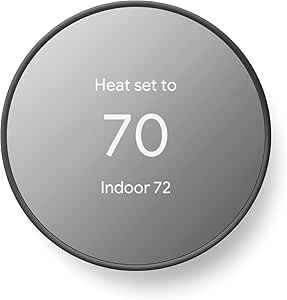 | Best Value Smart Pick | Connectivity: Wi-Fi 802.11 b/g/n 2.4 GHz, 802.11 a/n 5 GHz; Bluetooth Low Energy | Compatibility: Works without C wire in most homes; HVAC check required | Features: Energy-saving scheduling, remote control, HVAC monitoring, system alerts | VIEW LATEST PRICE | See Our Full Breakdown |
| Google Nest Learning Thermostat (4th Gen, 2024) with Nest Temperature Sensor – Polished Gold |  | Best Premium Statement Piece | Model: 4th Gen, 2024 | Color: Polished Gold | Compatibility: Alexa, Apple HomeKit, Google Home, Matter | VIEW LATEST PRICE | See Our Full Breakdown |
| Google Nest Learning Thermostat (4th gen) + Nest Temperature Sensor (2nd gen) – Silver |  | Best Overall | Model: 4th generation | Includes: Nest Temperature Sensor (2nd gen) | Display: 60% larger with dynamic Farsight | VIEW LATEST PRICE | See Our Full Breakdown |
| ecobee Smart Thermostat Essential – WiFi Thermostat, Energy Star Certified |  | Best for Ecosystem Flexibility | Energy Certification: ENERGY STAR certified | HVAC Compatibility: Most 24 VAC systems: gas, oil, electric, dual fuel, heat pump, boilers | Display: Color touchscreen | VIEW LATEST PRICE | See Our Full Breakdown |
| Sensi Lite Smart Thermostat, WiFi, Alexa, DIY, Energy Star Certified, ST25 | 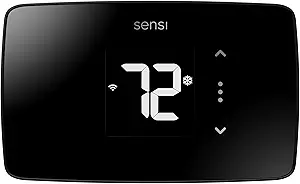 | Best Budget Starter | Connectivity: Wi-Fi | HVAC Compatibility: Most HVAC systems with common wire | Energy Certification: ENERGY STAR certified | VIEW LATEST PRICE | See Our Full Breakdown |
| Sensi Touch 2 Smart Thermostat Wi-Fi, Alexa, Energy Star Certified, ST76 |  | Best Overall | Compatibility: Works with Alexa, Room Sensors (sold separately) | Energy Star Certified: Yes | Installation: DIY with app guidance, requires common wire (c-wire) | VIEW LATEST PRICE | See Our Full Breakdown |
| Sensi Smart Thermostat, Wi-Fi, Alexa Compatible, Energy Star Certified |  | Best Value | Connectivity: Wi-Fi | Compatibility: Alexa | Certification: Energy Star | VIEW LATEST PRICE | See Our Full Breakdown |
| Smart Thermostat for Home, Programmable WiFi Thermostat, Saving Thermostat – Up to 4 Heat/2 Cool, Easy DIY Install |  | Best for Multi-Stage HVAC | Compatibility: Supports 4 Heat / 2 Cool HVAC systems | Wi-Fi: 2.4GHz Wi-Fi | Control: Remote via Smart Life and Tuya Smart App | VIEW LATEST PRICE | See Our Full Breakdown |
| Google Nest Thermostat – Smart Wi-Fi Programmable Thermostat for Home – Snow |  | Best for Smart Home Integration | Connectivity Protocol: Wi-Fi | Energy Star Certified: Yes | Compatibility: Works without C wire in most homes; check online | VIEW LATEST PRICE | See Our Full Breakdown |
| ecobee Smart Thermostat Enhanced, Programmable Wi-Fi Thermostat |  | Best for Advanced Customization | Compatibility: Most 24 VAC HVAC systems including gas, oil, electric, dual fuel, heat pump, and boilers | Power: Hardwired with Power Extender Kit included | Features: Occupancy sensing, learning schedule, humidity control, remote control | VIEW LATEST PRICE | See Our Full Breakdown |
| Amazon Smart Thermostat |  | Best for Easy DIY Control and Alexa Integration | Compatibility: Works with Alexa and Ring | C-wire required: Yes | Energy Savings: Average of $90 annually | VIEW LATEST PRICE | See Our Full Breakdown |
| Honeywell Home RTH9585WF Wi-Fi Smart Color Thermostat |  | Best for Customization and Smart Home Integration | Programmable: 7-day | Display: Touch screen | Energy Star: Yes | VIEW LATEST PRICE | See Our Full Breakdown |
| smart home learning thermostat | Compatibility | Connectivity |
|---|---|---|
| Google Nest Thermostat | Works without C wire in most homes; HVAC check required | Wi-Fi 802.11 b/g/n 2.4 GHz, 802.11 a/n 5 GHz; Bluetooth Low Energy |
| Google Nest Learning Thermosta | Alexa, Apple HomeKit, Google Home, Matter | — |
| Google Nest Learning Thermosta | — | Wi-Fi, Matter compatible |
| ecobee Smart Thermostat Essent | — | Wi-Fi; works with Apple HomeKit, Google Assistant, Alexa |
| Sensi Lite Smart Thermostat | — | Wi-Fi |
| Sensi Touch 2 Smart Thermostat | Works with Alexa, Room Sensors (sold separately) | — |
| Sensi Smart Thermostat | Alexa | Wi-Fi |
| Smart Thermostat for Home | Supports 4 Heat / 2 Cool HVAC systems | — |
| Google Nest Thermostat | Works without C wire in most homes; check online | — |
| ecobee Smart Thermostat Enhanc | Most 24 VAC HVAC systems including gas, oil, electric, dual fuel, heat pump, and boilers | — |
| Amazon Smart Thermostat | Works with Alexa and Ring | Wi-Fi |
| Honeywell Home RTH9585WF Wi-Fi | Forced air, hot water, steam, heat pumps with electric backup | — |
More Details on Our Top Picks
Google Nest Thermostat – Smart Thermostat for Home – Programmable Wi-Fi Thermostat – Charcoal
For buyers who want Google’s ecosystem without the flagship price, this thermostat splits the difference nicely. Unlike the Nest Learning Thermostat (4th gen), this model doesn’t actually learn your schedule — you program it, or let its auto-away feature trim heating and cooling when the house is empty. That simplicity is the point: it costs far less while still delivering app control, HVAC health alerts, and ENERGY STAR certification. Compared with the Amazon Smart Thermostat, it offers stronger system monitoring, but the tradeoff is real — no temperature sensors, no lock feature, and no learning. This pick makes the most sense for smaller homes or condos where a single sensor covers everything and a budget doesn’t stretch to the 4th-gen model.
Pros:- Auto-away scheduling trims energy use when nobody’s home
- HVAC monitoring sends alerts before small problems become repairs
- Works without a C wire in most homes
- Integrates with Google Assistant and Matter-enabled platforms
Cons:- No true learning — you’re doing the scheduling yourself
- No lock feature, so renters or homes with curious kids can’t restrict changes
- No support for remote temperature sensors
Best for: Budget-conscious Google Home users in smaller homes who want app control and energy savings without paying learning-thermostat prices
Not ideal for: Homeowners with multi-room hot and cold spots — there’s no remote sensor support, unlike the Nest Learning Thermostat lineup
- Connectivity:Wi-Fi 802.11 b/g/n 2.4 GHz, 802.11 a/n 5 GHz; Bluetooth Low Energy
- Compatibility:Works without C wire in most homes; HVAC check required
- Features:Energy-saving scheduling, remote control, HVAC monitoring, system alerts
- Lock Feature:No
- Voice Assistants:Google Assistant, Matter-enabled assistants
- Energy Certification:ENERGY STAR certified
Our verdict“Buy this if you want the Nest experience and genuine energy savings at the lowest entry price; skip it if you want the thermostat to learn your routine for you.”
Google Nest Learning Thermostat (4th Gen, 2024) with Nest Temperature Sensor – Polished Gold
The Polished Gold finish turns a thermostat into design-forward hardware — the one model in this lineup a homeowner might genuinely want guests to notice. Underneath the metal, it’s the full 4th-gen experience: true schedule learning, a display 60% larger than earlier generations, and a bundled 2nd-gen Nest Temperature Sensor that the cheaper Nest Thermostat (Charcoal) can’t use at all. Its cross-platform reach — Alexa, Apple HomeKit, Google Home, and Matter — beats the ecosystem flexibility of the ecobee Smart Thermostat Essential‘s app-only lineup in practice for Apple-centric households. The tradeoff is price: you pay a premium for the finish and the learning engine, and setup still demands a compatibility check on older HVAC systems. Worth it for design-minded buyers; overkill for a rental.
Pros:- Genuinely learns your schedule and programs itself over time
- Bundled Nest Temperature Sensor enables room-specific comfort
- Works with Alexa, Apple HomeKit, Google Home, and Matter
- Larger, customizable display is readable across a room
Cons:- Premium pricing well above non-learning competitors
- Learning features depend on a stable Wi-Fi connection
- Older or unusual HVAC systems may require professional verification
Best for: Design-conscious owners of finished homes who want full learning automation plus a finish that matches upscale interiors
Not ideal for: Landlords and budget renovators — the premium finish adds cost without changing how the thermostat performs
- Model:4th Gen, 2024
- Color:Polished Gold
- Compatibility:Alexa, Apple HomeKit, Google Home, Matter
- Display:60% larger than previous generation
- Included Sensor:Nest Temperature Sensor (2nd gen)
- Learning Capability:Auto-schedule learning
- Energy Certification:ENERGY STAR certified
Our verdict“This is the pick when appearance matters as much as automation — the same brains as the silver 4th-gen model, dressed for a showcase home.”
Google Nest Learning Thermostat (4th gen) + Nest Temperature Sensor (2nd gen) – Silver
This is the model I’d point most homeowners toward, and the ranking logic is straightforward: it delivers every capability in the category — self-programming schedules, a 60% larger display with dynamic Farsight, and up to 31% savings on heating and cooling bills — at a lower price than the Polished Gold edition, which is cosmetically identical in function. The bundled 2nd-gen temperature sensor solves the most common smart-thermostat complaint: uneven rooms, something the Sensi Lite can’t address at all. Its compatibility spread is also the widest here, covering gas, electric, oil, heat pump, and radiant 24V systems, and it speaks to Google Assistant, Alexa, and Siri. The honest tradeoffs: it’s still one of the most expensive options in this roundup, and initial setup involves more steps than simpler programmable units.
Pros:- Up to 31% savings on heating and cooling bills
- True learning automation with no manual programming needed
- Broadest HVAC compatibility in this batch, including radiant and heat pumps
- Included room sensor targets comfort where you actually sit
Cons:- Premium price compared to the standard Nest Thermostat and Sensi options
- Setup is more involved than basic programmable models
- Full feature set requires consistent Wi-Fi
Best for: Homeowners who want a set-it-and-forget-it system that learns their routine, evens out room temperatures, and works with any voice assistant
Not ideal for: Budget-limited buyers or those with non-24V HVAC systems — a basic programmable model covers the essentials for far less
- Model:4th generation
- Includes:Nest Temperature Sensor (2nd gen)
- Display:60% larger with dynamic Farsight
- HVAC Compatibility:Most 24V systems: gas, electric, oil, heat pump, radiant
- Connectivity:Wi-Fi, Matter compatible
- Control:Google Home app, Alexa, Siri, Google Assistant
- Energy Savings:Up to 31% on heating and cooling
- Sensor Support:Works with any Nest Temperature Sensor
Our verdict“If one purchase has to get automation, savings, sensors, and voice control right the first time, this is the one to buy.”
ecobee Smart Thermostat Essential – WiFi Thermostat, Energy Star Certified
Where the Nest Learning Thermostat leans on its learning engine, ecobee’s pitch is different: broad compatibility and practical savings without the learning premium. The Smart Thermostat Essential claims up to 23% annual savings through its Schedule Assistant, which adapts to your patterns rather than fully automating them — a middle ground between the Sensi Lite’s manual scheduling and Nest’s hands-off approach. Its color touchscreen and DIY-friendly Power Extender Kit make installation forgiving for homes without a C wire, and its Apple HomeKit, Alexa, and Google Assistant support means you’re not locked into one ecosystem the way basic Nest pairings can feel. The catch: SmartSensors are sold separately, so room-by-room comfort costs extra, and some boilers and dual-fuel setups still demand a compatibility check first.
Pros:- Up to 23% annual energy savings with Schedule Assistant
- Works across Apple HomeKit, Alexa, and Google Assistant
- Easy DIY install with optional Power Extender Kit for C-wire-less homes
- Built-in indoor humidity detection supports comfort fine-tuning
Cons:- SmartSensor 2-pack sold separately, adding cost for multi-room homes
- No true learning — Schedule Assistant adapts but still needs your input
- Some HVAC configurations require a compatibility check or extender kit
Best for: Smart-home tinkerers who mix ecosystems — Apple, Alexa, and Google under one roof — and want guided savings without flagship pricing
Not ideal for: Buyers expecting remote sensors out of the box — unlike the 4th-gen Nest bundles, you’ll pay extra for them here
- Energy Certification:ENERGY STAR certified
- HVAC Compatibility:Most 24 VAC systems: gas, oil, electric, dual fuel, heat pump, boilers
- Display:Color touchscreen
- SmartSensor Support:Yes (SmartSensor 2-pack sold separately)
- Indoor Humidity Detection:Yes
- Schedule Assistant:Yes
- Time of Use Support:Yes
- Connectivity:Wi-Fi; works with Apple HomeKit, Google Assistant, Alexa
Our verdict“The strongest choice for mixed-ecosystem households that want flexible control and solid savings at a mid-tier price, provided sensors aren’t a day-one requirement.”
Sensi Lite Smart Thermostat, WiFi, Alexa, DIY, Energy Star Certified, ST25
The Sensi Lite earns its slot as the lowest-friction entry point in this batch. Its built-in bubble level and step-by-step in-app instructions make it the easiest install here — genuinely DIY-friendly in a way the ecobee Smart Thermostat Essential, with its Power Extender Kit considerations, is not. Savings land around 23% on HVAC energy, matching ecobee’s claim, though you get there through manual scheduling and remote control rather than any learning intelligence. Compared with the Amazon Smart Thermostat, it holds its own on app quality and Alexa support. The limitation to understand before buying: it requires a common wire for most systems, and there’s no sensor ecosystem or learning mode to grow into. It’s a starter thermostat, and a good one — just not a long-term upgrade path.
Pros:- Simplest installation in the lineup with built-in level and guided steps
- About 23% HVAC energy savings through scheduling
- Remote control from anywhere via Android and iOS apps
- Alexa and ENERGY STAR certified at a budget price
Cons:- Requires a C wire for many systems — no power-extending workaround included
- No learning capability or remote sensor support
- Basic feature set that owners may outgrow quickly
Best for: First-time smart thermostat buyers with a C wire who want reliable app control and savings for the smallest possible investment
Not ideal for: Homes without a common wire, or anyone wanting learning automation and room sensors down the road
- Connectivity:Wi-Fi
- HVAC Compatibility:Most HVAC systems with common wire
- Energy Certification:ENERGY STAR certified
- Control:Mobile app for Android and iOS
- Voice Control:Alexa compatible
- Installation:DIY with built-in level and step-by-step instructions
- Energy Savings:Approximately 23% on HVAC energy
Our verdict“The cheapest credible way to get smartphone-controlled, energy-saving climate control — buy it for simplicity and price, not for advanced automation.”
Sensi Touch 2 Smart Thermostat Wi-Fi, Alexa, Energy Star Certified, ST76
The Sensi Touch 2 stands out for its combination of user-friendly DIY installation and advanced features like room sensor compatibility, which makes it a flexible choice for those wanting precise temperature control. Compared to the Sensi Smart Thermostat, it offers the added benefit of room sensors, but this feature is sold separately, adding to the overall cost. Its Energy Star certification emphasizes its focus on energy savings, and remote access ensures convenient control. However, the requirement for a common wire (c-wire) can be a barrier for some, and sensor costs can add up. This pick suits homeowners who want a customizable, energy-efficient system with room for expansion.
Pros:- Easy DIY installation with app guidance
- Energy-saving features with remote access
- Compatibility with optional room sensors for better temperature management
Cons:- Requires a common wire (c-wire) for installation
- Room sensors are sold separately, increasing overall cost
Best for: Homeowners comfortable with DIY installation seeking precise control and expandability
Not ideal for: Renters or those with incompatible wiring who prefer a plug-and-play solution without additional sensors
- Compatibility:Works with Alexa, Room Sensors (sold separately)
- Energy Star Certified:Yes
- Installation:DIY with app guidance, requires common wire (c-wire)
- Features:Remote access, usage reports, maintenance alerts
Our verdict“Best for tech-savvy homeowners who want a customizable, energy-efficient thermostat with room sensor options.”
Sensi Smart Thermostat, Wi-Fi, Alexa Compatible, Energy Star Certified
The Sensi Smart Thermostat offers a straightforward, cost-effective way to add smart features to most homes, especially since it often requires no common wire in typical installations. It matches the Sensi Touch 2 in core functionalities but lacks the touchscreen interface and sensor compatibility, making it a more streamlined choice for budget-conscious buyers. Its energy savings potential of around 23% is compelling, and real-time system monitoring helps prevent costly breakdowns. The main tradeoff is its limited customization compared to more advanced models, and some installations may still require a common wire. This thermostat is ideal for those seeking a simple upgrade with reliable energy savings without fuss.
Pros:- Easy DIY installation with step-by-step app instructions
- Reduces HVAC costs by approximately 23%
- Monitors system performance and provides maintenance alerts
- Fits standard thermostat spaces without patching or painting
Cons:- Requires a common wire in some cases, which may complicate installation
- Limited compatibility details for all HVAC systems
Best for: Budget-conscious homeowners or renters needing a simple, compatible smart thermostat
Not ideal for: Users wanting advanced features like sensor integration or a touchscreen interface
- Connectivity:Wi-Fi
- Compatibility:Alexa
- Certification:Energy Star
- Installation:DIY, no common wire required in most cases
Our verdict“Best for those seeking an affordable, reliable smart thermostat with energy savings and easy setup.”
Smart Thermostat for Home, Programmable WiFi Thermostat, Saving Thermostat – Up to 4 Heat/2 Cool, Easy DIY Install
This Smart Thermostat excels for homes with complex HVAC needs, supporting up to 4 heat and 2 cool stages, making it more versatile than the Google Nest in multi-stage systems. Its straightforward DIY installation with clear wiring diagrams appeals to those with some technical confidence, and its smart scheduling helps optimize energy use. The ability to control remotely via the Smart Life and Tuya Smart apps broadens its integration options. However, it requires a dedicated 24V C wire, which might not be present in all systems, and its compatibility should be verified beforehand. This model fits homeowners with more complex HVAC configurations seeking flexible control and energy efficiency.
Pros:- Supports multi-stage HVAC systems for greater flexibility
- Easy DIY installation with clear wiring diagrams
- Remote control and smart scheduling for energy savings
- Compatible with popular smart home ecosystems
Cons:- Requires a dedicated 24V C wire, which may not be available in all homes
- Wiring compatibility should be verified before purchase
Best for: Homeowners with multi-stage HVAC systems who want customizable control and smart scheduling
Not ideal for: Users with single-stage systems or electric baseboard heaters, due to compatibility issues
- Compatibility:Supports 4 Heat / 2 Cool HVAC systems
- Wi-Fi:2.4GHz Wi-Fi
- Control:Remote via Smart Life and Tuya Smart App
- Installation:DIY-friendly with standard wiring diagrams
Our verdict“Best for tech-savvy homeowners with complex HVAC setups seeking flexible, smart control.”
Google Nest Thermostat – Smart Wi-Fi Programmable Thermostat for Home – Snow
The Google Nest Thermostat offers seamless integration with Google and Alexa voice assistants, making it ideal for those invested in smart home ecosystems. Its sleek design and user-friendly setup differentiate it from more utilitarian models like the Sensi Touch 2. While it boasts features like HVAC monitoring and energy savings suggestions, some users may find the setup complex if their HVAC system requires additional accessories, and it lacks a lock feature for temperature control. Its compatibility with Google Home and Matter-certified devices makes it a natural choice for smart home enthusiasts. This thermostat is best for users prioritizing ecosystem integration and energy monitoring over advanced sensor options.
Pros:- Easy remote control via smartphone app
- Compatible with Google Assistant and Alexa
- Helps save energy with smart scheduling and HVAC monitoring
- Supports clean energy initiatives with Nest Renew
Cons:- May require additional accessories for some HVAC systems
- No lock feature for temperature control
- Setup can be complex for some users
Best for: Smart home enthusiasts who want seamless integration with Google Assistant and Alexa
Not ideal for: Users seeking extensive sensor customization or simple plug-and-play installation
- Connectivity Protocol:Wi-Fi
- Energy Star Certified:Yes
- Compatibility:Works without C wire in most homes; check online
- Voice Control:Yes, Google Assistant and Alexa
- Smart Home Integration:Google Home, Matter
- Additional Features:HVAC monitoring, energy savings suggestions, Nest Renew
Our verdict“Ideal for users who want a sleek, integrated smart thermostat with energy savings and voice control.”
ecobee Smart Thermostat Enhanced, Programmable Wi-Fi Thermostat
The ecobee Smart Thermostat Enhanced shines for homeowners seeking maximum control, with its learning schedule, occupancy sensing, and humidity management. It’s particularly appealing compared to simpler models like the Sensi Smart Thermostat, thanks to its ability to automatically adjust based on occupancy. Its compatibility with most 24 VAC HVAC systems and remote control via smartphone or Apple Watch make it a versatile choice. However, the initial setup can be complex, especially for those unfamiliar with HVAC wiring, and Wi-Fi dependence means remote features could be limited during outages. This model suits users who prioritize advanced automation and comfort features over simplicity.
Pros:- Saves up to 26% annually on energy costs
- Easy installation with included kits
- Remote control via smartphone and Apple Watch
- Learns user preferences for optimal comfort
Cons:- Requires compatibility verification for specific HVAC systems
- Dependent on Wi-Fi for remote features
- Setup may be complex for some users
Best for: Homeowners who want a highly automated, learning thermostat with humidity control
Not ideal for: Users seeking a straightforward, budget-friendly option or those with incompatible HVAC systems
- Compatibility:Most 24 VAC HVAC systems including gas, oil, electric, dual fuel, heat pump, and boilers
- Power:Hardwired with Power Extender Kit included
- Features:Occupancy sensing, learning schedule, humidity control, remote control
- Installation:DIY with included PEK and Trim Kit
Our verdict“Best for tech-savvy homeowners wanting a smart, learning thermostat with humidity and occupancy features.”
Amazon Smart Thermostat
The Amazon Smart Thermostat stands out for its straightforward installation process, making it an appealing choice for those who prefer a DIY setup. Its seamless compatibility with Alexa and Ring ecosystems allows for quick voice commands and remote control via the Alexa app, which is ideal for existing Amazon smart home users. Compared with more feature-rich options like the Honeywell RTH9585WF, it offers less in terms of customization and display sophistication, but its simplicity can be a plus for less tech-savvy users. The main tradeoff is its reliance on a compatible Alexa or Ring device, along with a C-wire requirement, which might complicate installation for some. If your priority is a budget-friendly, easy-to-install smart thermostat that works well with Amazon devices, this model makes a compelling choice.
Pros:- Simple DIY installation with guided app instructions
- Supports remote control via Alexa app, enhancing convenience
- Helps reduce energy bills with automated scheduling
Cons:- Requires a C-wire for installation, which may not be present in older homes
- Limited to Amazon’s smart home ecosystem, reducing flexibility
Best for: Homeowners who want a straightforward, Alexa-compatible thermostat that’s quick to install and easy to control remotely.
Not ideal for: Users seeking advanced display features or extensive customization options; those without Alexa or Ring devices may find it limiting.
- Compatibility:Works with Alexa and Ring
- C-wire required:Yes
- Energy Savings:Average of $90 annually
- Connectivity:Wi-Fi
- Brand:Amazon
Our verdict“This thermostat is best suited for Amazon smart home users seeking a budget-friendly, easy-to-install control solution.”
Honeywell Home RTH9585WF Wi-Fi Smart Color Thermostat
The Honeywell Home RTH9585WF earns its place as the best for users who want a more personalized and visually appealing thermostat. Its color touchscreen display allows for matching decor and provides a more intuitive interface than the Amazon model, which is more basic. Compared to the Amazon Smart Thermostat, it offers flexible 7-day programming and detailed energy reports, making it better suited for those who want in-depth control and insights. However, it shares the same C-wire requirement, which can be a hurdle for some installations—especially with older systems like electric baseboards. Unlike the Amazon model, it supports broader smart home integrations including Google Home, appealing to users with diverse ecosystems. If you value a customizable interface and detailed energy management, this thermostat offers a compelling upgrade.
Pros:- Color touchscreen display that can match room decor
- Advanced energy reports and tips for savings
- Supports multiple smart home platforms including Google Home
Cons:- Requires a C-wire, which may complicate installation in some homes
- Not compatible with electric baseboard heat, limiting use in certain heating setups
- Slightly more complex setup compared to basic models
Best for: Homeowners seeking a visually customizable, detailed scheduling thermostat that integrates with multiple smart home platforms.
Not ideal for: Renters or those with electric baseboard heating systems lacking a C-wire; users who prefer a minimal, simple interface without color display features.
- Programmable:7-day
- Display:Touch screen
- Energy Star:Yes
- Compatibility:Forced air, hot water, steam, heat pumps with electric backup
- C-wire required:Yes
- Color:Gray
- Smart Home Compatibility:Amazon Alexa, Google Home
Our verdict“This thermostat is ideal for users who want a customizable, feature-rich control panel with broad smart home compatibility.”

How We Picked
I evaluated each thermostat through the lens that defines this category: how well it learns your routine without manual programming. Models that automatically build schedules from your behavior and occupancy ranked higher than those that merely connect to Wi-Fi and wait for instructions. Beyond learning capability, I weighed energy savings potential (Energy Star certification, savings reports, and geofencing support), smart home ecosystem compatibility (Alexa, Google Home, Matter, and HomeKit), and remote sensor support, which proved to be the single biggest driver of real-world comfort in multi-room homes.
Installation reality also shaped the ranking. A thermostat that requires an electrician negates its own value proposition, so I favored models with straightforward DIY setup, clear app guidance, and C-wire workarounds. Finally, I factored in price-to-intelligence ratio: a $130 thermostat with solid learning beats a $250 touchscreen with none. That logic explains why the Nest Learning Thermostat 4th Gen leads despite its cost, why the ecobee Enhanced outranks pricier color-screen rivals, and why budget picks like the generic 4 Heat/2 Cool model and Sensi Lite sit lower — they connect, but they don’t think.
| smart home learning thermostat | Connectivity |
|---|---|
| Google Nest Thermostat | Wi-Fi 802.11 b/g/n 2.4 GHz, 802.11 a/n 5 GHz; Bluetooth Low Energy |
| Google Nest Learning Thermosta | — |
| Google Nest Learning Thermosta | Wi-Fi, Matter compatible |
| ecobee Smart Thermostat Essent | Wi-Fi; works with Apple HomeKit, Google Assistant, Alexa |
| Sensi Lite Smart Thermostat | Wi-Fi |
| Sensi Touch 2 Smart Thermostat | — |
| Sensi Smart Thermostat | Wi-Fi |
| Smart Thermostat for Home | — |
| Google Nest Thermostat | — |
| ecobee Smart Thermostat Enhanc | — |
| Amazon Smart Thermostat | Wi-Fi |
| Honeywell Home RTH9585WF Wi-Fi | — |
Factors to Consider When Choosing Smart Home Learning Thermostats
Before settling on a specific model, it helps to understand the broader landscape of smart home learning thermostats — including the mistakes that cost buyers money and the features that sound impressive but rarely matter.True Learning vs. Programmable Wi-Fi: Know What You’re Buying
The most common mistake in this category is assuming every “smart” thermostat learns your habits. Genuine learning thermostats like the Nest Learning Thermostat build schedules by observing when you’re home, when you adjust the temperature, and which rooms you occupy — after a week or two, manual programming becomes optional. Programmable Wi-Fi thermostats, which make up more than half of this roundup, still require you to create schedules yourself; the “smart” part is just remote access. That distinction matters for your energy bill: an automated schedule adapts when your routine changes, while a manual one quietly wastes money the moment your work-from-home pattern shifts. If you’re disciplined about setting and updating schedules, a cheaper programmable model can match a learning thermostat’s savings. If you’re not, the premium for true learning pays for itself within a couple of heating seasons.
The C-Wire Question: Check Before You Buy
Nothing derails a thermostat purchase faster than opening the box and discovering your HVAC system lacks a C-wire (common wire), which most smart thermostats need for constant power. Roughly half of older homes don’t have one, and installing it can mean running new wire through walls — a job that quickly costs more than the thermostat itself. Some models, like ecobee’s lineup, include a power extender kit in the box that solves the problem without new wiring, which is a genuine advantage over competitors who leave you buying adapters separately. Before ordering anything, pop off your current thermostat and photograph the wires, then check the manufacturer’s compatibility checker online. Renters face an extra layer: even a compatible system may need landlord approval, so a battery-powered or wire-free design becomes the safer route. Five minutes of checking can save you a return shipment and a weekend of frustration.
Remote Sensors: The Feature That Actually Changes Comfort
A thermostat only measures temperature where it’s mounted — usually a hallway nobody sits in. That means your living room can be freezing while the thermostat thinks everything is fine. Remote temperature sensors fix this by letting the thermostat average readings across multiple rooms or prioritize the room you’re actually in. In my ranking, sensor support separated the premium tier (Nest Learning Thermostat, ecobee models) from everything else more decisively than any other feature. The catch is that sensors are a long-term investment: each one costs extra, and some manufacturers’ sensors only work with their own thermostats, locking you into an ecosystem. If you live in a small apartment with even heating, skip sensors entirely and save the money. If you have a two-story home, a nursery, or a room that’s always the wrong temperature, sensor compatibility should be a dealbreaker-level requirement.
Ecosystem Lock-In and Voice Assistant Choice
Every thermostat in this roundup works with at least one voice assistant, but the depth of integration varies widely. The Nest lineup pairs deepest with Google Home, the Amazon Smart Thermostat is built around Alexa, and ecobee uniquely supports Apple HomeKit alongside both major platforms. This matters more than buyers expect because your thermostat becomes a hub for routines — “goodnight” scenes, departure automation, and occupancy-based triggers all depend on ecosystem fit. Check which assistant your household actually uses before falling in love with a feature list. Matter support is the emerging wildcard: it promises cross-platform compatibility, but adoption is still patchy, so I wouldn’t buy on Matter promises alone. The safest play for mixed households (one Android user, one iPhone user) is a thermostat with multi-platform support rather than a single-ecosystem device.
Energy Savings Claims: Setting Realistic Expectations
Manufacturers advertise 20–26% savings on heating and cooling, and those figures are technically achievable — but only under the right conditions. The savings come from three mechanisms: eliminating waste when nobody’s home, avoiding over-conditioning during sleep, and reducing runtime through smarter cycling. If you already run a tight manual schedule and turn things down at night, a learning thermostat has less waste to eliminate, and your real savings might be single digits. Homes with erratic schedules, frequent travel, or previously manual thermostats see the biggest gains. Energy Star certification is a useful floor indicator, but it doesn’t measure learning quality. One overlooked factor: savings reports in the app keep you honest, and models with clear monthly breakdowns tend to nudge owners toward better habits. Treat advertised savings as a ceiling, not a promise, and calculate payback against your actual annual HVAC spend.
When to Pay More — and When It’s Wasted Money
The price spectrum here runs from about $60 to $280, and the value curve isn’t linear. Under $100, you get app control and basic scheduling — perfectly adequate for small spaces and predictable routines. The $130–$180 band is where the best price-to-feature ratio lives, with genuine smart features, energy reports, and in ecobee’s case, sensor support. Above $200, you’re paying for true learning algorithms, premium materials like the Nest’s metal ring and polished finishes, and radar-based presence detection. That premium tier makes sense for larger homes, complex schedules, or buyers who want zero-touch operation. Where money is wasted: paying for a luxury finish when a silver model does the identical job, or buying a learning thermostat for a vacation home you visit four times a year — there’s no routine to learn. Match the spending to how dynamic your household actually is.
Frequently Asked Questions
Do I really need a learning thermostat, or is a programmable smart thermostat enough?
It depends entirely on how consistent your schedule is. If you leave and return at the same times every weekday and are willing to set a schedule once, a programmable model like the Sensi Touch 2 or ecobee Essential delivers nearly identical savings for $50–$100 less. Learning thermostats earn their premium when your routine is unpredictable — shift work, hybrid office days, travel — because they adapt automatically instead of relying on you to reprogram. They also handle edge cases like detecting when you’re home unexpectedly, which manual schedules can’t. A good middle path is a programmable model with geofencing, which uses your phone’s location to override the schedule when you leave or return. That covers maybe 80% of what learning does at a much lower price point.
Will a smart thermostat work if my home doesn’t have a C-wire?
Often yes, but it depends on the model you choose, and this is worth verifying before purchase rather than after. Ecobee thermostats include a power extender kit in the box that solves most no-C-wire situations without running new wire, which is one reason they rank so well in this lineup. Some Nest models can periodically steal power from other wires, though this occasionally causes HVAC short-cycling or a dead battery warning. Amazon’s Smart Thermostat is one of the more tolerant models for low-voltage setups without a C-wire. If none of these workarounds fit your system, you’re looking at either running a new wire (an electrician job, typically $100–$200) or choosing a battery-powered basic model. Check the manufacturer’s online compatibility tool with a photo of your existing wiring before ordering anything.
Is the 4th-gen Nest Learning Thermostat worth the upgrade over the cheaper Nest Thermostat?
The gap between these two Google models is bigger than their names suggest. The Nest Thermostat (the cheaper one) is programmable only — you set schedules yourself, and its “learning” is limited to simple suggestions in the app. The Learning Thermostat 4th Gen builds its own schedule from your behavior, includes a remote temperature sensor in most bundles, and adds Soli radar presence detection that knows when you’re home even without your phone. For a single-room apartment, the cheaper model is honestly sufficient. For a multi-room house where hallway temperature doesn’t reflect living-room comfort, the 4th Gen’s sensor support alone justifies the price difference. If you’re upgrading from a working 3rd-gen Nest, the improvements are more incremental and probably not worth it unless you want the new sensor ecosystem.
Can I install one of these myself, or do I need an electrician?
Most homeowners can handle the installation in 30–60 minutes, provided two conditions are met: you have the right wires available, and your system is conventional (most gas furnaces and standard AC). The process is basically turning off the breaker, unscrewing the old thermostat, labeling the wires, and connecting them to the new base plate — the apps from Sensi and Nest walk you through it with photos. You’ll want a professional if you have a heat pump with complex staging, a two-stage system, or a millivolt system like some older radiators and wall heaters. The generic 4 Heat/2 Cool model in this roundup explicitly targets those multi-stage systems, so DIY difficulty also depends on matching the right product to your HVAC type. If the breaker is off, the risk is genuinely low — the worst typical outcome is a mislabeled wire that the app’s wiring diagrams help you fix.
Which thermostat should I buy if I use Apple HomeKit?
Ecobee is the clear answer here, and it’s not close. The ecobee Smart Thermostat Enhanced and Essential both offer native Apple HomeKit support, meaning you can control them through the Apple Home app, use them in scenes and automations, and even adjust them via Siri. Google’s Nest thermostats have historically lacked native HomeKit, and while Matter support has improved the situation for some models, the experience is less seamless than ecobee’s long-standing native integration. Amazon’s Smart Thermostat is Alexa-only and a poor fit for an Apple household. Sensi models sit in the middle — they work with Alexa and Google but not HomeKit. If your household mixes iPhone and Android users, ecobee again wins because it supports all three major platforms simultaneously rather than forcing a choice.
Conclusion
After comparing all twelve models, the right choice comes down to what kind of buyer you are. For best overall, the Google Nest Learning Thermostat (4th Gen) in any finish is the pick — its genuine self-programming, bundled remote sensor, and presence detection make it the most autonomous thermostat in the lineup. The ecobee Smart Thermostat Enhanced takes best value, delivering nearly the same intelligence plus sensor support and multi-platform compatibility for noticeably less money. Best premium goes to the Polished Gold Nest Learning Thermostat 4th Gen, which adds luxury finishes and the second-generation sensor for buyers who want both brains and looks on their wall. For beginners and budget buyers, the Amazon Smart Thermostat is the easiest entry point at its price, while the Sensi Lite is the better pick if your household leans on Alexa or you want the smoothest DIY install. For specific needs: choose the Sensi Touch 2 if you want a color touchscreen without the premium price, the generic 4 Heat/2 Cool model for complex multi-stage HVAC systems, and the Honeywell RTH9585WF if customizable color displays and utility rebate eligibility matter most. Whatever you choose, verify your wiring compatibility first — the smartest thermostat in the world won’t help if it can’t power on.