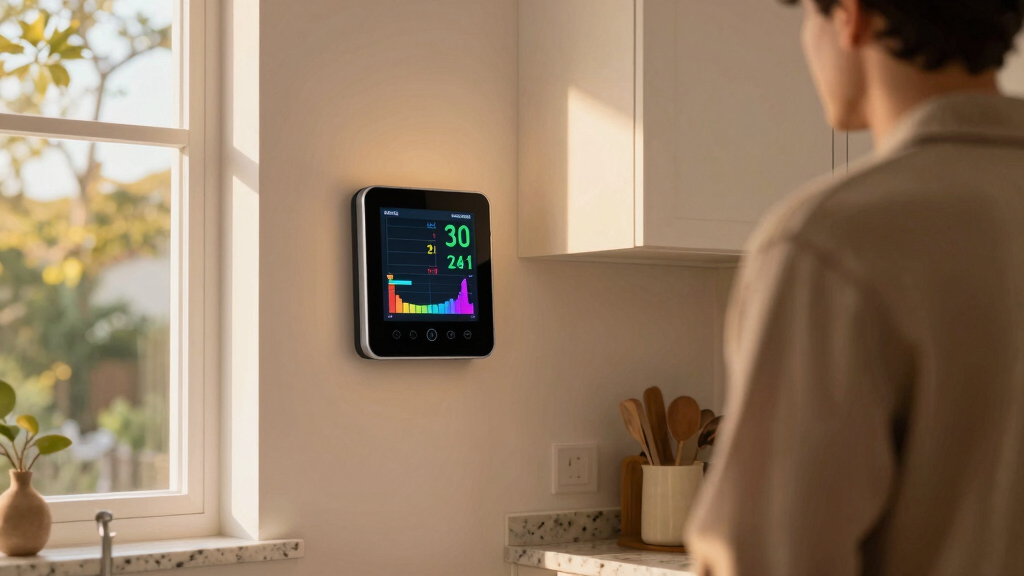

When managing energy costs with time of use rates, having an accurate and responsive home energy monitor is essential. The Emporia Vue 3 stands out as the best overall due to its comprehensive features and reliable data. For those seeking a budget-friendly yet capable option, the Meross Smart Energy Consumption Monitor offers great value with smart alerts and no subscription fees. Meanwhile, the Refoss Smart Home Energy Monitor impresses with its open API and local data storage, ideal for tech-savvy users. The main tradeoffs often involve balancing detailed data and ease of use against cost and complexity. Continue reading for a detailed breakdown of each monitor’s strengths and weaknesses.
Key Takeaways
- The top picks excel in real-time data accuracy and integration with smart home systems.
- Local data storage and open API features are key for users prioritizing privacy and customization.
- Price varies significantly, with high-end models offering advanced automation and budget options focusing on core functionality.
- Ease of setup and user interface consistency differ, making some monitors more suitable for beginners than tech enthusiasts.
- Most monitors support solar net metering and multi-circuit monitoring, but not all handle large load capacities equally.


More Details on Our Top Picks
This option stands out for its extensive circuit monitoring capability, supporting a wide range of electrical systems up to three-phase, making it ideal for rental properties and shared apartments. Compared to the Emporia Vue, it offers more customizable circuit-level tracking and supports time-of-use tariffs with its flexible rate templates, which is essential for managing shared spaces. Its ability to run offline via MQTT enhances privacy, especially for tech-savvy users integrating with Home Assistant. However, the setup can be complex for beginners, and the abundance of features may be overwhelming without technical knowledge. The device’s compatibility with various voltage systems and its detailed cost tracking make it perfect for landlords or property managers who need precise billing and energy management. Its main tradeoff is a steeper learning curve, but the detailed real-time data and flexible installation justify the effort.
Pros:- Supports multiple electrical system types, including three-phase and split-phase
- Supports LAN operation without internet, ensuring privacy and reliable local control
- Customizable tariffs for detailed cost analysis and billing
Cons:- Installation can be complex, requiring electrical knowledge and careful circuit planning
- Steeper learning curve compared to simpler plug-in monitors
Best for: Property managers and advanced DIYers who need circuit-level control and tariff customization in rental or multi-tenant homes
Not ideal for: Homeowners seeking a plug-and-play solution or users with limited electrical knowledge, due to complex setup and wiring requirements
- Supports:Single-phase up to 240VAC, three-phase up to 415Y/240VAC
- Sensors included:16 50A sensors, 2 200A sensors
- Connectivity:WiFi (2.4GHz), LAN (LAN mode)
- Data retention:90 days hourly, 5 years historical
- Installation:Supports flexible wiring, suitable for rental properties
- Tariff support:Customizable peak, off-peak, holiday rates
Bottom line: This monitor is best suited for property managers and tech-savvy users needing detailed, flexible tariff and circuit management.
Refoss Smart Home Energy Monitor, Native Open API & Web UI (No Cloud Required), Real Time Electricity Usage Monitor, Power Consumption Meter Works with Home Assistant & MQTT, Solar Net Metering, ETL
This pick makes the most sense for users prioritizing data privacy and seamless local control, thanks to its built-in web UI and open API, unlike the cloud-dependent Emporia Vue. Compared with the other models, it excels at integrating with Home Assistant through native support and supports solar surplus management, making it ideal for solar owners aiming to maximize self-consumption. Its ability to operate offline via MQTT and local data access ensures privacy and reliability even during internet outages. Nonetheless, initial setup requires some electrical and network knowledge, and the detailed circuit wiring instructions can be complex for newcomers. Its focus on solar and local control makes it the best choice for eco-conscious homeowners seeking privacy and automation, although less suitable for those wanting a simple plug-and-play device. The main tradeoff is setup complexity, but for privacy-focused users, this is a worthwhile compromise.
Pros:- Supports local data access via web UI, open API, and MQTT
- Designed for solar surplus automation, maximizing self-consumption
- No subscription or cloud dependence, ensuring privacy
Cons:- Installation and setup can be complex, requiring electrical wiring and network configuration
- Limited detailed instructions for non-technical users may increase setup time
Best for: Homeowners with solar installations and privacy-conscious users who want local, cloud-free control and integration with Home Assistant
Not ideal for: Users seeking an easy, plug-and-play device or those without technical skills to handle wiring and network setup
- Supports:2 main 200A sensors, 16 branch 1-60A sensors
- Connectivity:LAN, MQTT, Web UI
- Data retention:Up to 5 years
- Accuracy:±1%
- Installation:Clamp-on, supports various panel systems
- Solar support:Maximize self-consumption, surplus management
Bottom line: This device is best for solar owners and privacy-focused users wanting local control and automation without cloud reliance.
Emporia Vue 3 Home Energy Monitor – Smart Home Automation Module and Real Time Electricity Usage Monitor, Power Consumption Meter, Solar and Net Metering for UL Certified Safe Energy Monitoring
This model makes the most sense for safety-conscious users who want a UL-certified device with reliable performance and straightforward installation. Compared with the other models, the Emporia Vue 3 emphasizes safety and certified standards, making it ideal for users wary of electrical hazards. Its integration with the Emporia app allows real-time monitoring and detailed usage breakdowns, including solar and net metering. Its UL listing offers peace of mind, especially for households with children or in environments where safety is paramount. The installation is simpler than some advanced models, and its app interface is user-friendly. However, it offers less advanced automation and tariff flexibility than the more complex units, making it less suitable for users needing detailed tariff management or local-only operation. It’s a balanced choice for those prioritizing safety and ease of use over advanced automation features.
Pros:- UL Listed, certified for electrical safety in US and Canada
- Supports a wide range of electrical systems, including 3-phase with additional sensors
- Easy to install with user-friendly app interface
Cons:- Limited tariff flexibility compared to more advanced units
- Less detailed circuit-level automation support
Best for: Safety-conscious homeowners seeking reliable, UL-listed monitoring with straightforward app-based control
Not ideal for: Advanced users needing extensive circuit-level automation or customizable tariffs
- Supports:Single-phase, split-phase, 3-phase (with additional sensors)
- Sensors included:Supports up to 16 branch sensors
- Certification:UL Listed
- Data retention:Real-time, daily, weekly, and monthly
- Connectivity:WiFi
- Accuracy:±2%
Bottom line: This monitor is ideal for safety-focused homeowners who want reliable, certified energy monitoring with simple installation.
Emporia Vue 3 Home Energy Monitor – Smart Home Automation Module and Real Time Electricity Usage Monitor, Power Consumption Meter, Solar and Net Metering for UL Certified Safe Energy Monitoring
This pick makes the most sense for users who want comprehensive automation, real-time data, and solar optimization, especially with Home Assistant integration. Compared to the other models, it offers advanced circuit monitoring with 16 sensors, supporting complex setups and detailed energy breakdowns. Its focus on automation and solar surplus management makes it perfect for solar homeowners seeking to optimize self-consumption and reduce bills. The UL certification adds safety assurance, and the device’s ability to handle various electrical systems ensures flexibility. Its main drawback is that setup can be somewhat involved, and it requires familiarity with electrical wiring and automation platforms. This model is best for tech-savvy users who want deep customization, automation, and solar integration, though it might be overkill for basic monitoring needs.
Pros:- Supports extensive circuit monitoring (16 sensors) and complex electrical systems
- Deep integration with Home Assistant, supporting automation and surplus management
- UL certified for safety in North America
Cons:- Setup requires electrical and network expertise, possibly overwhelming for beginners
- More expensive and feature-rich, suitable mainly for experienced users
Best for: Homeowners with solar systems and automation experience seeking detailed circuit control and smart energy management
Not ideal for: Users seeking quick, simple installation without automation or advanced features
- Supports:16 branch sensors, 2 main 200A sensors
- Connectivity:Home Assistant, Open API, WiFi
- Certification:UL Listed
- Data retention:Real-time, hourly, daily, weekly, monthly
- Accuracy:±2%
Bottom line: This system is best for solar owners and automation enthusiasts who need extensive control and real-time energy insights.
Meross Smart Energy Consumption Monitor with 18 Circuit Monitoring, Electricity Usage Monitor, Real-Time Power Usage Monitor, Home Assistant Support, Smart Alerts, No Subscriptions, 2-Year Warranty
This pick makes the most sense for users wanting a straightforward, affordable, and reliable solution that supports automation via Home Assistant. Compared with the Emporia Vue models, the Meross monitor offers a more compact and user-friendly design with 18 circuit sensors, making it suitable for those who want circuit-level data without complex wiring. Its compatibility with Home Assistant and smart alerts allows for automation and early issue detection, making it ideal for homeowners seeking cost-effective automation. Its main drawbacks are that setup can be somewhat technical, requiring electrical skills, and it offers fewer tariff customization options than more advanced models. Nonetheless, its affordability, local data control, and solid performance make it a practical choice for users starting with home automation or seeking to upgrade from basic monitors.
Pros:- Supports 18 circuits, suitable for most homes
- Supports local control with Home Assistant, no cloud subscriptions
- Two-year warranty and no hidden fees
Cons:- Setup may require electrical wiring and configuration knowledge
- Less tariff flexibility compared to more advanced monitors
Best for: Homeowners or DIYers wanting a balance of affordability, circuit-level data, and Home Assistant integration
Not ideal for: Users with no electrical skills or those needing extensive tariff customization and advanced automation features
- Supports:18 circuits, 2 main 200A, 16 branch 60A sensors
- Connectivity:Home Assistant, local API
- Certification:ETL, UL 61010
- Data retention:Hourly, daily, up to 5 years
- Accuracy:Within ±2%
- Installation:Clamp-on, supports various electrical systems
Bottom line: This device is best for budget-conscious homeowners seeking reliable circuit-level monitoring with automation support.
Refoss Smart Home Energy Monitor Real-Time Electricity Usage Monitor with 16x60A Circuit Sensor, Energy Meter, Local Data Storage with Open API & Web UI, Home Assistant, Solar Metering, ETL Certified
This system stands out for households prioritizing local data control and integration into custom automation setups. Compared with the Emporia Vue 3, the Refoss Energy Monitor offers extensive local data storage, an open API, and MQTT support, making it ideal for tech-savvy users who want to avoid cloud dependency. Its ability to monitor 18 circuits with ±1% accuracy provides detailed insights into energy vampires and allows for precise T.O.U. management. However, setup can be complex for non-technical users, and the system’s reliance on external sensors requires careful installation. The external antenna enhances Wi-Fi stability, which is critical in larger homes or with unstable Wi-Fi. It supports single-phase, split-phase, and 3-phase Wye systems, ensuring versatility. The 5-year data retention and CSV exportability make long-term analysis straightforward. Yet, the device’s bulk and the need for multiple sensors may be overwhelming for small or straightforward setups.
Pros:- Supports local control via Open API, MQTT, and Web UI for privacy-conscious setups
- Monitors up to 18 circuits with professional ±1% accuracy
- Long-term data storage (5 years) with CSV export for detailed analysis
- Supports multiple electrical systems (single, split, three-phase)
Cons:- Installation involves wiring and sensor placement, which may be daunting for novices
- No built-in display or simplified user interface, requiring app or API use
- Bulkier setup with multiple sensors and external antenna
Best for: Homeowners who want detailed local control, custom automation integration, and value data privacy over plug-and-play simplicity.
Not ideal for: Less technical users or those seeking a quick, wireless plug-in solution without extensive wiring or configuration.
- Supports:Single-phase, Split-phase, and 3-phase systems
- Circuit sensors:18 circuits (16 x 60A + 2 x 200A main sensors)
- Data storage:5 years
- Connectivity:Wi-Fi, MQTT, Open API
- Certification:ETL certified
- Installation complexity:Wiring required, external sensors
Bottom line: This pick is ideal for technically inclined homeowners seeking a highly customizable, privacy-focused energy monitoring system with extensive circuit-level detail.
Upgraded Watt Power Meter Plug Home Electrical Usage Monitor Consumption, Energy Voltage Amps Kill Tester with Backlight, Overload Protection, 7 Modes Display
This device excels for users who want a straightforward plug-in power meter with multiple display modes. Unlike the Refoss system that requires wiring and circuit-level installation, the Watt Plug Meter offers instant plug-and-play convenience with a large, backlit LCD for easy reading in day or night. It monitors parameters like power (W), energy (kWh), volts, amps, and power factor, providing a comprehensive snapshot of appliance usage. Its 7 modes allow quick switching between parameters, making it suitable for quick diagnostics or routine checks. The overload warning and adjustable overload setting enhance safety. The major tradeoff is the lack of circuit-level monitoring capability; it only measures at the outlet. Its size and single outlet focus make it unsuitable for whole-home monitoring but perfect for individual appliance management. It’s less suited for those wanting detailed, circuit-specific data or automation integration.
Pros:- Plug-and-play setup, no wiring or electrical panel access needed
- Large, clear, backlit LCD with 7 display modes for quick parameter checks
- Overload protection with adjustable limit ensures safety
- Calculates energy consumption and cost estimates in real time
Cons:- Limited to outlet-level monitoring, not suitable for whole-home insights
- No circuit-level or panel integration, less suitable for detailed energy audits
- Size may block adjacent outlets or be bulky for tight spaces
Best for: Homeowners seeking an easy, portable device to monitor individual appliances or outlets without complex setup.
Not ideal for: Users who need whole-home circuit monitoring, solar integration, or detailed long-term data analysis.
- Monitoring modes:7 modes including power, energy, volts, amps, power factor
- Display:Large backlit LCD, 2.36 x 1.85 inches
- Overload warning:Displays ‘OVERLOAD’ at default 3680W, adjustable
- Memory:Records cumulative usage
- Backlight:Adjustable, up to 8 hours or always on
- Power source:AC plug-in
Bottom line: Ideal for users who want instant, easy-to-read appliance-specific energy data without technical setup or wiring.
SIEMENS Inhab Smart Home Energy Monitor with 16-50Amp Circuit Level Sensors and 2-200Amp Main Sensors for Real Time Electricity Monitoring and Metering
The SIEMENS Inhab Energy Monitor offers a comprehensive solution for homeowners wanting real-time, circuit-level insight integrated with smart home features. Unlike the Refoss or Watt plug-in options, this system installs directly into your main panel, providing detailed data at both the main and circuit levels for up to 16 circuits. It supports advanced functions such as T.O.U. management, peak demand control, and net metering, making it suitable for energy-conscious households with renewable setups or demand-response needs. Its CE and UL certification ensure safety and compliance. The setup involves panel wiring, so it’s more complex than a plug-in but offers unmatched detail and control. The system’s ability to trigger load shedding or manage EV chargers makes it ideal for integrated smart home energy management. However, its installation cost and complexity might be prohibitive for small or rental homes without panel access.
Pros:- Direct panel wiring provides real-time, circuit-level data
- Supports up to 16 circuits plus 2 main sensors
- Enables advanced features like T.O.U., peak demand, and load shedding
- Certified safety standards (UL, CE)
Cons:- Requires wiring into the electrical panel, which can be complex and costly
- Installation is not suitable for renters or DIY novices
- Higher upfront cost compared to plug-in monitors
Best for: Homeowners with existing electrical panels seeking detailed circuit data and advanced energy management features, especially those with solar or EV charging needs.
Not ideal for: Renters or those preferring a quick, plug-and-play device without electrical panel access or wiring.
- Supports:Up to 16 circuits, 2 x 200A main sensors
- Monitoring:Real-time energy use and generation
- Features:Time of Use, Peak Demand, Load Shedding
- Certification:UL, CE
- Installation:Panel wiring required
- Connectivity:Wireless (Wi-Fi)
Bottom line: Best suited for households wanting detailed, panel-level energy insights and smart control capabilities with professional installation.
Emporia Vue 3 Home Energy Monitor – Smart Home Automation Module and Real Time Electricity Usage Monitor, Power Consumption Meter, Solar and Net Metering for UL Certified Safe Energy Monitoring
The Emporia Vue 3 offers a flexible, whole-home energy monitoring solution compatible with solar, net metering, and home automation platforms like Home Assistant. Unlike the SIEMENS Inhab, which requires panel wiring, the Vue 3 installs with clamp sensors on existing circuits, making it more accessible for DIY homeowners. Its ability to monitor multiple circuits and integrate with smart home systems makes it a strong choice for energy-conscious households seeking automation and detailed data. Its extensive circuit support and compatibility with solar systems enable effective T.O.U. and demand management. The key tradeoff is that it relies on clamp sensors, which may be less precise than direct panel measurements and may require careful installation around existing wiring. The Vue 3’s cloud-based data access is convenient, but some users may prefer local control options like the Refoss system. It’s especially good for those wanting a balance of detail, automation, and ease of installation.
Pros:- Supports multiple circuits with clamp sensors for easy installation
- Integrates with smart home platforms like Home Assistant
- Compatible with solar and net metering systems
- UL certified for safety
Cons:- Clamp sensors may be less precise than panel-level monitors
- Requires connection to Wi-Fi and cloud access for full functionality
- Some users may find setup around existing wiring tricky
Best for: Homeowners seeking comprehensive, whole-house energy management with automation integration and solar support without panel wiring.
Not ideal for: Those preferring local data control or with very limited DIY skills for sensor installation.
- Circuit support:Multiple circuits with clamp sensors
- Compatibility:Solar, net metering, home automation
- Certification:UL
- Installation:Clamp sensors around existing wiring
- Connectivity:Wi-Fi, cloud-based
- Data access:Real-time, historical via app
Bottom line: This model is best for users who want flexible, whole-home energy monitoring with automation and solar integration, with less hassle than direct panel wiring.
How We Picked
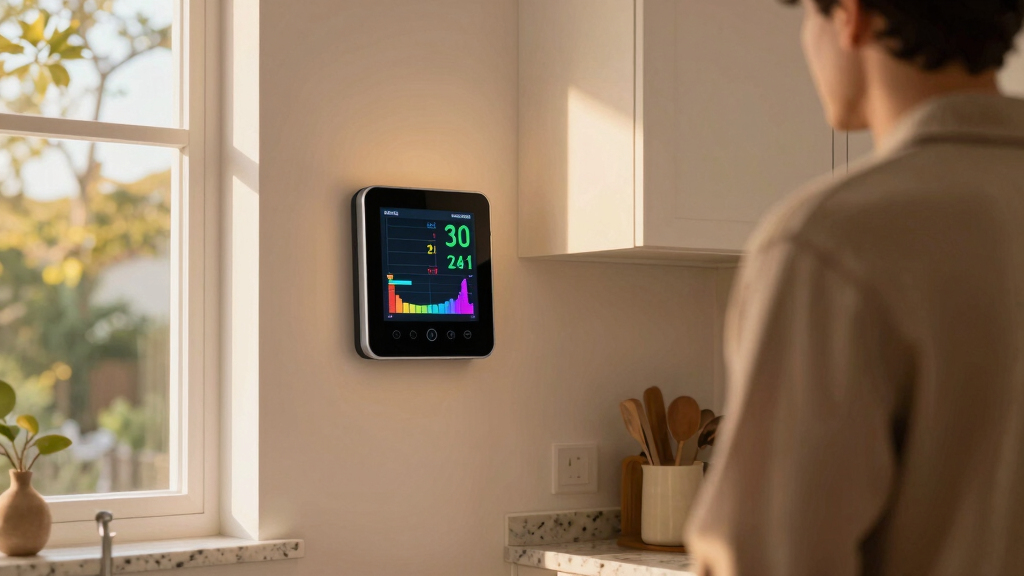
Products were selected based on their ability to provide reliable, real-time energy data optimized for time of use rates. Priority was given to compatibility with smart home ecosystems, data accuracy, and ease of installation. We also considered features like local data storage, API openness, and support for solar monitoring, since these enhance customization and privacy. Cost and user interface clarity played roles in ranking, ensuring options for both tech-savvy users and beginners. Ultimately, the best monitors balance comprehensive features with straightforward usability to suit different needs.Factors to Consider When Choosing Best Home Energy Monitors For Time Of Use Rates
Choosing the right home energy monitor for time of use rates means considering several factors beyond just price. The ideal device should accurately track detailed energy consumption patterns, support your existing smart home setup, and provide clear, actionable insights. Understanding these key considerations helps avoid common pitfalls like underestimating installation complexity or overspending on features you won’t use.Accuracy and Data Granularity
Accurate real-time data is fundamental for managing time of use rates effectively. Look for monitors that provide detailed, circuit-level insights rather than just overall consumption. High accuracy enables better cost predictions and more targeted energy-saving actions. If you rely on solar or have complex home wiring, ensure the monitor can handle multi-circuit data for comprehensive monitoring.
Compatibility and Integration
Consider whether the monitor integrates smoothly with your existing smart home devices or automation systems. Devices that support popular platforms like Home Assistant, MQTT, or Google Home expand your capacity to automate responses based on energy pricing signals. Compatibility reduces setup headaches and increases the potential for automation tailored to time of use rates.
Local Data Storage and API Access
For privacy-conscious users or those wanting to customize data analysis, local storage options and open APIs are critical. Devices that store data locally or provide open API access let you analyze energy patterns without cloud dependencies. This approach can also improve response times and reduce reliance on external servers.
Ease of Installation and Use
Installation complexity varies widely, from simple plug-in monitors to multi-circuit, hardwired systems. Consider your comfort level and whether professional help is needed. User-friendly interfaces, clear instructions, and mobile apps with intuitive dashboards make ongoing monitoring straightforward, especially for beginners.
Cost and Long-Term Value
Price ranges from budget options to premium models packed with advanced features. Balance your budget against your specific needs—such as detailed automation or extensive circuit monitoring. Remember that investing in a slightly more expensive, feature-rich monitor can pay off through better insights and energy savings over time.
Frequently Asked Questions
Can a home energy monitor help reduce my electricity bill with time of use rates?
Yes, a well-chosen energy monitor provides detailed insights into when and how much electricity your home consumes, enabling you to shift usage to off-peak times. By identifying high-usage appliances and understanding your patterns, you can schedule major energy draws during cheaper periods. Over time, this can lead to significant savings, especially when paired with automated controls or smart scheduling.
Do I need professional installation for a home energy monitor?
Installation requirements vary based on the monitor’s complexity. Simple plug-in or single-circuit monitors are usually easy to set up without professional help. However, multi-circuit or hardwired systems, like those with circuit sensors, often benefit from professional installation to ensure safety and correct wiring. Assess your comfort level and technical skills before choosing a model that might require expert help.
How important is API access and local data storage for my energy monitor?
API access and local data storage are vital for users who want full control over their energy data, especially for privacy or advanced customization. They allow you to integrate the monitor with third-party systems, perform detailed analysis, and avoid reliance on cloud services that may have privacy concerns or latency issues. If you’re technically inclined, prioritizing these features enhances your ability to tailor energy management strategies.
Are these monitors suitable for solar energy systems?
Many of the monitors in this list support solar net metering, allowing you to track energy generated and consumed in real time. This feature is particularly useful for optimizing solar panel output and maximizing savings during peak rate periods. Be sure to check each model’s specifications to confirm compatibility with your solar setup, especially if you have a complex or large-scale system.
What’s the best way to choose a monitor if I’m new to home automation?
If you’re just starting out, look for a monitor with a simple setup process, clear app interface, and compatibility with popular smart home platforms. Devices that support Wi-Fi and offer straightforward integration make automation easier without requiring deep technical knowledge. Investing in a model with good user support and extensive documentation will also smooth your initial experience and help you get the most value from your device.
Conclusion
For most homeowners, the Emporia Vue 3 strikes a balance of detailed data, ease of use, and smart home compatibility, making it the best overall choice. Budget-conscious users or those new to energy monitoring should consider the Meross Smart Energy Consumption Monitor for reliable features at a lower cost. If you want advanced customization and local control, the Refoss Smart Home Energy Monitor offers excellent open API support. For those with solar systems, ensure the monitor supports your specific setup. Ultimately, your choice should align with your technical comfort level, budget, and specific energy management goals.