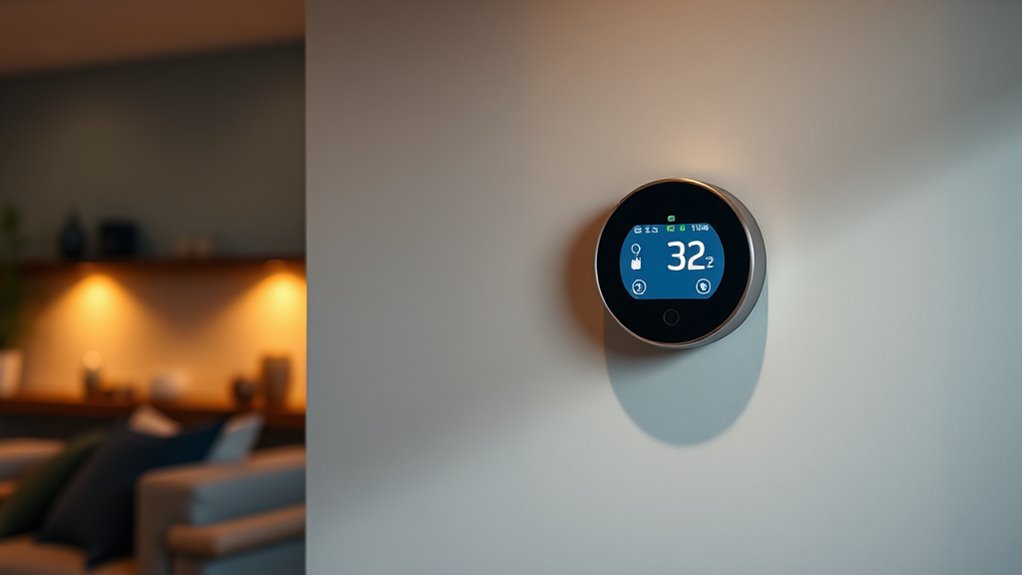

When searching for a smart thermostat that also offers water leak detection, your choices narrow down to models that blend climate control with safety alerts. Currently, the market features a few standout options, each with unique strengths. The Rheem EcoNet Gen 3 shines with its simple touchscreen and built-in WiFi, making it a good pick for Rheem system owners who want straightforward control. The Honeywell X7S offers advanced occupancy sensing and energy savings features, ideal for tech-savvy users seeking customization. Meanwhile, the Honeywell T6 Pro Series supports Z-Wave for extensive smart home integration, suited for those who want a versatile, wired solution. Each has tradeoffs: the Rheem is basic but lacks detailed compatibility info; the Honeywell X7S needs a C-wire and excludes electric baseboard support; and the T6 requires wired power and batteries, limiting portability.

Get home appliances delivered free with Prime
- Fast, free delivery on millions of items
- Prime Video, Amazon Music and more included
- Member-only deals all year
Complete the kit


Key Takeaways
- The Rheem EcoNet Gen 3 is best for Rheem system owners seeking simple, WiFi-enabled control.
- Honeywell X7S offers extensive customization and occupancy detection, suitable for energy-conscious users.
- Honeywell T6 Pro provides Z-Wave connectivity, ideal for those integrating with a larger smart home ecosystem.
- Compatibility and power requirements vary, so consider your home’s existing wiring and system type.
- Water leak detection features are often integrated with alert systems but may differ in how they notify users.
| Rheem EcoNet Gen 3 Smart Thermostat, 4.3″ LCD Touch Screen, Built-In WiFi |  | Best Overall for Rheem System Owners | Brand: Rheem | Product Number: RETST700SYS | Display: 4.3″ LCD Touch Screen | VIEW ON AMAZON | See Our Full Breakdown |
| Honeywell Home X7S Smart Programmable Wi-Fi Thermostat with Humidity Monitoring |  | Best for Customization and Energy Efficiency | Display: 4.3-inch touchscreen | Connectivity: Wi-Fi 2.4/5.0 GHz, 802.11ax/ac | Compatibility: Up to 3 heat/2 cool systems | VIEW ON AMAZON | See Our Full Breakdown |
| Honeywell T6 Pro Series Z-Wave Thermostat |  | Best for Z-Wave and Smart Home Enthusiasts | Controller Type: touch | Additional Features: Remote Access, Auto-Scheduling, Zoned Heating/Cooling, Humidity Monitoring | Specific Uses: Air Conditioner Temperature Control | VIEW ON AMAZON | See Our Full Breakdown |
| smart thermostat with water leak detection integration | Display | Connectivity |
|---|---|---|
| Rheem EcoNet Gen 3 Smart Therm | 4.3" LCD Touch Screen | Built-In WiFi |
| Honeywell Home X7S Smart Progr | 4.3-inch touchscreen | Wi-Fi 2.4/5.0 GHz, 802.11ax/ac |
| Honeywell T6 Pro Series Z-Wave | — | — |
More Details on Our Top Picks
Rheem EcoNet Gen 3 Smart Thermostat, 4.3″ LCD Touch Screen, Built-In WiFi
The Rheem EcoNet Gen 3 stands out for its simplicity and seamless integration with Rheem HVAC systems. Its 4.3-inch LCD touchscreen offers intuitive control, and the built-in WiFi allows remote adjustments. Compared to more sophisticated models, it’s less customizable but is straightforward for Rheem users who want basic smart features combined with water leak alerts. However, it doesn’t clarify compatibility with other brands or detailed leak detection features, which could be limiting for some users.
Pros:- Easy-to-use touchscreen interface
- Built-in WiFi for remote control
- Compatible with Rheem systems
Cons:- Limited details on features and compatibility
- No comprehensive water leak detection info
- Lacks advanced smart home integrations
Best for: Rheem system owners seeking basic smart control with leak detection alerts
Not ideal for: Homeowners needing extensive customization or non-Rheem systems
- Brand:Rheem
- Product Number:RETST700SYS
- Display:4.3″ LCD Touch Screen
- Connectivity:Built-In WiFi
- Items Included:1
Our verdict“A solid choice for Rheem homeowners wanting straightforward, WiFi-enabled thermostat control with basic leak alerts.”
Honeywell Home X7S Smart Programmable Wi-Fi Thermostat with Humidity Monitoring
The Honeywell X7S offers a compelling balance of smart features and water leak detection support, making it suitable for users who value detailed control. Its 4.3-inch touchscreen is customizable in style and color, and it supports advanced occupancy detection, which can help improve energy savings. It’s compatible with Alexa, Google Assistant, and Apple Home—an advantage for those with existing smart ecosystems. The need for a C-wire or voucher can complicate installation, and it doesn’t support electric baseboard heating, which might limit its use in some homes.
Pros:- Customizable display with color options
- Advanced occupancy detection
- Supports remote control via app
- ENERGY STAR certified
Cons:- Requires C-wire or voucher for installation
- Does not support electric baseboard heat
- Higher complexity for setup
Best for: Tech-savvy homeowners prioritizing energy efficiency and customization
Not ideal for: Users with incompatible wiring or electric baseboard heating needs
- Display:4.3-inch touchscreen
- Connectivity:Wi-Fi 2.4/5.0 GHz, 802.11ax/ac
- Compatibility:Up to 3 heat/2 cool systems
- Humidity Monitoring:Yes
- Energy Certification:ENERGY STAR
- C-wire Required:Yes (voucher included if needed)
Our verdict“Ideal for homeowners seeking personalized control, occupancy sensing, and energy savings, with a caveat about wiring requirements.”
Honeywell T6 Pro Series Z-Wave Thermostat
The Honeywell T6 Pro Series offers Z-Wave connectivity, making it a top choice for those looking to embed their thermostat into a broader smart home network. Its touch control and LCD display make everyday operation straightforward, and it includes auto-scheduling and humidity monitoring. While it requires both AC power and batteries, this may limit portability and complicate installation. Its wired setup is less appealing for renters or those seeking a wireless, plug-and-play device, but it excels for integrated, wired smart homes.
Pros:- Supports Z-Wave for broad smart home integration
- Touch control and LCD display
- Auto-scheduling and humidity monitoring
Cons:- Requires AC power and batteries
- Limited portability due to wired mounting
- Condition noted as used – good condition
Best for: Smart home users wanting Z-Wave compatibility and wired installation
Not ideal for: Renters or users preferring wireless, portable thermostats
- Controller Type:touch
- Additional Features:Remote Access, Auto-Scheduling, Zoned Heating/Cooling, Humidity Monitoring
- Specific Uses:Air Conditioner Temperature Control
- Connectivity Protocol:Z-Wave
- Power Source:AC adapter
- Voltage:24 volts
Our verdict“Best suited for integrated smart homes with existing Z-Wave infrastructure and wired power, less ideal for renters or portable needs.”

How We Picked
My selection process focused on models explicitly designed to combine smart thermostat functions with water leak detection integration. I prioritized devices with reliable connectivity options, user-friendly interfaces, and compatibility with popular smart home ecosystems. Consideration was given to power sources—whether they require C-wires or batteries—and how each device balances ease of installation with functionality. I also looked at the clarity of water leak alerts, integration versatility, and overall value, aiming to highlight options suitable for different user needs and home setups.
| smart thermostat with water leak detection integration | Connectivity |
|---|---|
| Rheem EcoNet Gen 3 Smart Therm | Built-In WiFi |
| Honeywell Home X7S Smart Progr | Wi-Fi 2.4/5.0 GHz, 802.11ax/ac |
| Honeywell T6 Pro Series Z-Wave | — |
Factors to Consider When Choosing Smart Thermostat With Water Leak Detection Integration
Choosing the right smart thermostat with water leak detection depends on your existing home system, wiring, and smart home goals. Consider whether you prefer a basic, easy-to-install model or a more integrated, customizable device that supports extensive automation. Compatibility with your current HVAC setup and smart home ecosystem is vital, as well as understanding how water leak alerts are delivered—via app notifications, alarms, or integrated systems. Power source requirements and installation complexity also influence your choice, especially if you rent or plan a DIY setup.Compatibility and Connectivity
Ensure the device supports your HVAC system and your preferred smart home platform—be it Alexa, Google, Z-Wave, or Wi-Fi. Compatibility determines how smoothly your thermostat integrates with other devices and how reliably it can deliver leak alerts.
Power and Installation
Decide if your home has a C-wire or if you’re comfortable with battery-powered models. Wired thermostats tend to be more reliable but require wiring, while wireless options offer easier installation but may need batteries or power adapters.
Features and Customization
Look for features that matter most—such as occupancy detection, humidity monitoring, or remote control. These enhance comfort and energy savings but may add complexity or cost.
Water Leak Detection and Alerts
Check how each device handles leak detection notifications—whether through app alerts, audible alarms, or integration with leak sensors. The effectiveness of leak alerts depends on your home’s setup and your preferred notification method.
Frequently Asked Questions
Can these thermostats detect water leaks?
While these thermostats are designed with water leak detection integration in mind, the actual detection often relies on compatible sensors linked to the system. Many models support water leak alerts through third-party sensors or built-in features, providing notifications via apps or alarms to prevent costly water damage.
Do I need a special wiring setup to install these thermostats?
Most smart thermostats require a C-wire for constant power, especially those with advanced features like occupancy detection or Z-Wave support. If your home lacks a C-wire, you may need a wiring adapter or choose a model that runs on batteries, such as the Rheem EcoNet or Honeywell X7S, but be aware of potential limitations in power and reliability.
Are these thermostats compatible with all HVAC systems?
Compatibility varies: the Rheem EcoNet is specifically designed for Rheem systems, while the Honeywell X7S supports most multi-stage systems but excludes electric baseboard heating. The Honeywell T6 Pro is more versatile with wired HVAC setups supporting Z-Wave integration. Always verify compatibility with your system before purchase.
How do water leak alerts work on these devices?
Leak alerts are typically delivered through connected sensors that notify you via smartphone apps, alarms, or integrated home systems. The effectiveness depends on the sensors used and the device’s ability to communicate with them, so pairing with compatible leak sensors enhances safety.
Is installation complicated for these models?
Installation ranges from straightforward for the Rheem EcoNet and Honeywell X7S, especially if wiring is already in place. The Honeywell T6 Pro, being wired and requiring batteries, might need more setup time and wiring expertise. If you’re renting or prefer a DIY approach, check the wiring requirements carefully before buying.
Conclusion
If you’re an owner of a Rheem system or prefer simplicity, the Rheem EcoNet Gen 3 provides reliable control with basic leak detection alerts. Tech enthusiasts seeking customization and energy efficiency will find the Honeywell X7S appealing, provided your wiring setup supports it. For those with a full smart home ecosystem based on Z-Wave, the Honeywell T6 Pro offers deep integration but at the cost of more complex installation. Your choice should hinge on your existing system compatibility, wiring, and how much you value advanced features versus ease of setup.
Fall Picks
fall essentials
As an affiliate, we earn on qualifying purchases.