
TL;DR
Smart bulbs consume more energy in standby mode than traditional LEDs, but the additional cost is minimal. Their advanced features may offset energy costs, making them cost-effective overall.
Smart bulbs do use more energy than standard LED bulbs when in standby mode, but the difference is minimal. This increased power draw may slightly raise energy bills, though the overall impact remains small, according to recent studies and manufacturer data.
Multiple sources, including a 2019 study published in ScienceDirect, confirm that smart bulbs consume a small amount of power when not actively illuminating. Typically, this standby power ranges from 0.2 to 0.5 watts, depending on the model and manufacturer, such as TP-Link Tapo and Philips Hue. This additional consumption can increase annual energy costs by approximately $0.35 to $1.30 per bulb, a figure that many consumers may find negligible.
While smart bulbs cost more upfront—generally between $8 and $15 per bulb compared to traditional LEDs priced from $1.50 to $4—their features like scheduling, dimming, and remote control can lead to energy savings over time. Learn more about smart lighting options in our comprehensive buyer’s guide. These functionalities allow users to reduce usage, potentially offsetting the small increase in standby power consumption.
In terms of lifespan, smart bulbs typically last 15 to 25 years, slightly less than traditional LEDs, which can last up to 40 years. For more insights on smart lighting longevity, see our detailed buyer’s guide. Nonetheless, their added control options may promote more economical usage, possibly extending their effective lifespan in practical use.
Why Small Energy Differences Matter in Smart Home Costs
The slight increase in standby power consumption for smart bulbs is unlikely to significantly impact overall energy bills for most households. However, as smart home devices become more prevalent, understanding their cumulative energy use is important. The convenience and energy-saving features of smart bulbs may outweigh the minimal additional costs, making them a practical choice for many consumers seeking automation and control in their lighting.

Linkind Smart Light Bulbs, Work with Alexa, Google Home, AiDot
- Voice Control Compatibility: Works with Alexa and Google Home
- No Hub Required: Easy setup via AiDot App
- Dual WiFi & Bluetooth: Uninterrupted, fast control
As an affiliate, we earn on qualifying purchases.
As an affiliate, we earn on qualifying purchases.
Background on Smart Bulb Energy Use and Cost Factors
Smart bulbs gained popularity in recent years due to their ease of use, automation capabilities, and integration with smart home systems. While they offer features like scheduling, dimming, and remote control, their internal technology requires constant connectivity, resulting in standby power draw. Prior studies, including a 2019 analysis, have shown that this standby power is generally under 0.5 watts, meeting Energy Star standards, but still representing a small increase over traditional LEDs, which draw no power when off.
Manufacturers like Philips Hue and TP-Link Tapo confirm their devices consume minimal standby power, and the overall impact on energy bills remains low. The primary cost consideration remains the higher initial purchase price of smart bulbs compared to standard LEDs.
“Smart bulbs consume a small amount of power in standby mode, typically less than 0.5 watts, which can add a few dollars to annual energy costs.”
— an anonymous researcher

Philips Hue Essential Smart LED A19 Bulb, 4-Pack
- Easy Smart Lighting Setup: Screw in, download app, control remotely
- Color Customization: Millions of colors and preset scenes
- Dimmable Brightness: Smooth dimming from 100% to 2%
As an affiliate, we earn on qualifying purchases.
As an affiliate, we earn on qualifying purchases.
Remaining Questions About Long-Term Energy and Cost Savings
It is not yet clear how the cumulative energy use of large quantities of smart home devices impacts overall household energy consumption over many years. Variations in standby power among different brands and models also introduce some uncertainty about the average additional costs. Additionally, future technological improvements could reduce standby power further, but current data is limited to existing models.

Lightinginside Smart Light Bulbs Work with Alexa/Google Home/SmartLife 6PCS
- Voice Control Compatibility: Works with Alexa and Google Assistant
- Fast Setup: Up to 3 times faster with dual-channel chip
- Flexible Connectivity: Connects via BLE or Wi-Fi for local and remote control
As an affiliate, we earn on qualifying purchases.
As an affiliate, we earn on qualifying purchases.
Future Developments in Smart Bulb Energy Efficiency and Pricing
Manufacturers may continue to reduce standby power in upcoming smart bulb models, further minimizing energy costs. Consumers can expect more competitive pricing and enhanced energy-saving features. Ongoing research and market trends will clarify the long-term economic and environmental impacts of widespread smart bulb adoption.
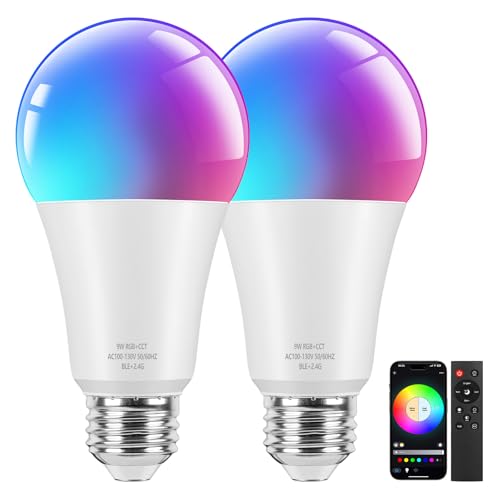
Brightever Smart A19 LED Light Bulbs, 60W Equivalent 800LM Color Changing E26 9W Bluetooth Light Bulbs with Remote Control, 16 Million DIY Colors RGBWW, Music Sync, 2-Pack
- Stable Bluetooth Connection: Reliable Bluetooth control for easy operation
- Includes Remote Control: Convenient remote for quick adjustments
- 16 Million Color Options: Customize lighting with 16 million colors
As an affiliate, we earn on qualifying purchases.
As an affiliate, we earn on qualifying purchases.
Key Questions
Do smart bulbs cost more to operate than regular LEDs?
Yes, smart bulbs consume slightly more energy in standby mode—typically less than 0.5 watts—leading to a small increase in energy costs, generally under a few dollars per year per bulb.
Can the features of smart bulbs save me money on energy bills?
Yes, features like scheduling, dimming, and remote control can reduce overall energy use, potentially offsetting the small additional standby power consumption.
Are smart bulbs more expensive to buy than traditional LEDs?
Yes, smart bulbs usually cost between $8 and $15 each, compared to $1.50 to $4 for standard LEDs. However, combo packs can help reduce the upfront cost.
How long do smart bulbs last compared to regular LEDs?
Smart bulbs typically last 15 to 25 years, slightly less than traditional LEDs, which can last up to 40 years, due to additional internal components.
Source: Engadget