
If you have asthma or allergies, a smart thermostat can help you breathe easier by controlling temperature and humidity to reduce mold, dust mites, and airborne allergens. Many models include sensors for pollutants and integrate with air purifiers or ventilation systems, automatically improving air quality. Remote control and scheduling let you maintain a healthier environment effortlessly. To discover how these features can make your home safer, keep exploring the options available for your needs.
Key Takeaways
- Smart thermostats monitor and adjust humidity levels to reduce mold and dust mites, alleviating allergy and asthma triggers.
- Integration with air quality sensors detects pollutants and activates filtration systems for cleaner indoor air.
- Remote access and scheduling enable proactive climate control to maintain allergen-minimized environments.
- Automated regulation of temperature and humidity helps prevent conditions that worsen asthma and allergy symptoms.
- Compatibility with home automation allows comprehensive management of indoor air quality and allergen reduction.

If you have asthma or allergies, maintaining a healthy indoor environment is vital. Your home’s air quality directly impacts your symptoms and overall well-being. A smart thermostat can play a vital role in improving indoor air quality and allergen control, helping you breathe easier and reducing triggers that worsen your condition. Unlike traditional thermostats, smart devices allow you to monitor and adjust your home’s climate more precisely, creating an environment tailored to your health needs.
One of the key benefits of smart thermostats is their ability to help regulate temperature and humidity levels. High humidity can encourage mold growth and dust mite proliferation, both of which are common allergens. By maintaining ideal humidity levels—typically between 30% and 50%—you can greatly reduce these indoor allergens. Many smart thermostats can be integrated with humidifiers or dehumidifiers, enabling you to automate adjustments based on real-time readings. This proactive control helps prevent conditions that worsen asthma or allergy symptoms, making sure your indoor air remains clean and comfortable.
Another advantage is the enhanced allergen control that smart thermostats offer through advanced scheduling and remote access. You can program your thermostat to adjust temperatures during different times of the day, ensuring your home remains at perfect conditions without constant manual input. If you’re away, you can use a smartphone app to check and modify settings instantly, so your return home is to a safe, allergen-reduced environment. Some smart thermostats also come with air quality sensors that detect airborne pollutants, VOCs, and particulate matter. When these levels rise, the thermostat can trigger your HVAC system to increase filtration or ventilation, actively improving indoor air quality.
Furthermore, many smart thermostats can be integrated with air purifiers and ventilation systems for complete allergen control. This interconnected system continuously works to reduce dust, pollen, pet dander, and other common triggers. Automated alerts notify you if indoor air quality worsens, prompting you to take necessary action. This real-time feedback empowers you to maintain a healthier living space without constant manual monitoring.
In addition, choosing a smart thermostat that is compatible with home automation systems can further enhance your ability to control indoor environments and create a comprehensive allergen-reducing setup. Incorporating a smart thermostat into your home isn’t just about comfort; it’s a proactive step towards managing your asthma or allergies more effectively. By optimizing indoor temperature, humidity, and air quality, you create an environment that minimizes allergen exposure and supports your respiratory health. With the convenience of remote control and intelligent automation, you can ensure your home remains a safe haven, allowing you to breathe easier and live more comfortably.

ecobee Smart Thermostat Premium with Smart Sensor and Air Quality Monitor – Programmable Wifi Thermostat – Works with Siri, Alexa, Google Assistant, Black
Save up to 26% per year on heating and cooling costs. ENERGY STAR certified. Included SmartSensor (50 dollar…
As an affiliate, we earn on qualifying purchases.
As an affiliate, we earn on qualifying purchases.
Frequently Asked Questions
Can Smart Thermostats Detect Indoor Air Quality Changes Automatically?
Yes, smart thermostats with air quality sensors can detect indoor air quality changes automatically. When they sense poor air quality, they adjust your home’s temperature or ventilation settings to improve air conditions. This feature helps maintain a healthier environment, especially for allergy or asthma sufferers. You don’t have to manually intervene; the thermostat takes care of automatic adjustments, ensuring your air stays cleaner and more comfortable throughout the day.
Do Smart Thermostats Require Professional Installation for Allergy-Sensitive Environments?
No, smart thermostats don’t always require professional installation, but in allergy-sensitive environments, it’s highly recommended. Professional installation guarantees proper setup, ideal performance, and that all sensors work correctly to maintain perfect air quality. If you have specific needs for allergy-sensitive environments, hiring a professional helps prevent issues like poor air circulation or inaccurate readings, giving you peace of mind that your system is properly configured to support your health.
How Do Smart Thermostats Integrate With Existing Home Air Purification Systems?
Think of your smart thermostat as a conductor guiding your home’s air symphony. It seamlessly integrates with your air purification system by syncing with air filter compatibility features, ensuring cleaner air. Plus, it helps maintain ideal humidity control, preventing mold and dust mites. You can set it to work automatically, creating a harmonious environment that keeps allergens at bay and your breathing effortless.
Are There Specific Smart Thermostat Features That Help Reduce Pollen and Dust Exposure?
Yes, smart thermostats with air filtration and ventilation control features help reduce pollen and dust exposure. They automatically adjust airflow and filter settings based on indoor air quality data, ensuring cleaner air. You can set them to increase ventilation during high pollen seasons or when dust levels rise. This proactive approach minimizes allergens, creating a healthier environment for you and making allergy or asthma management more effective.
What Maintenance Is Needed to Ensure Smart Thermostats Effectively Support Allergy Management?
You need to stay on top of filter replacement and software updates to keep your smart thermostat working its best. Regularly change filters to reduce dust and pollen circulation, and keep the software current to guarantee all allergy management features function properly. Think of it as giving your device a tune-up—this way, it can help you breathe easier and maintain a healthier home environment.

ecobee Smart Thermostat Essential – Energy Star Certified programmable Wi-Fi Thermostat – Works with Siri, Alexa, and Google Assistant
Save up to 23% every year on heating and cooling costs, adjusts to your set schedule to save…
As an affiliate, we earn on qualifying purchases.
As an affiliate, we earn on qualifying purchases.
Conclusion
By choosing a smart thermostat, you’re like a gardener tending to your indoor environment, creating a haven free from allergens and irritants. These devices help you maintain ideal temperatures and humidity levels, reducing asthma and allergy triggers. With just a tap or voice command, you can breathe easier and enjoy a healthier home. Embrace smart technology as your ally—making your space as comfortable and safe as a peaceful oasis on a hot day.
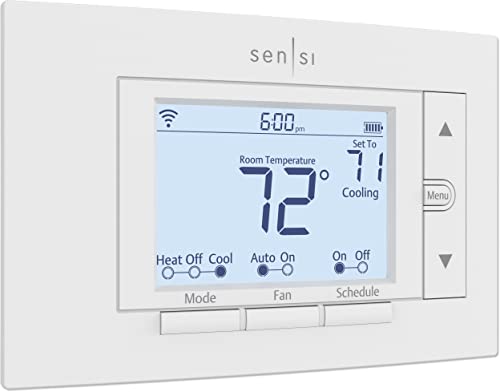
Emerson Sensi Wi-Fi Smart Thermostat for Smart Home, DIY, Works With Alexa, Energy Star Certified, ST55
PRIVACY PROTECTION*: Sensi won’t sell your personal information to third parties
As an affiliate, we earn on qualifying purchases.
As an affiliate, we earn on qualifying purchases.
Emerson Sensi Wi-Fi Smart Thermostat for Smart Home, DIY, Works With Alexa, Energy Star Certified, ST55
PRIVACY PROTECTION*: Sensi won’t sell your personal information to third parties
As an affiliate, we earn on qualifying purchases.
As an affiliate, we earn on qualifying purchases.