For open floor plans, the best allergy-season upgrade combines strategic placement of HEPA air purifiers and allergen-proof curtains. Place purifiers centrally and near allergen sources, while keeping curtains tightly woven and installed on large windows or doorways to block pollen and dust mites. Keep windows closed during peak seasons and regularly maintain your filters and curtains for maximum effect. If you want to discover more ways to create a healthier indoor space, keep exploring how these upgrades work together.
Key Takeaways
- Combine strategic placement of HEPA air purifiers with allergen-proof curtains for comprehensive allergen reduction.
- Install purifiers centrally and elevate them for optimal airflow and filtration across open spaces.
- Use tightly woven curtains on large windows and keep them closed during peak pollen seasons.
- Maintain proper ventilation and monitor indoor humidity to prevent mold and dust mite growth.
- Regularly clean filters, curtains, and ventilation systems to sustain maximum allergy relief.

As allergy season ramps up, open floor plans can become allergy hotspots, making it harder to breathe comfortably indoors. Without walls to contain airborne allergens, dust, pollen, and pet dander spread easily, filling your space with irritants. The key to alleviating this issue lies in smart allergy-proof upgrades, especially focusing on air purifier placement and allergen-proof curtains.
First, consider where you place your air purifiers. Since open layouts have multiple zones, you want to position purifiers strategically to maximize airflow and filtration. Place them near common allergen sources like pet areas or entry points where pollen might enter. Elevate the purifier off the ground slightly, as many airborne allergens tend to settle lower, but keep it in a central location to guarantee even air circulation. Avoid placing purifiers behind furniture or in corners, which can restrict airflow and reduce effectiveness. A well-placed air purifier can markedly cut down airborne allergens, making breathing easier and reducing allergy symptoms. Additionally, choosing models with HEPA filters ensures the removal of even tiny particles like pollen and pet dander.
Place air purifiers centrally, elevating slightly, near allergen sources for optimal airflow and allergy relief.
Next, invest in allergen-proof curtains for your windows and doorways. Unlike traditional curtains, these are specially designed to block pollen, dust mites, and other allergens from penetrating through fabric. Installing allergen-proof curtains helps create a barrier, especially during peak pollen times. Use them on large windows, sliding doors, and even open archways to keep allergens out of the living space. When closed, these curtains trap allergens outside, decreasing their concentration inside. They’re a simple yet effective upgrade that complements air purifiers, especially in an open floor plan where airflow is constant. Additionally, choosing fabrics that are tightly woven can further improve allergen blocking efficiency.
Additionally, ensuring proper ventilation can help reduce indoor allergen levels by exchanging stale indoor air with fresh outdoor air when pollen counts are low. Proper ventilation systems can also help control indoor humidity levels, which is beneficial because high humidity can promote mold and dust mites, further aggravating allergies. Maintaining good air exchange is vital for removing accumulated allergens and preventing the buildup of irritants. Regularly checking and maintaining your ventilation system can also prevent the growth of mold, which is a common allergen. Combining strategic air purifier placement with allergen-proof curtains offers a thorough approach. While purifiers clean the air continuously, curtains physically block allergens from entering or settling inside. Regular maintenance, such as cleaning filters and washing curtains, is essential to maintain their effectiveness. Keep windows closed during high pollen days, and rely on these upgrades to maintain cleaner air indoors. Regularly cleaning and replacing filters in your air purifier is also vital to keep it functioning at peak performance. Similarly, wash allergen-proof curtains frequently to remove any trapped irritants.
In an open floor plan, these upgrades work synergistically to reduce allergen levels. They help create a healthier space where you can breathe easier, sleep better, and enjoy your home without allergy symptoms overwhelming you. With a little planning and the right placement, your open space can become a refuge from seasonal allergens, rather than a source of misery. Paying attention to indoor air quality is crucial for maintaining a comfortable and allergy-free environment.
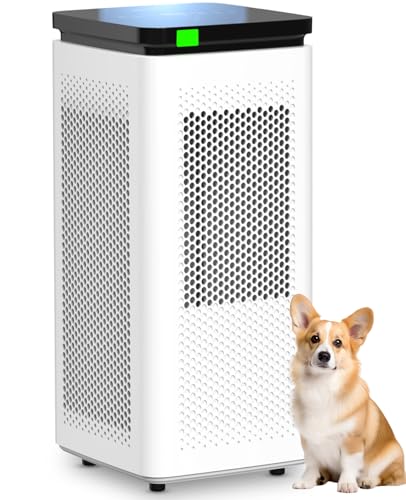
Air Purifiers for Home Large Rooms up to 3500 Ft², H13 True HEPA 0.1 Micron 99.97% Filtration with Carbon Filter, 235 CFM CADR, for Pollen, Pet Odor, Smoke, VOCs, 30dB Sleep Mode, PM2.5 Display
H13 True HEPA + Carbon Filter – Removes Odors & Smoke: Equipped with H13 True HEPA (0.1μm, 99.97%)…
As an affiliate, we earn on qualifying purchases.
As an affiliate, we earn on qualifying purchases.
Frequently Asked Questions
How Often Should Air Filters Be Replaced in Open Floor Plans?
You should replace your air filters every 30 to 60 days, depending on the air filter lifespan and your open floor plan‘s needs. In open spaces, dust, pet dander, and allergens circulate more freely, so more frequent replacements may be necessary. Pay attention to visible dirt or reduced airflow, and consider replacing filters sooner if allergies worsen or if you have pets, to maintain ideal air quality.
Can Plants Help Reduce Allergens in Open-Concept Spaces?
Think of indoor greenery as natural air filtration, much like a sponge soaking up moisture. Plants like snake plants and pothos can help reduce allergens in open-concept spaces by trapping dust and pollen. Studies show that certain indoor plants can improve air quality by removing volatile organic compounds. Including these plants not only adds beauty but also creates a healthier environment, making allergy season more bearable for you.
What Are the Best Air Purifiers for Large Open Areas?
You should choose air purifiers with advanced air purifier technology and allergen filtration specifically designed for large open areas. Look for models that feature HEPA filters, which can trap tiny particles like pollen, dust, and pet dander effectively. Opt for units with high airflow capacity and multi-stage filtration to guarantee consistent air quality throughout your space. Regular maintenance, like filter replacements, will keep your purifier working at its best.
How Do Humidity Levels Affect Allergy Symptoms in Open Layouts?
By mastering humidity control, you can create a more comfortable space and subtly reduce allergy symptoms. Proper humidity levels help prevent mold, dust mites, and other allergens from thriving, making allergen mitigation easier. When humidity is balanced—ideally between 40-50%—you’ll notice fewer sneezes and less congestion. This gentle adjustment not only enhances air quality but also fosters a more inviting, allergy-friendly environment in open layouts.
Are There Specific Cleaning Routines for Allergy-Prone Open Floor Plans?
Yes, you should adopt specific cleaning routines for allergy-prone open floor plans. Regularly dust surfaces to reduce dust accumulation, and vacuum frequently with a HEPA filter to capture pet dander and allergens. Dust mites settle on furniture and floors, so cleaning these areas often helps. Also, wipe down surfaces and wash bedding regularly. These routines markedly decrease airborne allergens, making your space more comfortable and allergy-friendly.
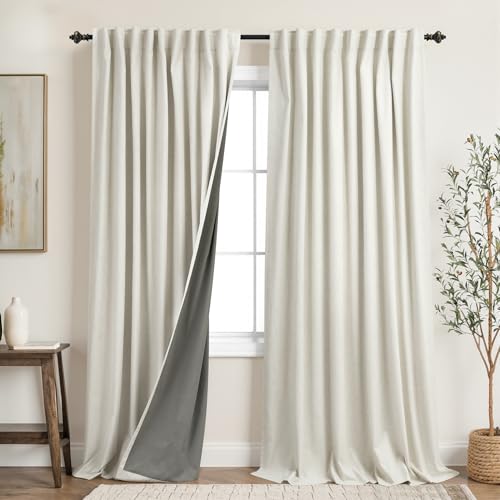
Extra Wide 70 Inch Linen Soundproof Blackout Thermal Curtains for Summer Heat, Noise Reducing Insulated Black Out Sliding Door Curtain for Bedroom 84 Inch Long,Living Room Drapes 84 Length 2 Panel Set
100% BLACKOUT: These linen textured curtain panels block out 100% complete sunlight and UV rays,turning day into night.Help…
As an affiliate, we earn on qualifying purchases.
As an affiliate, we earn on qualifying purchases.
Conclusion
So, armed with these allergy-season upgrades, you’re now a fortress against airborne invaders. Picture your open floor plan transformed into an impenetrable bubble, where dust, pollen, and allergens bounce harmlessly off. You’ll breathe easier, feeling like you’ve just stepped into a pristine mountain retreat every day. Say goodbye to sneezes and congestion—this upgrade turns your entire home into an allergy-proof paradise, making your living space the ultimate sanctuary of fresh, pure air.

LEVOIT Air Purifier for Home Allergies Pet Hair in Bedroom, Covers Up to 1073 ft² by 56W High Torque Motor, AHAM VERIFIDE, 3-in-1 Filter with HEPA Sleep Mode, Remove Dust Smoke Odor, Core300-P, White
WHY CHOOSE AHAM VERIFIDE AIR PURIFIERS: AHAM (Association of Home Appliance Manufacturers) is an ANSI-accredited organization that sets…
As an affiliate, we earn on qualifying purchases.
As an affiliate, we earn on qualifying purchases.
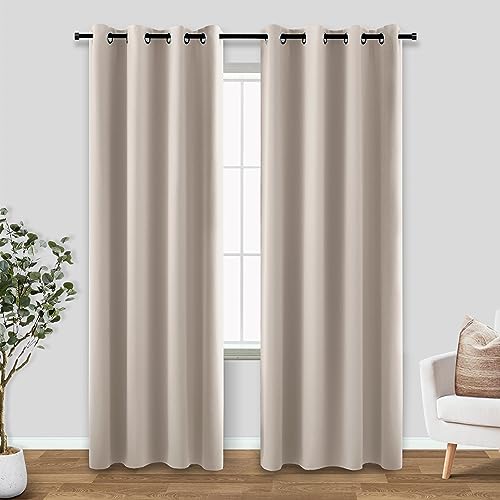
KOUFALL Oatmeal Neutral Blackout Curtains 84 Inches Long for Living Room, Thermal Insulated Modern Curtain for Bedroom, 2 Panels Set, Tan Beige
Extra Thick Curtains: Features black microfiber woven into soft fabrics,or called as triple weave technology / 3 pass…
As an affiliate, we earn on qualifying purchases.
As an affiliate, we earn on qualifying purchases.