TL;DR

Get home appliances delivered free with Prime
- Fast, free delivery on millions of items
- Prime Video, Amazon Music and more included
- Member-only deals all year
BMW has produced its 2 millionth fully electric vehicle, a BMW i5 M60 xDrive. The company is also expanding its smart home energy ecosystem, integrating EVs with solar and home storage systems. These developments highlight BMW’s focus on sustainable mobility and home energy innovation.
BMW has produced its 2 millionth fully electric vehicle, a BMW i5 M60 xDrive sedan delivered to a customer in Spain, marking a significant milestone in the company’s EV production.
The milestone was achieved at BMW’s Plant Dingolfing, which began producing electric vehicles in 2021 with the BMW iX. Since then, the plant has produced over 320,000 EVs, including the i5, i7, and iX models. While this represents roughly one out of every six BMW vehicles produced, it underscores the company’s expanding electric lineup.
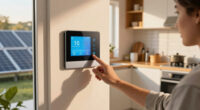
In addition to vehicle production, BMW announced an expansion of its smart home energy ecosystem, emphasizing bidirectional charging technology and integration with solar and home storage solutions. The company is partnering with SOLARWATT to develop a home energy management system (HEMS) capable of controlling energy flows between photovoltaic systems, home storage, and electric vehicles.
This system aims to enable BMW EVs to act as energy storage units within residential energy systems, supporting the concept of Vehicle-to-Home (V2H) and Vehicle-to-Grid (V2G) applications. The first commercial V2G offerings in Germany launched in March 2026, with the next phase focusing on V2H, expected to roll out in late 2026 in Germany, Austria, and the Netherlands.
Implications for Sustainable Mobility and Home Energy
This milestone and technological expansion demonstrate BMW’s commitment to integrating electric vehicles into broader energy ecosystems, which could accelerate the adoption of smart home energy solutions. For consumers, this means more efficient energy use, potential cost savings, and increased reliance on renewable energy sources. For the industry, it signals a shift toward holistic, integrated mobility and energy management systems that could influence market standards and policy development.
BMW i5 M60 xDrive electric vehicle
As an affiliate, we earn on qualifying purchases.
As an affiliate, we earn on qualifying purchases.
BMW’s EV Production and Smart Home Initiatives Since 2021
BMW’s journey into full electric vehicle production began in 2021 with the launch of the BMW iX. Since then, the company has steadily increased its EV output, reaching 2 million units in mid-2026. This growth aligns with global trends toward electrification and sustainability in the automotive sector.
Concurrently, BMW has been exploring vehicle-to-grid and vehicle-to-home technologies, partnering with solar energy firms like SOLARWATT to develop integrated energy management solutions. These efforts are part of a broader industry push toward combining electric mobility with renewable energy sources and smart home systems, aiming to create seamless, sustainable energy ecosystems for consumers.
“The support of smart energy ecosystems through bidirectional charging and integrated home management is a key part of our future mobility strategy.”
— BMW spokesperson
home energy management system solar battery
As an affiliate, we earn on qualifying purchases.
As an affiliate, we earn on qualifying purchases.
Unconfirmed Details on Commercial Deployment Timeline
While BMW plans to launch V2H services in late 2026 in select European markets, specific details on the rollout scope, customer adoption, and technical integration challenges remain unclear. It is also not yet confirmed how quickly these solutions will expand beyond initial markets.
vehicle-to-home V2H charging station
As an affiliate, we earn on qualifying purchases.
As an affiliate, we earn on qualifying purchases.
Upcoming Rollout and Industry Impact of Smart Home EV Tech
BMW is expected to begin commercial deployment of its V2H solutions in late 2026, with pilot programs and customer trials already underway. Industry analysts anticipate that successful integration could influence other automakers and energy providers to adopt similar systems, potentially transforming residential energy management and EV use.
bidirectional EV charger for home
As an affiliate, we earn on qualifying purchases.
As an affiliate, we earn on qualifying purchases.
Key Questions
What does reaching 2 million EVs mean for BMW?
This milestone indicates BMW’s rapid growth in electric vehicle production and signals its commitment to electrification as a core part of its future strategy.
How will BMW’s smart home energy integration work?
BMW’s partnership with SOLARWATT aims to enable bidirectional charging and seamless energy flow between EVs, solar panels, and home storage, supporting V2H and V2G applications.
When will customers be able to use these new smart energy features?
The company plans to launch the integrated V2H solutions in late 2026 in Germany, Austria, and the Netherlands, with broader availability to follow.
What challenges might BMW face in deploying these technologies?
Potential challenges include technical integration, customer adoption, regulatory approval, and infrastructure development in target markets.
Could this influence other automakers?
Yes, BMW’s move toward integrated energy ecosystems may encourage competitors to develop similar smart home and vehicle-to-grid solutions, accelerating industry-wide innovation.
Source: CleanTechnica
NFL season / tailgating Picks
team gear
As an affiliate, we earn on qualifying purchases.