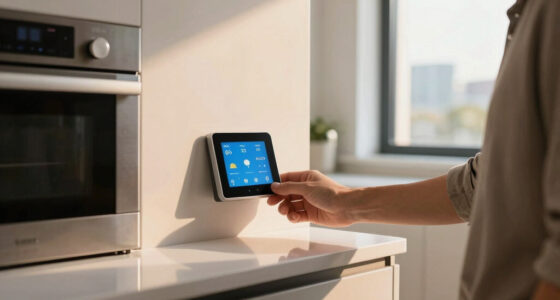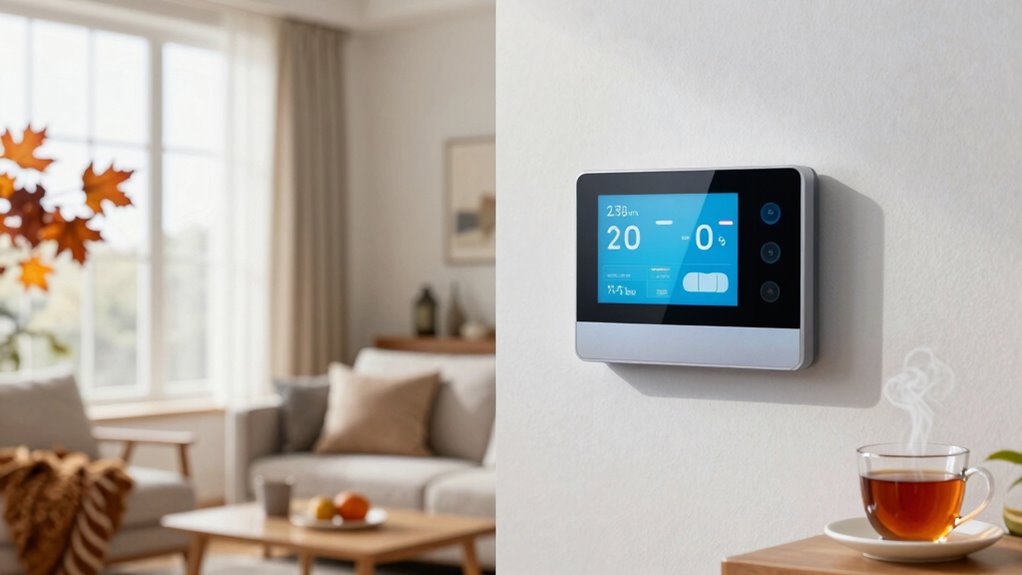

Smart thermostats reveal that your energy habits change with the seasons. In winter, they help cut heating costs by learning your occupancy patterns and adjusting settings accordingly. When warmer months roll around, they shift to cooling, optimizing energy use without compromising comfort. By gathering data on your preferences, these devices create a personalized experience that can save you up to 20% on energy bills. You might be surprised by the insights and advancements shaping climate control in your home.

Get home appliances delivered free with Prime
- Fast, free delivery on millions of items
- Prime Video, Amazon Music and more included
- Member-only deals all year
Key Takeaways
- Smart thermostats analyze seasonal energy habits, revealing how temperature preferences shift with changing weather conditions.
- They optimize heating and cooling based on occupancy patterns, reducing unnecessary energy consumption and costs.
- Real-time adjustments to HVAC systems ensure comfort while managing energy use effectively throughout the seasons.
- Personalized learning algorithms adapt settings according to individual routines, enhancing user experience across different seasonal demands.
- Future advancements promise more predictive capabilities, leading to greater energy efficiency and cost savings.
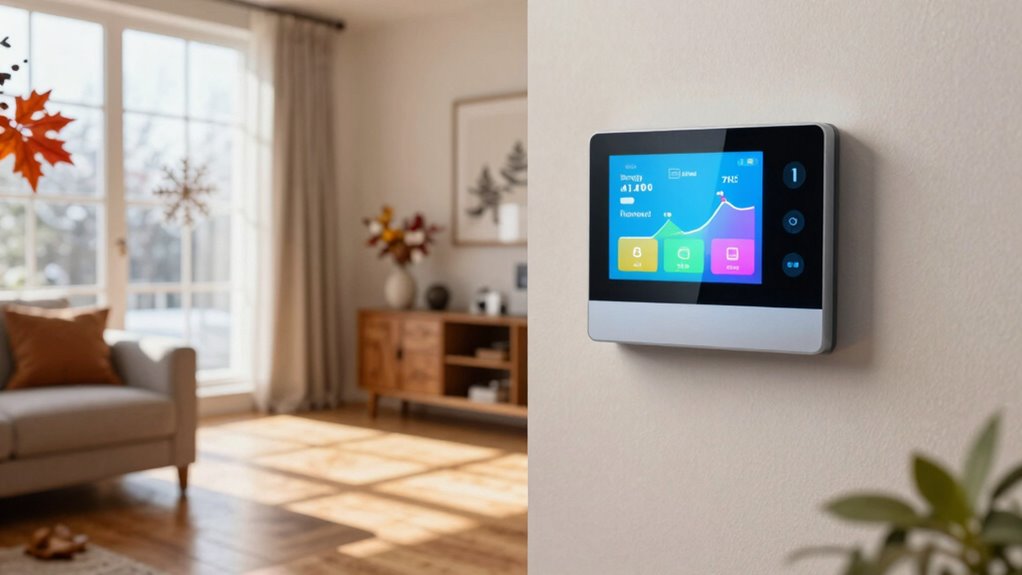
As you navigate the ever-evolving landscape of home technology, smart thermostats stand out as a key player in energy efficiency and convenience. These devices have transformed how you manage your home’s heating and cooling, offering insights that go beyond simple temperature control. By analyzing seasonal energy habits, smart thermostats provide a clearer picture of your energy consumption patterns, revealing how user preferences fluctuate with the changing seasons.
During colder months, for instance, you might notice an uptick in your heating costs. Smart thermostats can detect these shifts and adjust accordingly, learning when you’re most likely to be home and when you’re away. This technology integration not only optimizes your comfort but also minimizes unnecessary energy use, leading to significant cost savings. By programming your thermostat to lower the heat when you’re at work or asleep, you’re making a conscious choice to enhance your energy efficiency.
Smart thermostats optimize comfort and reduce heating costs by learning your schedule and adjusting settings when you’re away.
In spring and summer, your energy habits might shift towards cooling. Smart thermostats can adapt to these changes, guaranteeing your home remains comfortable without inflating your energy bills. They monitor outside temperatures and humidity levels, making real-time adjustments to your HVAC system. This proactive approach means you’re not just reacting to the weather; you’re actively managing your energy use in line with your lifestyle. Additionally, these devices can integrate with other home automation systems to further optimize your energy consumption.
What’s particularly interesting is how these devices gather data on user preferences over time. Perhaps you enjoy a cooler environment while sleeping or prefer a warmer living space during the day. Your smart thermostat learns these habits and can automatically adjust settings based on your routine. This personalized approach helps guarantee that your home remains a sanctuary while optimizing energy efficiency. Incorporating seasonal energy habits into their learning algorithms allows these devices to become even more predictive and efficient.
Moreover, advancements in climate control technology are enabling smart thermostats to better predict and respond to seasonal changes, further enhancing their effectiveness. As trends in smart thermostat technology continue to evolve, you’ll likely see even more advanced features that cater to seasonal energy habits. Imagine a device that not only learns your preferences but also predicts the weather and adjusts your settings in anticipation of upcoming temperature changes. Such innovations will further enhance cost savings, making it easier for you to manage your energy consumption.
Products Worth Considering

Google Nest Learning Thermostat Pro Edition (4th Gen, 2024) with Temperature Sensor, Polished Silver

Levoit Air Purifier for Home, Pets, Bedroom – Smart Wi‑Fi for Large Rooms

Samsung S85H 48-Inch 4K OLED Smart TV (2026)
As an affiliate, we earn on qualifying purchases.
Frequently Asked Questions
How Do Smart Thermostats Save Energy Compared to Traditional Models?
Smart thermostats save energy compared to traditional models by optimizing your heating and cooling schedules based on your habits. They learn your preferences, adjusting temperatures automatically for maximum energy efficiency. With user convenience in mind, you can control them remotely via smartphone apps, ensuring you’re not wasting energy when you’re away. These features help reduce energy costs while maintaining comfort, making your home both efficient and enjoyable year-round.
Can Smart Thermostats Work With All Heating and Cooling Systems?
Yes, smart thermostats can work with many heating and cooling systems, but watch out for compatibility issues. You might think you can just plug one in, but not all models suit every system. If your setup’s unique, it could affect system efficiency. Before you buy, check compatibility with your specific equipment. You wouldn’t want to invest in a thermostat that doesn’t maximize your home’s energy performance, would you?
What Are the Installation Costs for Smart Thermostats?
The installation costs for smart thermostats can range from $100 to $300, depending on several installation factors like your existing heating and cooling system, complexity of the setup, and whether you hire a professional. If you’re handy, you might save by doing it yourself. Always consider a cost comparison between different models and installation options to find the best fit for your budget and needs.
Do Smart Thermostats Require a Stable Internet Connection?
Smart thermostats certainly benefit from a stable internet connection. With reliable Wi-Fi, you’ll enjoy remote access and effective energy monitoring, allowing you to manage your home’s heating and cooling effortlessly. Without a strong connection, you might miss out on those handy features. So, if you want seamless control and savings, verify your internet’s as strong as your thermostat’s smartness. Ditch the disruptions and embrace energy efficiency with a solid signal!
Are There Privacy Concerns With Using Smart Thermostats?
Yes, there are privacy concerns with using smart thermostats. These devices collect data about your habits and preferences, raising issues about data security. If you don’t manage your settings carefully, your personal information might be vulnerable. It’s essential to understand user consent before sharing any data. Always check privacy policies and enable strong security features to protect your information while enjoying the convenience these smart devices offer.
Conclusion
As you embrace the latest smart thermostat trends, you’re not just managing your energy use; you’re stepping into a world of comfort and convenience. With each adjustment, you’re weaving a tapestry of seasonal habits that keep your home cozy while gently nudging your wallet in the right direction. So, as the seasons change, let your thermostat be your trusty guide, helping you navigate the journey towards a more energy-savvy lifestyle without sacrificing a smidge of warmth.