As homes become more airtight for energy efficiency, maintaining fresh air is more important than ever. You can use indoor plants like snake plants and pothos to naturally improve air quality, but they aren’t enough alone. Installing mechanical ventilation systems such as HRVs or ERVs helps bring in fresh outdoor air while keeping energy costs down. Combining these approaches guarantees your home stays healthy and comfortable. Keep exploring to discover more ways to optimize your indoor environment.
Listen free for 30 days with Audible
Thousands of audiobooks and originals — cancel anytime.
As an affiliate, we earn on qualifying purchases.
Key Takeaways
- Tighter homes reduce natural ventilation, increasing the need for mechanical systems to ensure fresh air intake.
- Indoor plants are recognized as natural air purifiers, enhancing air quality in energy-efficient, airtight homes.
- Modern ventilation systems like HRVs and ERVs provide silent, energy-efficient air exchange, complementing plant benefits.
- Combining plants with advanced ventilation optimizes indoor air quality for healthier living environments.
- Trends now emphasize integrated solutions that prioritize health, well-being, and energy efficiency in home air quality upgrades.
As homes become more energy-efficient and airtight, guaranteeing good indoor air quality has become a crucial concern. You might notice that your home feels fresh initially, but over time, stale air and indoor pollutants can build up, making the environment less healthy. To combat this, many homeowners are starting to pay closer attention to how they bring fresh air inside. Incorporating indoor plants isn’t just a decorative choice anymore; it’s a practical way to improve air quality naturally. Plants like snake plants, pothos, and peace lilies absorb toxins and release oxygen, helping to create a healthier indoor environment. You’ll find that adding a few well-chosen indoor plants can make a noticeable difference in the air you breathe daily.
Indoor plants like snake plants and peace lilies naturally improve air quality and create a healthier home environment.
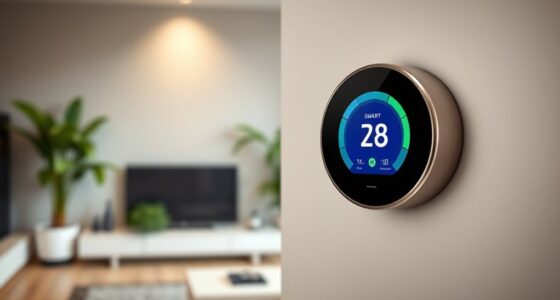
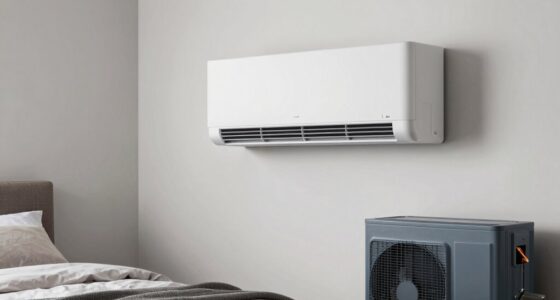
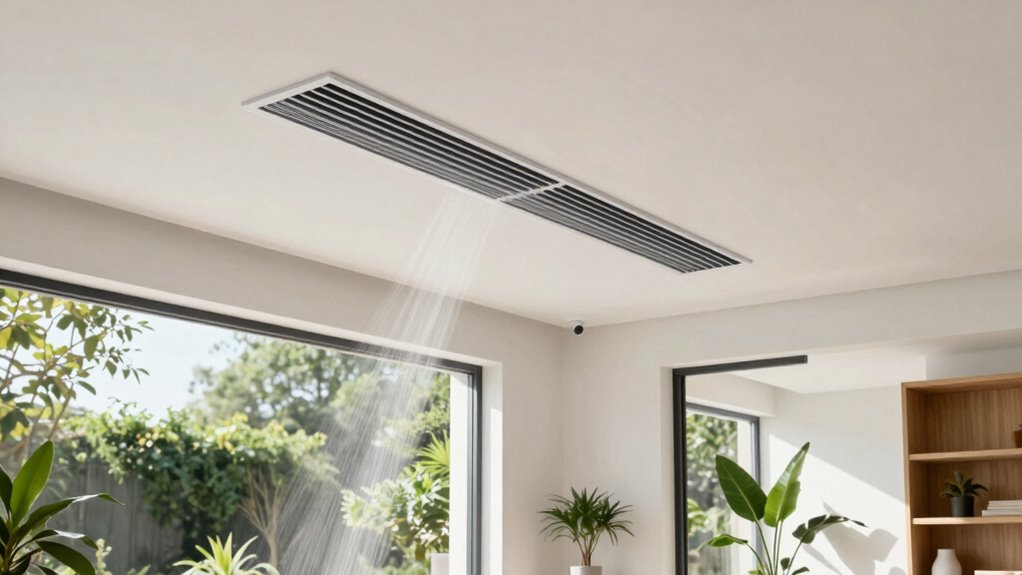
However, relying solely on plants isn’t enough, especially in highly airtight homes. That’s where modern ventilation systems come into play. You might not think about your ventilation system until it stops working, but in a tightly sealed home, it’s a critical component of indoor air quality. Mechanical ventilation systems, such as heat recovery ventilators (HRVs) or energy recovery ventilators (ERVs), are designed to bring in fresh outdoor air while exhausting stale indoor air. These systems work silently in the background, ensuring that fresh air circulates without sacrificing the home’s energy efficiency. You’ll appreciate how these systems maintain comfortable temperatures while continuously rejuvenating the air inside. Incorporating ventilation technology can significantly improve indoor air quality by automatically adjusting airflow based on real-time conditions.
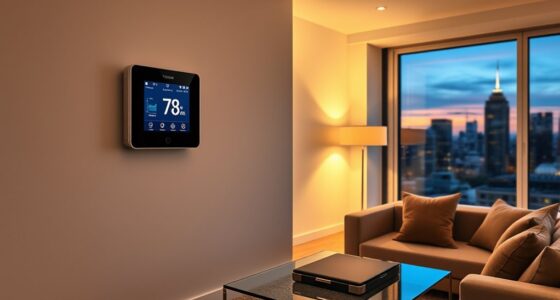
Adding indoor plants and upgrading your ventilation system go hand in hand. Plants help filter out airborne pollutants naturally, but they can’t replace proper air exchange. Ventilation systems ensure a steady flow of fresh air, reducing the buildup of pollutants like volatile organic compounds (VOCs) from furniture, cleaning products, or even cooking. When you combine both strategies, you optimize your indoor air quality effectively. It’s a proactive approach that acknowledges the importance of fresh air in a home that’s designed to keep heat and energy in. Additionally, incorporating smart controls into your ventilation system can automatically adjust airflow based on indoor air quality sensors. This way, you don’t have to think about constantly managing fresh air; your system takes care of it for you. Overall, the trend toward fresh-air upgrades isn’t just about comfort — it’s about health and well-being. As you make these changes, you’ll start to notice a more invigorating, healthier home environment. It’s a simple, effective way to breathe easier in your tighter, more energy-efficient home.
As an affiliate, we earn on qualifying purchases.
Frequently Asked Questions
How Does Fresh-Air Ventilation Impact Indoor Air Quality?
Fresh-air ventilation improves your indoor air quality by increasing air exchange, which helps remove pollutants and excess moisture. It continuously introduces fresh outdoor air and expels stale indoor air, reducing allergens, mold, and volatile organic compounds. This process not only boosts your comfort but also supports healthier living conditions. By actively managing pollutant removal, fresh-air ventilation keeps your home safer, cleaner, and more comfortable every day.
What Are the Costs Associated With Upgrading to a Fresh-Air System?
Upgrading to a fresh-air system involves costs that vary based on your home’s size and system type, so a detailed cost comparison helps you find the best option. Expect installation challenges like integrating the system with existing HVAC setups and ensuring proper ventilation balances. While initial expenses might seem high, investing in good quality systems improves air quality and energy efficiency, potentially saving you money long-term.
Can Existing Homes Be Retrofitted With Better Fresh-Air Solutions?
Yes, you can retrofit your existing home with better fresh-air solutions. Imagine breathing in cleaner air every day, thanks to advanced ventilation technology that easily integrates into your current system. This upgrade enhances air quality, reduces indoor pollutants, and improves comfort without major renovations. You’ll enjoy healthier living while keeping energy costs in check. Retrofitting makes it simple to upgrade your home’s ventilation and enjoy fresh, healthy air now.
How Often Should Fresh-Air Filters or Systems Be Maintained?
You should check and replace your air filters regularly, ideally every 3 to 6 months, depending on the air filter lifespan and household air quality. Stick to a consistent system maintenance schedule to guarantee your fresh-air system operates efficiently. Dirty filters can reduce airflow and indoor air quality, so timely maintenance helps keep your home healthier and energy-efficient. Always follow the manufacturer’s recommendations for peak performance.
Are There Health Benefits Linked to Improved Fresh-Air Circulation?
Improved fresh-air circulation enhances air quality, which directly benefits your respiratory health. When you guarantee proper ventilation, you reduce indoor pollutants, allergens, and moisture buildup, lowering the risk of respiratory issues like asthma and allergies. Better airflow also helps remove stale air and odors, making your home healthier and more comfortable. By prioritizing fresh-air exchange, you support your overall well-being and enjoy cleaner, healthier indoor environments daily.
As an affiliate, we earn on qualifying purchases.
Conclusion
As you embrace the fresh-air upgrade, you’re opening the door to healthier, more comfortable living. Tighter homes no longer mean sacrificing airflow—they’re a chance to breathe easier and enjoy truly clean indoor air. Think of it as finally hitting the nail on the head; you’re sealing in comfort while letting fresh air in, balancing efficiency with health. With these upgrades, you’re not just fixing a problem—you’re creating a home that truly works for you.
indoor air purifier with plant support
As an affiliate, we earn on qualifying purchases.
As an affiliate, we earn on qualifying purchases.
As an affiliate, we earn on qualifying purchases.
NFL season / tailgating Picks
team gear
As an affiliate, we earn on qualifying purchases.