
TL;DR

Get home appliances delivered free with Prime
- Fast, free delivery on millions of items
- Prime Video, Amazon Music and more included
- Member-only deals all year
A Family Handyman report breaks down the purchase, installation and ongoing costs of under-sink reverse osmosis water filters. Systems can cost from a few hundred dollars to more than $1,000, with additional installation, filter-replacement and water-use costs; whether one is worth it depends on a household’s water concerns and budget.
Under-sink reverse osmosis systems can cost a few hundred dollars to more than $1,000, with installation and recurring maintenance adding to the bill, according to a Family Handyman cost report. The report also identifies water waste as a potential operating cost, making the value of a system dependent on a household’s water concerns, chosen model and willingness to maintain it.
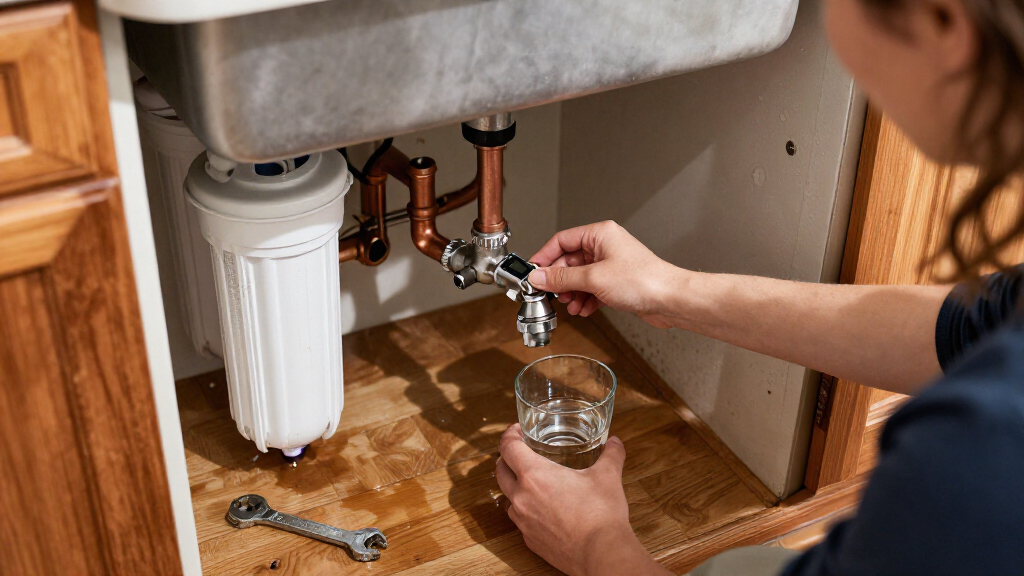
The report says a typical system sends water through several filters, including a reverse-osmosis membrane, before delivering filtered water through a separate faucet. The reported purchase range is a few hundred dollars to over $1,000. Homeowners with basic plumbing skills may install some systems themselves, but professional installation generally costs more than $300, before possible add-ons such as a refrigerator connection, leak protection, an outlet or plumbing changes.
Ongoing costs include replacement filters priced at $30 to $100 every six to 12 months, a membrane costing $25 to $60 every couple of years, and about $20 a year for tank sanitizer, according to the report. It also cites a water-use range of half a gallon to four gallons sent down the drain per gallon produced. For five gallons of filtered water used daily, the report estimates annual water waste of 500 to 8,500 gallons, with the resulting bill depending on the system and local water rates.
Some models also use electricity, but Family Handyman says consumption is typically 20 to 40 watts per hour and systems usually run for less than an hour a day. It recommends considering EPA WaterSense-certified models to reduce water waste. The report says a quality system may last 10 years or longer with proper maintenance, although components can need replacement and older systems may eventually be more economical to replace.
How Costs Shape the Upgrade
The cost breakdown matters because the sticker price alone does not show what a household will spend over the life of a system. Installation, filter changes and membrane replacement are recurring or one-time expenses that can change the overall value, while water waste varies substantially across systems. A household comparing models needs to account for those costs alongside the specific water-quality issue it wants to address.
The report presents reverse osmosis as one option for people concerned about drinking and cooking water, not as a universal requirement. For households satisfied with their current water or looking for a solution to a specific contaminant, the purchase decision may depend on test results and whether a different filtration method is suitable. The report does not provide a single total-cost estimate covering a particular model, installation and years of maintenance.
Products Worth Considering

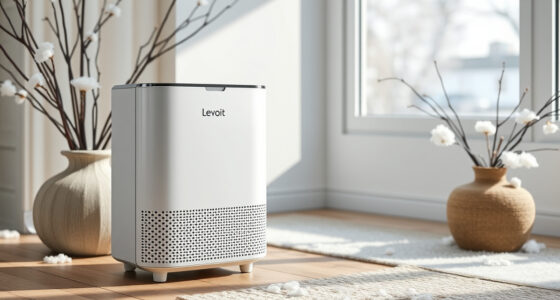
Levoit Vital 100S-P Air Purifier with Washable Pre-Filter

Dyson V8 Cordless Vacuum

Roborock Q7 M5+ Robot Vacuum and Mop
As an affiliate, we earn on qualifying purchases.
What the Cost Report Covers
The Family Handyman article combines an account from its writer, who says they have lived in areas with water concerns and switched to an under-sink system six years ago, with comments from water, plumbing and wellness sources. The writer describes the switch as an alternative to buying five-gallon water jugs, but that personal experience is not a cost comparison applicable to every household.
The report also includes experiences with different products. Herman Hartanto, identified as founder of Tampa Fast Home Buyer, says his Waterdrop G3P600 cost $429 at retail and appreciated its compact, tankless design, while finding its pump noisy at times. The writer says a Waterdrop X12 Pro cost $1,400 off sale and includes features such as water-saving efficiency and mineral addition. Those are individual product examples, not a market-wide price survey.
“Many parts, including filters, membranes, faucets and tanks can be replaced individually.”
— Danielle Smith, plumbing expert, as quoted by Family Handyman
Costs Depend on Model and Home
The report gives broad ranges rather than a total cost for a typical homeowner. Actual installation charges, water bills and replacement schedules will vary by model, plumbing setup, local rates and use. It does not provide a side-by-side lifecycle-cost calculation comparing reverse osmosis with bottled water or alternative filters.
The article also includes broad claims about contaminant removal, but the supplied material does not identify certification details or test results for each system. Households should not assume every product removes every contaminant to the same degree. The right approach depends on what is present in the water and whether the selected system is certified for that specific concern.
Check Water and Model Details
For readers weighing a purchase, the next steps are to identify the water-quality concern, compare systems’ certifications and water-use information, and price the installation and replacement parts before choosing a model. Those figures can then be considered against local water rates and the household’s expected use.
Family Handyman’s report does not announce a new product or a forthcoming industry change; it is a consumer cost breakdown. The purchase decision remains individual, and the source does not set a universal point at which an RO system becomes financially worthwhile.
Key Questions
How much does an under-sink reverse osmosis system cost?
Family Handyman reports prices ranging from a few hundred dollars to more than $1,000. Professional installation generally adds more than $300, before any extra plumbing or equipment work.
What are the recurring maintenance costs?
The report estimates filters at $30 to $100 every six to 12 months, a replacement membrane at $25 to $60 every couple of years, and tank sanitizer at about $20 annually. Costs vary by system and maintenance needs.
How much water does a reverse osmosis system waste?
The report gives a range of half a gallon to four gallons wasted per gallon of filtered water. It says a WaterSense-certified model may help reduce water waste, but actual performance depends on the system.
How long can a reverse osmosis system last?
Family Handyman says a quality system may last 10 years or longer with proper maintenance. Individual components can be replaced, though repeated repairs on an older unit may make replacement more sensible.
Source: rss