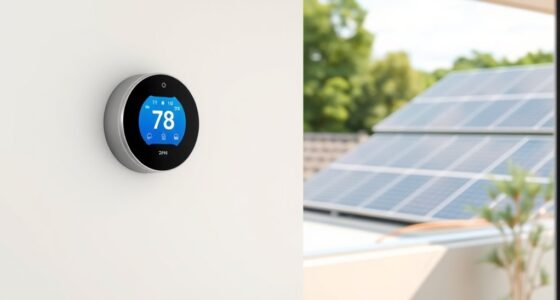
If your thermostat’s in the wrong spot, you’re likely to see higher energy bills. Poor placement can cause inaccurate temperature readings, leading your HVAC system to work harder than necessary. This can result in unbalanced temperatures throughout your home and unnecessary system cycling. You’ll waste energy, money, and even wear out your equipment faster. Finding the right spot for your thermostat can make a big difference, and there’s more to explore on optimizing your setup.
Key Takeaways
- Incorrect thermostat placement leads to inaccurate temperature readings, causing inefficient heating and cooling cycles.
- Proximity to drafts, sunlight, or heat sources can trigger unnecessary system operation, increasing energy costs.
- Misplaced thermostats can create unbalanced temperatures throughout the space, leading to discomfort and wasted energy.
- Increased wear and tear on HVAC systems results from frequent cycling due to false temperature readings.
- Proper placement enhances energy efficiency, reducing overall energy consumption and lowering utility bills.
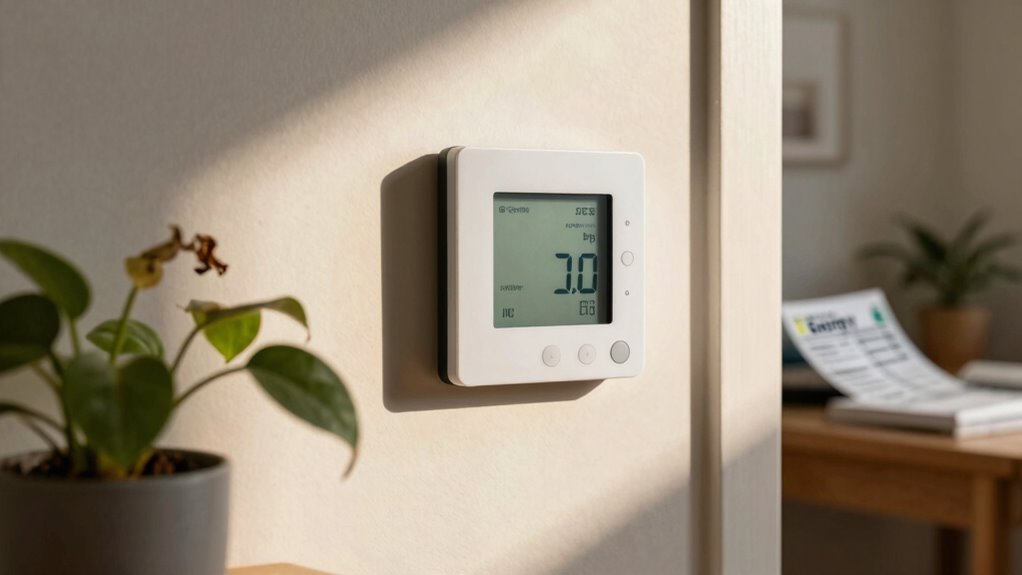
When it comes to managing your home’s energy use, thermostat placement plays a crucial role. If your thermostat’s in the wrong spot, it can lead to poor temperature regulation, driving up energy costs and affecting your comfort levels. You might not realize it, but the location of your thermostat can greatly impact how effectively your heating and cooling systems operate.
Imagine your thermostat’s nestled near a window or an exterior door. These spots can expose it to drafts or direct sunlight, causing it to read higher or lower temperatures than what’s actually happening in your living spaces. This misreading can trigger your heating or cooling system to run longer than necessary, wasting energy and money. The result? Unbalanced heat distribution throughout your home, leaving some rooms too hot and others too cold.
Thermostat placement near windows or doors can lead to inaccurate readings, causing energy waste and uneven temperatures throughout your home.
Proper thermostat placement enhances energy efficiency by allowing for more accurate readings of your home’s temperature. Ideally, it should be located on an interior wall, away from outside influences like sunlight, drafts, or appliances that emit heat. This way, your climate control system can respond appropriately, maintaining comfortable indoor temperatures while minimizing energy use.
Modern thermostat technology can help mitigate some of these issues, especially with programmable or smart thermostats. However, even the best technology can’t compensate for a poorly placed thermostat. If it’s in a location that frequently fluctuates in temperature, it won’t accurately gauge the climate in your home. This means your system might overheat or undercool spaces, which can lead to discomfort and inefficient energy use. Additionally, proper thermostat placement can prevent unnecessary system cycling, saving energy and extending the lifespan of your HVAC equipment. Correct placement also helps ensure your thermostat detects the true indoor climate, avoiding false readings caused by nearby heat sources or drafts.
Furthermore, if your thermostat is too close to heating or cooling vents, it may react prematurely, shutting off systems before the rest of the house has reached the desired temperature. This inefficient cycle can lead to increased wear and tear on your HVAC system and higher energy bills. Proper placement ensures your thermostat can accurately monitor your home’s climate conditions, leading to better efficiency and comfort. A well-placed thermostat also helps reduce energy waste, contributing to overall cost savings and environmental benefits. Proper placement is also essential for optimizing the performance of smart thermostat features, ensuring they function as intended.

CT72 Basic Tamper Proof Thermostat
- Tamper-proof thermostat for property owners: Prevents unauthorized temperature adjustments
- Limits heating to 72°F: Renters cannot set heat above 72°F
- Limits cooling to 72°F: Guests cannot set AC below 72°F
As an affiliate, we earn on qualifying purchases.
As an affiliate, we earn on qualifying purchases.
Frequently Asked Questions
Can Thermostat Placement Affect My HVAC System’s Lifespan?
Yes, thermostat placement can definitely affect your HVAC system’s lifespan. If it’s in the wrong spot, you might experience temperature fluctuations that impact your comfort level. This can lead to increased system strain as your HVAC works harder to maintain a consistent temperature, reducing energy efficiency. Over time, this extra strain can wear out components faster, ultimately shortening your system’s lifespan. So, it’s essential to guarantee your thermostat is positioned correctly.
How Often Should I Check My Thermostat’s Location?
You should check your thermostat’s location at least twice a year. Confirm it’s in an ideal location, away from drafts, direct sunlight, or heat sources, as these can skew temperature readings. If you notice inconsistent temperatures or your HVAC system working harder than usual, it might be time for a reassessment. Keeping the thermostat in the right spot helps maintain efficiency and comfort in your home.
What Are Common Mistakes in Thermostat Placement?
When it comes to thermostat placement, don’t put all your eggs in one basket. Common mistakes include installing it near windows or doors, which leads to temperature fluctuations, or placing it in direct sunlight, causing inaccurate readings. Avoid spots with poor airflow, like behind furniture, as they can hinder efficiency. Remember, a well-placed thermostat guarantees consistent temperatures and saves energy, so take a moment to reassess its location!
Can I Move My Thermostat Myself?
Yes, you can move your thermostat yourself! Start by turning off the power to avoid any electrical issues. Use thermostat relocation tips like ensuring it’s placed away from drafts and direct sunlight for accurate readings. Carefully disconnect the wires, labeling them as you go. When installing the new location, follow DIY installation precautions to avoid damaging the wiring. Make sure it’s securely mounted and double-check your connections before restoring power. Happy DIY-ing!
Do Smart Thermostats Adjust Better to Poor Placement?
Think of your home like a ship at sea; if the compass is off, you’ll drift. Smart thermostats, equipped with advanced sensors and algorithms, adapt better to poor placement, enhancing energy efficiency. They learn your habits and adjust temperatures accordingly, compensating for any miscalculations. While they can’t fix all placement issues, their smart technology helps optimize your heating and cooling, making your home more comfortable and reducing energy waste.
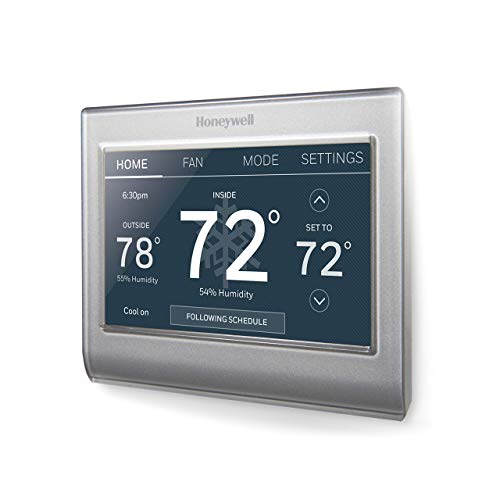
Honeywell Home RTH9585WF Wi-Fi Smart Color Thermostat, 7 Day Programmable, Touch Screen, Energy Star, Alexa Ready, C-Wire Required, Not Compatible with Line Volt Heating Gray
- Color Personalization: Customize to match your decor
- Energy Savings Rewards: Rebates and utility programs available
- Flexible Scheduling: Program according to your schedule or rates
As an affiliate, we earn on qualifying purchases.
As an affiliate, we earn on qualifying purchases.
Conclusion
So, if your thermostat’s in the wrong spot, you’re fundamentally fighting a losing battle against energy waste. It can lead to inconsistent temperatures and unnecessary energy consumption, like trying to row upstream without a paddle. By relocating your thermostat to a more suitable location, you’ll not only create a more comfortable environment but also trim down those energy bills. Remember, a well-placed thermostat is your ally in the quest for efficiency and savings.

Google Nest Thermostat Trim Kit – Made for the Nest Thermostat – Programmable Wifi Thermostat Accessory – Snow
- Wall coverage for imperfections: Covers wall imperfections from old thermostat removal
- Includes installation accessories: Contains trim plate, steel plate, screws, and installation card
- Compatibility check available: Check system compatibility online before purchase
As an affiliate, we earn on qualifying purchases.
As an affiliate, we earn on qualifying purchases.

PRO1 T701 Single Stage Non-Programmable Wall Thermostat for 1 Heat/1 Cool Conventional Systems, Conventional Digital Thermostat for Home
- Single Stage 1 Heat/1 Cool: For conventional HVAC systems
- Large Blue Backlit Display: Easy-to-read, glow-in-the-dark buttons
- Flexible Power Options: Battery or 24V compatibility
As an affiliate, we earn on qualifying purchases.
As an affiliate, we earn on qualifying purchases.