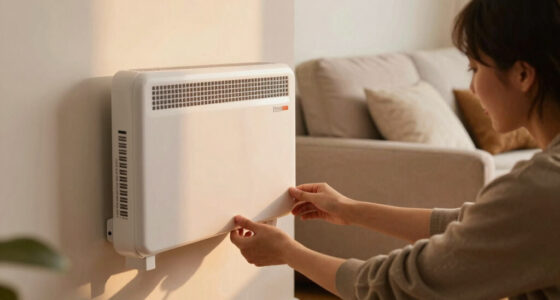
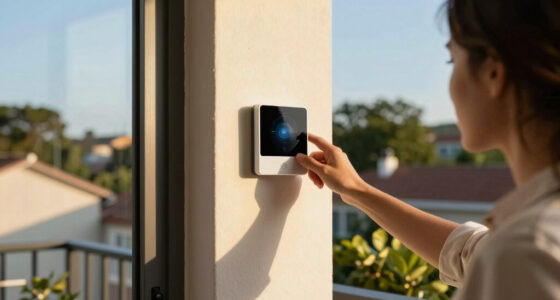
To save energy when one floor of your house is used more than another, focus on adjusting your heating and cooling systems to prioritize the occupied floor. Use smart thermostats to program temperature settings based on when and where you’re present. Upgrade to energy-efficient appliances in high-usage areas and switch to LED lighting to cut down on energy waste. You can also enhance insulation and seal air leaks to keep temperatures stable. Discover more tips to maximize your savings!
Key Takeaways
- Install smart thermostats to adjust heating and cooling based on the occupied floor, optimizing energy use and comfort.
- Implement room zoning to specifically target energy use in frequently occupied areas while reducing heating/cooling in unused spaces.
- Upgrade insulation in cooler areas to prevent heat loss, ensuring energy efficiency throughout the home.
- Switch to LED lighting and use dimmers in less-used rooms to minimize energy consumption without sacrificing illumination.
- Regularly maintain HVAC systems and check for air leaks to enhance overall efficiency and prevent energy waste.

Saving energy in your home not only cuts costs but also helps the environment. When you find that one floor of your house gets used more than another, it’s crucial to implement strategies that focus on optimizing energy use in that specific area. Start by conducting an energy audit. This will help you identify areas where you can improve efficiency and pinpoint where energy is being wasted.
Consider investing in energy-efficient appliances for the rooms you use most. These appliances consume less energy, which translates to lower utility bills. For instance, replacing old refrigerators, washing machines, or dishwashers with newer models can make a considerable difference in your overall energy consumption.
Next, think about insulation upgrades. If the floor you use more often is cooler, improving the insulation can help maintain a comfortable temperature without relying heavily on heating or cooling systems. This is particularly important in areas like attics or basements, where heat loss often occurs. Additionally, insulation quality can significantly impact the overall energy efficiency of your home. Incorporating energy-efficient building materials can further enhance this effect. Regularly checking for air leaks will also help prevent unnecessary heat loss. Understanding building envelope principles can help you better target these improvements.
Using smart thermostats can also be a game-changer. You can program these devices to adjust temperatures based on when you’re using certain floors. This means you won’t waste energy heating or cooling unused spaces. Pairing smart thermostats with room zoning can further enhance your energy savings. By controlling temperatures in different areas of your home, you can guarantee that you’re not over-conditioning spaces that aren’t in use.
Lighting solutions can also play an important role. Switch to LED bulbs, which use considerably less energy than traditional incandescent bulbs. Incorporate dimmers and timers to ensure that lights are only on when you need them. If you’ve got rooms that get ample natural light, consider using window treatments to maximize that light during the day while minimizing heat loss at night. Proper placement of windows and skylights can also optimize natural lighting, reducing the need for artificial lighting.
Lastly, don’t overlook the importance of regular maintenance. Keep an eye on your HVAC systems, and make sure air filters are clean. This’ll help your systems run efficiently, especially in the areas you use the most. Understanding renewable energy options can further reduce your reliance on traditional energy sources. By implementing these strategies, you’ll not only save energy but also create a more comfortable living space tailored to your needs. Small changes can lead to considerable savings, making it easier on your wallet and the planet.
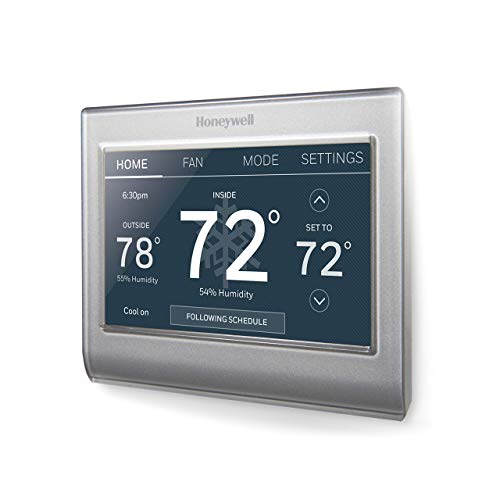
Honeywell Home RTH9585WF Wi-Fi Smart Color Thermostat, 7 Day Programmable, Touch Screen, Energy Star, Alexa Ready, C-Wire Required, Not Compatible with Line Volt Heating Gray
- Color Personalization: Customize to match your decor
- Energy Savings Rewards: Rebates and utility programs available
- Flexible Scheduling: Program according to your schedule or rates
As an affiliate, we earn on qualifying purchases.
As an affiliate, we earn on qualifying purchases.
Frequently Asked Questions
How Can I Determine Which Floor Uses More Energy?
To determine which floor uses more energy, start by using an energy monitoring system. These devices track your energy consumption in real-time, allowing you to analyze usage patterns for each floor. Check the readings over a week or month to spot trends. You might notice one floor consistently pulls more energy during certain hours. This data helps you understand where adjustments can be made to improve efficiency and reduce costs.
Are There Specific Appliances That Consume More Energy on One Floor?
Yes, certain appliances consume more energy depending on their location. For instance, HVAC systems on the upper floor might work harder, leading to higher energy consumption. Kitchen appliances like refrigerators and dishwashers also draw significant power. To tackle this, focus on appliance efficiency; consider upgrading to Energy Star-rated models. By managing where you place these appliances and monitoring their use, you can effectively lower your overall energy consumption across different floors.
What Are the Benefits of Energy-Efficient Windows for Each Floor?
Energy-efficient windows are like the superheroes of your home, swooping in to save the day (and your wallet). With high-quality window materials, they enhance thermal performance, keeping your space cozy in winter and cool in summer. Each floor benefits from reduced energy costs, less strain on your HVAC system, and a more comfortable environment. So, why not let your windows do the heavy lifting while you sip coffee and enjoy the view?
Can I Install Separate Thermostats for Each Floor?
Yes, you can install separate thermostats for each floor, and it’s a great way to improve comfort and efficiency. You’ll find various thermostat types, like programmable or smart options, which can help regulate temperatures independently. Keep in mind that installation costs can vary based on your home’s wiring and system setup. Investing in separate thermostats may lead to energy savings over time, making it worthwhile for your space.
How Does Insulation Affect Energy Use Between Floors?
Insulation greatly affects energy use between floors by minimizing heat transfer. When you choose the right insulation types, like fiberglass or spray foam, you can keep your living spaces more comfortable. Additionally, the floor materials you select, such as carpet or hardwood, influence how heat moves through your home. Proper insulation paired with suitable floor materials helps maintain consistent temperatures, reducing your energy consumption and keeping your utility bills in check.

dalattin 24 Pack LED Bulbs Daylight White 5000K, 60 Watt Equivalent A19 Standard Bulbs, E26 Base, 800 LM, Efficient 9W Energy Saving, Non-Dimmable, 80+ CRI, 120V, UL Listed, for Living Room, Office
- Energy Efficient Replacement: Replace 60W with 9W, 800 lumens
- Long Lifespan: Up to 13.7 years of use
- Vivid Color Rendering: CRI 80+ for true colors
As an affiliate, we earn on qualifying purchases.
As an affiliate, we earn on qualifying purchases.
Conclusion
By treating your home like a well-tuned orchestra, where each floor plays its part in harmony, you can greatly save energy. Focus on optimizing the floor that gets the most use—seal drafts, use energy-efficient appliances, and consider zoning your heating and cooling. Small changes can create a symphony of savings, ensuring you don’t waste energy where it’s not needed. With a little attention, you’ll create a balanced, efficient home that plays a beautiful tune for both comfort and savings.
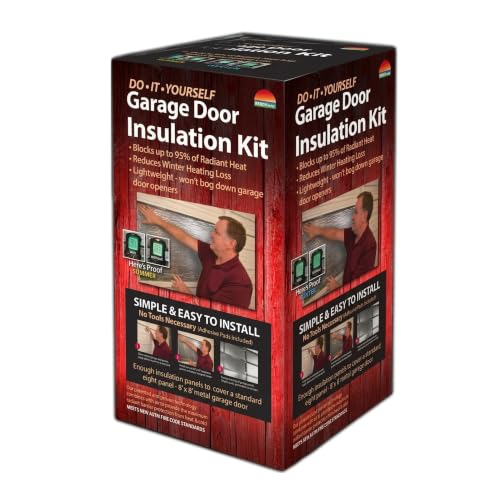
Reach Barrier Garage Door Insulation Kit, Reflective, 8×8 Single Door
- Heat Reflective Technology: Blocks up to 95% of radiant heat
- Multi-Layer Construction: Two layers of bubble and reflective polyethylene
- Code Compliant & Easy to Install: Exceeds fire codes, no special tools needed
As an affiliate, we earn on qualifying purchases.
As an affiliate, we earn on qualifying purchases.

Holikme Weather Stripping Door Seal, Shower Door Seal Strip,1.8" W-33Feet
- Draft Blocker: Prevents cold drafts and air leaks
- Flexible & Easy to Install: Conforms to uneven gaps, simple application
- Energy Saving: Reduces energy waste and lowers bills
As an affiliate, we earn on qualifying purchases.
As an affiliate, we earn on qualifying purchases.