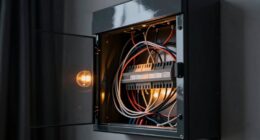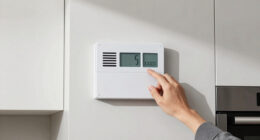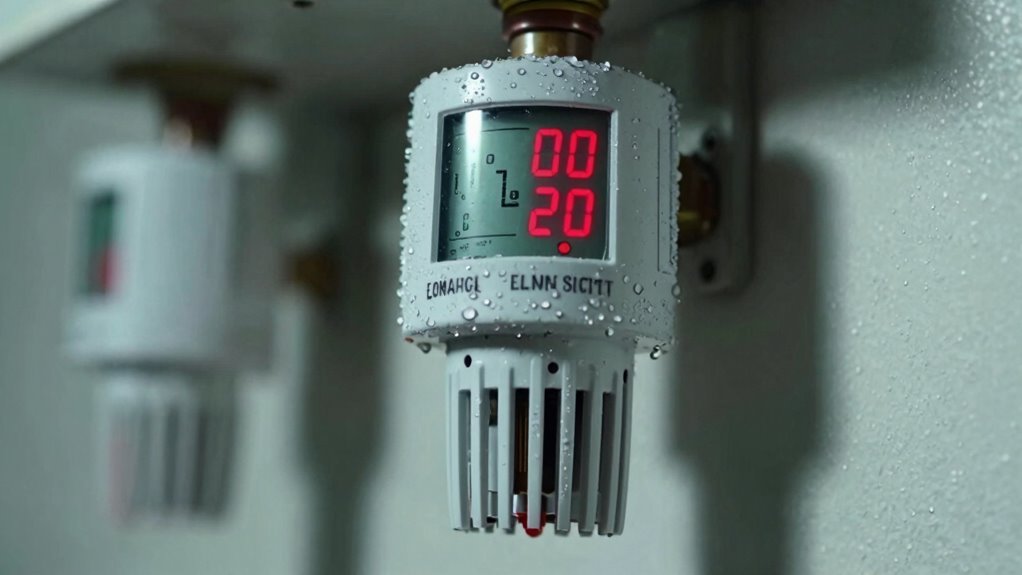

Short cycling can quietly destroy your HVAC system’s efficiency by causing rapid on-off cycles. An oversized unit or faulty thermostat leads to constant adjustments, wasting energy and raising your bills. This strain creates uneven temperatures in your home, making you uncomfortable. Plus, the frequent cycling wears down your system faster, risking costly repairs and a shorter lifespan. Addressing these issues early can save you money and keep your home comfortable. Discover effective solutions to enhance your system’s performance.
Key Takeaways
- Short cycling leads to increased energy waste as the HVAC system constantly adjusts, significantly reducing overall efficiency.
- Rapid cycling causes uneven temperatures, creating discomfort and dissatisfaction in living spaces.
- Frequent on-off cycles strain equipment, resulting in faster wear and potential costly repairs.
- An oversized or improperly sized system exacerbates short cycling, further diminishing operational efficiency and increasing energy bills.
- Early detection and maintenance of short cycling issues are crucial to preserving system efficiency and extending lifespan.

Short cycling often occurs due to a variety of reasons, including an oversized system or a malfunctioning thermostat. If your HVAC unit is too large for your space, it heats or cools too quickly, leading to frequent on-off cycles. This rapid cycling can significantly decrease the overall efficiency of your system. Not only does this disrupt your comfort but also puts unnecessary strain on your equipment. When your system starts and stops repeatedly, it wears out components faster, which can shorten your system lifespan. You might find yourself facing costly repairs or even a premature replacement, which is a situation no homeowner wants to deal with. Proper system sizing is essential to prevent short cycling and ensure optimal performance.
Short cycling can strain your HVAC system, leading to costly repairs and a shortened lifespan.
Additionally, short cycling can lead to uneven temperatures in your home. Some rooms may feel too hot or too cold, resulting in a less comfortable living environment. This inconsistency can cause you to adjust the thermostat more frequently, further contributing to energy waste. The longer your system runs efficiently, the more comfortable and economical your home becomes. Fixing short cycling may require professional help, but the investment can pay off in the long run through reduced energy bills and a longer-lasting system. Recognizing the signs of short cycling early can help you address the problem before it causes significant damage.
Understanding the HVAC system and its proper functioning can help you identify issues early and prevent unnecessary wear and tear. Recognizing the signs of short cycling early can help you avoid costly repairs and maintain your system’s efficiency. Ignoring short cycling is a mistake. It may seem like a minor issue, but it can evolve into a much larger problem if left unaddressed. You’ll not only notice an increase in your energy costs but also the potential for major repairs down the line. So, if you suspect that your HVAC system is short cycling, it’s time to take action. Addressing the issue early can save you money and guarantee your home remains comfortable year-round. By understanding the implications of short cycling, you’re taking an essential step toward maintaining your home’s efficiency and comfort. Ignoring small issues can sometimes lead to system failure, which can be far more costly and disruptive. Don’t let energy waste and a shortened system lifespan be the legacy of your HVAC system; act now to keep it running smoothly.

Air Duct Sizing Calculator
Air Duct Calculator
As an affiliate, we earn on qualifying purchases.
As an affiliate, we earn on qualifying purchases.
Frequently Asked Questions
What Are the Main Causes of Short Cycling?
Short cycling can occur due to several main causes. You might have improper thermostat settings, low refrigerant levels, or airflow issues. Duct leaks can also lead to this problem, along with compressor wear and insulation problems. Don’t forget about dirty filters, which can restrict airflow, and the age of your system; older units are more prone to short cycling. Regular maintenance can help you avoid these issues and keep your system running efficiently.
How Can I Identify Short Cycling in My System?
To identify short cycling in your system, pay attention to your thermostat placement and any sensing issues. If your system frequently turns on and off within short intervals—typically under 10 minutes—it’s likely short cycling. Check if the thermostat’s in a spot that gets direct sunlight or drafts, which can affect its readings. Regularly monitoring these factors helps you catch short cycling early, ensuring your system runs efficiently.
What Are the Long-Term Effects of Short Cycling?
Imagine your HVAC system as a runner sprinting short distances instead of pacing itself. Over time, you’ll notice energy waste starts to pile up, like fallen leaves in autumn. The relentless stopping and starting causes significant compressor wear, much like a sprinter’s muscles straining. You’ll face temperature fluctuations, leading to discomfort. Ultimately, your bills will rise, leaving you wondering where all that extra cash has gone. It’s a costly race you don’t want to run.
Can Short Cycling Damage My HVAC System?
Yes, short cycling can damage your HVAC system. It forces your unit to start and stop frequently, which strains components and reduces system performance. This constant strain leads to possible breakdowns, increasing repair costs. Additionally, you’ll notice rising energy costs as your system works harder to maintain temperature. To avoid these issues, make certain your HVAC is properly sized and maintained for maximum efficiency and longevity.
How Often Should I Service My HVAC to Prevent Short Cycling?
You should service your HVAC at least twice a year to prevent short cycling. But wait, what happens if you skip those check-ups? Your system could struggle, leading to inefficiency and costly repairs. Regular HVAC maintenance keeps everything running smoothly and catches issues before they escalate. Imagine the peace of mind you’ll have knowing your system’s in top shape, ready to keep you comfortable year-round. So, don’t wait—schedule that service!

New! Honeywell Home Programmable Thermostat, Single-Stage, 1 Heat/1 Cool Compatibility, 5-2 Day Schedule, X2P, White, RTH20B
CUSTOMIZE: Choose to receive change air filter reminders and select display settings to optimize this thermostat for home.The…
As an affiliate, we earn on qualifying purchases.
As an affiliate, we earn on qualifying purchases.
Conclusion
Short cycling might seem like a minor hiccup, but it can wreak havoc on your system’s efficiency, costing you more than you can imagine. You’re not just wasting energy; you’re setting yourself up for major repairs down the line. By addressing short cycling quickly, you can save money and extend your equipment’s lifespan. Don’t let this sneaky problem sneak in and steal your comfort—take action now to keep everything running smoothly.

Bike Repair Kit, Bicycle Repair Bag With Tire Pump, Bike Tool Kit for Camping Travel, 16-in-1 Bike Multitool, Bicycle Tire Repair Kit, 4mm and 5mm Allen Wrenches, Used for Mountain Bike and Road Bike
【Bike Repair Kit】- Bike tool kit includes 1pcs mini tire pump with extra valve, 1pcs 16-in-1 bike multitool,…
As an affiliate, we earn on qualifying purchases.
As an affiliate, we earn on qualifying purchases.
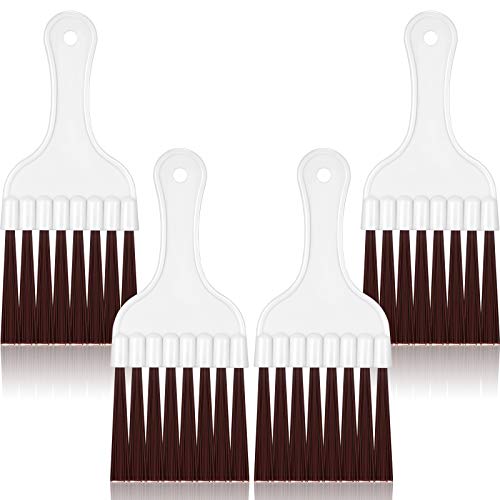
Boao 4 Packs Coil Brush Air Conditioner Condenser Refrigerator Cleaning HVAC Coil Cleaner Small Plastic Whisk Brush (Brown)
Package Includes: 4 packs air conditioner condenser cleaning brush in package, you can use them to clean different…
As an affiliate, we earn on qualifying purchases.
As an affiliate, we earn on qualifying purchases.