
TL;DR

Get home appliances delivered free with Prime
- Fast, free delivery on millions of items
- Prime Video, Amazon Music and more included
- Member-only deals all year
Smart thermostats connect to the internet and learn your habits, helping you save energy and stay comfortable. Their effectiveness depends on system compatibility, setup, and smart features you choose to use.
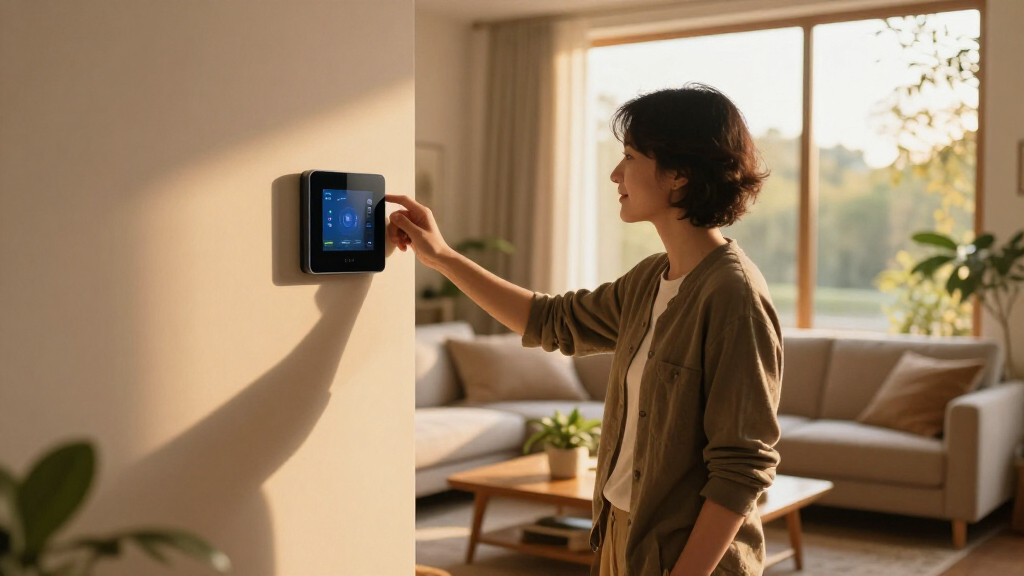
Imagine walking into a cozy home on a cold winter evening, your favorite playlist softly filling the background. Now, picture that same home adjusting the temperature just as you arrive, without you lifting a finger. That’s the promise of smart thermostats. They do more than just turn heating on and off—they learn your routines, adapt to weather, and even coordinate with your other smart devices.
In this article, you’ll discover how these devices work, what features matter most, and how to pick the right one for your home. Whether you want to cut bills, improve comfort, or just enjoy the tech-savvy convenience, understanding smart thermostats can make your decision smarter—and your home smarter too.
Smart thermostats can cut heating and cooling bills by up to 15% when properly installed and used.
Compatibility with your HVAC system and wiring needs are the most critical factors to consider before buying.
Features like room sensors, geofencing, and weather integration boost comfort and savings.
Rapid industry changes mean newer models support more advanced heat-pump controls, interoperability, and energy optimization.
Privacy and security should be part of your decision—use strong passwords, keep firmware updated, and review data policies.
What Exactly Is a Smart Thermostat and Why It’s a Game-Changer
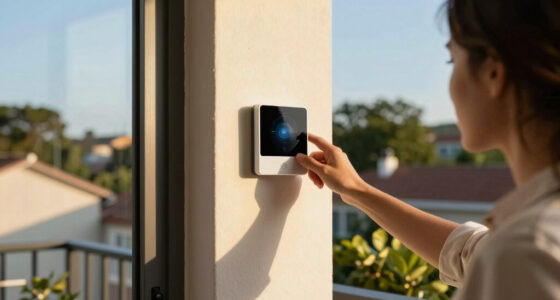
At its core, a smart thermostat is a Wi-Fi-connected device that controls your heating and cooling systems. Unlike traditional models that follow fixed schedules, these thermostats learn from your habits and adjust settings automatically. Imagine it noticing you leave for work at 8 a.m. and turning down the heat 30 minutes earlier, saving energy without you lifting a finger.
They also let you control the temperature remotely via smartphone, which means you can warm up your house before you get home or turn down the AC while on vacation. According to Energy.gov, households with smart thermostats see an average savings of around 10-12% on heating and cooling bills. That’s real money back in your pocket, especially over a few years.
But it’s not just about savings—these devices boost comfort too. They respond to weather changes, occupancy, and even integrate with voice assistants. Think of your living room adjusting automatically when the sun hits it in the afternoon, or your bedroom staying cozy all night without manual fiddling.
In essence, a smart thermostat acts like a home’s brain, optimizing comfort and efficiency—plus it’s a fun piece of tech to show off to friends.
As an affiliate, we earn on qualifying purchases.
How to Pick the Perfect Smart Thermostat for Your Home
Choosing the right smart thermostat isn’t just about price. It’s about matching features to your home’s needs and your lifestyle. Here’s a step-by-step guide:
- Check HVAC compatibility. Is your system a conventional furnace, heat pump, or something more complex? Not all thermostats work with every setup. For example, heat pumps require specific controls for their compressor stages. Selecting a compatible device ensures reliable operation and allows you to fully leverage features like multi-stage heating or cooling, which can significantly improve efficiency and comfort. Failing to match your system’s specifications can lead to poor performance or even damage, so understanding your system’s technical details is crucial.
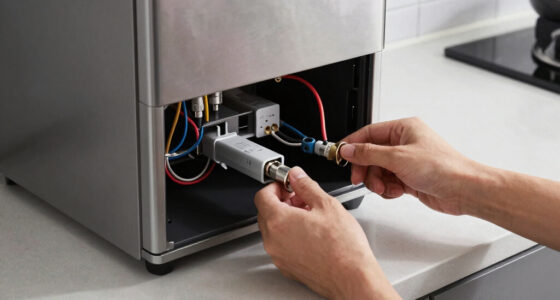
- Verify wiring needs. Do you have a C-wire (common wire) for continuous power? Many newer models need this, while some can use adapters or power-extenders. The presence or absence of a C-wire impacts installation complexity and compatibility. Choosing a model that matches your wiring setup avoids potential installation headaches or the need for costly modifications, ensuring your upgrade is smooth and effective.
- Decide on features. Do you want room sensors? Geofencing? Voice control? Look for models that support your must-have features. Consider how these features influence your daily routine and energy savings. For instance, room sensors can prevent unnecessary heating or cooling in unoccupied areas, reducing waste and increasing comfort. Geofencing can automatically adjust the temperature based on your location, ensuring your home is always at the right comfort level when you arrive or leave. Prioritizing features that align with your lifestyle maximizes both convenience and savings.
- Consider your smart home ecosystem. Are you an Apple, Google, or Amazon user? Compatibility with your platform makes setup and daily use smoother. Using devices within the same ecosystem often provides more integrated control, voice commands, and automation options, which can streamline your routines and prevent frustration from incompatible devices. This integration can also allow for more sophisticated automation scenarios, like routines that trigger multiple devices simultaneously, enhancing your overall smart home experience.
- Assess privacy and security. Read data policies and make sure the device supports multifactor authentication to protect your home’s data. Since these devices collect sensitive information about your habits and occupancy, understanding how your data is stored and shared is vital. A breach could expose your routines or even give outsiders insight into when your home is unoccupied, posing security risks. Prioritizing security features helps safeguard your privacy while still enjoying the benefits of automation.
- Factor in installation. DIY is often possible for simple setups, but complex systems might need professional help. Proper installation ensures optimal performance, system safety, and that you get the most out of your investment. An incorrect installation can lead to system damage, unreliable operation, or voided warranties, so assessing your technical comfort level and system complexity ensures you make the best choice for a smooth upgrade.
For example, if you already have a Google Nest system and a compatible heat pump, you’ll want a model that seamlessly integrates with Google Home and supports multi-stage heating. This ensures your system operates efficiently and responds predictably to automation.
Taking these steps ensures your investment delivers comfort, savings, and peace of mind, avoiding costly mistakes and maximizing the benefits of your smart thermostat.
As an affiliate, we earn on qualifying purchases.
The Latest Trends Making Smart Thermostats Smarter Than Ever
Smart thermostat tech is evolving fast, making these devices more adaptable and efficient. Here are some of the hottest trends:
- Matter interoperability. This new standard aims to unify smart home devices, so your thermostat works smoothly across different ecosystems without multiple apps. This is crucial because fragmentation has often been a barrier—different devices require different apps, complicating control and increasing the risk of compatibility issues. Matter’s goal is to create a universal language for smart devices, which means your thermostat could seamlessly communicate with lights, locks, and sensors regardless of brand. This interoperability enhances user experience, reduces frustration, and future-proofs your investment by ensuring ongoing compatibility as the smart home ecosystem evolves.
- Enhanced heat-pump support. As heat pumps become more prevalent in various climates, thermostats now better manage their complexities—like controlling compressor stages, auxiliary heat, and balancing energy efficiency with comfort. Proper management of these elements prevents unnecessary resistance heating, which is often costly and inefficient, especially during transitional seasons. This not only reduces energy bills but also extends the lifespan of your HVAC system by avoiding undue strain. The implication is that homeowners can achieve higher efficiency and reliability, especially in regions where heat pumps are replacing traditional systems, making their investment more worthwhile.
- Time-of-use optimization. This trend involves shifting heating and cooling to off-peak energy hours, which can significantly lower utility bills and reduce grid strain. The tradeoff is that your home might temporarily be less comfortable during these adjustments, such as slightly warmer mornings or cooler evenings. Understanding this allows homeowners to weigh the financial benefits against potential comfort impacts. Moreover, this trend encourages smarter energy consumption, aligning individual savings with broader grid stability and environmental benefits, especially as renewable energy sources become more integrated into the grid.
- Demand response programs. Utilities offer incentives—rebates or bill credits—for participating in controlled load reduction during peak demand periods. While this can lead to substantial savings, it requires accepting brief, sometimes noticeable, temperature adjustments. The key implication is that consumers participate in a shared effort to stabilize the grid, which can be a cost-effective way to lower bills. However, it also introduces a tradeoff: temporary discomfort versus long-term savings and environmental impact. Smart thermostats equipped for such programs enable consumers to contribute to grid health while reaping financial rewards, but they must be configured correctly to balance comfort and participation.
- Room-level intelligence. Wireless sensors now allow for occupancy and temperature detection in individual rooms, facilitating zoned heating and cooling without extensive ductwork modifications. This level of control enhances comfort by preventing hot or cold spots and reduces energy waste by adjusting climate precisely where needed. The implication is that larger or multi-room homes become more energy-efficient and comfortable, but it also means homeowners must consider sensor placement and system compatibility. This trend signifies a move toward more granular control, empowering homeowners to customize their environment and optimize energy use at a room-by-room level.
For instance, a homeowner with a heat pump and wireless sensors can pre-cool their home before dinner, then relax knowing the system is adjusting based on real-time occupancy and weather data. These innovations keep smart thermostats ahead of the curve, offering more comfort and savings, and also opening doors for more sophisticated energy management strategies that align with modern energy grids.
smart thermostat with room sensors
As an affiliate, we earn on qualifying purchases.
As an affiliate, we earn on qualifying purchases.
What Smart Thermostats Can Do for Your Home (And What They Can’t)
Smart thermostats promise big gains in comfort, savings, and convenience, but they’re not magic. Here’s what they can do—and what’s still out of reach:
- Remote control. Adjust your home’s temperature from anywhere, even on vacation. For example, turn down the heat if a cold snap hits unexpectedly. This feature is vital for maintaining comfort and avoiding energy waste when you’re away, but it relies heavily on internet connectivity. Without a stable connection, remote control capabilities may be limited, which can be frustrating during outages. Additionally, if the device or app isn’t user-friendly, it can lead to confusion or misuse, negating some of the convenience benefits.
- Learning schedules. They automatically adapt to your routines, saving energy while keeping you cozy. This AI-driven feature can optimize your HVAC operation over time, but it requires a period of data collection and may not perfectly capture atypical routines, leading to occasional discomfort or inefficiency if routines change suddenly. The tradeoff is that if your schedule is highly variable or irregular, the learning algorithm may struggle to adapt quickly, resulting in inconsistent comfort or missed savings.
- Energy visibility. See how much heating and cooling cost each month and identify savings opportunities. While useful for awareness, the real impact depends on your willingness to act on that data. Sometimes, seeing high energy use prompts behavior change, but other times, habits are hard to alter, limiting potential savings. The implication is that awareness alone isn’t enough—active engagement and behavioral adjustments are necessary to realize financial benefits.
- Occupancy detection and sensors. These help prevent energy waste by adjusting based on room use, but they don’t replace full zoning systems. They are a helpful complement, but in larger or multi-zone homes, dedicated zoning remains more precise for individual room control, which is essential for maximizing comfort without wasting energy. Relying solely on occupancy sensors may lead to inaccuracies—rooms might be unoccupied but still conditioned, or vice versa—highlighting the importance of understanding their limitations in complex layouts.
- Automation and weather integration. Your home can respond to weather forecasts or your departure, but automation isn’t perfect. It may activate auxiliary heat unnecessarily or fail to catch sudden changes, leading to inefficiencies or discomfort. This highlights the need for user oversight and periodic adjustments to automation rules to ensure optimal performance. Over-reliance on automation without manual oversight can cause comfort issues or increased energy use if conditions aren’t correctly interpreted or if sensors malfunction.
- Personalized comfort. Set schedules, preferences, and even override with voice commands. But automation can sometimes override your routines if not carefully configured. Balancing automation with manual control is key to maintaining comfort and energy savings without frustration. Additionally, overly rigid automation might conflict with spontaneous preferences, so flexibility is essential for user satisfaction.
However, don’t expect them to fix underlying issues like poor insulation or outdated HVAC systems. A smart thermostat is an upgrade, not a magic fix for inefficient homes. Its true value depends on the context of your entire home’s energy efficiency and the proper integration with your existing systems and habits.
For example, a homeowner with a well-insulated house might see 10-15% savings, but if their furnace is 20 years old, the system itself limits savings regardless of thermostat features. Upgrading the HVAC system in tandem with a smart thermostat can unlock much greater efficiency and comfort improvements.
As an affiliate, we earn on qualifying purchases.
Risks and Things to Watch Out For Before Buying
Smart thermostats aren’t perfect for everyone. They come with some pitfalls you should consider before making a purchase. Here are the main concerns:
- Compatibility issues. Not all HVAC systems support smart controls—especially older or complex setups. Check your system’s specifications carefully. Choosing an incompatible device can lead to installation failures, poor performance, or even damage to your system, ultimately costing more in repairs or replacements. The tradeoff here is between investing in a device that might not work properly and risking damage or inefficiency that could require costly repairs.
- Installation challenges. DIY is feasible for simple, low-voltage setups, but complex wiring, dual-fuel systems, or line-voltage heaters are best left to pros. Improper installation can compromise system safety, void warranties, or reduce the thermostat’s functionality, so assessing your technical comfort and system complexity is essential. A poorly installed thermostat can lead to inconsistent heating/cooling, increased energy costs, or even damage to your system, which emphasizes the importance of proper setup.
- Privacy and security. These devices track occupancy, habits, and location data. Using strong passwords, enabling two-factor authentication, and keeping firmware updated can mitigate risks. Failing to do so could expose your home network or personal habits to cyber threats, making security a critical factor in your decision. A breach could result in unauthorized access to your home, potential manipulation of your climate settings, or theft of personal data, highlighting the importance of security measures.
- Dependence on the internet. While basic control works offline, remote features and automation rely on connectivity. During outages, control may revert to manual or local modes. This dependence can be problematic if you experience frequent internet disruptions, potentially limiting your ability to manage your home remotely. Additionally, if your Wi-Fi is unreliable, automation may become inconsistent, reducing the device’s effectiveness and your confidence in its operation.
- Cost and ecosystem lock-in. A high-quality thermostat can cost $150-$250, and some features require subscriptions or proprietary apps, locking you into specific brands or ecosystems. This lock-in might limit future compatibility or increase long-term costs, so consider the total cost of ownership and your openness to ecosystem constraints. Being locked into a particular platform could restrict your ability to upgrade or expand your smart home, and recurring subscription fees can add up over time, impacting the overall value.
For example, if you install a cheap, off-brand model without proper security, you risk exposing your home network. Always research, and when in doubt, hire a professional installer. Understanding these tradeoffs helps you choose a device that aligns with your security standards and budget, avoiding costly mistakes and frustrations later.
Smart thermostats are powerful tools, but they require careful setup, ongoing security vigilance, and realistic expectations. Ignoring these factors could turn a helpful device into a vulnerability rather than an asset, so thorough planning and awareness are essential.
Frequently Asked Questions
Will a smart thermostat lower my energy bill?
Potentially, especially if you currently keep your home at a fixed temperature all day. Smart thermostats can learn your schedule and reduce waste, but savings depend on your home’s insulation, HVAC efficiency, and habits. On average, households see a 10-12% reduction in heating and cooling costs.
How much can I really save?
It varies widely depending on climate, home size, and existing habits. Some users report up to 15% savings, but if your system is outdated or your home poorly insulated, the impact is limited. The key is using smart features like occupancy detection and weather adaptation effectively.
Do I need a professional to install one?
For simple, low-voltage setups, DIY installation is often straightforward. However, if you have complex HVAC systems, dual-fuel setups, or uncertain wiring, hiring a licensed technician ensures safety and proper setup. Always verify compatibility first.
Can I control my smart thermostat from multiple devices?
Yes, most platforms allow household members to share control via apps or account invitations. Permissions can usually be customized, so everyone can adjust the temperature or just view energy reports.
Is my data safe with a smart thermostat?
Smart thermostats do collect data about your habits and occupancy, which poses privacy concerns. Use strong passwords, enable two-factor authentication, and keep firmware updated to protect your household information from cyber threats.
Conclusion
A smart thermostat isn’t just a gadget—it’s an upgrade that makes your home smarter, more comfortable, and more energy-efficient. But it’s not a set-it-and-forget-it device. Picking the right one requires understanding your system, your habits, and your priorities.
Think of it as giving your home a brain—one that learns, adapts, and saves you money. Take your time, do your research, and enjoy the comfort of a home that’s as smart as you are.
Cold & flu season Picks
humidifiers
As an affiliate, we earn on qualifying purchases.