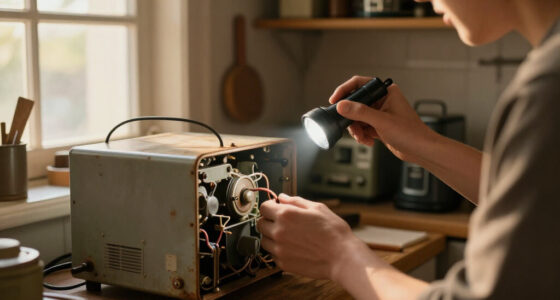
If your De’Longhi Magnifica Evo or similar espresso machine is leaking water, it’s important to identify the cause quickly to prevent further damage. Water leaks can stem from various issues, from simple blockages to internal component failures. This guide walks you through practical, safe troubleshooting steps to fix water leaks efficiently, helping you restore your machine’s performance and enjoy your favorite coffee drinks again.

Get home appliances delivered free with Prime
- Fast, free delivery on millions of items
- Prime Video, Amazon Music and more included
- Member-only deals all year
Before attempting any repairs, ensure the machine is unplugged and cooled down to avoid injury. Regular maintenance, including descaling and filter replacement, can also prevent leaks caused by mineral buildup. Let’s explore how to diagnose and resolve common water leak issues in your De’Longhi espresso machine.
Key Takeaways
| Identify the leak source | Locating where the water drips from helps determine the cause. |
| Check the water tank and seals | Loose or damaged seals and tanks often cause leaks. |
| Inspect internal components | Blockages or cracks inside the machine can lead to water escaping. |
| Maintain regularly | Descaling and replacing filters prevent mineral buildup and leaks. |
| Follow safety precautions | Always unplug and cool the machine before troubleshooting. |
Step 1: Unplug and Prepare Your Machine
Before starting any inspection or repair, ensure your De’Longhi espresso machine is unplugged from the power outlet. Allow it to cool down completely, especially if it was recently used, as internal components can be hot and cause injury. Remove the water tank carefully and examine it for cracks or damage. This initial step ensures safety and sets the stage for effective troubleshooting.
Step 2: Check the Water Tank and Seals
- Remove the water tank from the machine. Inspect the tank for any cracks or damage that might cause leaks.
- Ensure the tank is seated properly when reattached. Sometimes, improper placement can cause water to escape.
- Examine the rubber seals or gaskets around the tank opening. Damaged or worn seals should be replaced to prevent leaks.
- If you notice mineral deposits or buildup, clean the tank thoroughly with a descaling solution or mild vinegar solution.
Step 3: Inspect the Water Delivery System
Leaking can often originate from the internal water delivery components. Check the hose connections for secure fitment and signs of wear or cracks. If you see any damage, replacing these parts may be necessary. Also, verify that the water filter (if installed) is correctly placed and not clogged, as a blocked filter can cause pressure issues leading to leaks.
Step 4: Clean and Descale the Machine
Mineral deposits from hard water can clog internal pathways, causing water to back up and leak. Use a descaling solution such as the De’Longhi EcoDecalk Descaler, following the manufacturer’s instructions. Regular descaling—every 2-3 months—keeps the water flow smooth and prevents leaks caused by limescale buildup.
Ensure you run the descaling cycle completely and rinse thoroughly to avoid residue that might cause further issues.
Step 5: Test the Machine Post-Repair
After reassembling and cleaning, fill the water tank and turn on the machine. Observe closely for any leaks during operation. If water still escapes, revisit the internal components for cracks or loose fittings. If the leak persists despite these steps, professional repair or replacement of faulty parts may be needed.
The Products in This Guide
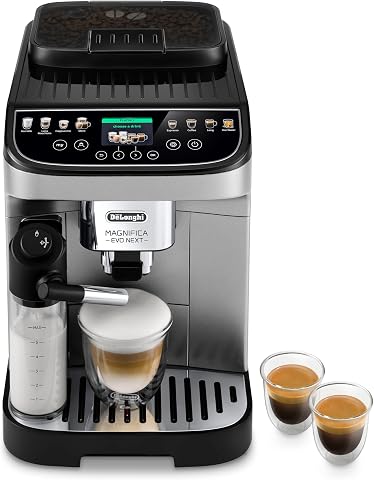
De’Longhi Magnifica Evo Next Fully Automatic Espresso Ma
- ✔ Water Capacity: 1.8 liters
- ✔ Power: 1450W
- ✔ Dimensions: 11.4 x 15.7 x 14.2 inches

De’Longhi Replacement Water Filter
- ✔ Filter Type: Activated carbon
- ✔ Capacity: Up to 2 months
- ✔ Compatibility: Select De’Longhi models
De’Longhi Magnifica Evo Next Fully Automatic Espresso Ma
The De’Longhi Magnifica Evo Next Fully Automatic Espresso Machine is a top choice for coffee lovers seeking convenience and quality. Its built-in grinder, programmable settings, and milk frother make it versatile. However, water leaks can occur due to worn seals or mineral buildup, which are manageable with proper troubleshooting.
Pros:
- Advanced brewing technology
- Built-in grinder with 13 settings
- Automatic milk frother
- Multiple drink options
Cons:
- Potential for seal wear
- Requires regular descaling
- Water tank can leak if not properly sealed
Best for: Home baristas wanting a versatile, all-in-one espresso machine
Not ideal for: Users seeking a simple, manual espresso maker
Bottom line: A highly capable espresso machine that benefits from regular maintenance to prevent leaks.
De’Longhi Replacement Water Filter
Replacing the water filter regularly can significantly reduce mineral buildup and prevent leaks caused by scale. The De’Longhi Replacement Water Filter is designed to optimize water quality and improve your machine’s performance, making it a smart addition to your maintenance routine.
Pros:
- Improves water quality
- Reduces limescale build-up
- Easy to install
- Enhances flavor
Cons:
- Replacement needed every 2 months
- Additional cost
- Filter can be misplaced if not stored properly
Best for: Maintaining clean water flow and preventing leaks
Not ideal for: If your machine is leaking due to internal cracks, this won’t fix hardware damage
Bottom line: A simple upgrade to prevent scale-related leaks and improve coffee taste.
Frequently Asked Questions
Why is my De’Longhi espresso machine leaking water?
Leaks can be caused by damaged seals, cracks in the water tank, mineral buildup, or loose fittings. Carefully inspecting these parts helps identify the issue.
How often should I descale my espresso machine?
Descaling every 2-3 months is recommended, especially if you have hard water, to prevent mineral buildup that can cause leaks and reduce performance.
Can replacing the water filter prevent leaks?
Yes, using a water filter like the De’Longhi Replacement Water Filter can reduce mineral deposits and help prevent leaks related to scale.
Is it safe to repair internal components myself?
Only attempt repairs if you are confident and have unplugged the machine. For complex issues, professional repair is recommended to avoid damaging the machine or voiding warranty.
What should I do if my machine continues to leak after troubleshooting?
If leaks persist, contact De’Longhi customer service or a qualified appliance repair technician for further diagnosis and repair.
Keep Your Coffee Flowing — Quick Tips to Prevent Leaks
Regular maintenance, including descaling and checking seals, is key to preventing water leaks in your De’Longhi espresso machine. Always handle parts carefully and follow the manufacturer’s guidelines for cleaning and replacements. With proper care, your machine can provide excellent coffee for years to come, free of leaks and performance issues.
Affiliate disclosure: As an Amazon Associate we earn from qualifying purchases. Prices and availability are accurate as of the time of publishing.
Fall yard work Picks
leaf blowers
As an affiliate, we earn on qualifying purchases.