Crawl space and attic ventilation aim to improve indoor air quality and protect your home, but they use different approaches. Crawl space vents help control moisture and prevent mold by allowing humid air to escape, while attic ventilation ensures proper airflow to balance temperatures and reduce heat buildup. Each requires specific placement and strategies based on your climate and home design. Keep exploring to understand how to optimize both systems effectively.

Get home appliances delivered free with Prime
- Fast, free delivery on millions of items
- Prime Video, Amazon Music and more included
- Member-only deals all year
Key Takeaways
- Both aim to control moisture, air quality, and temperature but use different methods suited to their specific environments.
- Crawl space ventilation manages ground humidity and prevents mold beneath the home, while attic ventilation regulates roof heat and airflow.
- Strategies differ: crawl space vents often involve foundation vents and sealing, while attic vents include soffit, ridge, and exhaust vents.
- Proper placement is crucial: crawl vents should allow humid air to escape, attic vents should enable hot air to exit at the highest points.
- Maintenance and challenges vary; crawl spaces require pest-proofing and moisture control, while attics need debris removal and vent inspection.
Products Worth Considering

Dyson Supersonic Nural Hair Dryer

Ring Alarm 14-Piece Wireless Security System

Dreame D30 Ultra CE Robot Vacuum and Mop
As an affiliate, we earn on qualifying purchases.
Why Proper Crawl Space and Attic Ventilation Matters for Your Home
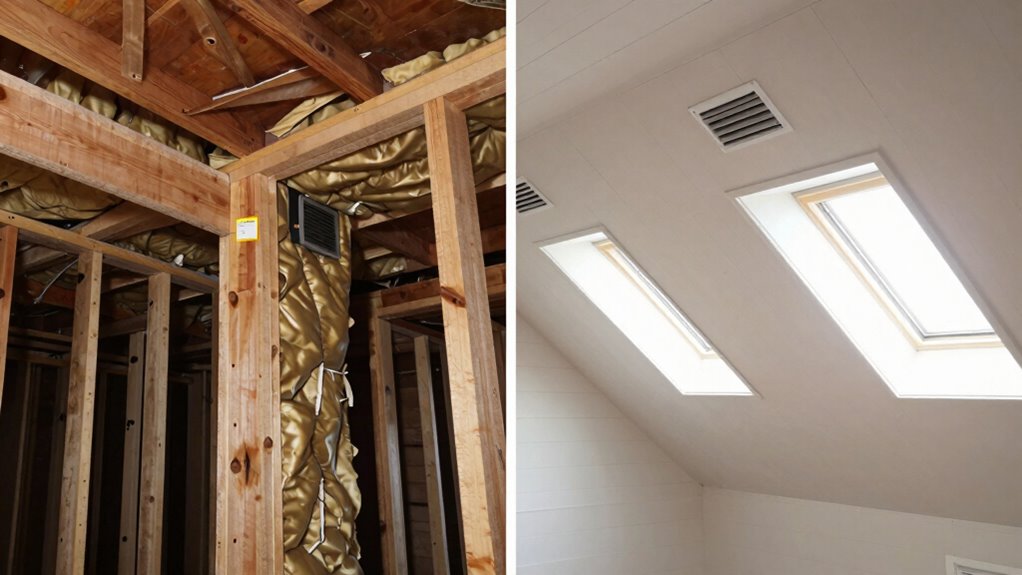
Proper ventilation in your crawl space and attic is essential because it directly impacts your home’s energy efficiency and indoor air quality. When these areas are well-ventilated, you reduce the buildup of excess moisture and pollutants, leading to healthier indoor air. Good airflow helps prevent mold growth and keeps air circulating, which improves overall indoor air quality. Additionally, proper ventilation supports energy conservation by maintaining consistent temperatures, reducing the workload on your heating and cooling systems. This means you’ll use less energy and save money on utility bills. Ensuring proper moisture control is crucial for maintaining a safe and durable home environment. When you prioritize good ventilation in these spaces, you create a more comfortable, healthier living environment while also making your home more energy-efficient and environmentally friendly. Proper airflow management is a key part of effective ventilation strategies that promote long-term home health, especially when considering the importance of ventilation systems in maintaining optimal home conditions. Regularly inspecting and maintaining ventilation equipment can further enhance these benefits and prevent potential issues.
Understanding How Crawl Space Ventilation Controls Moisture and Prevents Mold

Understanding how crawl space ventilation manages moisture and prevents mold is essential because excess moisture is a primary cause of mold growth. Proper ventilation helps maintain balanced moisture levels by allowing humid air to escape and fresh air to enter. This moisture control reduces dampness that fosters mold development. When ventilation is effective, it prevents condensation on wood, insulation, and structural components, protecting your home’s foundation. Without adequate airflow, moisture accumulates, creating a perfect environment for mold spores to thrive. Regularly ventilating your crawl space ensures that humidity stays in check, supporting mold prevention and improving indoor air quality. Additionally, seasonal changes can significantly impact moisture levels, making proper ventilation even more crucial throughout the year. Proper airflow also helps mitigate air quality concerns, safeguarding your home’s environment. Ultimately, controlling moisture through proper crawl space ventilation safeguards your home’s structure and your health. Proper ventilation also assists in reducing costly repairs caused by long-term moisture damage.
Effective Attic Ventilation Strategies for Better Air Quality and Energy Efficiency
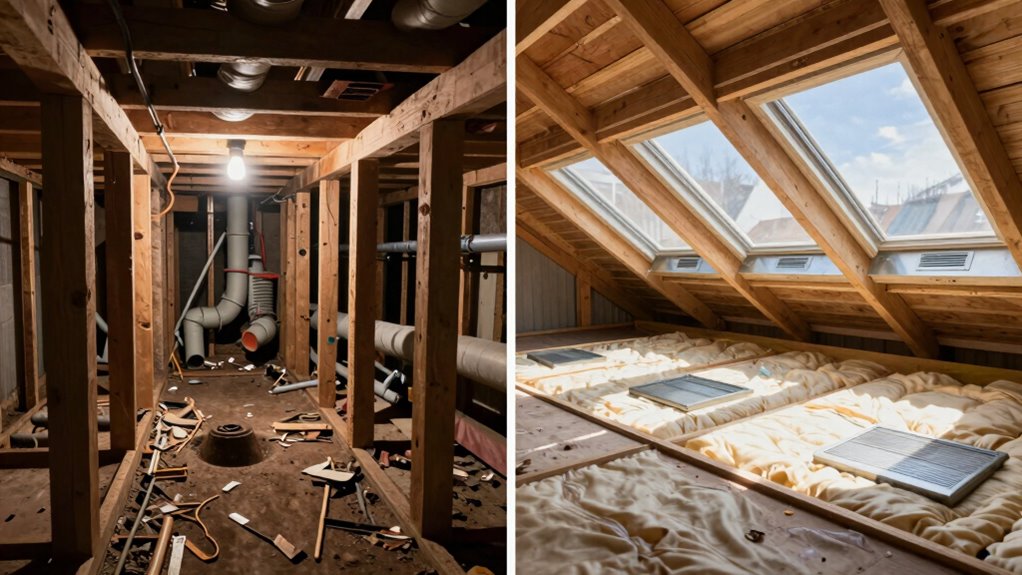
To improve your attic’s air quality and energy efficiency, focus on proper ventilation placement to guarantee even airflow. Balancing airflow efficiency prevents hot spots and reduces energy costs, while also stopping moisture from accumulating. Implementing these strategies helps keep your attic dry, comfortable, and energy-smart. Additionally, understanding the importance of ventilation strategies can help you select the most effective approach for your specific needs. Recognizing the impact of energy efficiency on overall home performance can guide you in making more informed ventilation choices. Ensuring proper airflow management is essential for achieving optimal results, and incorporating proper ventilation techniques can further enhance your home’s comfort and durability. Proper color accuracy in ventilation and insulation materials can also influence the effectiveness of your system, ensuring long-term performance and reliability.
Proper Ventilation Placement
Placing attic vents strategically is essential to ensuring effective airflow and preventing moisture buildup. You want vents where warm air naturally rises, typically near the roof’s peak, and intake vents low on the roof or soffits. This placement creates a continuous airflow, reducing humidity and improving air quality. Proper airflow management is crucial for maintaining a healthy attic environment and avoiding costly damage. Additionally, understanding ventilation best practices can help you optimize your setup for maximum efficiency. For aesthetic solutions, decorative vents can blend seamlessly with your home’s design, offering both functionality and visual appeal. Proper Gold IRA management ensures your investments are safeguarded and aligned with your long-term financial goals.
Balancing Airflow Efficiency
Achieving ideal attic ventilation requires a careful balance between exhaust and intake vents to promote continuous airflow. Proper airflow patterns ensure stale air escapes while fresh air enters, maintaining air quality and energy efficiency. To optimize this balance, you should:
- Identify and remove ventilation barriers that restrict airflow, such as insulation blocking vents.
- Ensure intake vents are unobstructed to allow cool air to enter naturally.
- Adjust vent sizes to match airflow needs, preventing pressure differences that disrupt circulation.
- Consider using gap-sealing products to prevent air leaks and improve overall ventilation effectiveness.
- Regularly inspecting and maintaining vents helps prevent blockages and ensures consistent airflow, which is vital for ventilation performance. Additionally, understanding the importance of air pressure balance can help you fine-tune your ventilation system for optimal results.
- Incorporating bi-directional airflow techniques can further optimize ventilation by enhancing the natural movement of air within your attic space.
Maintaining this balance prevents hot spots and moisture buildup, while fostering effective airflow. When exhaust and intake vents work in harmony, the attic stays well-ventilated without energy waste. Properly managed airflow patterns ultimately enhance air quality and keep your home more energy-efficient.
Preventing Moisture Build-up
Proper attic ventilation doesn’t just improve airflow; it also plays a key role in preventing moisture buildup. When moisture accumulates, it can lead to mold, wood rot, and damage to your home’s structure. To combat this, make sure your attic has proper vents to allow moist air to escape, especially during humid seasons. If you have indoor plants near your attic, good ventilation helps prevent excess humidity that can harm them. Additionally, proper airflow can enhance the efficiency of solar panels installed on your roof by reducing temperature buildup, which can improve their energy output. Regularly inspecting and maintaining your ventilation system keeps moisture levels in check, protecting your home’s integrity and promoting a healthier environment for both your indoor plants and your energy investments. Incorporating natural ventilation systems can further improve airflow while reducing reliance on mechanical fans.
Differences in Installing and Maintaining Crawl Space vs. Attic Ventilation

Installing crawl space and attic ventilation involves different methods and materials, affecting the complexity and cost. Maintenance needs vary, with crawl spaces often requiring more frequent checks for moisture and pests, while attics may need regular inspections for insulation and vent blockages. Understanding these differences helps you plan for ongoing upkeep and avoid potential issues. Proper ventilation techniques are essential to ensure both areas remain dry and well-ventilated, preventing problems such as mold or structural damage.
Installation Process Variations
Setting up crawl space ventilation typically involves installing vents along the foundation walls or installing a vent fan system, which requires careful sealing and sometimes insulation to prevent moisture from entering. You’ll need to consider innovative solutions like advanced ventilation technology to optimize airflow. Installing attic ventilation usually means adding soffit vents, ridge vents, or powered exhaust fans, often more straightforward but requiring precise placement for effectiveness. The process varies markedly:
- Crawl space systems often demand sealing and insulation to prevent moisture intrusion.
- Attic ventilation may involve integrating passive vents or powered fans directly into the roof or eaves.
- Both installations require attention to airflow pathways, but crawl spaces tend to need more sealing measures, while attics focus on proper vent placement for maximum efficiency.
Maintenance Requirements and Challenges
Maintaining ventilation systems in crawl spaces and attics presents distinct challenges that can impact their long-term effectiveness. Crawl spaces often require regular air filter maintenance to prevent mold and moisture buildup, but access can be difficult. Attic ventilation, meanwhile, demands periodic inspections for debris or pests blocking vents. Upgrading ventilation systems can improve performance but may involve complex installation.
| Challenge | Solution |
|---|---|
| Hard-to-reach areas | Use accessible, service-friendly designs |
| Mold and moisture buildup | Regular air filter maintenance |
| Debris blocking vents | Scheduled inspections |
| Outdated system components | Ventilation system upgrades |
| Pest intrusion | Seal vents and add screens |
How Climate and Home Design Influence Your Ventilation Choices
Your climate and home design play essential roles in determining the most effective ventilation strategy. Climate impact influences whether you need more airflow to prevent moisture buildup or less to keep heat in. For example, humid environments require better moisture control, while colder areas focus on heat retention. Your home’s design also matters; open floor plans may need different approaches compared to tightly sealed structures. Additionally, understanding regional climate variations can help tailor ventilation solutions that optimize energy efficiency and moisture management.
Common Mistakes When Ventilating Your Crawl Space and Attic: And How to Avoid Them

Many homeowners make common mistakes when ventilating their crawl spaces and attics, which can lead to moisture buildup, mold growth, and energy loss. One Ventilation myth is that more ventilation always means better airflow, but excessive vents can actually increase energy costs and fail to control humidity effectively. A common pitfall is ignoring climate and home design, leading to improper vent placement or size. You might also overlook sealing leaks before vent installation, undermining ventilation efforts. To avoid these mistakes, research ventilation requirements specific to your area, and consult professionals to develop a balanced strategy. Proper understanding of the purpose of ventilation helps you prevent issues like trapped moisture, ensuring your home stays dry, healthy, and energy-efficient. Indoor air quality is closely linked to proper ventilation, making it essential to get the strategy right. Additionally, understanding the role of climate in ventilation can help you tailor your approach to your specific environment, preventing issues related to moisture control and ensuring optimal home health.
Signs It’s Time to Upgrade or Adjust Your Home’s Ventilation System

Over time, changes in your home’s conditions or utility bills can signal that it’s time to upgrade or adjust your ventilation system. Poor indoor air quality, persistent odors, or increased allergy symptoms are clear indicators that your current ventilation technology isn’t enough. Additionally, if you notice excess moisture, mold growth, or uneven temperature distribution, it’s a sign to review your setup. Upgrading your system can improve air flow and help regulate humidity levels. Consider these signs as a cue to evaluate your ventilation needs:
- Rising energy bills despite consistent usage
- Frequent indoor allergies or respiratory issues
- Visible mold or musty odors
Addressing these issues guarantees your home remains comfortable, healthy, and energy-efficient.
How Proper Ventilation Saves Money and Protects Your Home Long-Term
Proper ventilation plays a crucial role in saving money and safeguarding your home over time. It helps prevent moisture buildup, mold growth, and structural damage, reducing costly repairs. Good airflow also protects indoor plants by maintaining ideal humidity levels and shields your home from UV damage by reducing heat buildup. When ventilation is effective, you’ll notice lower energy bills since your cooling and heating systems work less. Additionally, proper airflow minimizes musty odors and improves indoor air quality, contributing to healthier living.
| Benefit | How It Helps | Key Element |
|---|---|---|
| Cost Savings | Reduces energy bills | UV protection |
| Structural Integrity | Prevents mold and rot | Indoor plants |
| Air Quality | Less indoor pollutants | Ventilation strategy |
| Longevity of Home | Less wear and tear | Moisture control |
| Health & Comfort | Better living environment | Proper airflow |
Frequently Asked Questions
How Often Should Crawl Space and Attic Vents Be Inspected or Cleaned?
You should inspect and clean your crawl space and attic vents at least once a year for proper ventilation maintenance. Regular inspection frequency helps prevent issues like mold, pests, and moisture buildup. During these checks, clear out debris, look for blockages, and guarantee vents are functioning correctly. Doing this annually keeps your home well-ventilated and helps catch problems early, maintaining a healthier, more energy-efficient space.
Can Improper Ventilation Cause Structural Damage to My Home?
A home is only as strong as its foundation. Improper ventilation can cause moisture buildup, leading to wood rot, mold, and pest infestations, which threaten structural integrity. Poor airflow prevents moisture prevention and pest control, risking damage to beams, floors, and walls. If you neglect proper ventilation, you may unknowingly weaken your home’s structure, making it vulnerable to long-term damage and costly repairs.
Are There Specific Ventilation Solutions for Homes in Humid Climates?
In humid climates, you should consider humid climate solutions like dehumidifiers and continuous ventilation systems to control moisture. These moisture control methods help prevent mold, wood rot, and structural damage. Installing vents designed for high humidity, such as ridge vents or powered exhaust fans, can also improve airflow. Regularly maintaining and monitoring humidity levels guarantees your home stays dry and protected against excess moisture.
How Do I Determine if My Current Ventilation System Is Adequate?
Are you truly breathing easy in your home? To determine if your ventilation system is adequate, check for signs like excess humidity, mold, or musty odors. Measure airflow efficiency with an anemometer or consult a professional for airflow improvement. If air feels stagnant or damp persists, your system might need upgrades. Proper ventilation guarantees healthier air, so don’t ignore warning signs—improve airflow and breathe with confidence.
What Are the Best Materials for Installing Crawl Space and Attic Vents?
For installing crawl space and attic vents, use durable materials like galvanized steel, aluminum, or high-quality plastic. These materials withstand weather and corrosion, ensuring longevity. Choose vent types like louvered, gable, or soffit vents for maximum airflow. Galvanized steel and aluminum are especially durable, while plastic options are budget-friendly but may need replacement sooner. Proper material choice keeps your ventilation system effective and maintenance-free over time.
Conclusion
Proper crawl space and attic ventilation are the lifelines that keep your home breathing easy. By understanding their unique roles, you can prevent moisture buildup, mold, and energy loss—like giving your house a well-tuned heartbeat. Regular maintenance and smart upgrades act as your home’s armor against damage. Keep a close eye on signs it’s time for a change, and you’ll guarantee your home stays healthy and cozy for years to come—your house’s secret to long-lasting happiness.